
From strategic discussions on 6G, cybersecurity, and Physical AI to hands-on testing of AI-ready data quality, the three-day event brought European and Korean stakeholders together to advance research, innovation, and industrial cooperation.
From 15 to 17 September 2026, policymakers, researchers, industry representatives, standardisation experts, and technology practitioners from Europe and the Republic of Korea came together for EU–Korea Digital Partnership: From Vision to Delivery in Seoul and Pangyo.
Across three days, the event moved from high-level strategic dialogue to hands-on technical collaboration, with a common objective: turning shared EU–Korea digital priorities into concrete opportunities for cooperation.
Day 1: Exploring priorities for EU–Korea cooperation
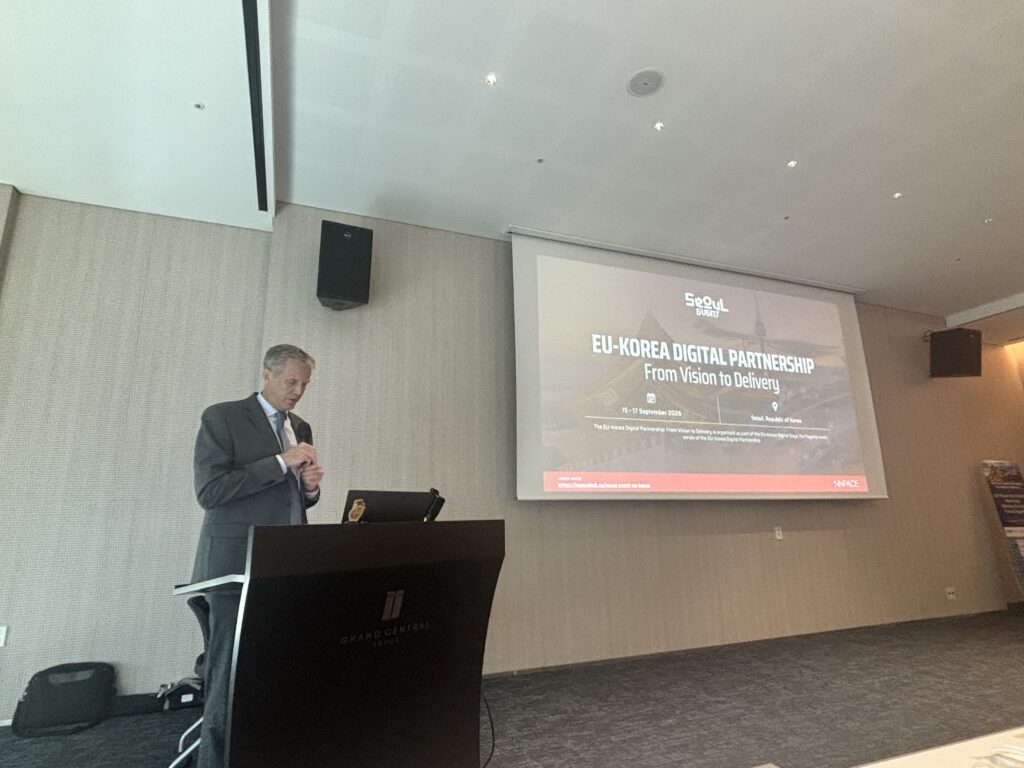
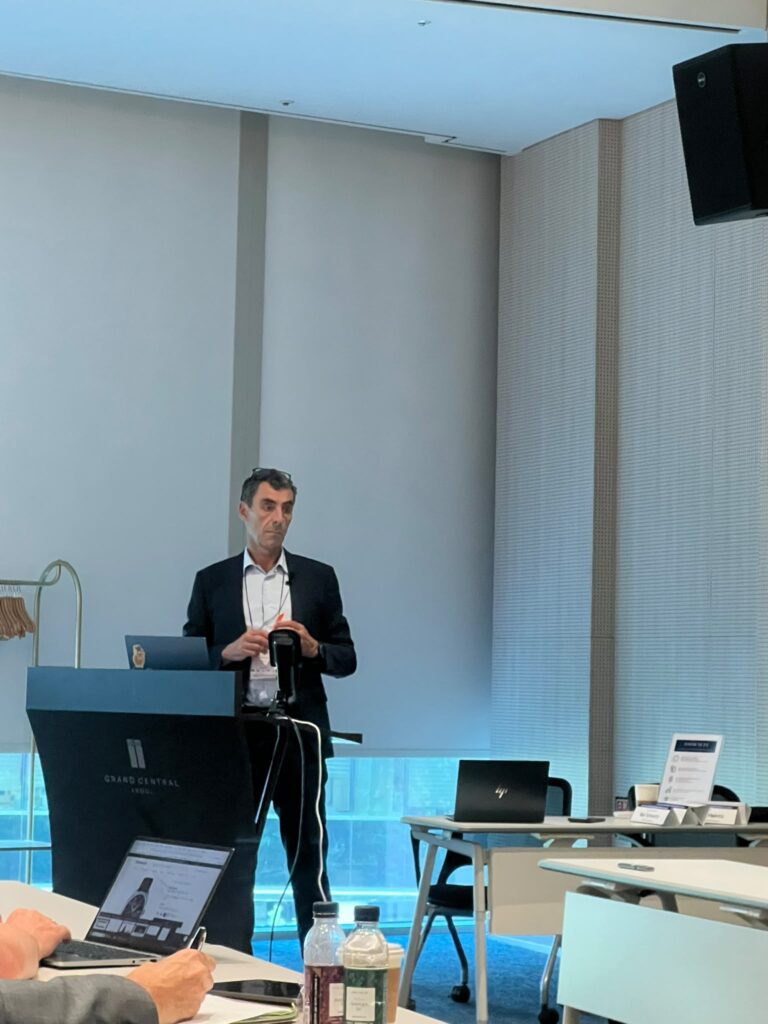
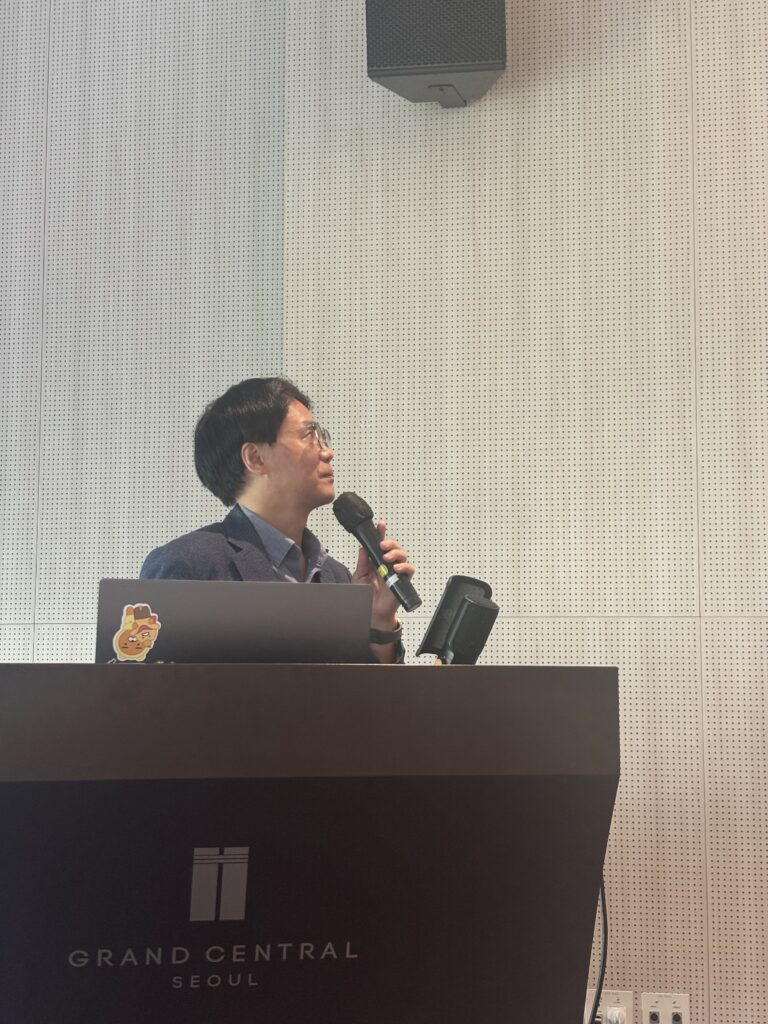
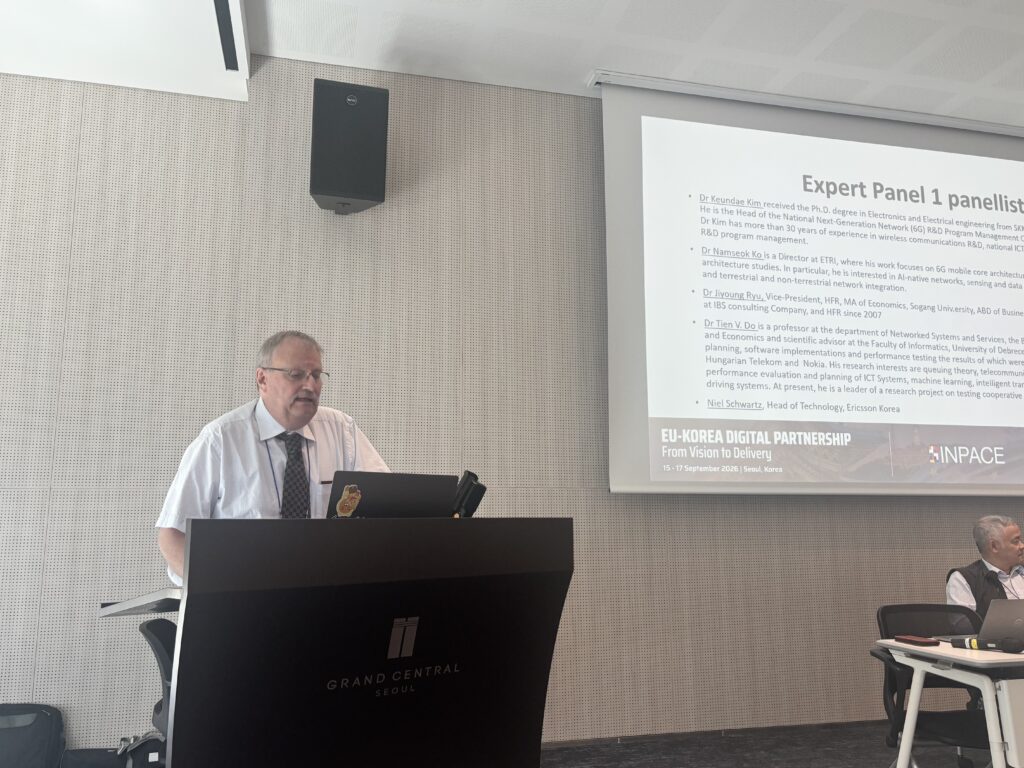
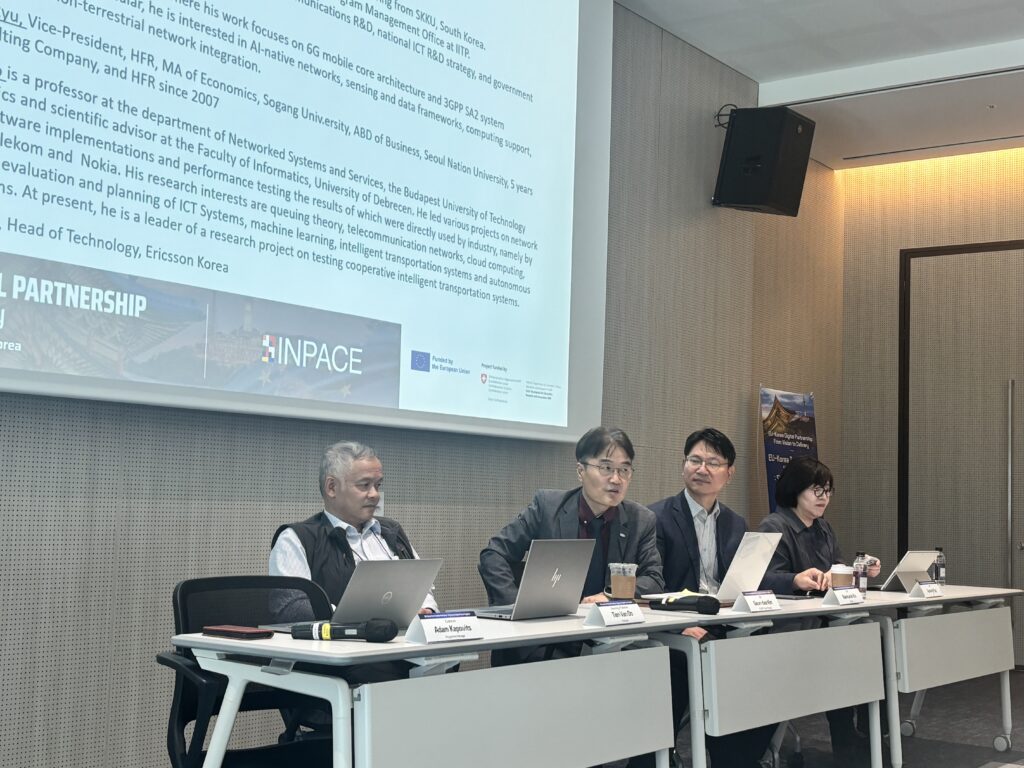
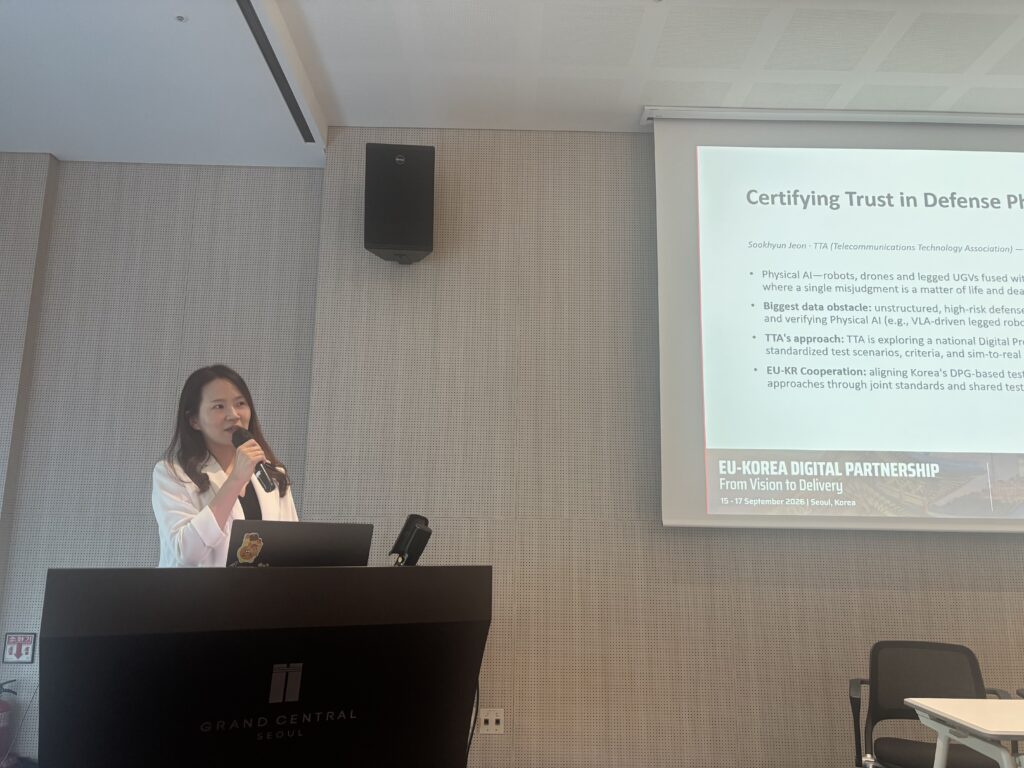
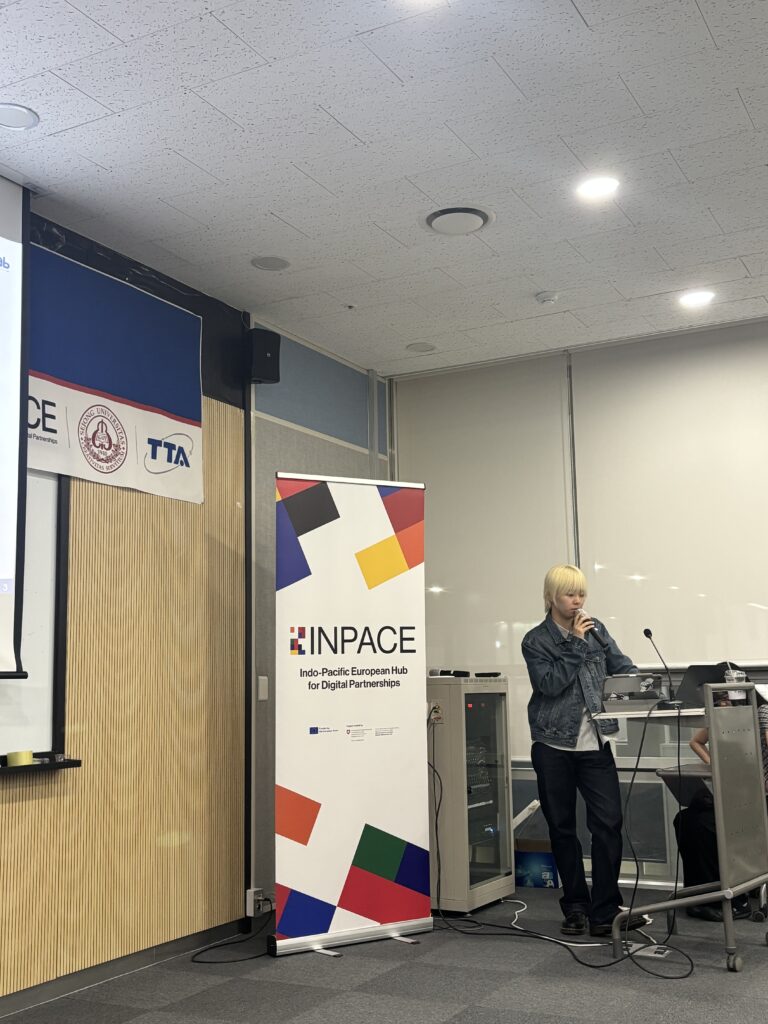
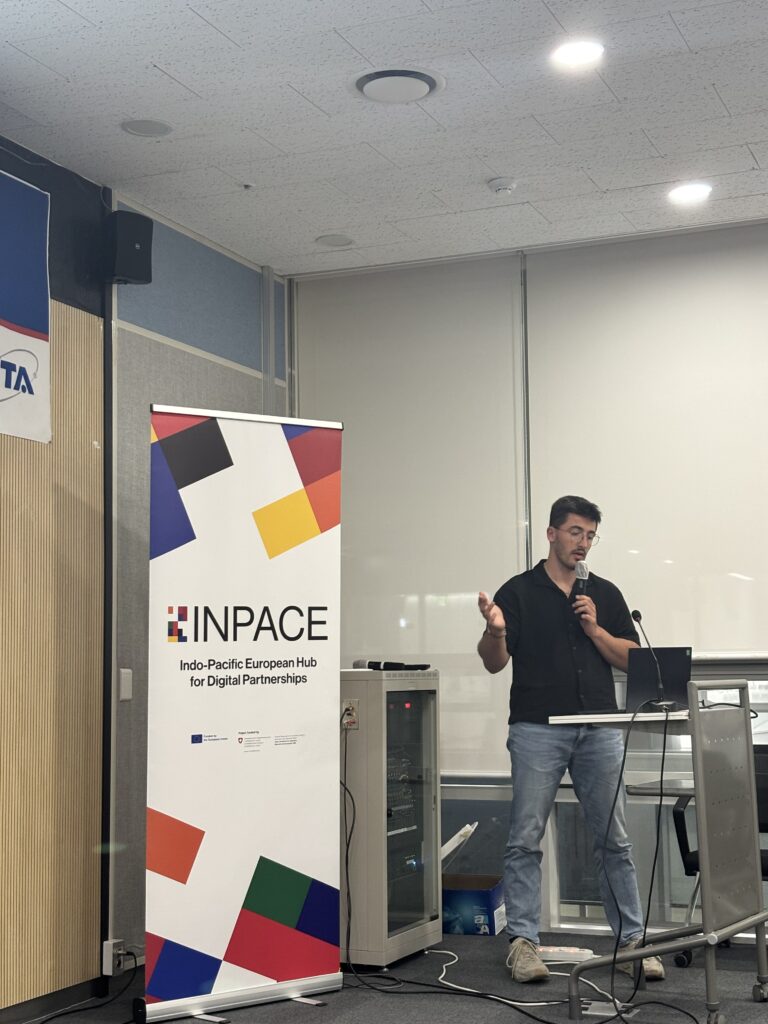
The event opened on 15 September with the EU–Korea Tech Frontier Workshop: Shaping the Digital Future Together, bringing together European and Korean experts to explore cooperation in strategic technology areas.
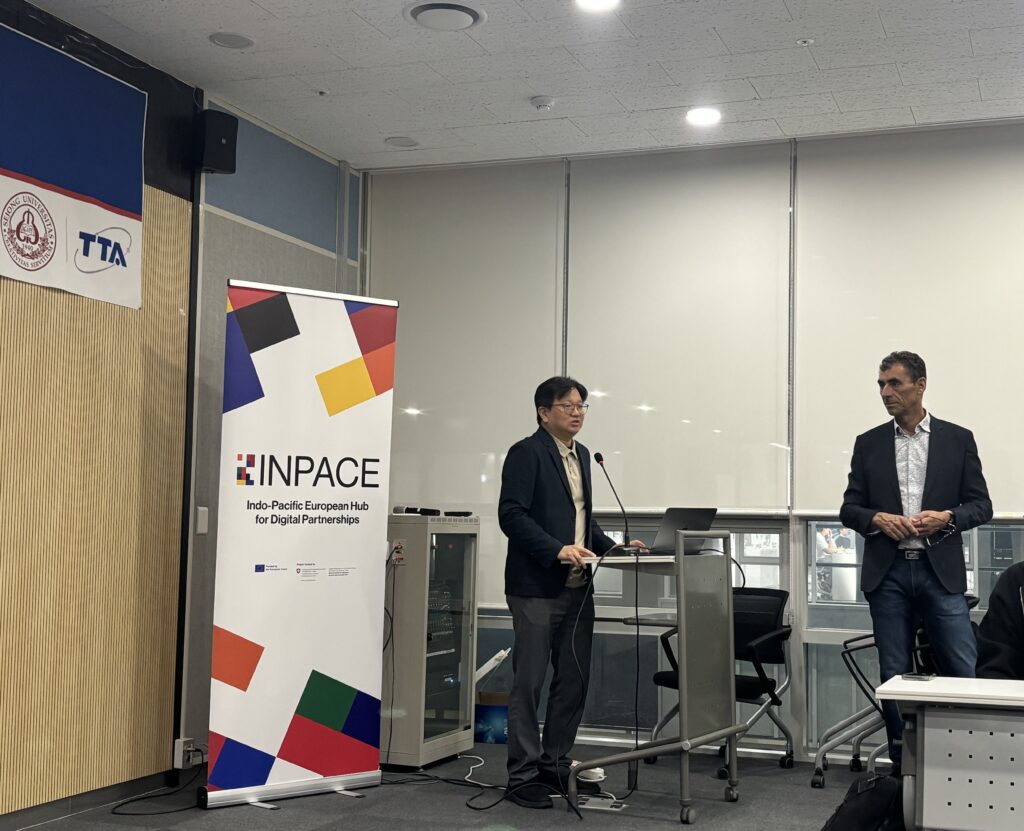
Welcome addresses from IITP, Sejong University, and INPACE set the scene for a full day of exchanges on the opportunities for strengthening collaboration between Europe and the Republic of Korea.
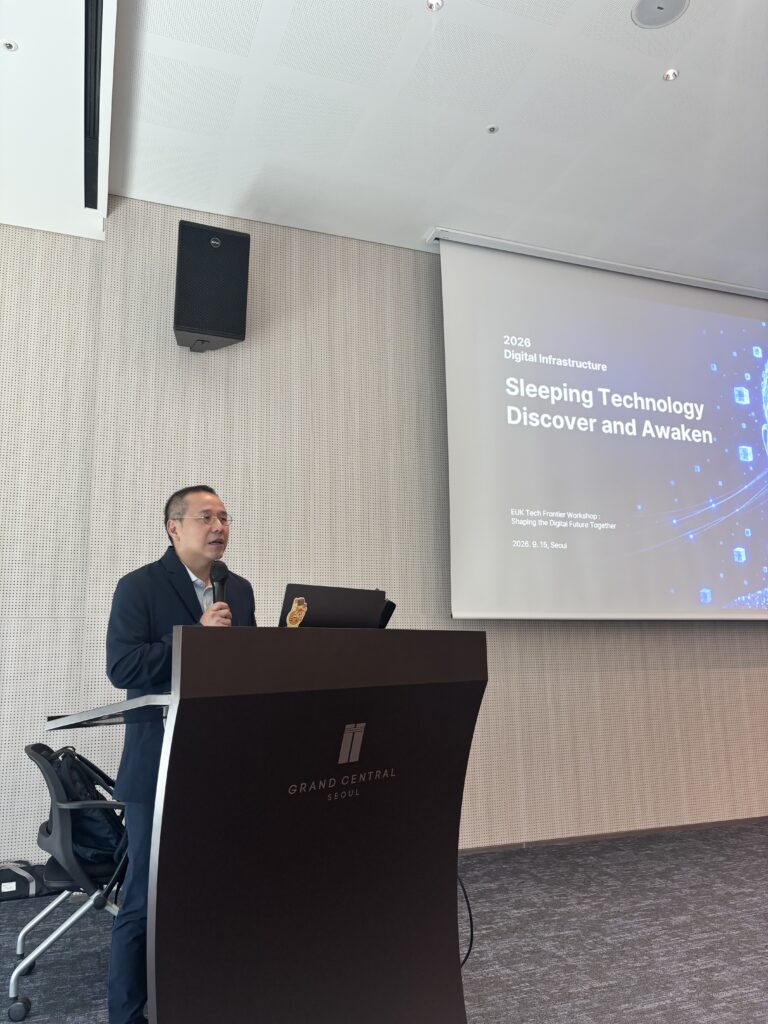
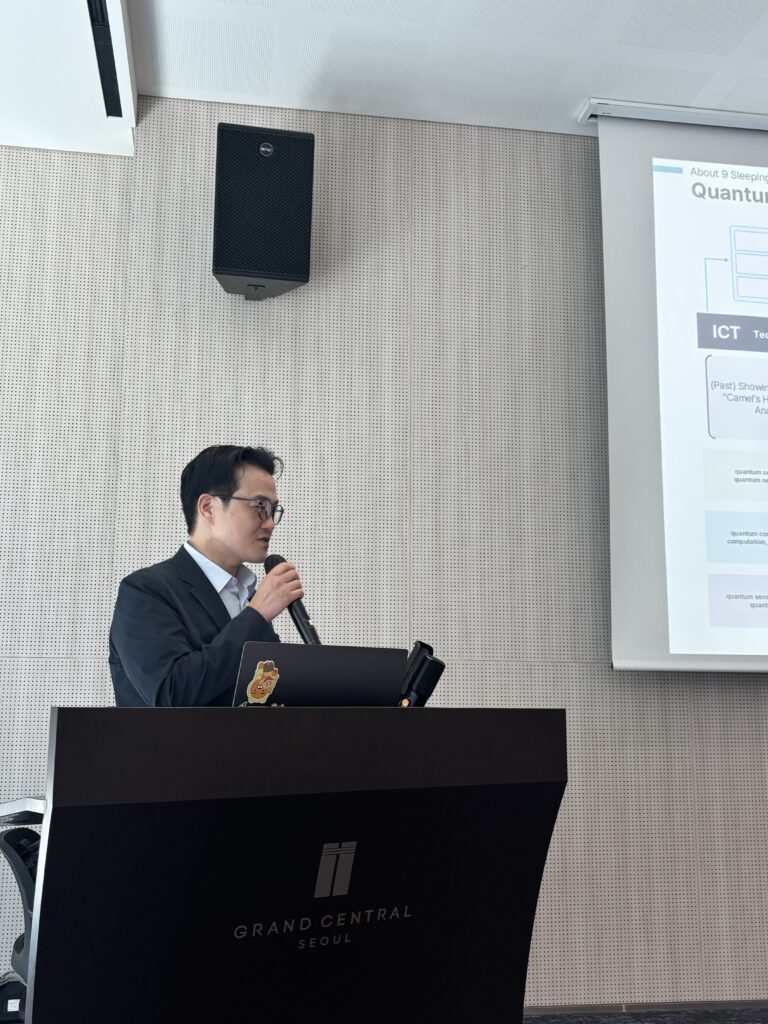
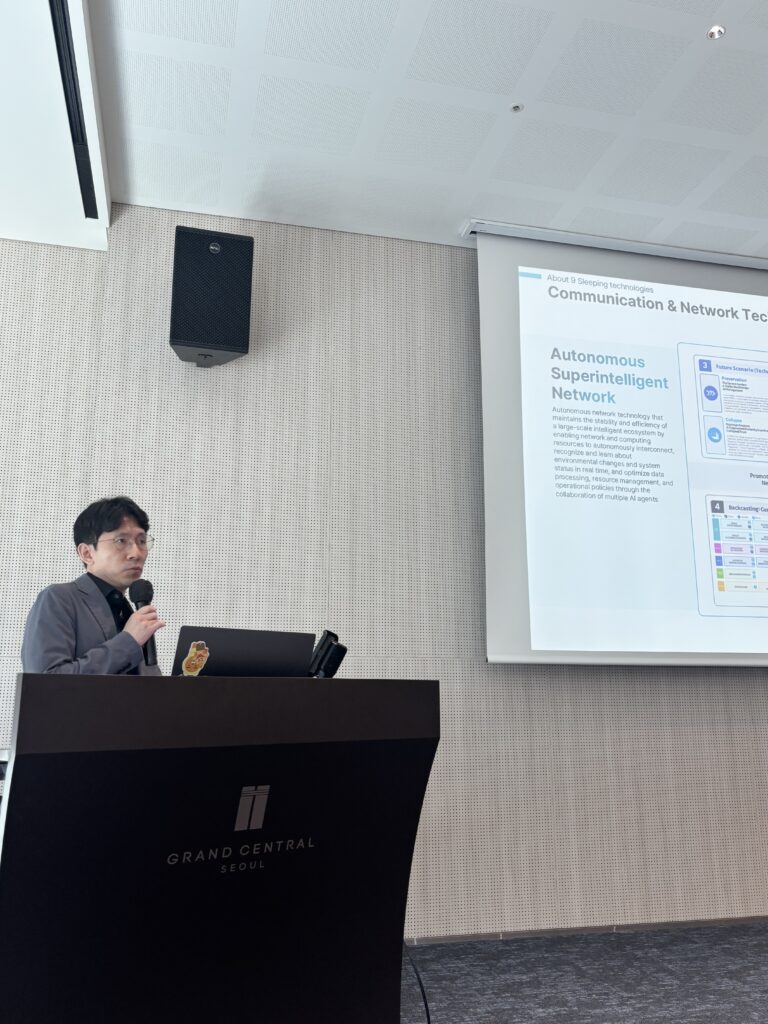
The opening was followed by keynotes addressing the EU–Korea Digital Partnership and its priorities for 2026, as well as the future of 6G. Participants also heard the findings of the IITP Sleeping Beauties Study, which explored dormant technologies in digital infrastructure with strong potential for future EU–Korea cooperation.
The programme then moved into expert discussions across three key areas.
- The first panel focused on 6G and EU–Korea research and industrial cooperation, covering topics including next-generation mobile networks, spectrum, AI RAN, Physical AI, sensing, non-terrestrial networks, and opportunities for joint testbeds.
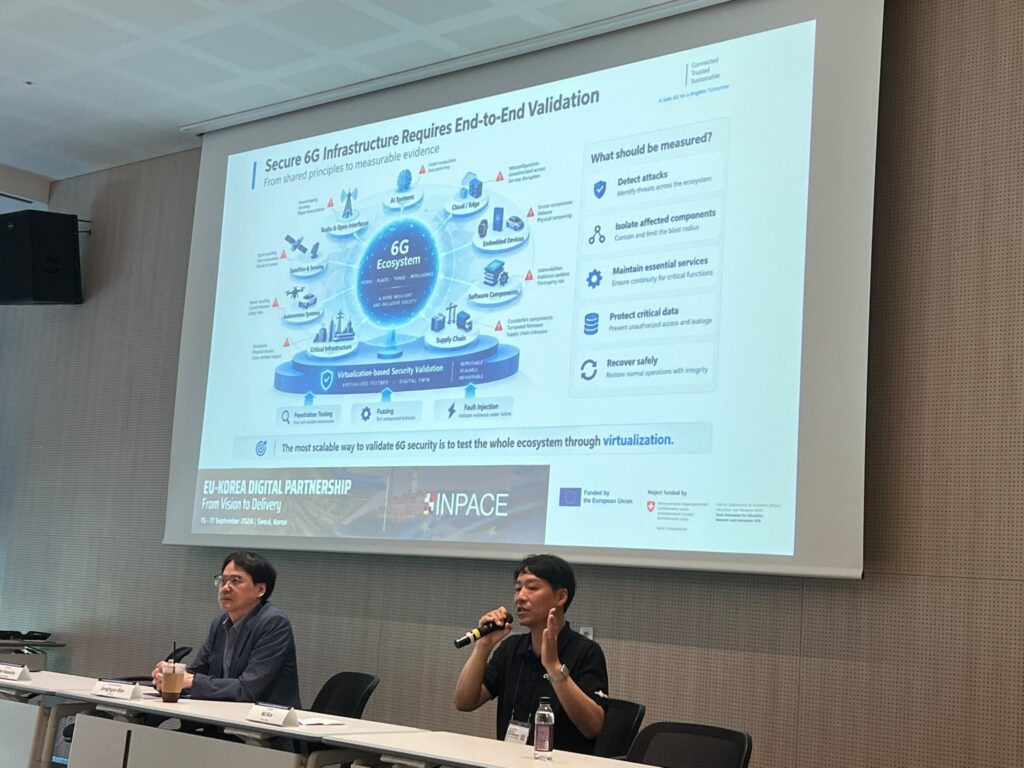
- A second panel addressed secure digital infrastructures, exploring shared challenges around security and privacy in 6G, resilience, threat intelligence, standards harmonisation, and next-generation quantum security.
- The third panel focused on Physical AI and its infrastructure, including data quality requirements, AI infrastructure, and European and Korean research priorities.
Beyond the technology discussions, participants also explored how shared interests could be translated into future collaboration. A dedicated session on the INPACE Peer Advisory Network addressed opportunities related to collaborative projects, Horizon Europe, regulation, and market access.
The day concluded with a synthesis and roadmap session, bringing the discussions together around priority cooperation themes, opportunities linked to future Horizon Europe calls and bilateral programmes, and potential pathways for longer-term EU–Korea cooperation.


Days 2–3: From discussion to hands-on collaboration
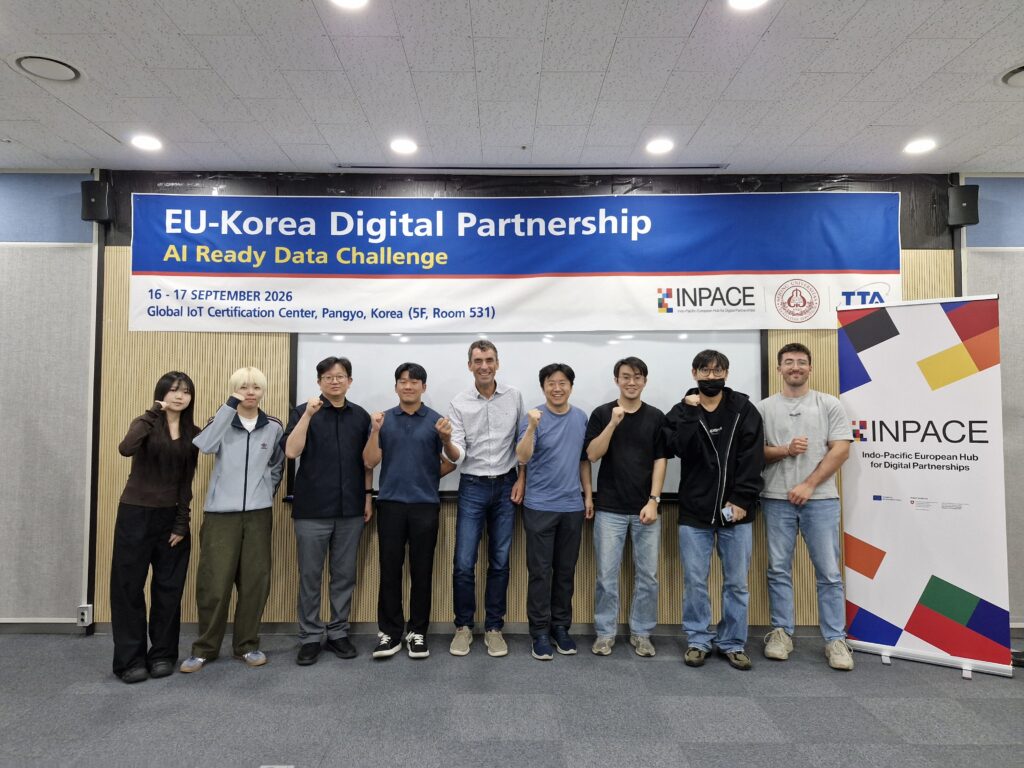
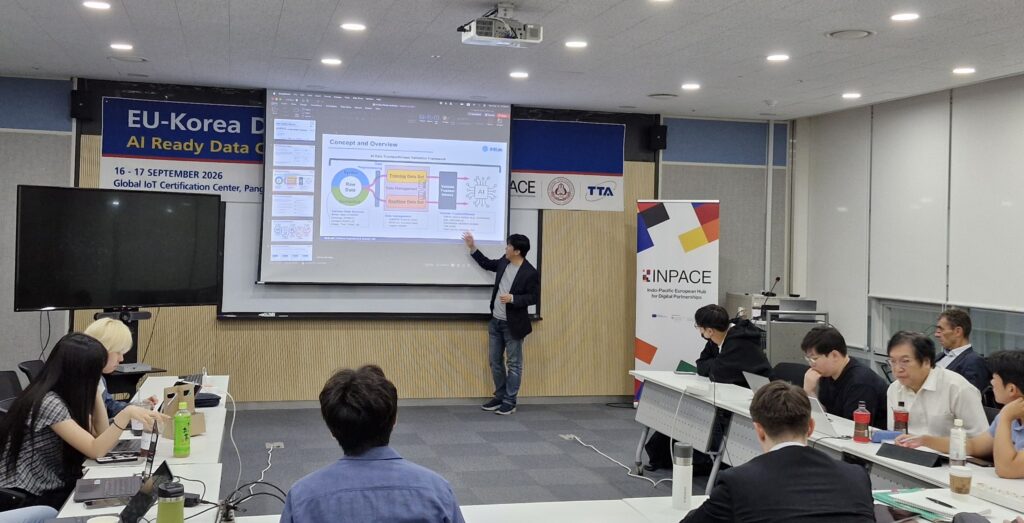
On 16 September, the focus shifted to practical experimentation with the start of the two-day AI Ready Data Challenge.
The Challenge brought together dataset owners, researchers, standardisation experts, and AI practitioners to evaluate real-world datasets against the 18 Data Quality Metrics defined in ETSI TR 104 180, supported by an open-source Data Quality Validation tool. The objective was to move beyond discussing what constitutes high-quality, AI-ready data and examine how data quality metrics perform when applied to real datasets across different technological domains.
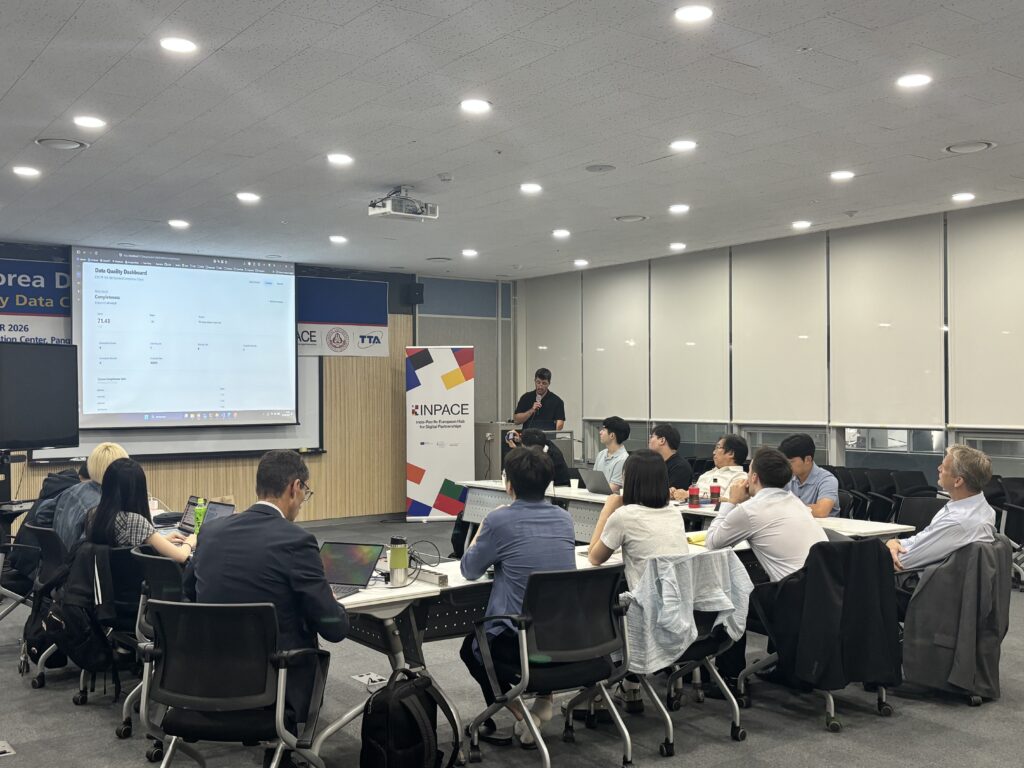
Participants were first introduced to the ETSI TR 104 180 Data Quality Metrics Framework, its measurement approach, and future standardisation roadmap. This was followed by demonstrations of the web-based validation tool and live data quality evaluation.
The afternoon moved into hands-on work. Participants onboarded datasets and worked in dedicated domain groups focusing on Industrial IoT & Sensor Data and AI/ML Training Datasets. The working sessions enabled participants to apply relevant data quality metrics directly to their datasets, identify practical challenges, and exchange initial findings. The day concluded with an inter-group discussion on the results, metadata requirements, and feedback on the validation approach.
The final day expanded the Challenge into two additional domains: Data Spaces & Data Exchange and Physical AI & Real-time Systems. Participants examined how different quality metrics apply across these use cases before bringing the findings together in a cross-domain analysis workshop. The discussion compared the feasibility of quantitative measurement across domains, domain-specific weighting, and dependencies on metadata.
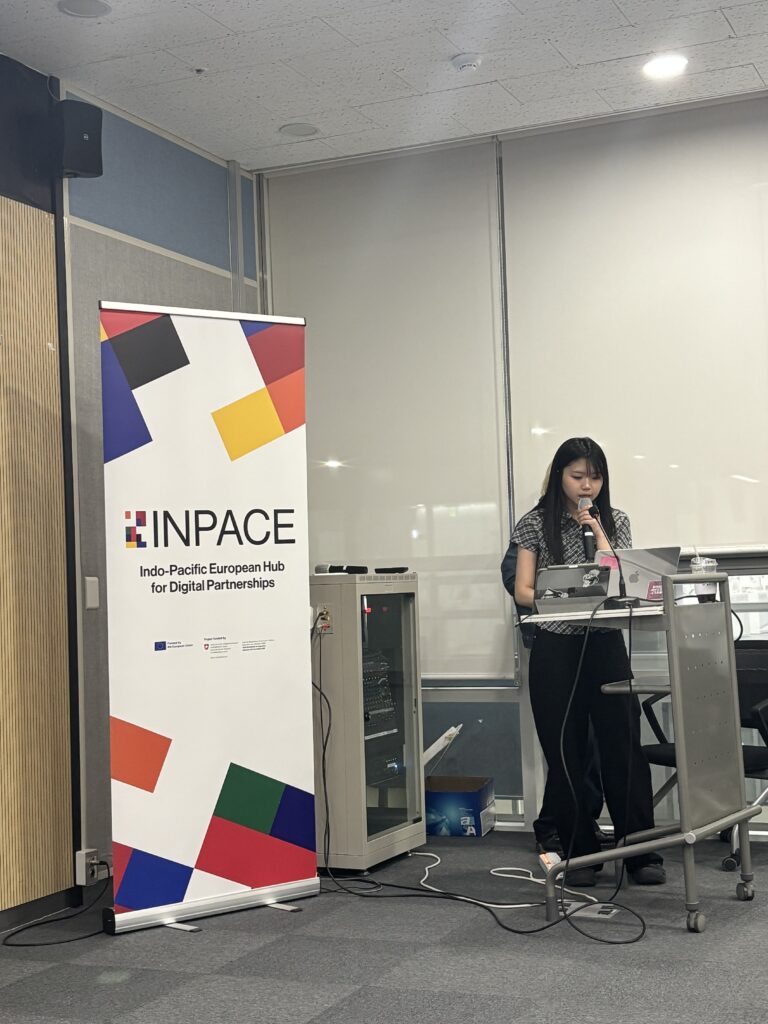
The afternoon focused on the implications of the Challenge for future standardisation. Participants considered which data quality metrics may require normative Technical Specifications, where dedicated test methodologies could be needed, and which gaps could become priorities for future work. The hybrid format also enabled remote participants to showcase their dataset results and findings, broadening the evidence and perspectives feeding into the discussion.
The Challenge concluded with a synthesis of findings and recommendations, including consideration of contributions to ETSI TC DATA. The empirical evidence gathered through the Challenge is intended to help inform the future development of standardised approaches to data quality evaluation.
From vision to delivery
The three-day programme reflected the ambition captured in the event’s title: moving from vision to delivery.
Starting with strategic dialogue on areas of shared EU–Korea interest, the event progressed to practical experimentation and discussions on how the resulting evidence can support future cooperation and standardisation.
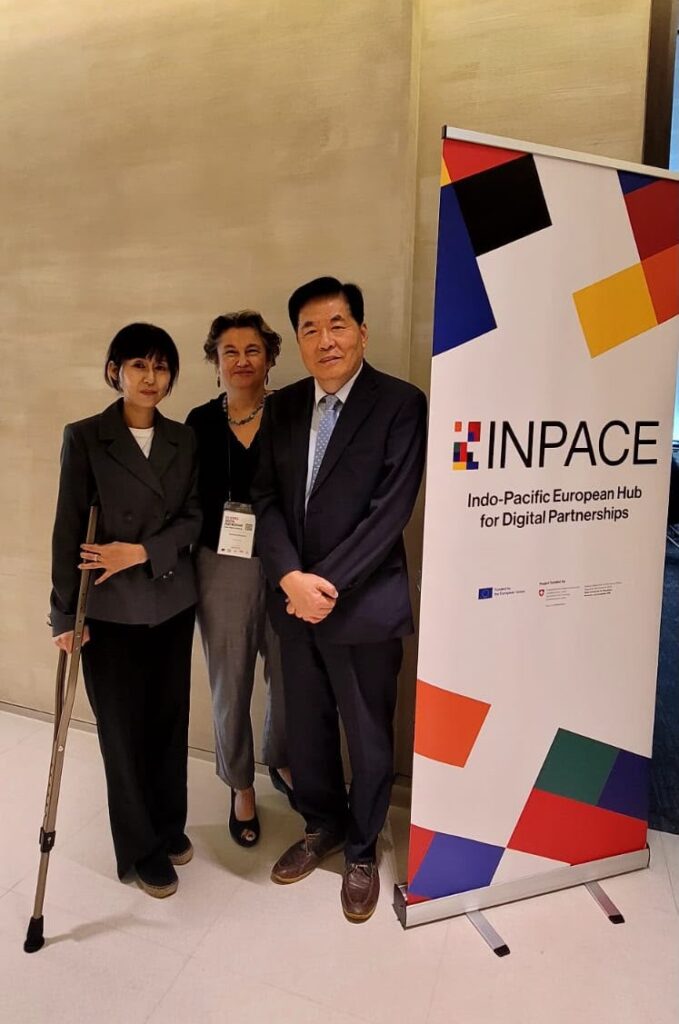
By connecting policymakers, researchers, industry representatives, technology practitioners, and standardisation experts, EU–Korea Digital Partnership: From Vision to Delivery provided a platform to explore how European and Korean expertise can complement each other in areas such as 6G, secure digital infrastructures, Physical AI, and AI-ready data.
The event was organised by INPACE, IITP, TTA, Sejong University, ETSI, SESLAB, Daejeon University, and Digital Partnerships in Action (DPA).