

28-29 October 2025
On-site event in Shaw Foundation Alumni House, National University of Singapore
Organised by
INPACE, National University of Singapore & Singapore Academy of Engineering (SAEng)

EU-Indo-Pacific
Digital Partnership

ADD TO CALENDAR

EU-Indo-Pacific
Digital Partnership
Conference 2025

ADD TO CALENDAR

28-29 October, 2025
On-site event in Shaw Foundation Alumni House, National University of Singapore
Organised by
INPACE, National University of Singapore & the Singapore Academy of Engineering (SAEng)
Conference 2025, Singapore

Download the slides and full report of the conference and watch the recording of the Opening Public Session.

Bringing together policy makers, researchers, innovators, and business leaders to discuss and advance the cooperation between the European Union and Indo-Pacific countries in the field of digital technologies and their application.

D
H
M
S

AGENDA - DAY 1

AGENDA - DAY 2

AGENDA - DAY 1&2

About

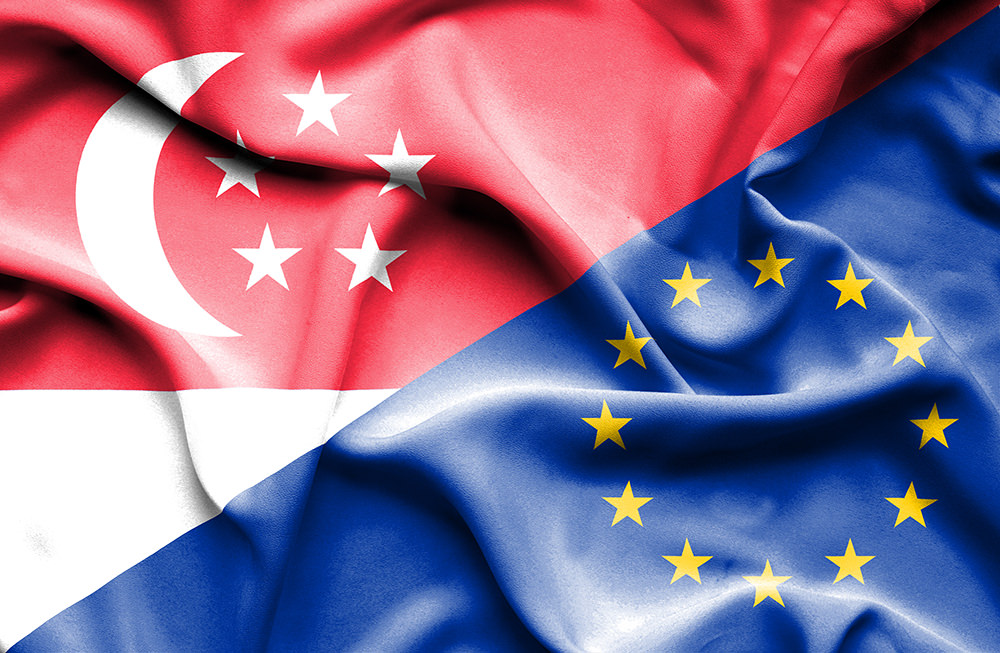
The EU-Indo-Pacific Digital Partnership Conference 2025 brought together policy makers, researchers, innovators, and business leaders to discuss and advance the cooperation between the European Union and the Indo-Pacific countries in the field of digital technologies and their application. It supported the implementation of the Digital Partnerships between the European Union and Japan, South Korea, Singapore, and the Trade and Technology Council with India.

The EU aims to strengthen the existing digital partnerships, exploit synergies between them, and establish new ones. The signing of the EU-Singapore Digital Trade Agreement (EUSDTA) on 7 May 2025 marks a milestone in the cooperation between the EU and the Indo-Pacific countries. It provides legal certainty by codifying high-level norms on data protection and source-code safeguards, while reducing compliance frictions for small and medium-sized enterprises. By aligning European regulatory strengths with Singapore’s position as an agile digital innovator, the partnership demonstrates that high data-protection standards can coexist with open markets and innovation, putting forward a model for future digital trade frameworks and tech alliances.  

Europe offers great opportunities for researchers and innovators from the Indo-Pacific. European Union’s Horizon Europe Research and Innovation Funding program is one of the largest and broadest in the world and it is open for collaboration with a large number of countries. The collaboration within Horizon Europe and the next Framework Program can happen via the association of non-EU countries to the Framework Program, as for the Republic of Korea, Canada, Great Britain, New Zealand and many others, but also in dedicated sub-programs and calls in certain domains. Moreover, organisations from low and middle income countries are entitled to apply for funding within the scope of calls for proposals. The program funds a broad range of activities, from research scholarships and staff exchange to large-scale collaborative innovation projects that involve industry, end-users, researchers, and others.

The EU-Indo-Pacific Digital Partnership Conference 2025 discussed core digital technologies and opportunities for collaboration between the EU and the Indo-Pacific countries on the development of technologies and their applications and technology-related regulations and policies.

Core topics of the 2025 EU-Indo-Pacific Digital Partnership Conference will be:

About

The EU-Indo-Pacific Digital Partnership Conference 2025 will bring together policy makers, researchers, innovators, and business leaders to discuss and advance the cooperation between the European Union and the Indo-Pacific countries in the field of digital technologies and their application. It supports the implementation of the Digital Partnerships between the European Union and Japan, South Korea, Singapore, and the Trade and Technology Council with India.

Europe offers great opportunities for researchers and innovators from the Indo-Pacific. European Union’s Horizon Europe Research and Innovation Funding program is one of the largest and broadest in the world and it is open for collaboration with a large number of countries. The collaboration within Horizon Europe and the next Framework Program can happen via the association of non-EU countries to the Framework Program, as e.g. for the Republic of Korea, Canada, Great Britain and New Zealand and many others, but also in dedicated sub-programs and calls in certain domains. Moreover, organisations from low and middle income countries are entitled to apply for funding within the scope of calls for proposals. The program funds a broad range of activities, from research scholarships and staff exchange to large-scale collaborative innovation projects that involve industry, end-users, researchers, and others.

Europe offers great opportunities for researchers and innovators from the Indo-Pacific. European Union’s Horizon Europe Research and Innovation Funding program is one of the largest and broadest in the world and it is open for collaboration with a large number of countries. The collaboration within Horizon Europe and the next Framework Program can happen via the association of non-EU countries to the Framework Program, as e.g. for the Republic of Korea, Canada, Great Britain and New Zealand and many others, but also in dedicated sub-programs and calls in certain domains. Moreover, organisations from low and middle income countries are entitled to apply for funding within the scope of calls for proposals. The program funds a broad range of activities, from research scholarships and staff exchange to large-scale collaborative innovation projects that involve industry, end-users, researchers, and others.

The EU-Indo-Pacific Digital Partnership Conference 2025 will discuss core digital technologies and opportunities for collaboration between the EU and the Indo-Pacific countries on the development of technologies and their applications and technology-related regulations and policies.

Core topics of the 2025 EU-Indo-Pacific Digital Partnership Conference will be:

The EU-Indo-Pacific Digital Partnership Conference 2025 will discuss core digital technologies and opportunities for collaboration between the EU and the Indo-Pacific countries on the development of technologies and their applications and technology-related regulations and policies.

2025 EU-Indo-Pacific Digital Partnership Conference
Core Topics

Digital Policies

Technologies and applications of Artificial Intelligence

Semiconductors

Secure Internet of Things and applications

Digital identities, Digital Product Passport, Trust Anchors in industry

Innovation hubs to foster the application of digital technologies

The conference began with a high-level session on 28 October highlighting strategic priorities, shared interests, and concrete opportunities for strengthening cooperation between the EU and the Indo-Pacific in the digital domain.

Meet the

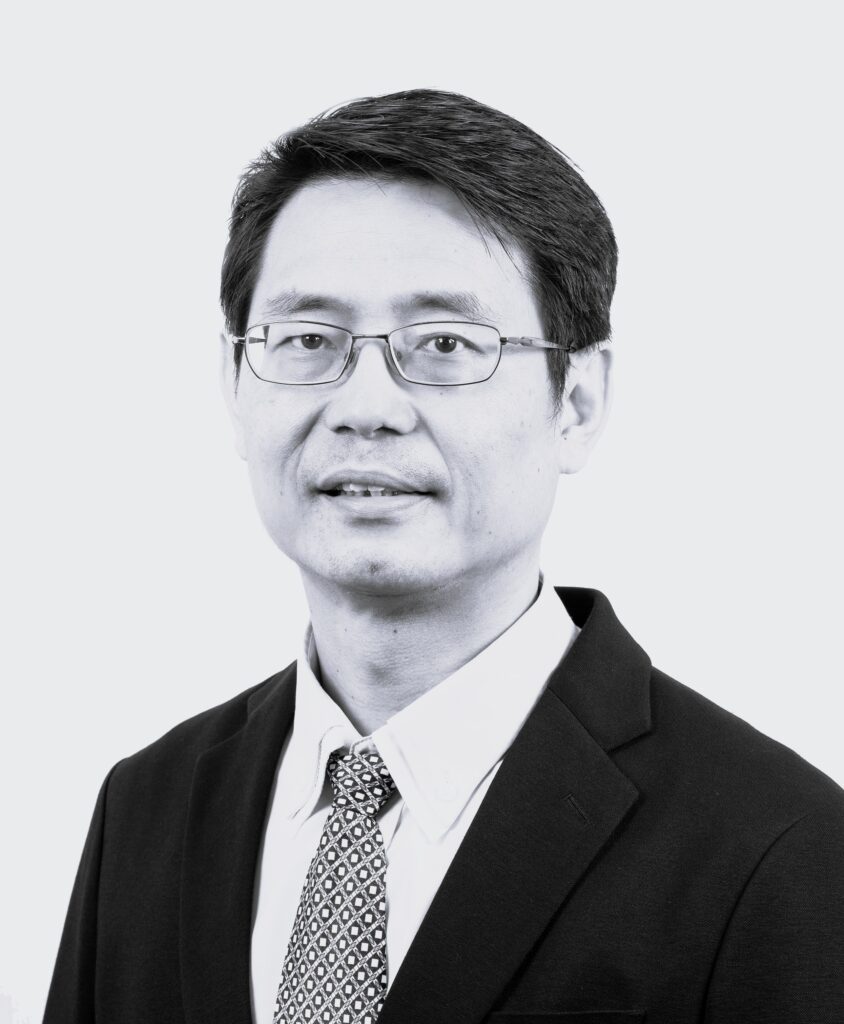
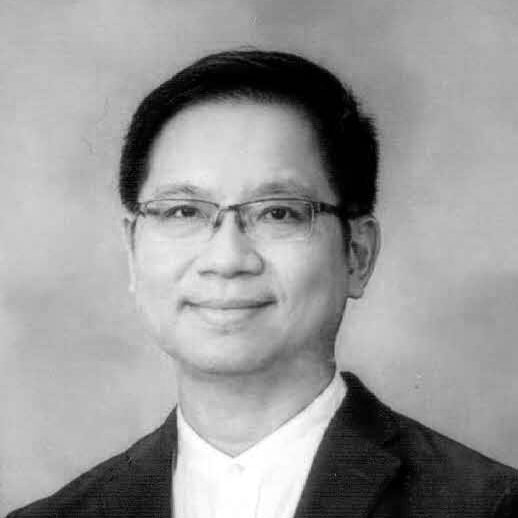
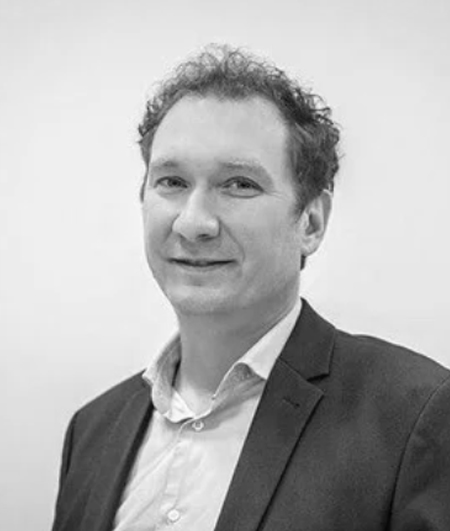
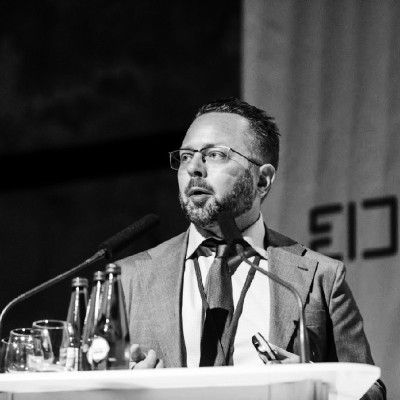
Conference Chairs

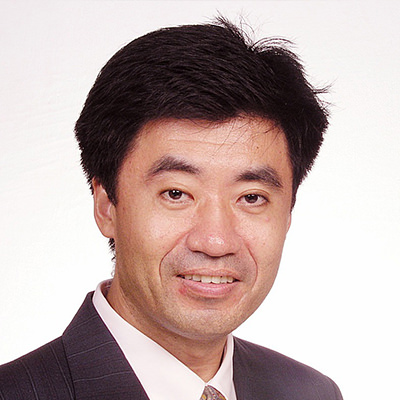
Prof. Shuzhi Sam Ge

National University of Singapore

Prof. Shuzhi Sam Ge

National University of Singapore

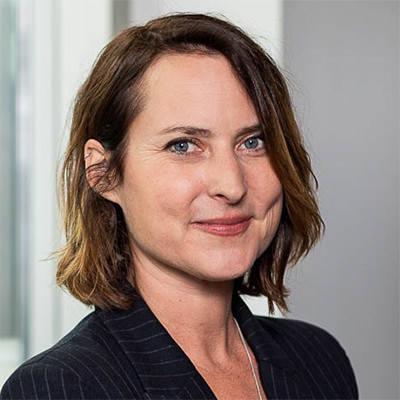
Prof. Eva Pejsova

Vrije Universiteit Brussel, Belgium

Prof. Eva Pejsova

Vrije Universiteit Brussel, Belgium

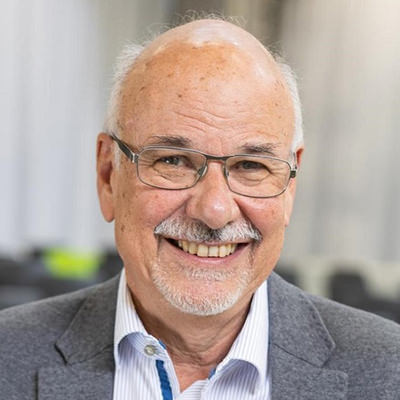
Prof. Sebastian Engell

ENRICH GLOBAL, TU Dortmund, Germany

Sebastian Engell

Prof. Sebastian Engell

TU Dortmund, Germany

Sebastian Engell

Dr. Franck Le Gall

EGM, France

Dr. Franck Le Gall

Dr. Franck Le Gall

EGM, France

Dr. Franck Le Gall

Check the

Agenda

Innovation Convergence Lab: Where Technology Push Meets Market Pull

This intensive 2.5-hour co-creation workshop is designed to bridge the gap between cutting-edge technology and real-world market needs. Interdisciplinary teams of technology developers, policy experts, and industry leaders from Europe and the Indo-Pacific will tackle two critical challenges: AI for Sustainable Cities and Resilient Digital Infrastructure. Using proven Design Thinking methodologies, participants will move from exploration to concrete prototyping, creating tangible outputs that could shape the future of digital collaboration.
The session is a structured innovation lab where technology push meets market pull. Each round table will become a mini-incubator, fostering unexpected collaborations that could lead to pilot projects, joint research initiatives, or policy breakthroughs. Participants will be expected to leave with actionable blueprints, potential partnerships, and a clear follow-up roadmap.
The workshop is limited to 100 participants across 10 collaborative tables. Secure your spot in this exclusive opportunity to co-create the digital future with leading experts from two of the world’s most innovative regions.

10.00 – 10.30

Arrival and registrations

10.30 – 11.30

Session #1 – Setting the scene and matchmaking

  • Warming-up introduction
  • Sleeping Beauties: Introduction to activities discovering sleeping (or dormant) digital technologies in Digital Infrastructure
    Youngsoo Yoo, The Institute of Information & Communications Technology Planning & Evaluation (IITP), South Korea
  • The EU Research collaboration framework: “10 min on Key priorities for 2026 workprogram”
  • Opportunities identification

11.30 – 12.00

Coffee Break

12.00 – 13.00

Session #2 – Building projects together

  • iHubs: a global network fostering co-creation 
    Dr. Alberto Abella, FIWARE Foundation, Spain 
  • Grouping along identified opportunities
  • Concepts refining

13.00 – 14.30

Lunch Break

Note:
Registered participants will be invited to join (non-mandatory) preparatory (10 October, 9:00-11:00 CET) and debriefing (28 November, 09:00-11:00 CET) sessions.

Opening Public Session

The 2025 International Digital Strategy for the European Union (EU) signals a decisive turn toward building a networked, value-driven digital order through a growing constellation of Digital Partnerships. These aim not only at advancing interoperable digital governance but also to foster multilateral innovation, strengthen competitiveness, and promote resilience in a rapidly evolving geopolitical and technological landscape. At the heart of this approach, the EU-Singapore Digital Partnership (EUSDP) serves as a key platform for piloting digital trust mechanisms, regulatory cooperation, and joint initiatives on topics ranging from Artificial intelligence (AI) to cross-border data flows. The recent EU-Singapore Digital Trade Agreement (EUSDTA) and the Administrative Arrangement (AA) on AI safety mark concrete achievements that reinforce the EU’s ability to work with like-minded partners across the Indo-Pacific. As digital power becomes increasingly contested, the EU and its partners must navigate the tensions between openness and security, as well as between regulatory alignment and strategic autonomy.

Setting the scene for the EU-Indo-Pacific Digital Partnership Conference 2025, this opening panel brings together senior experts from the EU, Singapore, and other key Indo-Pacific countries to reflect on the EU’s International Digital Strategy. What strategic opportunities can be leveraged to enhance joint competitiveness, security, and innovation? How can Digital Partnerships contribute to a more inclusive and rules-based digital order, while remaining agile amid growing geopolitical pressure and techno-nationalism? By focusing on both achievements and emerging obstacles, it will explore how the EU can operationalise its digital ambitions through trusted international cooperation and how Singapore and other Indo-Pacific partners can help shape this evolving multilateral digital ecosystem.

14.30 – 14.45

Welcome Remarks

  • George Loh, Associate Vice President (Strategic Partnership), National University of Singapore
  • Svetlana Klessova, Director, Research and Innovation Partnerships, G.A.C. Group, INPACE Project Coordinator, France

14.45 – 15.00

Opening Remarks

  • Sebastian Engell, Professor, TU Dortmund, ENRICH GLOBAL, INPACE Project, Germany

15.00 – 15.30

Keynote Addresses

  • Artis Bertulis, Ambassador-designate of the European Union to Singapore
15.30 – 15.50

Building an AI-First Nation

  • Laurence Liew, Director of AI Innovation, AI Singapore

15.50 – 16.10

Leading trustworthy AI globally: the EU approach
  • Valentina Ivanova, Deputy Director, CEA-List Institute, France

16.10 – 17.25

Panel Discussion: Connecting Digital Partnerships in the Indo-Pacific

Moderator

Eva Pejsova, Japan Chair, Centre for Security, Diplomacy and Strategy (CSDS), Brussels School of Governance (BSoG), Vrije Universiteit Brussel (VUB), Belgium

Speakers

  • Benjamin Ang, Senior Fellow, Head of the Centre for National Security (CENS), S. Rajaratnam School of International Studies (RSIS), Nanyang Technological University (NTU), Singapore
  • Raluca Csernatoni, Professor, Brussels School of Governance (BSoG), Vrije Universiteit Brussel (VUB); Fellow, Carnegie Europe, Belgium
  • Karthik Nachiappan, Research Fellow, Institute of South Asian Studies, National University of Singapore

17.25 – 17.30

Closing Remarks

Shuzhi Sam Ge, National University of Singapore

8.30 – 10.45

Semiconductors: Advanced Functionalities

Organiser

Francis Balestra, SiNANO Institute, France

Summary

Advanced functionalities in electronic systems, covering Smart Sensing, Power Electronics, Energy Harvesting for autonomous systems, and semiconductor-based photonics.

  • Semiconductor Flat Optics
    Son Tung Ha, IMRE, A*STAR, Singapore
  • Design of ultra low-power circuits and systems for distributed sensing and ubiquitous computing
    Massimo Alioto, National University of Singapore
  • Development of Smart Sensor Systems for Sustainable Agri-Good and the Environment
    Alan O’Riordan, Tyndall National Institute, Ireland
  • Artificial Sensory Neuron for In-Sensor Spiking Neural Network
    Joon-Kyu Han, Seoul National University, South Korea
  • ZnO thin film and nanowires for piezoelectric energy transducer applications
    Gustavo Ardila, University Grenoble-Alpes, France
  • On-Device AI Sensors: Gaussian Transistors and Light-Driven Spikes for Deepfake Detection and Forest Fire Monitoring 
    Hocheon Yoo, Hanyang University, South Korea

9.00 – 10.45

Taking 6G research collaboration between the EU and Singapore forward

Organiser

Adam Kapovits, Eurescom GmbH, Germany

Summary

This session will look at current 6G research activities in Europe and in Singapore, and is expected to identify shared interests and opportunities for potential collaboration.

  • Adam Kapovits, Eurescom GmbH, Germany
  • Prof. Tony Quek, Singapore University of Technology and Design (SUTD), Singapore
  • Dr. Francois Chin, A*STAR, Singapore
  • Prof. Mun Choon Chan, National University of Singapore

9.00 – 10.45

Human Centric and Sustainable Infrastructures for Resilience of Public Services

Organiser

Franck Le Gall, EGM, France

Summary

This session explores how digital technologies and data-driven innovation can help cities and nations reach their net zero carbon ambitions while improving quality of life. The session will examine examples of green digital infrastructure, federated local digital twins, identities management and urban service innovations from Europe and the Indo-Pacific.

  • Data Interoperability in Public Service
    Franck Le Gall, ETSI TC Data vice chair, France
  • Trends and International Standardization of Carbon-Neutral Cities
    Dr. Jiyoon Song, Korea Environment Institute, South Korea 
  • Cross-Domains Platform for Energy and Water Management at Scale
    Dr. Alberto Abella, FIWARE Foundation, Spain  

9.00 – 12.45

Closed-Door Policy Workshop:
AI Safety, Competitiveness,  Regional Outreach

Organisers

  • Eva Pejsova, Japan Chair, Centre for Security, Diplomacy and Strategy (CSDS), Brussels School of Governance (BSoG), Vrije Universiteit Brussel (VUB), Belgium
  • Raluca Csernatoni, Professor, Brussels School of Governance (BSoG), Vrije Universiteit Brussel (VUB); Fellow, Carnegie Europe, Belgium

Summary

Against the 2024 EU-Singapore Administrative Arrangement (AA) on AI Safety, this session explores how the EU’s risk-based AI Act and Singapore’s AI Verify toolbox, as well as the Global AI Assurance Sandbox for generative AI evaluations, can be integrated into collaborative “safety‑by‑design” pipelines. How can the AA underpin Horizon Europe opportunities, NUS and NTU-led testbeds, and industry sandboxes to align with the EU AI Act and Singapore’s AI Verify toolbox? Which joint research tracks, such as alignment methods, socio-technical risk indicators, and quantum‑secure guardrails, should be prioritised? How can standardisation work and open tools accelerate the adoption of trusted and safe AI while preserving strategic autonomy? The second session reframes the EU’s Digital Partnership as a regional multiplier in line with the goal of the EU’s new International Digital Strategy. It aims to examine Singapore’s potential as a regional hub in promoting high-level data‑protection and cybersecurity norms in ASEAN countries’ digital connectivity projects, by piloting interoperable data-protection standards, AI safety benchmarks, and SME compliance toolkits jointly with the EU. How can the EU-Singapore Digital Partnership become a “regional multiplier”? What are the opportunities and challenges in extending bilateral cooperation to ASEAN and beyond?

9:00 – 09:15 – Welcome and Scene Setter

Chairs

  • Eva Pejsova, Japan Chair, Centre for Security, Diplomacy and Strategy (CSDS), Brussels School of Governance (BSoG), Vrije Universiteit Brussel (VUB), Belgium
  • Raluca Csernatoni, Professor, Brussels School of Governance (BSoG), Vrije Universiteit Brussel (VUB); Fellow, Carnegie Europe, Belgium

Input Remarks

  • Benoît Sauveroche, First Counsellor, Delegation of the European Union to Singapore

9:15 – 10:45 – Session  1 | Safe and Trustworthy AI: Advancing Cooperation for Global Governance

Chair

  • Raluca Csernatoni, Professor, Brussels School of Governance (BSoG), Vrije Universiteit Brussel (VUB); Fellow, Carnegie Europe, Belgium

Input Remarks

  • Antonio Calcara, Centre for Security, Diplomacy, and Strategy (CSDS), Brussels School of Governance (BSoG), Vrije Universiteit Brussel (VUB), Belgium
  • Lam Kwok Yan, Digital Trust Centre (DTC), Strategic Centre for Research in Privacy-preserving Technologies & Systems (SCRIPTS), Singapore AI Safety Institute, Singapore
  • Chung Sang Hao, Infocomm Media Development Authority (IMDA), Singapore 

10.45 – 11.15

Coffee Break

11:15 – 12:30 – Session  2 | Revisiting Priorities: The EUSDP as a Regional Multiplier 

Chair

  • Eva Pejsova, Japan Chair, Centre for Security, Diplomacy and Strategy (CSDS), Brussels School of Governance (BSoG), Vrije Universiteit Brussel (VUB), Belgium

Input Remarks

  • Farlina Said, Institute of Strategic and International Studies (ISIS), Malaysia
  • Raluca Csernatoni, Brussels School of Governance (BSoG), Vrije Universiteit Brussel (VUB); Fellow, Carnegie Europe, Belgium
  • Jose Miguelito Enriquez, Centre for Multilateralism Studies, RSIS, Nanyang Technological University, Singapore
  • Karthik Nachiappan, Institute of South Asian Studies (ISAS), National University of Singapore

11.15 – 12.45

AI in Education

Organiser

Karolina Gyurovszka, Martel Innovate, Switzerland

Summary

This session will delve into the transformative impact of Artificial Intelligence on research and educational landscapes, with a specific focus on the crucial area of AI skills development. It will present the key findings from our comprehensive survey on AI skills, conducted across Europe, Japan, India, South Korea, and Singapore. These results offer a unique insight into regional strengths, challenges, and emerging needs in the AI talent pipeline. This session is a must for educators, policymakers, industry leaders, and anyone invested in the future of AI and learning.

  • Edmund Lim, Singapore Education Network, Singapore
  • Caterina Bortolaso, DIGITAL SME, Belgium
  • Prof. Natalya Shakhovska, Lviv Polytechnic National University, Ukraine
  • Prof. Ben Leong, National University of Singapore 

11.15 – 12.45

Secure Cloud-Edge-IoT Continuum and Protection of Infrastructures

Organiser

Dr. Monique Calisti, Martel Innovate, Digital for Planet, Switzerland

Summary

This session will address the critical security challenges emerging from the convergence of Cloud, Edge, and IoT technologiesthe “smart continuum” and their role for digital infrastructure protection. As digital services become more distributed, ensuring end-to-end security, data privacy, and resilience is paramount for building trust.

Speakers

  • High-Efficient Batteries for Critical Infrastructure Protection: Femtosecond Laser Nanostructuring
    Prof. Iaroslav Gnilitskyi, Lviv Polytechnic National University, Ukraine
  • Getting IoT Standards to Interwork
    Prof. Jaeseung Song, Sejong University, South Korea
  • Resilient Autonomous Driving Perception 
    Prof. Rui Tan, Nanyang Technological University, Singapore 

11.15 – 11.55

Semiconductors: Advanced Functionalities Part 2

Organiser

Francis Balestra, SiNANO Institute, France

Summary

Advanced functionalities in electronic systems, covering Smart Sensing, Power Electronics, Energy Harvesting for autonomous systems, and semiconductor-based photonics.

  • Gas sensors for health management using IoT devices
    Ken Uchida, Tokyo University, Japan

12.00 – 12.45

Semiconductors: Advanced Packaging and Heterogeneous Integration

Organiser

Francis Balestra, SiNANO Institute, France

Summary

Advanced packaging and heterogeneous integration for high performance, low power, low latency, miniaturisation, integration of new functionalities, and lower cost of electronic systems.

  • Wafer-scale photonics heterogeneous integration (PHI) platform towards 400G/lane optical transceiver
    Xianshu Luo, A*STAR, Singapore
  • Advanced packaging and heterogenous integration
    Mitsu Koyanagi, Tohoku University, Japan

12.45 – 13.30

Lunch Break

13.30 – 15.30

Trusted Cross-Regional Data Transactions

Organiser

Antonis Ramfos, Athens Technology Center, Greece

Summary

Trust is the foundation of the digital economy. As governments, businesses, and citizens increasingly interact across borders, ensuring secure, transparent, and reliable data transactions has become a strategic priority for both the EU and Indo-Pacific partners. By bringing together perspectives from policymakers, industry leaders, researchers, and innovators, the session will highlight key enablers, ongoing initiatives and regulatory approaches for interoperable and ethical data infrastructure in Europe and the Indo-Pacific, discuss challenges to data interoperability and trust, and identify opportunities for collaboration. The discussion will underline the role of Digital Product Passport as a key enabler for secured and interoperable data transactions as well as enabling innovation, competitiveness, and sustainable growth. 

  • The Value of Trust in Data Monetisation
    Richard Stevens, IDC, Italy 
  • Beyond Barcode: Integrating with FIWARE’s Open DPP Framework for Global EU and UN Interoperability
    Suna Akbayir, Artech International, Belgium 
  • Standardization of the EUDI Wallet
    Sebastian Elfors, IDnow Trust Services, Sweden 
  • Synthetic Data with Differential Privacy: Building Trust for Cross-Regional Data Transactions
    Xiaokui Xiao, National University of Singapore 
  • Building Bridges with Standards: Namirial’s Standardization Work in Cyber Resilience, Digital Wallets, and Trusted Ecosystems
    Filippo Giachi, Namirial, Singapore 

13.30 – 15.30

Development of Safe AI Solutions

Organisers

  • Marc Zeller, Siemens Mobility, Germany
  • Sebastian Engell, TU Dortmund, ENRICH GLOBAL, Germany

Summary

In many domains, as e.g. mobility (autonomous driving, driverless trains), health care, operation of production plants or of the power grid, the safety of AI-based solutions is a prime concern. The session will start with an overview of the aspects that have to be covered in the development process of safe AI solutions and then discuss specific methods and applications in different domains. At the end there will be a round-table discussion on streamlining approaches between Europe and the Indo-Pacific and perspectives for collaboration.


  • Assuring Safety of AI-based Systems: Overview and Lessons Learned in the Railway Domain  
    Marc Zeller, Siemens Mobility, Germany 
  • Stable AI for Autonomous Vehicles
    Shuzhi Sam Ge, National University of Singapore 
  • Beyond Accuracy: Robustness and Explainability for Industrial AI under Dynamic Conditions
    Gianluca Manca, Ruhr University Bochum, Germany 
  • Evaluating and Hardening Large Language Models
    Yong Liu, IHPC, A*STAR, Singapore 
  • AI for Early Detection of Mental Impairment in Children
    Ramesh Naidu Laveti, Centre for Development of Advanced Computing (C-DAC), India 

13.30 – 14.30

Semiconductors: Manufacturing, Supply Chains and International Cooperation

Organiser

Francis Balestra, SiNANO Institute, France

Summary

Manufacturing and Supply chains in the Semiconductor Industry, including green materials for sustainable electronics and International Cooperation to strengthen the economic resilience.

  • Supply and Value Chains & International Cooperation between Europe and Indo-Pacific
    Francis Balestra, SiNANO Institute, France
  • Forging a Collaborative Future: Europe-Indo-Pacific Partnership in Heterogeneous Semiconductor Packaging with Photonics
    Shankara Prasad, IIT Guwahati, India

14.30 – 15.30

Semiconductors: New Materials and Emerging Memories

Organiser

Francis Balestra, SiNANO Institute, France

Summary

New materials and Emerging memories, covering nanomaterials for various applications and emerging nanotechnologies and nanodevices. 

  • Modeling Framework for 2D-material FETs aimed at Sensing, Neuromorphic, and Secure Electronics
    Sheikh Aamir Ahsan, National Institute of Technology Srinagar, India
  • Nanotechnologies and Nanomaterials for Electronic and Photonic Applications 
    Tay Beng Kang, NTU, Singapore
  • Numerical Simulations of 2D Material-Metal Heterojunctions for Atomristors
    Alessandro Cresti, CNRS, France

13.30 – 15.30

Innovation Hubs to Foster the Application of Digital Technologies

Organiser

Vit Dockal, Czech Technical University & International Neurodegenerative Disorders Research Center, CLARA, Czech Republic

Summary

This session will explore how Innovation Hubs accelerate the uptake of digital technologies by offering access to expertise, testing facilities, funding, and training. Speakers will demonstrate how these hubs drive collaboration, skills development, and ecosystem growth, enabling SMEs and public organisations to adopt innovative solutions with reduced risk. The discussion will highlight their role in advancing digital transformation, competitiveness, and sustainability.

  • EIT, Testing and Experimentation Facilities (TEFs), and Best Practice Projects
    Valentina Ivanova, CEA-List Institute, France
  • European Digital Innovation Hubs (EDIHs) and Innovation Cohesion in the EU
    Anna Tahovská, Czech Institute of Informatics, Robotics and Cybernetics, Czech Technical University in Prague (CIIRC CTU), Czech Republic

  • Innovation Hubs in India: Driving Digital Transformation
    Senthilmurugan Subbiah, IIT Guwahati, India

  • Digital Industry & Digital Trust 
    Dr. S. D. Sudarsan, Centre for Development of Advanced Computing (C-DAC), India 

15.30 – 16.00

Coffee Break

16.00 – 16.45

Information on EU Research and Innovation Funding

Summary

This 45-minute session will provide an overview of European funding opportunities for research and innovation. The presentation will cover the Horizon Europe and EUREKA programs, highlighting their goals, funding schemes, and opportunities for collaboration. The session will also outline key eligibility criteria and the main application processes to help participants navigate these programs effectively. It will conclude with a Q&A, offering participants the chance to discuss specific questions and explore how to best engage with these funding instruments.
  • Dr. Monique Calisti
    Martel Innovate, Digital for Planet, Switzerland
  • Adam Kapovits
    Eurescom, Germany
  • Dr. Svetlana Klessova
    G.A.C. Group, France
  • Zi Yan Koe
    Enterprise Singapore

16.45 – 17.15

Closing Ceremony

17.15 – 18.30

Reception

Meet the

Speakers

alberto
Dr. Alberto Abella
FIWARE Foundation,
Spain

Dr. Alberto Abella is a Telecommunication engineer with an MBA and PhD in Economics who serves as Chief Operating Officer of FIWARE Foundation since March 2025, bringing decades of expertise in data modeling, open data strategies, and European R&D projects. He is recognized as a leading data modeling expert and technical evangelist, having pioneered the MELODA metric for assessing data reusability and authored influential reports on open data and open source in Spain since 2002. With over 20 years of professional experience across multiple companies and educational institutions, Dr. Abella specializes in the economic impact of open data, smart city technologies, and open innovation ecosystems.

Benjamin Ang
Benjamin Ang
CENS, RSIS, NTU,
Singapore
Benjamin Ang is Senior Fellow and Head of the Centre of Excellence for National Security (CENS), oversees Future Issues in Technology (FIT), as well as Head of Digital Impact Research (DIR) at RSIS. He leads the CENS policy research team that writes, publishes, and lectures internationally on national security issues related to cyber, international cyber norms, disinformation, cybercrime, foreign interference, hybrid threats, digital security, social cohesion, polarization, and social resilience. At FIT, he leads the team exploring policy issues in artificial intelligence, space, quantum technology, smart cities, biotechnology, and other emerging technologies. Through DIR, he networks with the wide array of RSIS experts who study the impact of digital technology into their respective security domains. He has given expert testimony at the United Nations Open Ended Working Group on Cyber, testified before Singapore’s Parliamentary Select Committee on Deliberate Online Falsehoods, and regularly lectures at the UN-Singapore Cyber Fellowship. Prior to this, he had a multi-faceted career that included time as a litigation lawyer arguing commercial cases, IT Director and General Manager of a major Singapore law firm, corporate lawyer specialising in technology law and intellectual property issues, in house legal counsel in an international software company, Director-Asia in a regional technology consulting firm, in-house legal counsel in a transmedia company, and senior law lecturer at a local Polytechnic, specialising in data privacy, digital forensics, and computer misuse and cybersecurity. Benjamin graduated from Law School at the National University of Singapore and has an MBA and MS-MIS (Masters of Science in Management Information Systems) from Boston University. He also serves as Co-Chief Data Officer of AI.Singapore, the national programme that builds national capabilities in AI, and volunteers on the Executive Committee of the Internet Society Singapore Chapter. He is qualified as an Advocate and Solicitor of the Supreme Court of Singapore and was a Certified Novell Network Administrator back in the day.
ARTIS BERTULIS
Artis Bertulis
Ambassador-designate of the European Union to Singapore

Ambassador-designate of the European Union (EU) to Singapore Artis BERTULIS assumed office on 1st September 2025.
Ambassador Bertulis is a career diplomat, who has held several key postings including as:

  • EU Ambassador to Guinea-Bissau (2022-August 2025)
  • Ambassador of Latvia to India (2018–2022), with accreditation to Sri Lanka
  • Ambassador of Latvia to Italy (2013–2018), with accreditation to Albania, Malta, and San Marino, and as Permanent Representative to the FAO
  • Ambassador of Latvia to Portugal (2007–2011), with accreditation as Ambassador to Brazil (2008–2011)
  • Ambassador of Latvia to Sweden (2001–2005)

From 2011 to 2013, he served as Director General for EU Affairs at the Ministry of Foreign Affairs, working closely with the Prime Minister on Latvia’s successful adoption of the Euro.
He served as Foreign Affairs Adviser to the Prime Minister of Latvia in 1994 and continued as Adviser to the Minister of Foreign Affairs until 1998. He was appointed Head of the State Protocol twice, from 1998 to 2001 and again from 2005 to 2007.
Ambassador Bertulis began his diplomatic career in 1991 as a member of the Foreign Affairs Committee of the newly independent Latvian Parliament. In 1992, he served as a research assistant at the North Atlantic Assembly in Brussels, and the following year joined the Latvian Foreign Service.
He has a Master’s degree in Physics. He completed postgraduate studies in international affairs at the University of Latvia and the Royal College of Defence Studies in London.
Ambassador Bertulis is fluent in English, Italian, Swedish, Portuguese and Russian, and has a working knowledge of French.
He is married to Esmeralda, and they have two adult children.

Raluca_Csernatonia
Raluca Csernatoni
BSoG, VUB, Carnegie Europe,
Belgium

Dr. Raluca Csernatoni is a professor with the Brussels School of Governance (BSoG) and its Centre for Security, Diplomacy and Strategy (CSDS) at Vrije Universiteit Brussel (VUB), Belgium. At the CSDS, she is also a senior researcher in the context of the EU-funded project Indo-Pacific-European Hub for Digital Partnerships: Trusted Digital Technologies for Sustainable Well-Being (INPACE). Csernatoni is currently a research fellow, working on European security and emerging technologies at Carnegie Europe in Brussels, Belgium. At Carnegie, she is a team leader and senior expert on new technologies for the EU Cyber Diplomacy Initiative – EU Cyber Direct (EUCD) project and leads Carnegie Euope’s research project on ‘The EU’s Techno-Politics of AI’ funded by the McGovern AI Grant. Since 2022, Csernatoni has joined as a visiting professor the Department of International Relations of Central European University (CEU) in Vienna, Austria. She holds a PhD in International Relations from Central European University.

Sebastian Engell
Sebastian Engell
TU Dortmund, ENRICH GLOBAL,
Germany

Sebastian Engell is Professor of Process Operations in the Department of Biochemical and Chemical Engineering at TU Dortmund. He has collaborated extensively with industry in EU-funded and national projects, recently e.g. in the German project KEEN that investigated the application of artificial intelligen­ce technologies and methods in the process industry and evalua­ted their technical, economical, and social potential.

Shuzhi Sam Ge
Shuzhi Sam Ge
National University of
Singapore

Prof. Dr. Shuzhi Sam Ge is the Director of the Social Robotics Lab, Interactive Digital Media Institute, and Supervisor of Edutainment Robotics Lab, Department of Electrical and Computer Engineering at the National University of Singapore. He will speak about the application of AI in robotics.

Dr Valentina Ivanova
Valentina Ivanova
CEA-List Institute,
France

Dr. Valentina Ivanova (F) is chemical engineer from Chemical Technological and Metallurgical University, Sofia, Bulgaria. She obtained her PhD degree in Physical Chemistry from the Institute of Physical Chemistry of Bulgarian Academy of Sciences, Sofia, Bulgaria. In the period 1999–2005 she was successively appointed as Senior Scientist at the Université Libre de Bruxelles, Belgium and at the University of Ulm, Germany, where her scientific activities were devoted on the development of new technique for metallization of thin organic films and molecular electronics. Since 2005, Dr Ivanova is employed at CEA, France. She was leading a research team in the domain of wide bandgap semiconductors, optoelectronics and nanostructured solar cells. She habilitated from Institut national polytechnique de Grenoble (INPG), France. Presently, is Deputy Director of CEA-List Institute, France, in charge of European and International affairs and is coordinating the project AI-METTERS (Artificial Intelligence Testing Experimentation Facilities (TEF) for Manufacturing). Dr Ivanova is member of the Board of the European Partnership Made in Europe. She published 60 scientific papers in scientific journals as Nature Materials, Advanced Materials, Advanced Energy Materials, is co-author of 10 patents, and is Fellow of Global School for Advanced Studies.

Svetlana Klessova
Svetlana Klessova
G.A.C. Group,
France

Dr. Svetlana Klessova, Director, Research and Innovation Partnerships at G.A.C. Group, France, is INPACE Project coordinator. She holds a PhD in innovation management and has 25+ years of experience in international collaboration in science, technology and innovation. Svetlana had leading roles in over 50 projects on world-wide level, especially in the USA, Asia, India, Europe, and the Mediterranean region. She has coordinated more than dozen multi-million European and international projects with industrial and academic partners developing innovative technologies, methods and tools, especially in energy efficiency, digital and environmental sectors. She has worked with policymakers to create environments that foster innovation, including support mechanisms for startups and research initiatives. She also contributed to the development of policies and practices that enhance collaboration and innovation across Europe and beyond – her expertise in managing large, multi-stakeholder projects has been particularly valuable in this context. Her academic papers received awards at international scientific conferences. In addition, Svetlana is experienced fundraiser and business development specialist. She is elected president of ENRICH GLOBAL, non-for-profit international association with motto “Taking European Innovation Global, and vice versa”

Laurence Liew
Laurence Liew
AI,
Singapore

Laurence Liew is a distinguished AI innovator and thought leader who has played a pivotal role in shaping Singapore’s AI landscape. As the Director of AI Innovation at AI Singapore, he spearheads groundbreaking initiatives that are transforming Singapore into a leading AI-First nation. With over 30 years of experience in technology leadership, Laurence is the architect of several nationally significant programs, including:

  • The 100 Experiments (100E) programme, which bridges the gap between academic AI research and industry implementation.
  • The award-winning AI Apprenticeship Programme (AIAP), which has become Singapore’s premier AI talent development initiative.
  • LearnAI, a comprehensive national initiative that has exposed over 200,000 Singaporeans to AI through various programmes.

On the international stage, Laurence co-chairs the Global Partnership on AI’s (GPAI) Innovation and Commercialisation Working Group, focusing on the broad adoption of AI by SMEs worldwide. His expertise is sought after by countries looking to develop their AI capabilities, with several nations adopting AI Singapore’s programmes through the AIAP-X initiative.
Prior to AI Singapore, Laurence held key leadership positions at major technology companies, including serving as General Manager at Revolution Analytics (acquired by Microsoft). His entrepreneurial success and technical expertise in high-performance computing, open-source software, and AI have established him as a respected voice in the technology industry.
Laurence is the author of “AI-First Nation: A Blueprint for Policy Makers and Organisation Leaders,” which provides practical insights for organizations and nations embarking on their AI journey. He is a compelling speaker who combines deep technical knowledge with practical business acumen, making complex AI concepts accessible to diverse audiences.

George Loh
George Loh
National University of
Singapore

Mr George Loh is Associate Vice President (Strategic Partnership) at the National University of Singapore (NUS), leading the Strategic Partnership Office (SPO) to shape governance structures supporting strategic programmes and cultivate partnerships with the University’s stakeholders. Concurrently, he drives strategic initiatives and fosters industry collaborations at the Office of Deputy President (Research & Technology).

George joined NUS in 2020 as Senior Director (Strategic Collaboration and Partnership). Prior to this, he had an extensive career spanning over 30 years in Singapore’s public sector, holding key appointments in the Defence Science and Technology Agency, Ministry of Defence (MINDEF), and National Research Foundation (NRF).

George has a wealth of experience in fostering global partnerships, having led defence technology collaborations and research and development (R&D) programmes with various countries including the United States, United Kingdom and Australia. During his tenure at the NRF, he contributed to the development of Singapore’s R&D strategy and capabilities, spearheading key initiatives such as the Quantum Engineering Programme, AI Singapore, and National Cybersecurity R&D Programme. Additionally, he facilitated partnerships with academia and industry to foster technology transfer and research collaborations. In 2017, George received the Public Administration Medal (Silver) in recognition of his outstanding contributions to the nation.

George graduated from The Ohio State University in 1983 with a bachelor’s degree in Computer Engineering. He was granted the Defence Technology Training Award in 1993 to pursue a Master of Science in Industrial Systems Engineering at the University of Southern California.

Karthik Nachiappan
Karthik Nachiappan
National University of
Singapore

Dr. Karthik Nachiappan is a Research Fellow at the Institute of South Asian Studies, National University of Singapore. He previously worked for the Global Issues Team at UNDP China in Beijing and the Centre on Asia and Globalisation at the National University of Singapore. He holds a Bachelor’s degree in Public Policy and Politics from the University of Toronto, and a PhD in South Asian Studies from King’s College London. His areas of expertise include Indian Foreign Policy, India’s Technology Policy, India’s Political Economy of Development and International Political Economy. More specifically, his research focuses on India’s Geoeconomics, how issues like trade, technology, and climate change affect Indian foreign policy.

Eva Pejsova
Eva Pejsova
CSDS, BSoG, VUB
Belgium

Dr Eva Pejsova is Japan Chair at the Centre for Security, Diplomacy and Strategy (CSDS) of the Brussels School of Governance (BSoG) and Associate Fellow at the French “Fondation pour la Recherche Stratégique” (FRS). Until 2019, Dr Pejsova was Senior Analyst for Asia at the European Union Institute for Security Studies (EUISS), the EU’s official agency for foreign and security policy research and analysis. She holds a PhD in Strategic Studies from the S. Rajaratnam School of International Studies (RSIS) in Singapore and has previously worked with the Czech Ministry of Foreign Affairs, the French Prime Minister’s Office, the OECD, and the Asia-Europe Foundation (ASEF). Dr Pejsova regularly lectures at SciencesPo (Paris School of International Affairs) in Paris, the Geneva Centre for Security Studies (GCSP), as well as briefs the Members of the European Parliament. 

Youngsoo Yoo
Youngsoo Yoo
IITP,
South Korea

Mr. Youngsoo YOO is currently in charge of Strategy planning of Digital Infrastructure Division. Youngsoo YOO started his professional career in 2010 as Researcher for ICT R&D Planning and Evaluation in the KCA (Korean Communication Agency) after graduating on ICM (Institute de communication et des medias) of France as Master. He contributed to a research on the procedure of ICT R&D planning and evaluation. In 2014 He continued a career, which is for supporting the Start-up to go to the world in the ICT sector for 2 years in the Bon2Global, as well. Since 2015 Youngsoo YOO worked within IITP for the evaluation and management of KOR-EU Joint Call. Since then, his main studies have focused on the Planning of Technology Roadmap and future technology, Social problem R&D by ICT etc.

Benoît Sauveroche
Benoît Sauveroche
First Counsellor, Delegation of the European Union to Singapore

Benoît Sauveroche is First Counsellor at the European Union Delegation to Singapore. Since June 2023, he is overseeing cooperation between the EU and Singapore in the areas Communication Networks, Contents and Technology; Research and Innovation; and Transport and Mobility. He is supporting activities pertaining to the EU-Singapore Digital Partnership.
Benoît was previously posted at the EU Delegation in New Delhi, where he was also in charge of the policy dialogue between India and the EU in fields related to the digital transformation.

alberto
Dr. Alberto Abella
FIWARE Foundation,
Spain

Dr. Alberto Abella is a Telecommunication engineer with an MBA and PhD in Economics who serves as Chief Operating Officer of FIWARE Foundation since March 2025, bringing decades of expertise in data modeling, open data strategies, and European R&D projects. He is recognized as a leading data modeling expert and technical evangelist, having pioneered the MELODA metric for assessing data reusability and authored influential reports on open data and open source in Spain since 2002. With over 20 years of professional experience across multiple companies and educational institutions, Dr. Abella specializes in the economic impact of open data, smart city technologies, and open innovation ecosystems.

Sheikh Aamir Ahsan
Sheikh Aamir Ahsan
National Institute of Technology Srinagar Srinagar, India

Sheikh Aamir Ahsan possesses expertise in state-of-the-art RF and power GaN SPICE models and simulation. Originating from the development of the ASM GaN model during his doctoral studies at IIT Kanpur, his team at NITSRI leads the advancement of power and RF GaN technology through modeling and design enablement frameworks. Acting as a consultant for diverse industrial entities, his GaN research seamlessly integrates into commercial SPICE simulators, influencing the trajectory of GaN product development and application globally. He also has a keen interest in 2D material FET model development – aiming for sensing, memory and neuromorphic applications. He was awarded the Startup Research Grant in 2019 by the Science and Engineering Research Board, and presently leads the ANRF PAIR-B with NITSRI as one of the spoke institutions.
Suna Akbayir
Suna Akbayir
Artech International,
Belgium
Suna Akbayir is Turkish & Belgian tech entrepreneur and innovation strategist with a long and robust international presence in Europe’s R&D and innovation ecosystem. As the Founder and CEO of Artech International BV (Belgium & Turkey) and Beyond Barcode (Belgium & Switzerland); both of them are based in Brussels. She leads a dynamic consulting and technology team specializing in AI-driven solutions and a dedicated startup for Digital Product Passports (DPPs), and regulatory technology (RegTech) across key sectors such as automotive, electronics, and healthcare.

With deep expertise in R&D funding, technology transfer, and business development, she has led and contributed to multi-million-euro EU-funded projects, working closely with global industry leaders, SMEs, and policymakers. Through Artech, she has been at the forefront of innovation commercialization and market expansion, positioning the company as a key partner in Horizon Europe, Eureka, ITEA, and Celtic+ initiatives. Her expertise spans advisory roles, project evaluations, and mentoring for startups, SMEs, and research institutions, with a focus on bridging technology, business, and policy to drive real-world impact. She is known for her pragmatic approach and strategic foresight, actively shaping Europe’s innovation landscape. She has also been acting as the principal R&D consultant for International Programs for Vestel Electronics, Vestel Home Appliances, Koç Sistem, Koç Digital, and Sestek; University of Maastrciht, RWTH Aachen etc.
She holds an MBA and a bachelor’s degree in Political Science and International Relations and speaks English, French, and Turkish.

Massimo_
Massimo Alioto
National University of
Singapore

Massimo Alioto is Provost’s Chair Professor at the ECE Department of the National University of Singapore, where he leads the Green IC group and the Integrated Circuits and Embedded Systems area. Previously, he held positions at the University of Siena, Intel Labs – CRL (2013), University of Michigan – Ann Arbor (2011-2012), University of California – Berkeley (2009-2011), EPFL – Lausanne.
He is (co)author of 400 publications on journals and conference proceedings, and four books with Springer (with two more coming). His primary research interests include ultra-low power and self-powered systems, green computing, circuits for machine intelligence, hardware security, and emerging technologies.
He was the Editor in Chief of the IEEE Transactions on VLSI Systems and Deputy Editor in Chief of the IEEE Journal on Emerging and Selected Topics in Circuits and Systems. He was the Chair of the Distinguished Lecturer Program for the IEEE CAS Society, and was a Distinguished Lecturer for the SSC and CAS Society. Previously, Prof. Alioto was the Chair of the “VLSI Systems and Applications” Technical Committee of the IEEE Circuits and Systems Society (2010-2012). He served as Guest Editor of numerous journal special issues (JSSC, TCAS-I, JETCAS…), Technical Program Chair of several IEEE conferences (ISCAS, SOCC, PRIME, ICECS), and TPC member (ISSCC, ASSCC). His research group contribution has been recognized through various best paper awards (e.g., ISSCC), and in the ten technological highlights of the TSMC annual report, among the others. Prof. Alioto is an IEEE Fellow.

Gustavo Ardila
Gustavo Ardila
University Grenoble-Alpes,
France

Gustavo Ardila received his BS in electronic engineering and physics from the University of Andes, Colombia in 2002 and 2003, respectively, and his MS in microelectronic and microsystems circuit conception from the National Institute of Applied Science (INSA) in Toulouse, France in 2004. He received his PhD degree in Electrical Engineering in 2008 from the Paul Sabatier University in Toulouse. After 1 year of postdoctoral position in LAAS-CNRS laboratory in Toulouse, in 2009 he became Associate Professor at the Grenoble Alpes University and a researcher at CROMA, Grenoble, France. He is or was involved in several French and European projects related to energy harvesting or sensing applications using piezoelectric materials. He presently leads the European team to develop the Roadmap of Energy Harvesting technologies contributing to the IEEE IRDS (International Roadmap for Devices and Systems). He is member of the editorial board of the “Energy” section of ISTE-Wiley publisher.

Francis Balestra
Francis Balestra
CNRS & SiNANO Institute,
France

Francis Balestra, CNRS Research Director at CROMA, is Director Emeritus of the European SINANO Institute and President of IEEE Electron Device Society France, and has been Director of several Research labs. He coordinated several European Projects (NEREID, NANOFUNCTION, NANOSIL, etc.) that have represented unprecedented collaborations in Europe in the field of Nanoelectronics, and is currently coordinator of the Horizon Europe ICOS project dedicated to International Cooperation on Semiconductors with leading semiconductor countries. He founded and organized many international Conferences, and has co-authored more than 500 publications. He is member of several European Scientific Councils, of the Advisory Committees of International Journals and of the IRDS (International Roadmap for Devices and Systems) International Roadmap Committee, as representative of Europe.

Caterina Bartolaso
Caterina Bortolaso
DIGITAL SME,
Belgium

Caterina joined DIGITAL SME as Project Manager, supporting the work of the organization on projects related to skills and smart communities. She coordinates the Working Group on Skills, the Focus Group on Smart Communities, and leads SMARCO, a Blueprint Project uniting 21 organisations from 14 countries to develop future-ready skills for engineers and public procurers. She also coordinates the Digital Large Scale Partnership within the Pact for Skills and contributes to the Digital Skills and Jobs Platform, the two most relevant EU initiatives related to digital skills development. A qualified lawyer with a Law degree from the University of Trento, she holds the International Master in European Studies and has extensive experience in EU-funded project management under Erasmus+.

Antonio Calcara
Antonio Calcara
CSDS, BSoG, VUB,
Belgium
Monique Calisti
Dr. Monique Calisti
Martel Innovate, Digital for Planet,
Switzerland
Dr. Monique Calisti is the CEO of Martel Innovate and the President of Digital for Planet. She is a passionate entrepreneur and ICT expert with consolidated experience in research and innovation funding, strategic consulting, communication and business development of sustainable innovative solutions across several industry segments. With extensive domain knowledge in Artificial Intelligence and Next Generation Internet, Monique is engaged in several projects focusing on definition and development of advanced, human-centric, and green digital technologies.Monique holds a Ph.D. in Artificial Intelligence (Swiss Federal Institute of Technology of Lausanne, Switzerland), and a Ph.D. in Telecommunications Engineering (University of Bologna, Italy).
chanmc
Prof. Mun Choon Chan
National University of
Singapore

Mun Choon graduated with a BS in Computer and Electrical Engineering from Purdue University with highest distinction in 1990, MSEE in 1993 and Ph.D. in 1997, both from Columbia University. In Columbia, he was a member of the comet group and worked under the supervision of Prof. Aurel A. Lazar on large scale network emulation, network management and programmable network. From 1997 to 2003, he was a Member of Technical Staff in the Networking Research Laboratory, Bell Labs, Lucent Technologies. In Bell Labs, he worked on network management and wireless data transport over cellular network. His work in Bell Labs includes highly cited work on TCP/IP performance over 3G wireless links (MobiCom 2012) and a US patent on cache-based compaction technique that has more than 210 patent citations (US Patent 6,178,461). He joined NUS in 2004 and is currently a Professor in the School of Computing. He is a member of the Communication and Internet Research Lab, and his research areas cover sensor network protocols, mobile sensing and programmable network. He has received best paper awards in IEEE ICNP 2019, ACM SOSR 2019 and ICDCN 2016 (networking track). He has also served on the Technical Program Committees of INFOCOM, ICNP, Sensys and IPSN. He has graduated 21 PhD students, served as the Associate Editor of IEEE Transaction on Mobile Computing, published more than 100 conference/journal papers and has been awarded 7 US patents.

Org Pic Francois side
Dr. Francois Chin
A*STAR,
Singapore

Francois serves as the Head of Communications and Networks Dept in the Institute for Infocomm Research, under Agency for Science, Technology and Research (A*STAR).  He leads numerous teams in future communications R&D and end-to-end solution development for applications aligned with national strategic interests.  He has been an active contributor to various wireless standardisation activities, including 3GPP LTE, IEEE WiFi  standards. He is also a co-recipient of various international and local engineering and standardization awards, granted patents, and an IEEE Best Conference Paper Award.

Chung Sang Hao
Chung Sang Hao
Infocomm Media Development Authority (IMDA), Singapore

Chung Sang Hao is Deputy Director (AI Governance and Safety – Industry) from the

Infocomm Media Development Authority (IMDA), Singapore. He has experience in developing practical AI governance frameworks and tools to help industry implement responsible AI. His current focus is on building an ecosystem for AI assurance and testing to enable trustworthy AI.

Alessandro-Cresti
Alessandro Cresti
CNRS,
France

Alessandro Cresti obtained his doctorate in physics from the University of Pisa in 2006. Since 2011, he has been employed as a researcher at CNRS, France. He has developed a suite of full-quantum tools for simulating electronic transport in nanostructures, with a particular focus on both the fundamentals and the applied aspects of 2D materials, including graphene and transition metal dichalcogenides. His current interests are focused on the application of novel concepts in the Beyond CMOS domain, with a particular emphasis on the utilization of innovative materials in memory and logic devices. He also served as the scientific coordinator of the book “Beyond-CMOS – State of the Art and Trends”, which provides a comprehensive overview of the physics and outlook of emerging electronic technologies. 

Raluca_Csernatonia
Raluca Csernatoni
BSoG, VUB, Carnegie Europe,
Belgium

Dr Raluca Csernatoni is a professor with the Brussels School of Governance (BSoG) and its Centre for Security, Diplomacy and Strategy (CSDS) at Vrije Universiteit Brussel (VUB), Belgium. At the CSDS, she is also a senior researcher in the context of the EU-funded project Indo-Pacific-European Hub for Digital Partnerships: Trusted Digital Technologies for Sustainable Well-Being (INPACE). Csernatoni is currently a research fellow, working on European security and emerging technologies at Carnegie Europe in Brussels, Belgium. At Carnegie, she is a team leader and senior expert on new technologies for the EU Cyber Diplomacy Initiative – EU Cyber Direct (EUCD) project and leads Carnegie Euope’s research project on ‘The EU’s Techno-Politics of AI’ funded by the McGovern AI Grant. Since 2022, Csernatoni has joined as a visiting professor the Department of International Relations of Central European University (CEU) in Vienna, Austria. She holds a PhD in International Relations from Central European University.

 
Vit Dočkal
Vit Dočkal
Czech Technical University,
Czech Republic

V. Dočkal is co-founder, founding director, and Executive Board member of the International Neurodegenerative Disorders Research Center (INDRC). He is the Project Coordinator and Principal Investigator of CLARA – the Center for Artificial Intelligence and Quantum Computing in System Brain Research (EUR 43M), currently serving as the CLARA COO and General Project Manager. Vit, former head of the Project Management Office (PMO) at CIIRC CTU in the years 2013-2021 is still having a joint appointment at CIIRC CTU thus promoting common research and development projects. Vit´s expertise covers the agenda of strategic R&D project management, innovation management, and legal aspects. As the head of the PMO, he led the project team of this R&D facility at CTU thus contributing to reaching and implementing EUR 120M (ESIF, H2020, HE, and other funding programs) for the capacity building of the CIIRC CTU in its start-up and rump up phase.

Sebastian Elfors
Sebastian Elfors
IDnow Trust Services,
Sweden
In his current role as CSO and senior architect at IDnow Trust Services, Sebastian is a member of the European standardization organizations CEN TC/224, ETSI ESI and ENISA EUDIW AHWG, where he is the editor of several standards related to eIDAS2. He has also participated in the FIDO Alliance, IATA OneID, OpenWallet Foundation and W3C where he contributed to specifications of digital identity credentials.
Enriquez Jose Miguelito
Jose Miguelito Enriquez
Nanyang Technological University,
Singapore

Jose Miguelito Enriquez is Associate Research Fellow at the Centre for Multilateralism Studies of S. Rajaratnam School of International Studies (RSIS), Nanyang Technological University. His current research focus is on digital economy governance in ASEAN, covering issues such as data governance, AI governance, and digital competition policy. He has also written on Philippine foreign policy and populist foreign policy. He earned his MSc (International Relations) from RSIS in 2023 and his BA in Political Science (Cum Laude) from the University of the Philippines Manila in 2019.

Shuzhi Sam Ge
Shuzhi Sam Ge
National University of
Singapore

Prof. Dr. Shuzhi Sam Ge is the Director of the Social Robotics Lab, Interactive Digital Media Institute, and Supervisor of Edutainment Robotics Lab, Department of Electrical and Computer Engineering at the National University of Singapore. He will speak about the application of AI in robotics.

FG_CPFG_0037r
Filippo Giachi
Namirial,
Singapore

Filippo is an entrepreneur and digital innovation leader with extensive experience in fintech, digital trust, and compliance. He has co-founded and scaled businesses across Asia and Europe, combining ultrafast-paced growth with deep understanding of regulatory frameworks. He contributes to the Singapore Institute of Directors’ digital committee on matters of digital compliance and resilience. At Namirial, Filippo leads the company’s expansion in Asia, supporting financial institutions, enterprises, and governments in accelerating digital adoption. His work bridges entrepreneurship, regulation, technology and sustainability, offering a distinctive perspective on how digital transformation can drive growth and trust across the region’s digital economy.

yaroslav-gnilickiy-t
Prof. Iaroslav Gnilitskyi
Lviv Polytechnic National University,
Ukraine

Dr. Iaroslav Gnilitskyi is an Associate Professor at Lviv Polytechnic National University and co-founder of the NoviNano startup, specializing in femtosecond-laser nanostructuring. He earned his PhD at the University of Modena and Reggio Emilia (Italy) in 2017 and later held positions at Adam Mickiewicz University, INFN Rome, and King’s College London as a British Academy Fellow. His pioneering research in laser surface modification technologies has led to several major European projects, including MILEDI, NanoSurf, and LASER_PRO. In 2025, he was a Visiting Professor at Drexel University, working on next-generation batteries and supercapacitors, and has authored over 60 papers in peer-reviewed journals.

Tony
Dr. (Tony) Son Tung Ha
IMRE, A*STAR,
Singapore

Dr. (Tony) Son Tung Ha received his Ph.D degree in Applied Physics from the School of Physical and Mathematical Sciences, Nanyang Technological University (Singapore) in 2018. He is currently a principal Investigator and deputy Head of Advanced Optical Technologies Department at the Institute of Material Research and Engineering, A*STAR, Singapore. He also holds a joint-appointment and leads several flat-optics projects at the National Semiconductor Translation and Innovation Center (NSTIC). Dr. Ha’s research has been recognized globally with a number of prestigious awards such as Young Individual Research Grant Award (2021, by Singapore); Next ASEAN Innovator (2023, by the Korean Ministry of Science and ITC); Discovery Early Career Researcher Award (2024, by Australian Research Council); and Rising Stars in Optics (2024, by Journal of Optics – IOP Science Publisher, UK).

Joon-Kyu Han
Joon-Kyu Han
Seoul National University,
South Korea

Prof. Joon-Kyu Han is Assistant Professor in System Semiconductor Engineering and Department of Electronic Engineering at Sogang University. His research focuses on (1) neuromorphic device & system, (2) nano CMOS for logic & memory, and (3) 3D integration. He graduated Summa Cum Laude from Korea Advanced Science and Technology (KAIST) in 2017 with a Bachelor of Science in Electrical Engineering. He obtained his Master’s and Ph.D. in Electrical Engineering at the KAIST in 2019 and 2023, respectively. He was a postdoctoral researcher at Seoul National University and visiting scholar at Harvard University from 2023 to 2024. He received Ph.D. Dissertation Award at KAIST College of Engineering and Excellent Paper Awards from Samsung Electronics in 2021 and 2022.

Dr Valentina Ivanova
Valentina Ivanova
CEA-List Institute,
France

Dr. Valentina Ivanova (F) is chemical engineer from Chemical Technological and Metallurgical University, Sofia, Bulgaria. She obtained her PhD degree in Physical Chemistry from the Institute of Physical Chemistry of Bulgarian Academy of Sciences, Sofia, Bulgaria. In the period 1999–2005 she was successively appointed as Senior Scientist at the Université Libre de Bruxelles, Belgium and at the University of Ulm, Germany, where her scientific activities were devoted on the development of new technique for metallization of thin organic films and molecular electronics. Since 2005, Dr Ivanova is employed at CEA, France. She was leading a research team in the domain of wide bandgap semiconductors, optoelectronics and nanostructured solar cells. She habilitated from Institut national polytechnique de Grenoble (INPG), France. Presently, is Deputy Director of CEA-List Institute, France, in charge of European and International affairs and is coordinating the project AI-METTERS (Artificial Intelligence Testing Experimentation Facilities (TEF) for Manufacturing). Dr Ivanova is member of the Board of the European Partnership Made in Europe. She published 60 scientific papers in scientific journals as Nature Materials, Advanced Materials, Advanced Energy Materials, is co-author of 10 patents, and is Fellow of Global School for Advanced Studies.

Adam-Kapovits_bw
Adam Kapovits
Eurescom GmbH,
Germany

Adam Kapovits is Progamme Manager at Eurescom GmbH. He was involved and supported the European 5G Public Private Partnership and led the Internet of Radio Light project of the programme, and initiated the 6G BRAINS project. Adam currently leads the OPTI-6G project within the European Smart Networks and Services Joint Undertaking. Notably, Adam is also active regarding the convergence of terrestrial and non-terrestrial networks in the 5G/6G context and has led and leads several projects for the European Space Agency. Adam is the co-author of several papers on 5G and 6G topics, and the co-organiser of a series of workshops in collaboration with the European Space Agency.

Svetlana Klessova
Dr. Svetlana Klessova
G.A.C. Group,
France

Dr. Svetlana Klessova, Director, Research and Innovation Partnerships at G.A.C. Group, France, is INPACE Project coordinator. She holds a PhD in innovation management and has 25+ years of experience in international collaboration in science, technology and innovation. Svetlana had leading roles in over 50 projects on world-wide level, especially in the USA, Asia, India, Europe, and the Mediterranean region. She has coordinated more than dozen multi-million European and international projects with industrial and academic partners developing innovative technologies, methods and tools, especially in energy efficiency, digital and environmental sectors. She has worked with policymakers to create environments that foster innovation, including support mechanisms for startups and research initiatives. She also contributed to the development of policies and practices that enhance collaboration and innovation across Europe and beyond – her expertise in managing large, multi-stakeholder projects has been particularly valuable in this context. Her academic papers received awards at international scientific conferences. In addition, Svetlana is experienced fundraiser and business development specialist. She is elected president of ENRICH GLOBAL, non-for-profit international association with motto “Taking European Innovation Global, and vice versa”

Zi Yan Koe
Zi Yan Koe
Enterprise Singapore,
Singapore
Mitsumasa-Koyanagi
Mitsu Koyanagi
Tohoku University,
Japan

He received Ph.D. degrees from Tohoku University in 1974 and then joined Hitachi where he invented a stacked capacitor memory device which has been widely used in the DRAM production. In 1985, he joined the Xerox Palo Alto Research Center. In 1988 he joined Hiroshima University where he proposed 3D integration technology based on wafer-to-wafer bonding and TSV for the first time in 1989. In 1994, he returned to Tohoku University as a professor where his interests have been 3D integration, optical interconnection, nano-CMOS device, retinal prosthesis chip and neural prosthesis AI chip. He was awarded IEEE Nishizawa Medal, IEEE Cledo Brunetti Award, IEEE Rao Tummala (EPS) Award. He was also awarded the National Medal Order of the Sacred Treasure, the National Medal with Purple Ribbon, the Award of Ministry of Education, Culture, Sports, Science and Technology in Japan. He is an IEEE life fellow.

Lam Kwok Yan
Lam Kwok Yan
DTC, SCRIPTS, Singapore AI Safety Institute,
Singapore

Professor Lam is the Associate Vice President (Strategy and Partnerships) and Professor in the College of Computing & Data Science at the Nanyang Technological University (NTU), Singapore. Professor Lam Kwok Yan is a renowned Cyber Security researcher and practitioner. Professor Lam has collaborated extensively with law-enforcement agencies, government regulators, telecommunication operators and financial institutions in various aspects of Infocomm and Cyber Security in the region. He is currently also the Executive Director of the National Centre for Research in Digital Trust (DTC), Director of the Strategic Centre for Research in Privacy-Preserving Technologies and Systems (SCRiPTS), and Director of NTU’s SPIRIT Smart Nation Research Centre. From August 2020 to August 2023, Professor Lam was also on part-time secondment to the INTERPOL as a Consultant at Cyber and New Technology Innovation. He served as the Director of the Nanyang Technopreneurship Center 2019-2022, and as Program Chair (Secure Community) of the Graduate College at NTU 2017-2019. Professor Lam has been a Professor of the Tsinghua University, PR China (2002-2010) and a faculty member of the National University of Singapore and the University of London since 1990. He was a visiting scientist at the Isaac Newton Institute of the Cambridge University and a visiting professor at the European Institute for Systems Security. In 2018, Professor Lam founded TAU Express Pte Ltd, an NTU start-up which specializes in AI and Data Analytics technologies for Smart Cities applications. TAU is a spin-off of the Intelligent Case Retrieval System project, a collaboration between NTU and the Singapore Supreme Court. In 1997, he founded PrivyLink International Ltd, a spin-off company of the National University of Singapore, specializing in e-security technologies for homeland security and financial systems. In 2012, he co-founded Soda Pte Ltd which won the Most Innovative Start Up Award at the RSA 2015 Conference. In 1998, he received the Singapore Foundation Award from the Japanese Chamber of Commerce and Industry in recognition of his R&D achievement in Information Security in Singapore. Prof Lam received his B.Sc. (First Class Honours) from the University of London in 1987 and his Ph.D. from the University of Cambridge in 1990. His research interests include Distributed Systems, IoT Security Infrastructure and Cyber-Physical System Security, Distributed Protocols for Blockchain, Biometric Cryptography, Quantum Computing, Homeland Security and Cybersecurity. In 2020, he authored a Technical Report on the “Application of Quantum Computers for Law Enforcement and Security Communications” for a Singapore Government ministry. Professor Lam is the recipient of the 2022 Singapore Cybersecurity Hall of Fame Award.

Ramesh Naidu Laveti
Ramesh Naidu Laveti
Centre for Development of Advanced Computing (C-DAC), India
Mr. Ramesh, Currently working as Scientist-F – Artificial Intelligence @ C-DAC Bangalore, has more than 19-years of experience in AI, Big Data Analytics and Scientific Computing. Actively involved in initiating and executing projects in various domains such as Secure AI, AI for Cybersecurity, Computational Neuropathology, AI for Mental Health & Psychiatry, Math Kernels and Parallel computing solutions for weather domain. Lately, his focus has been on AI forensics, trustworthy AI, and resource constrained AI. He is an inquisitive and enthusiastic data professional who enjoys using algorithms to uncover insights and enjoys the data throughout its lifecycle.
Ben-Leong
Prof. Ben Leong
National University of
Singapore
A/P Ben Leong is currently an Associate Professor of Computer Science at the National University of Singapore (NUS). His research interests are in the areas of networking and distributed systems. More recently, he has been working on applying AI for education. Over the years, he has been recognized for excellent teaching with a number of teaching awards including the NUS Outstanding Educator Award in 2015. He also served as the Chair of the CS Department Standing Teaching Committee from 2017 to 2020. From July 2014 to June 2019, Dr Leong served as the Director of the Experimental Systems and Technology Laboratory at the Ministry of Education (MOE). From Jan 2021 to Dec 2023, He served as Director of the Centre for Computing for Social Good & Philanthropy (CCSGP) at School of Computing (SoC). In 2020, Dr Leong was appointed Chief Data Officer of AI.SG, the national AI Programme and since Dec 2020, he has been Director of the AI Centre for Educational Technologies (AICET), where his team applies AI to build software platforms for education.
Franck-Le-Gall_bw
Franck Le Gall
EGM,
France

Dr Franck Le Gall is CEO at EGM, an innovative SME focused on integration and validation of emerging technologies. He is driving company development to deploy data technologies over vertical markets (water, agriculture, smart territories, environment, etc.). He involves himself in standardisation area including ETSI where he is chair of the ETSI ISG-CIM working group on NGSI-LD. He is also elected member of the FIWARE Technical Steering Committee (TSC). Finally, he co-chairs the Intelligent Smart System (I2S) working group of the ICT4Water European research cluster and got elected as chairman of the FIWARE water domain committee. He continuously contributes and drives several projects for public and private customers.

IMG_2756
Edmund Lim
Singapore Education Network,
Singapore
Edmund is a Director of Professional Development with the Singapore Education Network as well as the Principal Consultant and Partner of Singapore Education Consulting Group LLP.  
He has experience as a former school leader in Singapore and a senior vice president involved in establishing and managing international schools in Southeast Asia. He also taught in the Gifted Education Programme and the National Institute of Education, Nanyang Technological University.
He has served as a consultant to international schools, overseas ministries of education, edtech companies and the World Bank. 
Liu Yong
Yong Liu
IHPC, A*STAR,
Singapore
Dr Liu Yong is Deputy Department Director, Computing & Intelligence Department at Institute of High Performance Computing (IHPC), A*STAR, Singapore. He is also Adjunct Associate Professor at Duke-NUS Medical School, NUS and Adjunct Principal Investigator at Singapore Eye Research Institute (SERI). He has led multiple research projects in multimodal and efficient foundation model, safe large language model, with the applications of AI for digital ophthalmology and other areas in healthcare. He has been awarded large scale programme and multiple grants as PI and Co-PI in the area of safe AI (AISG Robust AI Grand Challenge) and AI for healthcare. He and his team have been awarded multiple grants from AI SG, NMRC, IAF-PP, and NHIC. He and his team have also published top tier AI papers in ICLR, NeurIPS, AAAI, CVPR, IJCAI, MICCAI, and also clinical journals such as New England Journal of Medicine, Lancet Digital Health, Nature Aging, Ophthalmology, Neurology, Annals of Neurology, and also top-tier AI papers. He has won the Nation Award (Covid-19) Commendation Medal, the NSCC Outstanding HPC Innovation Award.
Luo Xianshu
Xianshu Luo
A*STAR,
Singapore

Dr. Xianshu Luo received his Ph.D. in Electrical and Computer Engineering from The Hong Kong University of Science and Technology (HKUST) in 2010, specializing in silicon photonics. He began his career as Scientist at A*STAR’s Institute of Microelectronics (IME), focusing on silicon photonic integrated circuits (Si-PICs) and heterogeneous optoelectronic integration. In 2017, he co-founded Advanced Micro Foundry (AMF), where he led the development of silicon photonics integration platforms and Process Design Kit (PDK). He returned to IME in 2023 as a Principal Scientist and was appointed Vice President of Advanced Photonics Platform Technology at the National Semiconductor Translation and Innovation Centre (NSTIC) in 2024, leading efforts in next-generation multi-material photonics integration. Dr. Luo is a Fellow of Optica, a Senior Member of IEEE, a Lifetime Member of SPIE, and member of PMI. He serves as Associate Editor for Optica Photonics Research and Advanced Photonics Nexus, and actively contributes to international conferences such as IEEE Photonics Conference, IEEE Silicon Photonics Conference, etc. He has authored over 200 publications, contributed to five book chapters, and holds more than 30 patents.
Also, in the agenda of 29 October where there is: Wafer-scale photonics heterogeneous integration (PHI) platform towards 400G/lane optical transceiver, can you put Xianshu Luo, A*STAR, Singapore

Gianluca Manca
Gianluca Manca
Ruhr University Bochum,
Germany

Gianluca Manca is a Postdoctoral Researcher at the Chair of Automation at Ruhr University Bochum. His research focuses on applying artificial intelligence to the diagnosis and analysis of industrial systems, with particular emphasis on robustness, uncertainty quantification, and explainability. He previously worked for several years as a Scientist and Senior R&D Engineer at ABB in Germany and Norway and served as a senior officer in the German Armed Forces, specializing in reconnaissance and simulation-based staff exercises.

Karthik Nachiappan
Karthik Nachiappan
National University of
Singapore

Dr. Karthik Nachiappan is a Research Fellow at the Institute of South Asian Studies, National University of Singapore. He previously worked for the Global Issues Team at UNDP China in Beijing and the Centre on Asia and Globalisation at the National University of Singapore. He holds a Bachelor’s degree in Public Policy and Politics from the University of Toronto, and a PhD in South Asian Studies from King’s College London. His areas of expertise include Indian Foreign Policy, India’s Technology Policy, India’s Political Economy of Development and International Political Economy. More specifically, his research focuses on India’s Geoeconomics, how issues like trade, technology, and climate change affect Indian foreign policy.

Alan Oriordan
Alan O’Riordan
Tyndall National Institute,
Ireland

Prof Alan O’Riordan is Head of the Precision Electrochemical Nanosensor Research Group, comprising support and research staff, postdoctoral researchers, and PhD students. The Group is developing nanoelectrochemical sensor technologies on silicon chip substrates, providing highly sensitive, selective, and reliable measurements. Their work is focused on smart sensors and systems for sustainable agri-food and environmental applications. He is a Principal Investigator in the Research Ireland Research Centre Vistamilk and leads the IEEE International Focus Team on More-than-Moore, part of the IEEE International Roadmap for Devices and Systems. He has competitively secured, as Principal Investigator, national and EU research projects worth approximately €17 million in total research funding. He has published over 100 peer-reviewed publications and holds two granted patent, Nanowire Electrode Sensor (EU & US – US 20140145709), with another pending. He has twice been awarded the Enterprise Ireland Gold Medal for Most Innovative Technology Emerging from Third Level.

Eva Pejsova
Eva Pejsova
CSDS, BSoG, VUB,
Belgium

Dr Eva Pejsova is Japan Chair at the Centre for Security, Diplomacy and Strategy (CSDS) of the Brussels School of Governance (BSoG) and Associate Fellow at the French “Fondation pour la Recherche Stratégique” (FRS). Until 2019, Dr Pejsova was Senior Analyst for Asia at the European Union Institute for Security Studies (EUISS), the EU’s official agency for foreign and security policy research and analysis. She holds a PhD in Strategic Studies from the S. Rajaratnam School of International Studies (RSIS) in Singapore and has previously worked with the Czech Ministry of Foreign Affairs, the French Prime Minister’s Office, the OECD, and the Asia-Europe Foundation (ASEF). Dr Pejsova regularly lectures at SciencesPo (Paris School of International Affairs) in Paris, the Geneva Centre for Security Studies (GCSP), as well as briefs the Members of the European Parliament. 

Shankara Prasad
Shankara Prasad
IIT Guwahati,
India

Dr. Shankara Prasad has an M. Tech degree from IIT, Kanpur and a Ph.D. in Engineering from State University of New York, Stony Brook. Currently, he is a Professor of Practice in the Department of Electronics at the Indian Institute of Technology, Guwahati. Dr. Prasad has worked in the Semiconductor industry for more than 30 years with Intel, Cypress Semiconductor in the US, Robert Bosch in Germany and venture funded CS2 in Belgium. Dr. Shankara Prasad has been a technology consultant and advisor for more than 30 Semiconductor companies in 17 countries in multiple domains, including package design, assembly manufacturing, Quality assurance, reliability technology and failure analysis. Dr. Prasad has developed, implemented, and maintained a Workflow Automation system for an OSAT company in the US. He has published several technology papers and interactive multimedia CDROMs in the Semiconductor Assembly & Packaging domain, and published a 700-page book on Advanced Wire Bonding technology, and was awarded the IEEE Major Innovation Award for VLSI Packaging Education.

Tony Quek
Prof. Tony Quek
SUTD,
Singapore

Tony Q.S. Quek is the Associate Provost (AI & Digital Innovation) and the Cheng Tsang Man Chair Professor with the Singapore University of Technology and Design (SUTD), leading the Wireless Networks and Decision Systems (WNDS) Group. He is the Director of Future Communications R&D Programme, ST Engineering Distinguished Professor, and Deputy Director of the SUTD-ZJU IDEA. He is also the co-founder of Silence Laboratories and NeuroRAN. He received the B.E. and M.E. degrees in Electrical and Electronics Engineering from Tokyo Institute of Technology, respectively. At MIT, he earned the Ph.D. in Electrical Engineering and Computer Science. He is a IEEE Fellow , a WWRF Fellow, and a Fellow of Academy of Engineering Singapore.
His current research interests include wireless communications and networking, network intelligence, non-terrestrial networks, open radio access networks, AI-RAN, and 6G.

Farlina Plain
Farlina Said
ISIS,
Malaysia

Farlina Said is Director for the Cyber and Technology Policy programme of ISIS Malaysia. She graduated from S Rajaratnam School of International Studies (RSIS), Nanyang Technological University with a MSc (Strategic Studies) in 2014. She has led dialogues and forums inclusive of regional and international conversations such as the Track 1.5 Council for Security Cooperation in the Asia Pacific (CSCAP) Study Group On International Law and Cyberspace. Her research and ideas have reached forums such as East Asia Summit (EAS) Workshops, Internet Governance Forum (IGF) Open Forum, Singapore International Cyber Week and national conferences. Her written work and comments have appeared in the local, regional and international media such as New Straits Times, the Nation (Thailand), China Daily, CGTN and South China Morning Post. Her research interests are inclusive of responsible state behaviour in cyberspace as well as the national security in technology development.

Natalia-Shakhovska
Natalya Shakhovska
Lviv Polytechnic National University,
Ukraine
Natalia B. Shakhovska is a distinguished expert in Artificial Intelligence, Machine Learning, and Big Data Analytics, with extensive experience in both scientific research and practical development. A graduate of Lviv Polytechnic National University (2000), she earned her Ph.D. in 2006 and Doctor of Technical Sciences degree in 2012, later becoming a professor in 2014. At Lviv Polytechnic, she has held numerous leadership roles, including Dean of the Institute of Computer Science and Information Technologies (2013–2018), Founder and Head of the Department of Artificial Intelligence Systems (2018–2024), Director of the Institute (2024–present), and in 2025 was elected as the university’s first female Rector. Her research spans machine and deep learning, neural networks, NLP, computer vision, intelligent systems, and big data analytics, with applications across industry, medicine, and finance. She actively contributes to international research, organizes leading AI conferences, serves on editorial boards of multiple journals, and has collaborated with universities across Europe. Recognized among the most cited scientists worldwide and honored as an “Excellent Educator of Ukraine,” Professor Shakhovska is a leading voice in advancing AI research, education, and innovation.
Jiyoon Song
Jiyoon Song
Korea Environment Institute,
South Korea

Jiyoon Song is a Research Fellow at the Korea Environment Institute. Her expertise spans carbon-neutral cities, climate policy integration, and urban green infrastructure. She serves as the convenor of ISO/TC 268/TG 1 and is also co-leading a new proposal for the international standardization of Indicators for Carbon-Neutral Cities within ISO/TC 268, Sustainable Cities and Communities.
From 2019 to 2022, she pursued her doctoral degree at the Faculty of Environmental Sciences, TU Dresden, Germany. Her dissertation focused on the integration of climate Measures into urban regeneration. She earned her Master’s degree in City and Regional Planning from Cornell University in 2013.
Beyond academia, Jiyoon has actively collaborated with international organizations. She served as a Reviewer for UN Environment’s 2019 publication Global Environment Outlook for Youth and previously held the position of Lead Author for Global Environment Outlook for Youth, Asia and the Pacific, demonstrating her long-standing commitment to global environmental initiatives.

JaeSeung Song
Prof. Jaeseung Song
Sejong University,
South Korea

Prof. JaeSeung Song is a full professor in the Department of Computer & Information Security Sejong University. He holds the position of Technical Plenary Vice Chair of the oneM2M global IoT standards initiative. He is also a visiting professor in the Department of Electrical and Computer Engineering, University of British Columbia (UBC) since 2019. Prior to his current position, he worked for NEC Europe Ltd. and LG Electronics in various positions. He received a Ph.D. at Imperial College London in the Department of Computing, United Kingdom. He holds B.S. and M.S. degrees in computer science from Sogang University. His research interests span the areas of beyond 5G and 6G, AI/ML enabled network systems, software engineering, networked systems and security, with focus on the design and engineering of reliable and intelligent IoT/M2M platforms.  

Richard Stevens
Richard Stevens
IDC,
Italy

Richard Stevens is an Ass. Vice President and Director of the Government Consulting Unit at IDC, where he carries out technical and policy analysis for topics related to emerging information technologies in the areas of Data Analytics, HPC, AI and the Computing Continuum. Stevens has more than 20 years’ experience in the research and development of enterprise class software and is a trained ICT project manager and has lead international teams developing and deploying IT systems. Central themes in his research include interoperability of data, workflows, rules, responsibilities and policies in IT Systems as well as modeling Information architectures, flows of information, Interfaces, events, messages and data in middleware and execution environments. Stevens holds an undergraduate degree from the University of Wisconsin and a master’s degree in economics from the John’s Hopkins University. Stevens is an expert evaluator and reviewer for European Commission DG Connect, DG Research and the European Research Council.

Senthilmurugan-Subbiah
Senthilmurugan Subbiah
IIT Guwahati,
India

Prof. Dr. Senthilmurugan Subbiah is a full professor at IIT Guwahati, India, and a world-renowned expert in automation in the process industries, membrane processes, and water technology. 

Sudarsan
Dr. S. D. Sudarsan
Centre for Development of Advanced Computing (C-DAC), India

Anna Tahovská (1)1
Anna Tahovská
CIIRC CTU,
Czech Republic

Anna is a seasoned project manager with over seven years of experience at the Czech Institute of Informatics, Robotics, and Cybernetics (CIIRC) at the Czech Technical University in Prague. Specializing in international proposal coordination and project implementation, plays a key role in securing strategic partnerships and funding opportunities. As the Deputy Head of the Strategic Project Department Office at CIIRC, she supports the institute’s long-term research and innovation goals.
In addition, she leads the CAIRNE Office in Prague and has an active role in EIT Manufacturing activities implemented at CIIRC, facilitating collaboration between academia, industry, and European innovation networks.

Rui Tan
Prof. Rui Tan
Nanyang Technological University,
Singapore

Rui Tan is now a Professor at College of Computing and Data Science, Nanyang Technological University. His research interests include cyber-physical systems and Internet of things, and in particular, the non-functional aspects of these systems including security, safety, and resilience. In the past decade, he has been studying integrity attacks on various cyber-physical systems including (1) false data injection attacks on smart grids, (2) adversarial example attacks on autonomous vehicles, and (3) clock desynchronization attacks on IoT devices. He is currently leading an AISG Grand Challenge project on robust AI for autonomous vehicles against adversarial examples.

Tay Beng Kang
Tay Beng Kang
NTU,
Singapore
Professor Tay Beng Kang is recognised for his pioneering contributions to Filtered Cathodic Vacuum Arc (FCVA) technology and his research on carbon-based and two-dimensional materials, including carbon nanotubes, and transition metal dichalcogenides. His work is geared towards applications in high-frequency electronics, optoelectronics, energy devices, and thermal management systems. He is the President’s Chair in Nanoelectronics at School of Electrical and Electronic Engineering, Nanyang Technological University (NTU), Singapore, and serves as Co-Director of NTI-NTU Corporate Laboratory and Deputy Director of CINTRA, a joint research unit established by CNRS, NTU and Thales.
Ken Uchida
Ken Uchida
Tokyo University,
Japan
Ken Uchida received Ph.D. degrees in applied physics from the University of Tokyo. In 1995, he joined the Research and Development Center, Toshiba Corporation, Japan. In Toshiba, he studied device physics and carrier transport in nanoscale devices. In 2008, he moved to academia and worked for Tokyo Institute of Technology as an associate professor and Keio University as a professor. In 2018, he moved to The University of Tokyo, Tokyo, Japan, as a professor, where he has worked on low-energy sensors, device physics of cryo-CMOS devices for quantum computing, and advanced 3D FETs.
Liu Yong
Liu Yong
A*STAR,
Singapore
Dr. Liu Yong is Deputy Department Director, Computing & Intelligence Department at Institute of High Performance Computing (IHPC), A*STAR, Singapore. He is also Adjunct Associate Professor at Duke-NUS Medical School, NUS and Adjunct Principal Investigator at Singapore Eye Research Institute (SERI). He has led multiple research projects in multimodal and efficient foundation model, safe large language model, with the applications of AI for digital ophthalmology and other areas in healthcare. He has been awarded large scale programme and multiple grants as PI and Co-PI in the area of safe AI (AISG Robust AI Grand Challenge) and AI for healthcare. He and his team have been awarded multiple grants from AI SG, NMRC, IAF-PP, and NHIC. He and his team have also published top tier AI papers in ICLR, NeurIPS, AAAI, CVPR, IJCAI, MICCAI, and also clinical journals such as New England Journal of Medicine, Lancet Digital Health, Nature Aging, Ophthalmology, Neurology, Annals of Neurology, and also top-tier AI papers. He has won the Nation Award (Covid-19) Commendation Medal, the NSCC Outstanding HPC Innovation Award.
Hocheon-Yoo
Hocheon Yoo
Hanyang University,
South Korea

Hocheon Yoo received the B.S. degree in electronic engineering from Hanyang University, Seoul, South Korea, in 2014, and the Ph.D. degree from POSTECH, Pohang, South Korea, in 2018. In 2019, he was a Postdoctoral Researcher with Northwestern University Materials Research Center, Evanston, IL, USA. He is currently an Associate Professor of electronic engineering and a director of BK21 System Semiconductor Research Center at Gachon University, Seongnam, Republic of Korea. His current research interests include new semiconductor materials, 3D-integration, neuromorphic devices, security devices, thin-film circuits, and sensors for healthcare and biomedical applications.

Xiaokui Xiao
Xiaokui Xiao
National University of Singapore,
Singapore

Xiaokui Xiao is a professor and Deputy Head (Research and Graduate Matters) at the Department of Computer Science, National University of Singapore (NUS). He obtained a PhD in Computer Science from the Chinese University of Hong Kong in 2008. Before joining NUS in 2018, he was an associate professor at the Nanyang Technological University, Singapore. He is an IEEE Fellow and an ACM Distinguished Member. He received the 2024 ACM SIGMOD Test of Time Award, the 2022 ACM SIGMOD Research Highlight Award, and the VLDB 2021 Best Research Paper Award. He is a trustee of the VLDB Endowment (2022-present).

Marc Zeller
Marc Zeller
Siemens Mobility,
Germany

Marc Zeller works as a Senior Key Expert at Siemens Mobilit in Munich. His research interests are focused on the safety assurance of AI-based systems in the railway domain as well as the efficient and effective development of dependability-relevant systems using model-based engineering techniques. Marc Zeller received a diploma in Computer Science from the Karlsruhe Institute of Technology (KIT) in 2007 and obtained a PhD in Computer Science from the University of Augsburg in 2013. With over 12-years’ experience in different industrial domains, such as automotive, railway, avionics, or industry automations, he has been involved in various industrial projects as safety expert and is author of over 70 international publications.

Unknown
Philippe Coquet
CINTRA,
France
Arseniy Kuznetsov_bw
Arseniy Kuznetsov
IMRE, A*STAR,
Singapore

Arseniy Kuznetsov received his double PhD degree from University of Paris 13 (France) in 2005 and from Institute of Applied Physics RAS (Russia) in 2006. Since 2007 till 2011 he worked at the Laser Zentrum Hannover (Germany) as Humboldt Research Fellow. Since October 2011 till now he has been working in A*STAR (Singapore) where he is currently appointed as Senior Principal Scientist and Director of Optics and Electronics Division. He also holds a position of Vice President for flat optics platform technology of the National Semiconductor Translation and Innovation Center (NSTIC). His R&D and management activities are devoted to development of novel nanodevices based on dielectric nanoantennas and metasurfaces. He is an author of >100 journal papers (incl. Science, Nature Nanotechnology etc.) and a co-inventor of >20 filed patent applications. For his pioneering research on dielectric nanoantennas and metasurfaces, he was awarded 2016 IET A F Harvey Engineering Research Prize, 2017 NRF Investigatorship Award and 2020 IPS World Scientific Physics Research Medal and Prize. In 2020 he was also elected to be an Optica Fellow and in 2023 an A*STAR Fellow. 

Meet the

Technical Committee
Sebastian Engell
Sebastian Engell
Professor,
TU Dortmund, ENRICH GLOBAL, Germany
Massimo_
Massimo Alioto
Provost's Chair Professor,
National University of Singapore
Francis Balestra
Francis Balestra
Director Emeritus,
SiNANO Institute, France
Raluca_Csernatonia
Raluca Csernatoni
Research Fellow,
Carnegie Europe, Belgium
Shuzhi Sam Ge
Shuzhi Sam Ge
Professor,
National University of Singapore
Karolina-Gyurovszka
Karolina Gyurovszka
Policy Analyst & Consultant,
Martel Innovate, Switzerland
Adam-Kapovits_bw
Adam Kapovits
Program Manager,
EURESCOM, Germany
Franck-Le-Gall_bw
Franck Le Gall
CEO,
EGM, France
Yong Liu
Yong Liu
Deputy Department Director,
IHPC, A*Star, Singapore
Eva Pejsova
Eva Pejsova
Japan Chair,
Vrije Universiteit, Brussel, Belgium
Antonis-Ramfos
Antonis Ramfos
Director,
Innovation and Business Development, Athens Technology Center, Greece
JaeSeung Song
JaeSeung Song
Professor,
Sejong University, South Korea
Senthilmurugan-Subbiah
Senthilmurugan Subbiah
Professor,
IIT Guwahati, India
Ken Uchida
Ken Uchida
Professor,
University of Tokyo, Japan
Yonggang We
Yonggang Wen
Professor,
Nanyang Technological University, Singapore
Marc Zeller
Marc Zeller
Research Professional,
Siemens Mobility, Germany

Meet the Speakers of INPACE Singapore's Conference 2025.

Meet the

Organising Committee
Shuzhi Sam Ge
Prof. Shuzhi Sam Ge
Chair of Organising Committee,
National University of Singapore
Anita Gojanovic
Anita Gojanovic
Community Building and Communication Expert,
Digital for Planet, Switzerland
Svetlana Klessova
Dr. Svetlana Klessova
INPACE Project Coordinator,
G.A.C. Group, France
Yuan-Min
Dr. Min Yuan
National University of Singapore
Organisers

Contact

Supporting Organisations

Venue
INPACE EU-Indo-Pacific Conference logo

EU-Indo-Pacific Digital Partnership Conference 2025