
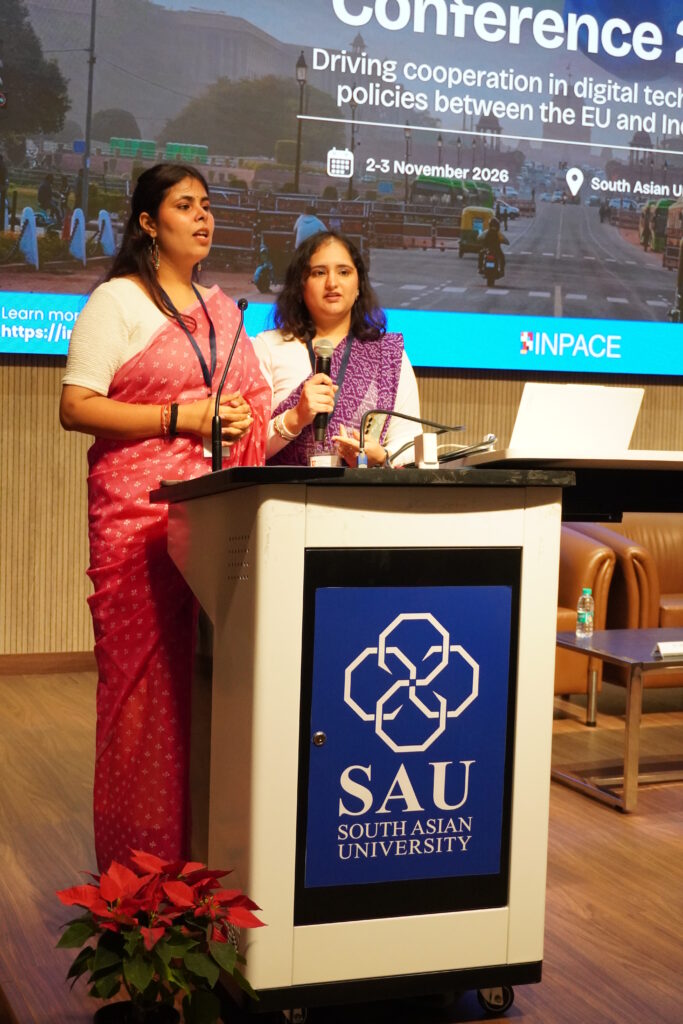
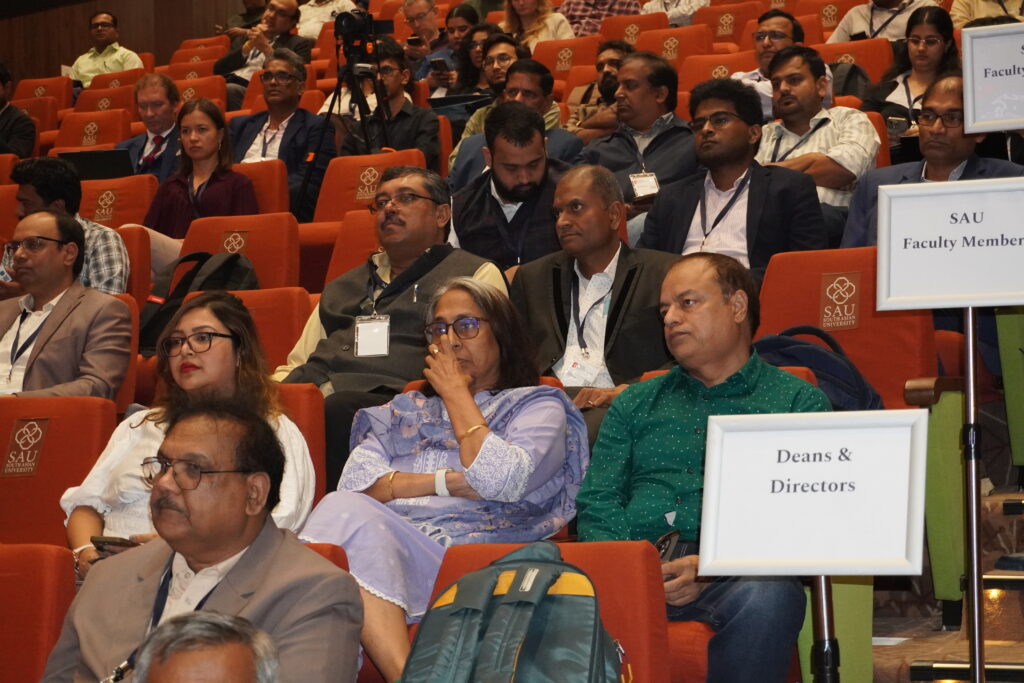
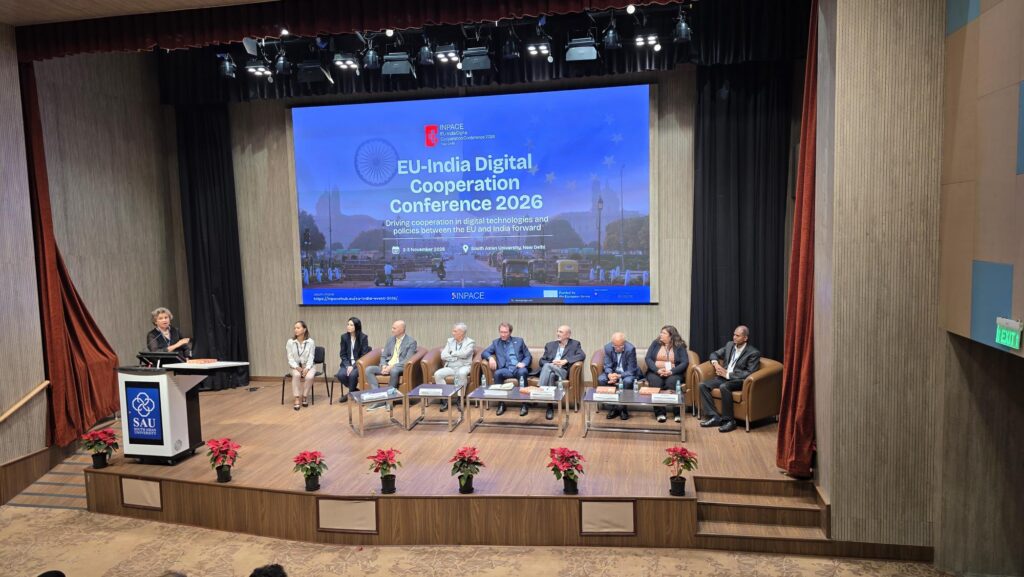
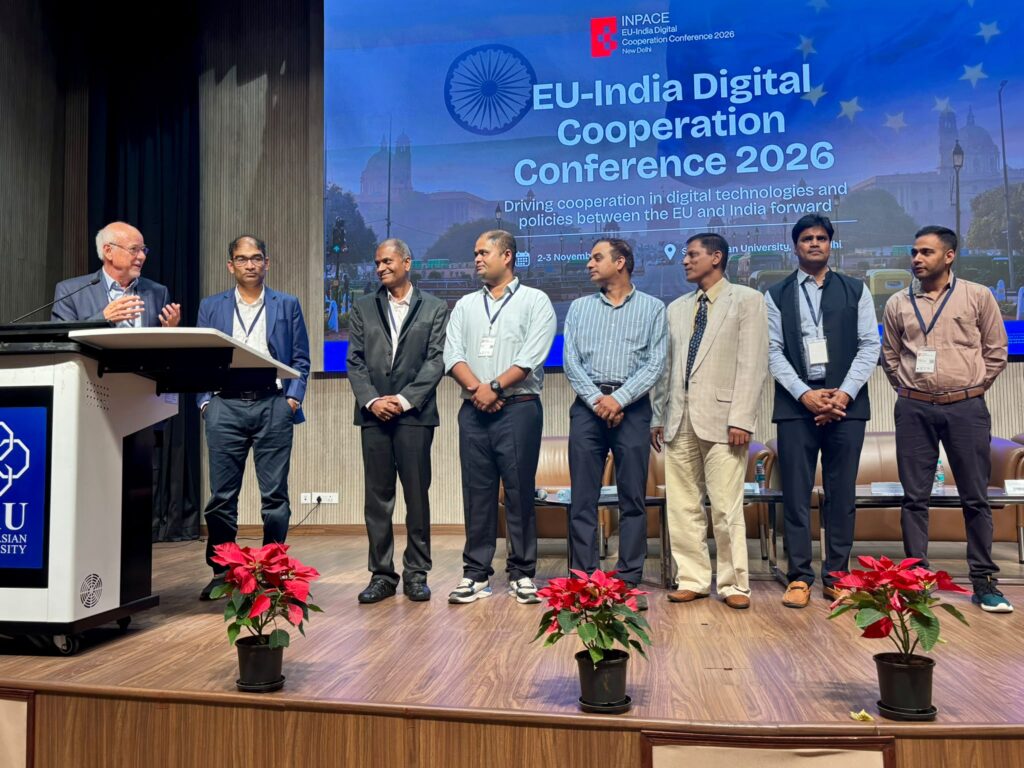
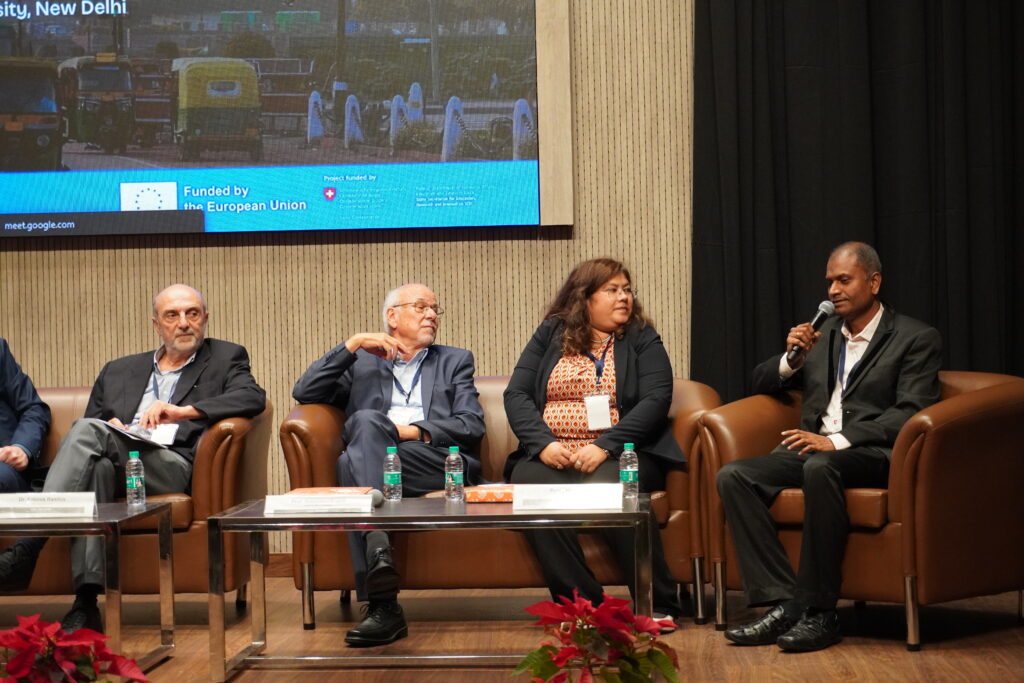
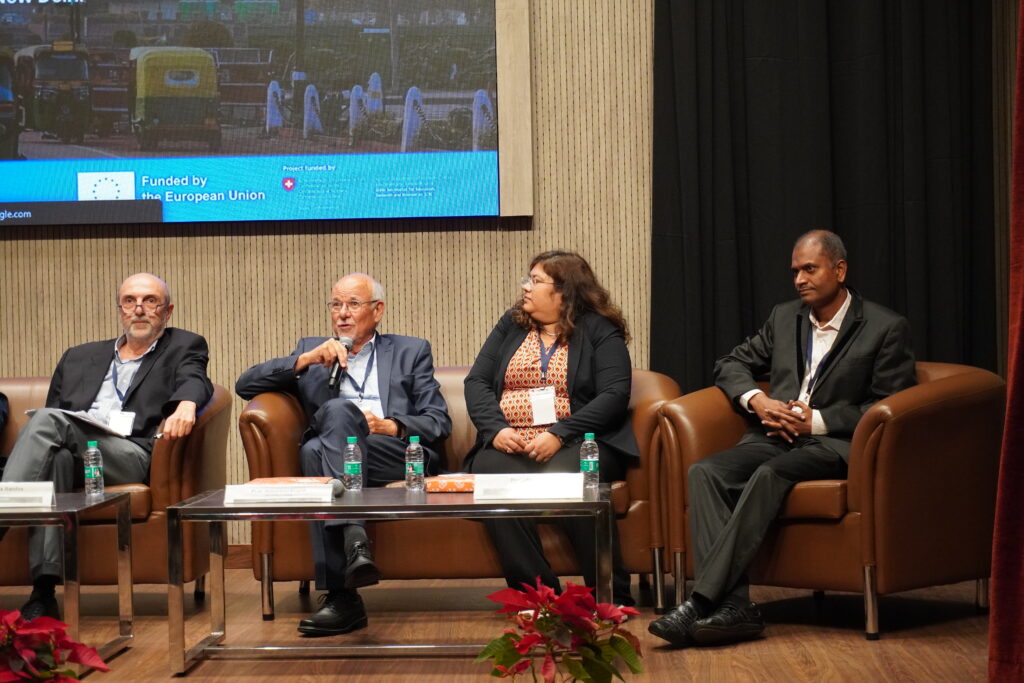
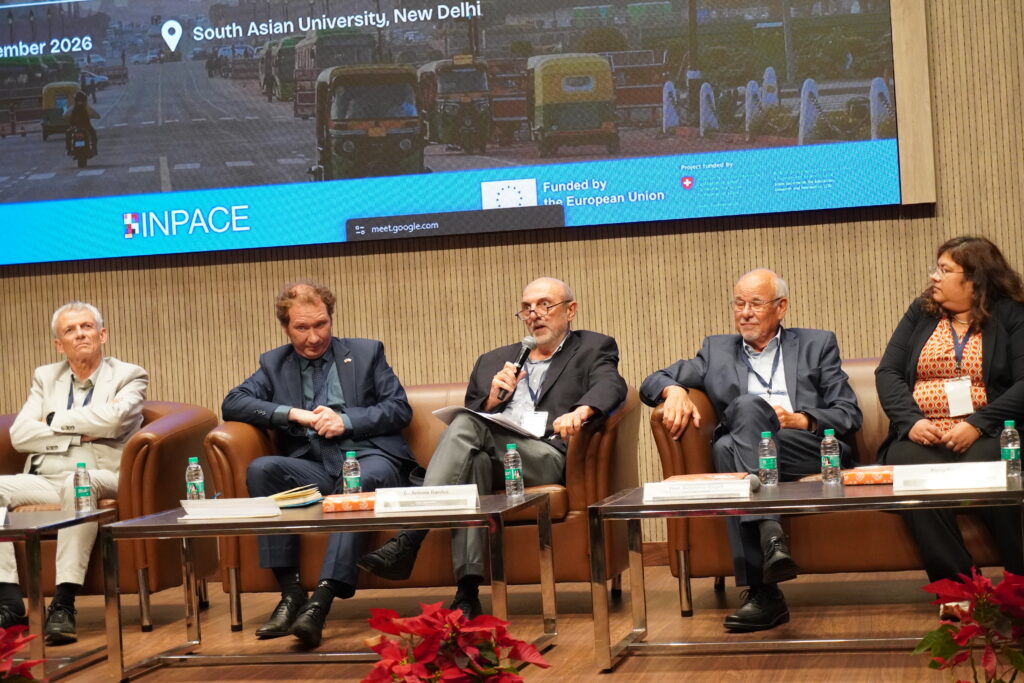
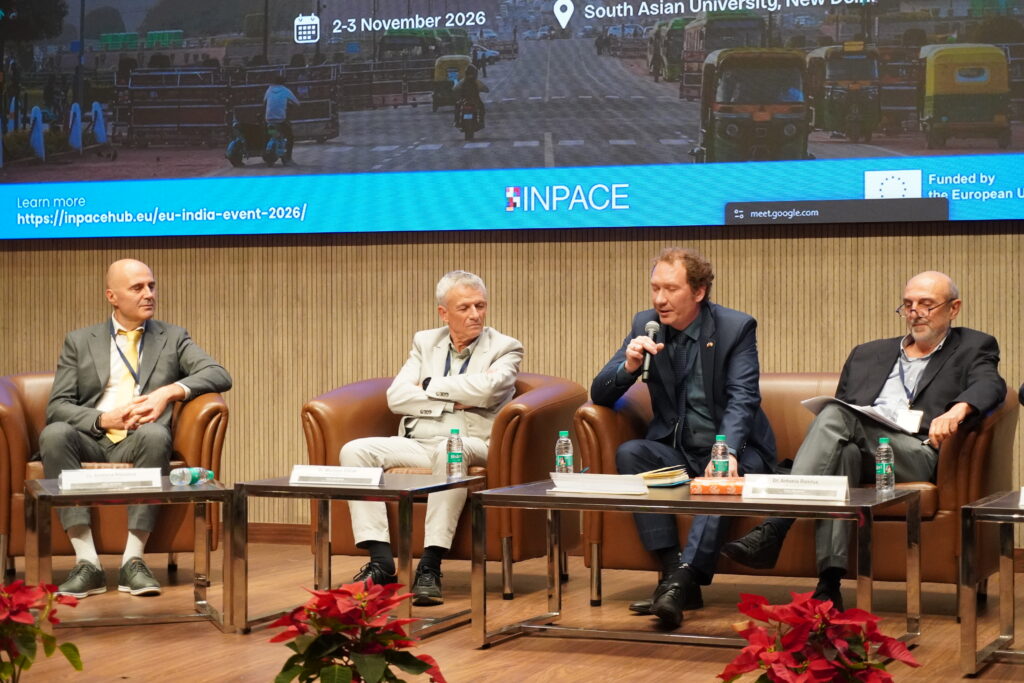
The EU-India Digital Cooperation Conference 2026 took place on 2–3 November 2026 at South Asian University in New Delhi, India, bringing together policymakers, researchers, innovators, and industry representatives from Europe and India to exchange perspectives on digital technologies, research, innovation, and policy cooperation.
Co-organised by INPACE, C-DAC, and IIT Guwahati, the two-day conference provided a platform for discussions on shared technological priorities, opportunities for joint research and innovation, and mechanisms to strengthen collaboration between European and Indian organisations.
The event supported the objectives of the EU-India Trade and Technology Council (TTC), particularly Working Group 1 on Strategic Technologies, Digital Governance, and Digital Connectivity, while placing EU-India cooperation within the broader context of Europe’s partnerships with the Indo-Pacific region.
Through technical presentations, plenary discussions, thematic workshops, and interactive working sessions, the conference addressed a wide range of topics, including digital trust, artificial intelligence (AI), high-performance computing (HPC), semiconductors, quantum technologies, 6G, digital public infrastructure, data sharing, digital skills, and research funding opportunities.
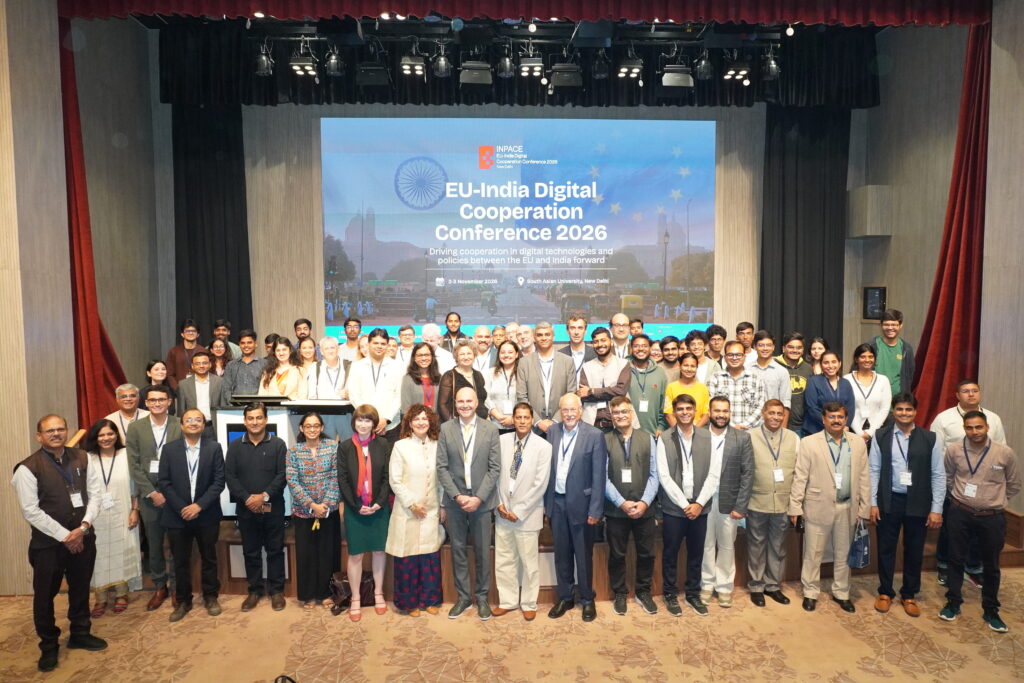
Day 1 – 2 November 2026: Policy Dialogue, Emerging Technologies, and Digital Trust
The first day began with parallel breakout sessions addressing key priorities for EU-India digital cooperation.
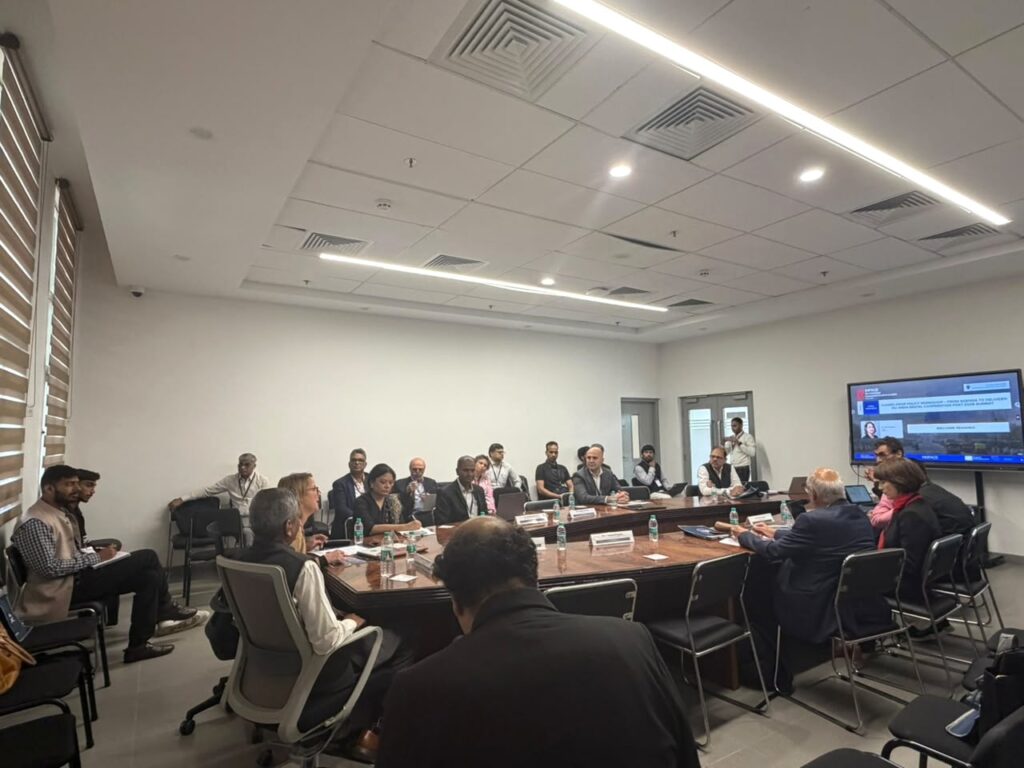
From Agenda to Delivery: EU-India Digital Cooperation post-2026 Summit
A closed-door policy workshop brought together a select group of senior experts, officials, regulators, and industry practitioners to examine how the EU and India could translate strategic commitments into practical cooperation.
Organised by Dr. Eva Pejsova of the Centre for Security, Diplomacy and Strategy (CSDS), the Centre for Communication Governance at NLU Delhi, and Dr. Sithu D. Sudarsan of C-DAC Bangalore, the workshop focused on two areas: trusted AI and digital public infrastructure.
The first discussion, “Digital Public Infrastructure: Interoperable by Design”, addressed the technical challenges and opportunities associated with interoperability between European and Indian digital public infrastructure approaches.
The second, “Trusted AI: From Frameworks to Joint Practice”, examined opportunities for cooperation on AI evaluation methodologies, testing, standards, and transparency documentation.
Held under the Chatham House Rule, the workshop provided a setting for policy exchanges aimed at developing concrete recommendations for EU-India digital cooperation.
Semiconductors, 6G, Quantum Technologies, and Digital Skills
Other morning breakout sessions focused on emerging digital technologies and the opportunities they present for cooperation.
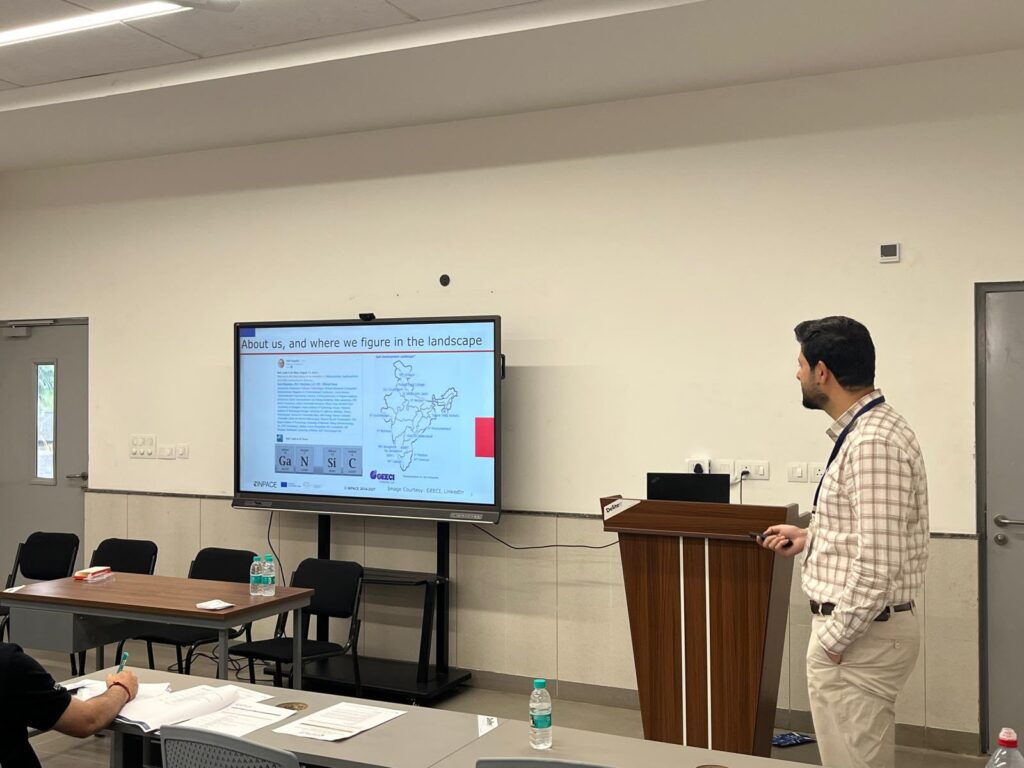
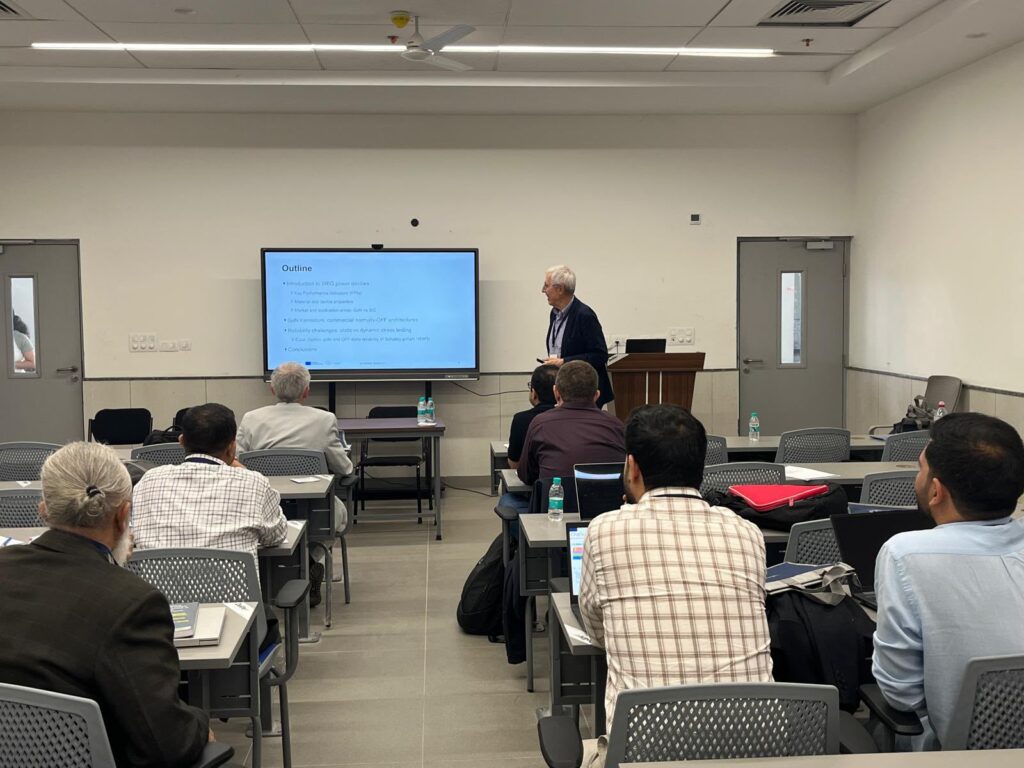
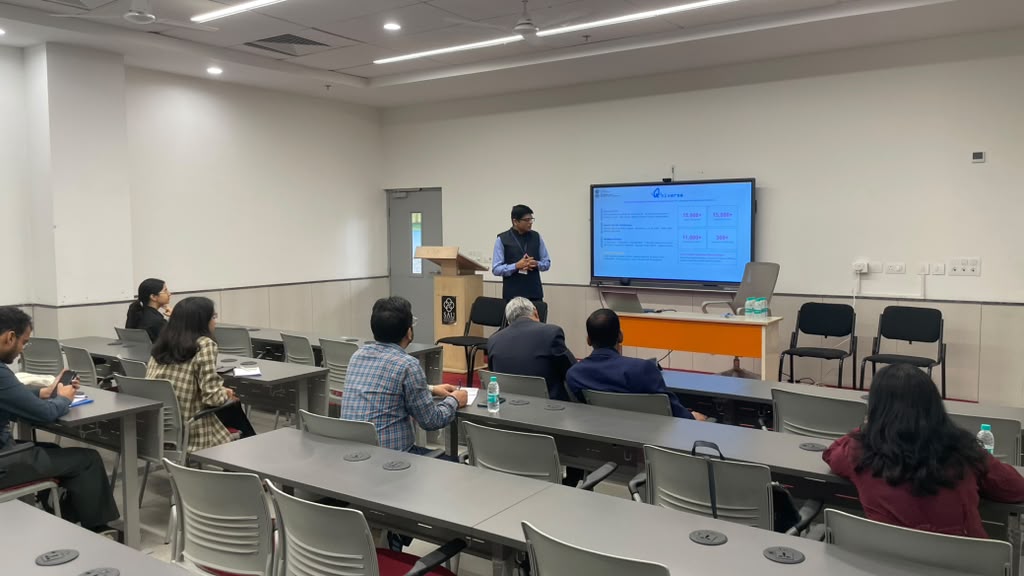
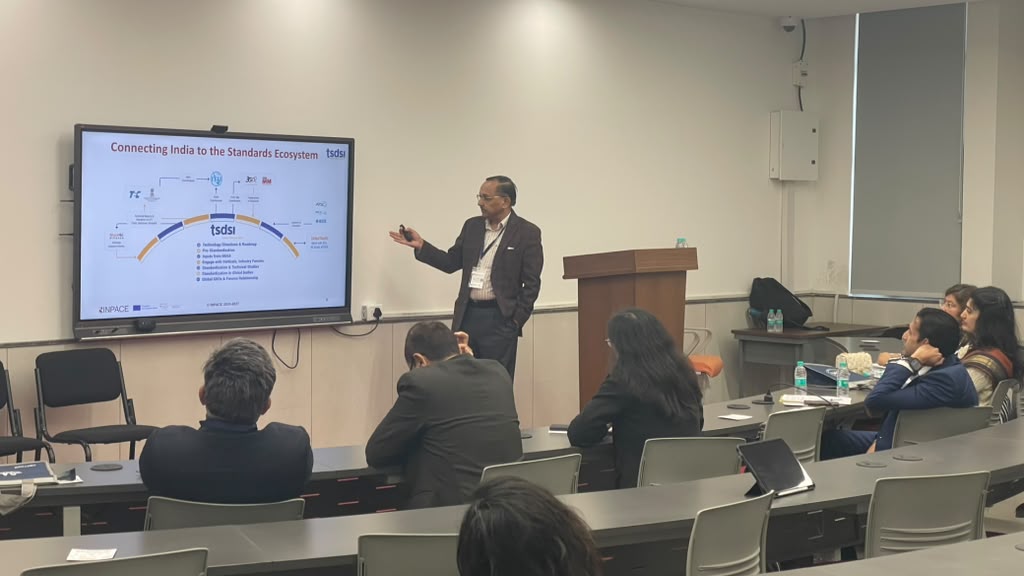
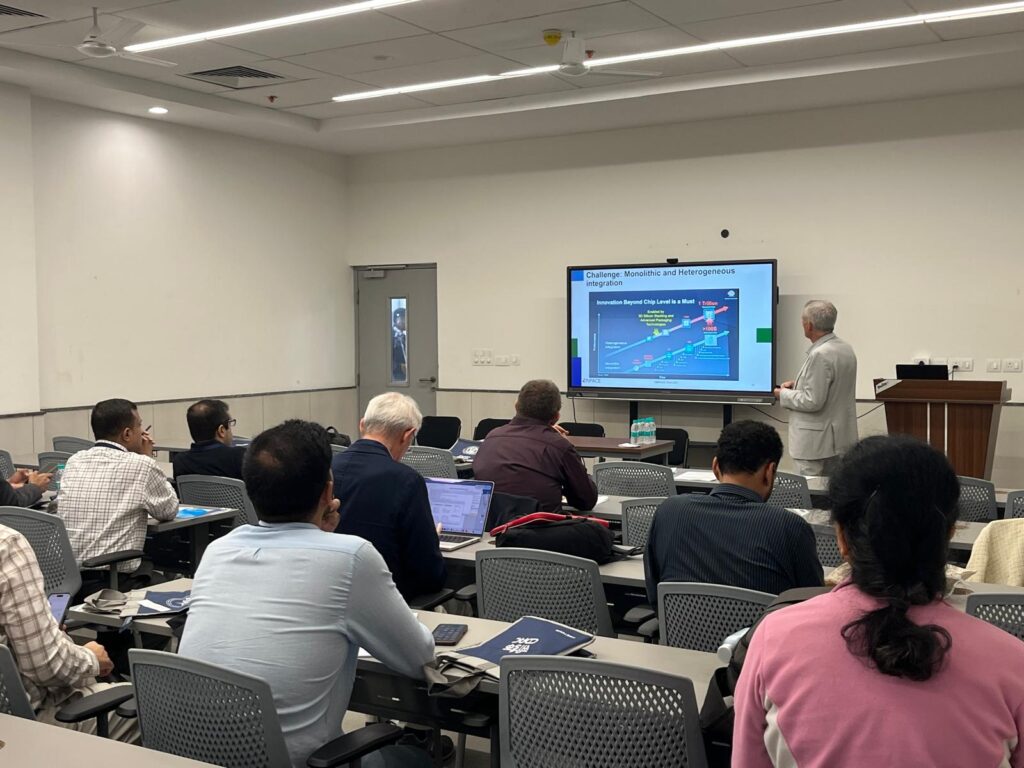
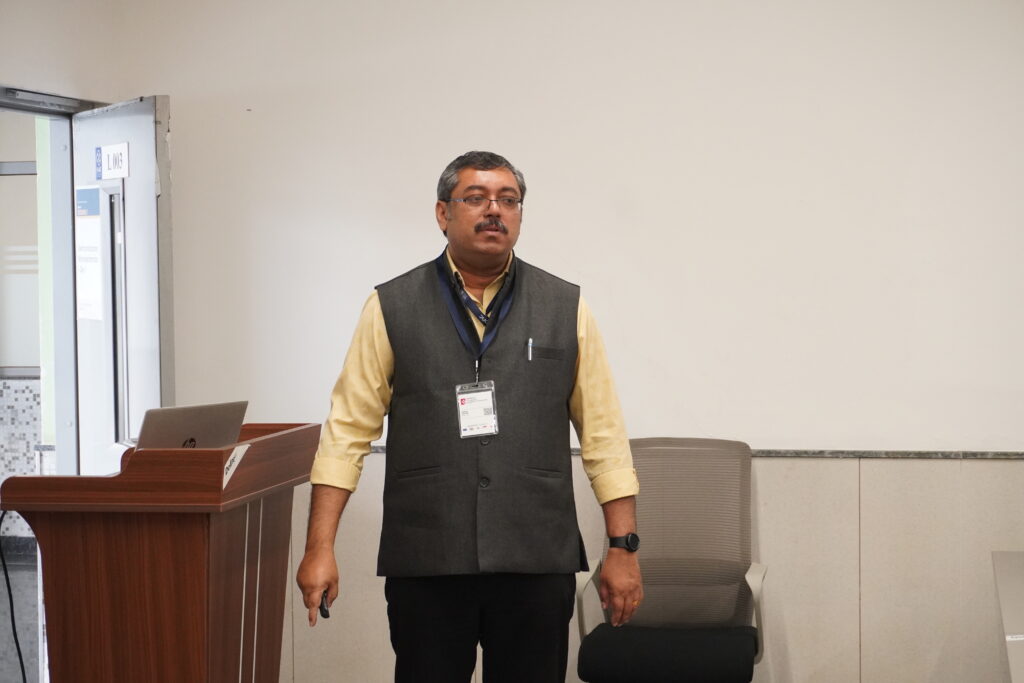
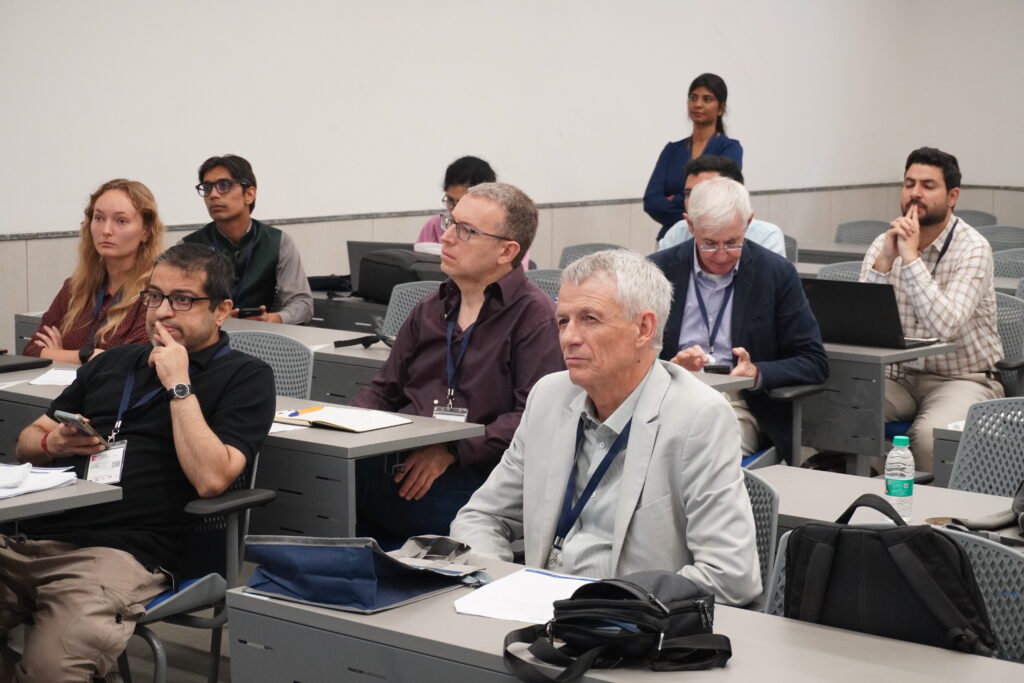
The Semiconductors / Microelectronics session, organised by Dr. Francis Balestra of the SiNANO Institute and Dr. Abey Jacob of C-DAC, examined semiconductor manufacturing, value chains, technological developments, and skills. Presentations addressed heterogeneous integration, wide-bandgap devices for power applications, GaN technology, and advanced materials for memory applications.
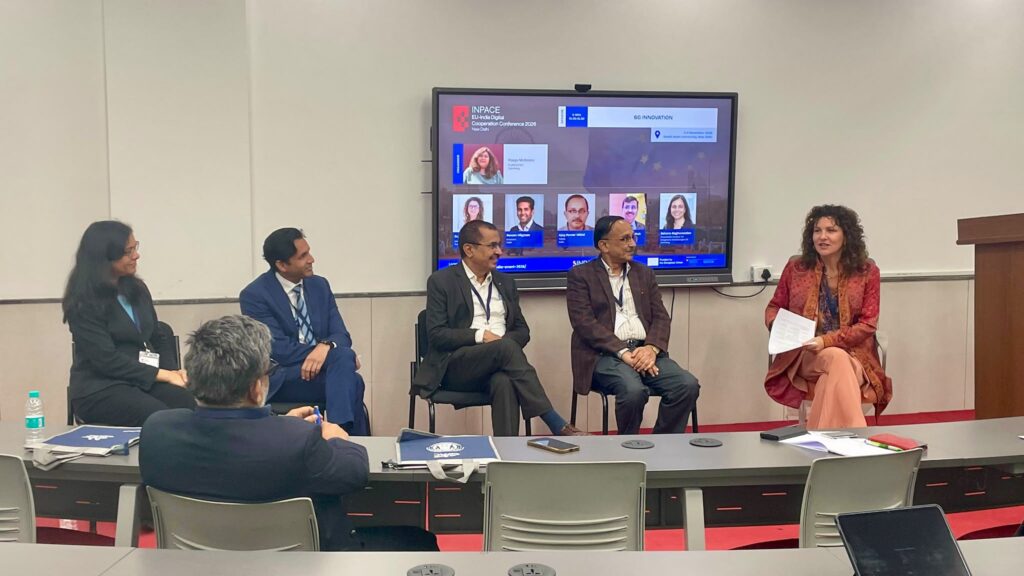
The 6G Innovation session, organised by Pooja Mohnani of Eurescom, brought together European and Indian stakeholders to exchange views on priorities for 6G research, innovation, and industrial collaboration. The programme included a panel discussion titled “Advancing 6G Together: EU–India Priorities for Research, Innovation and Industrial Collaboration”, moderated by Dr. Monique Calisti of Martel Innovate.
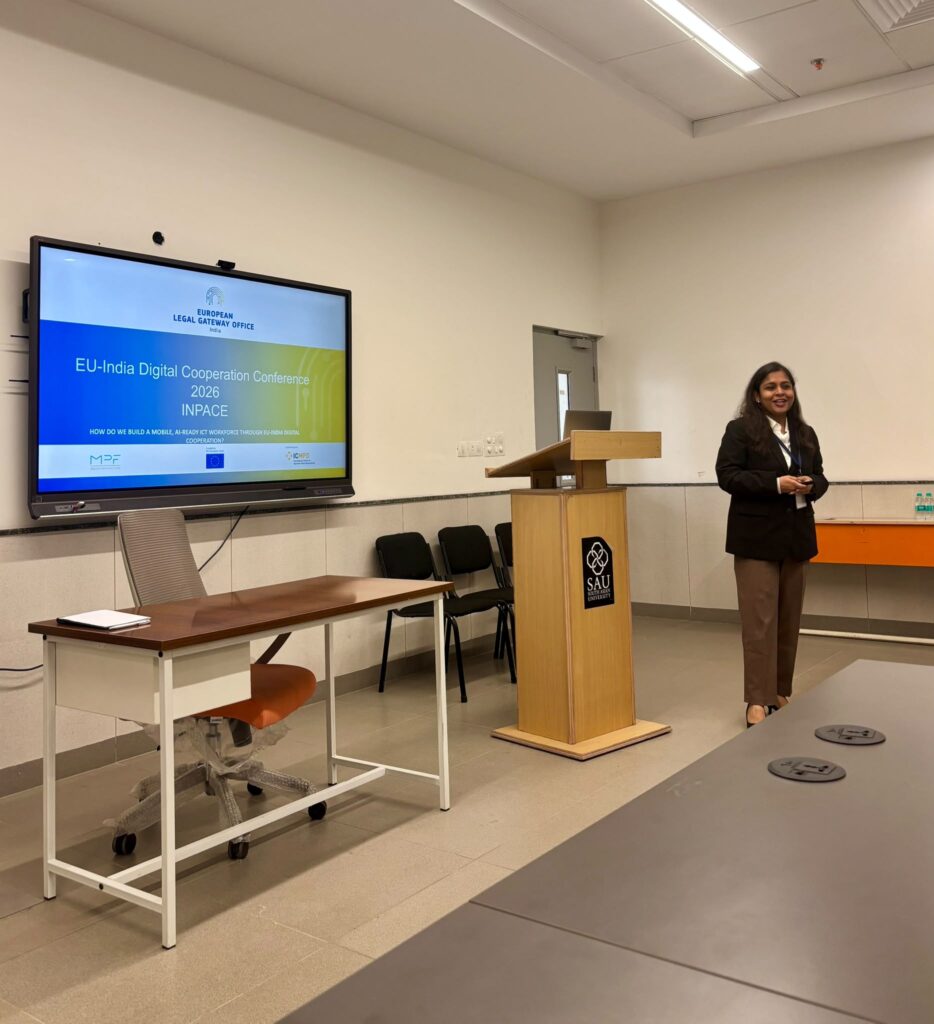
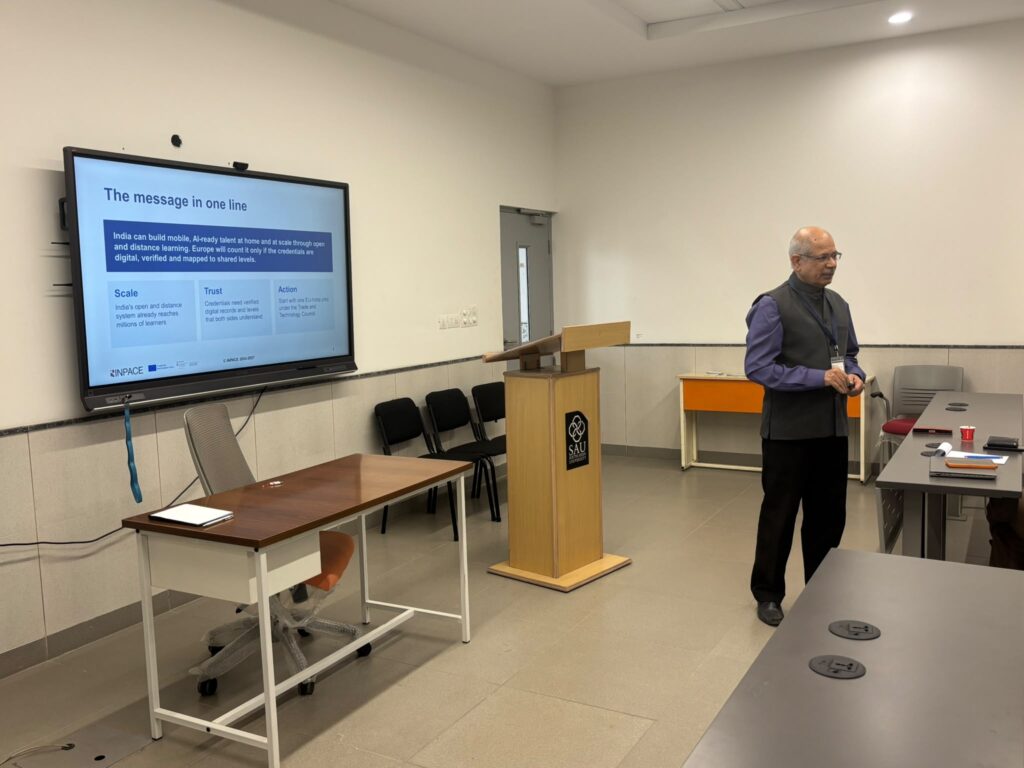
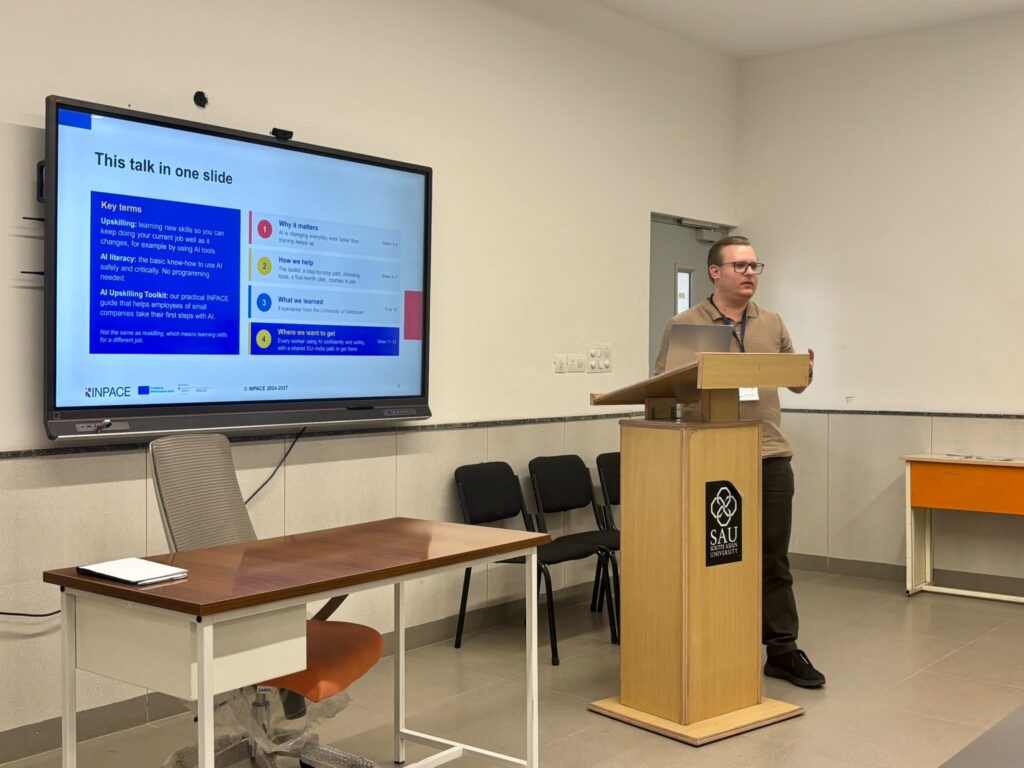
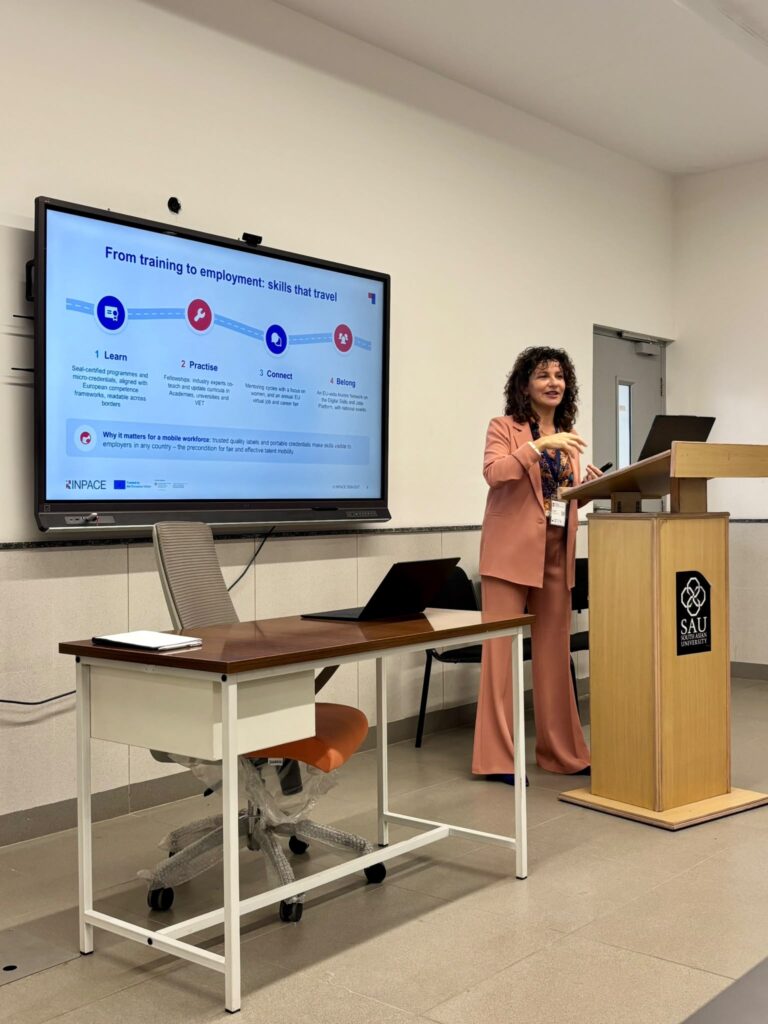
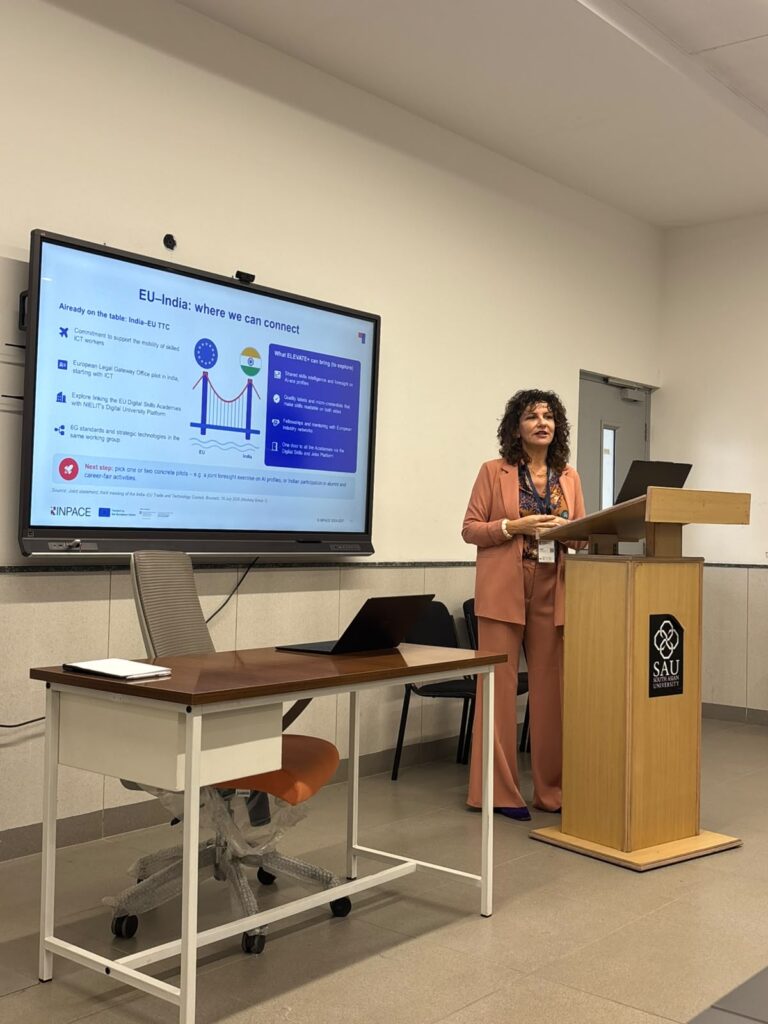
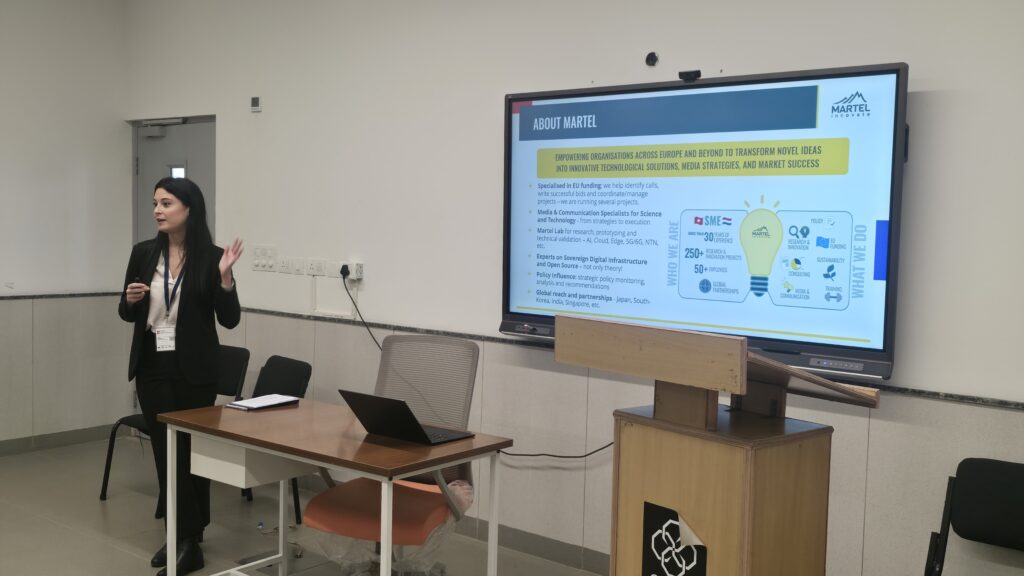
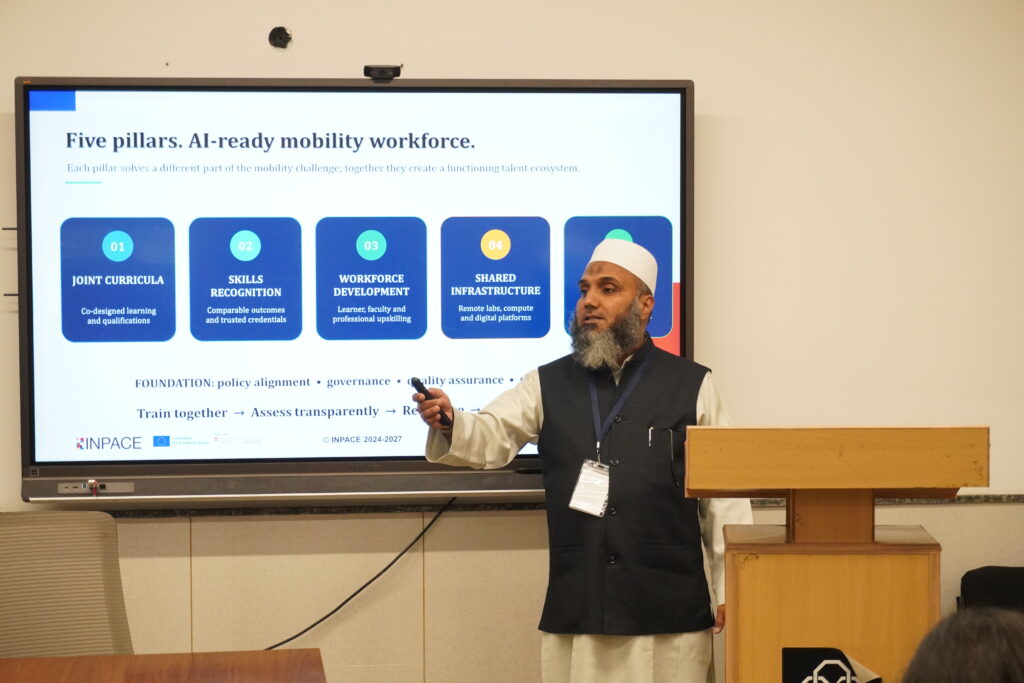
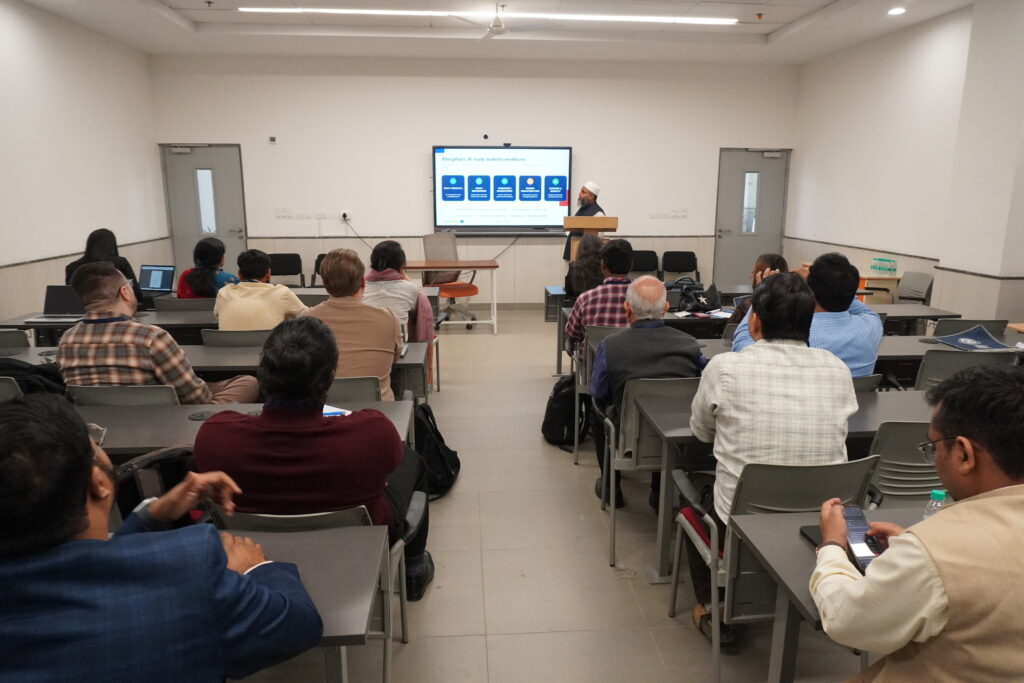
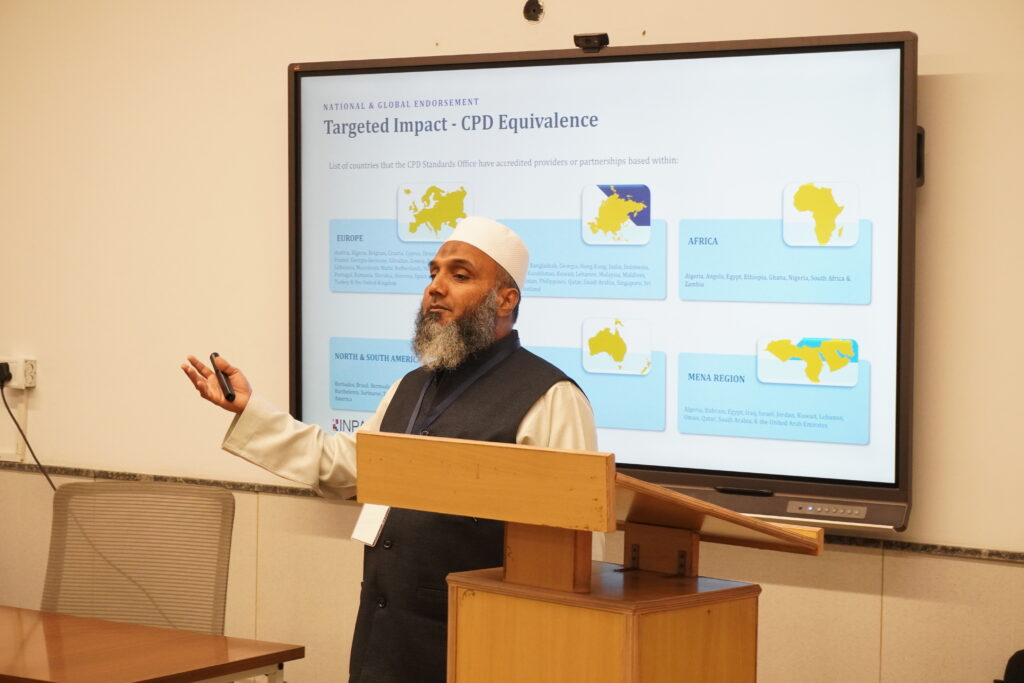
Another breakout session, “How Do We Build a Mobile, AI-Ready ICT Workforce Through EU-India Digital Cooperation?”, examined digital upskilling, workforce mobility, cross-border skills recognition, and collaborative training frameworks in areas such as AI, semiconductors, and 6G. Organised by Karolina Gyurovszka of Martel Innovate and Ramesh Naidu Laveti of C-DAC, the session brought together perspectives on strengthening digital talent ecosystems across both regions.
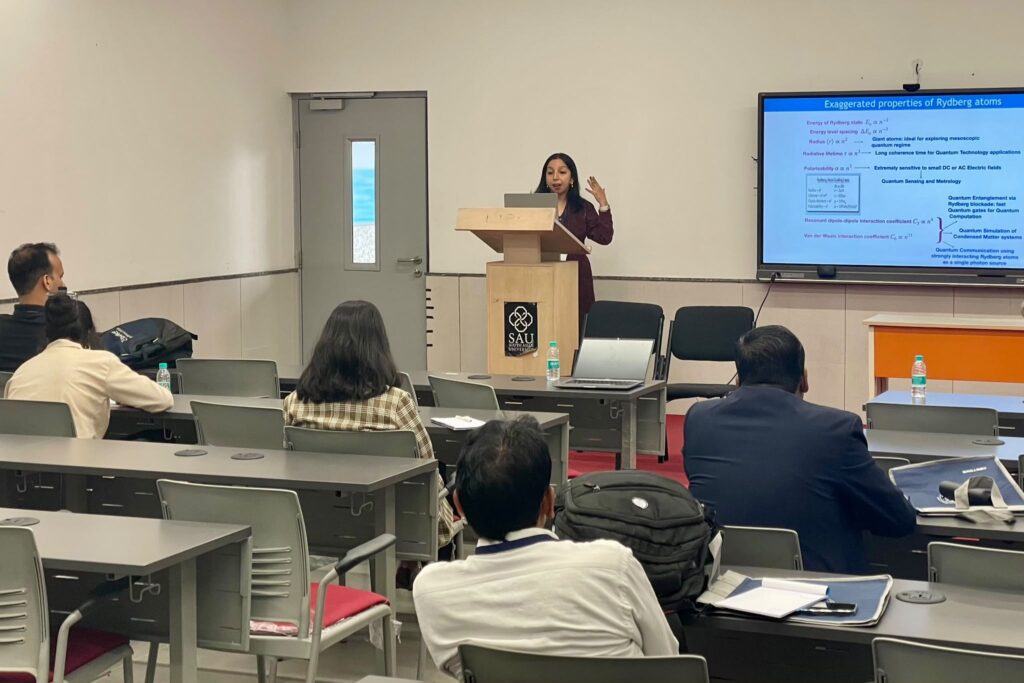
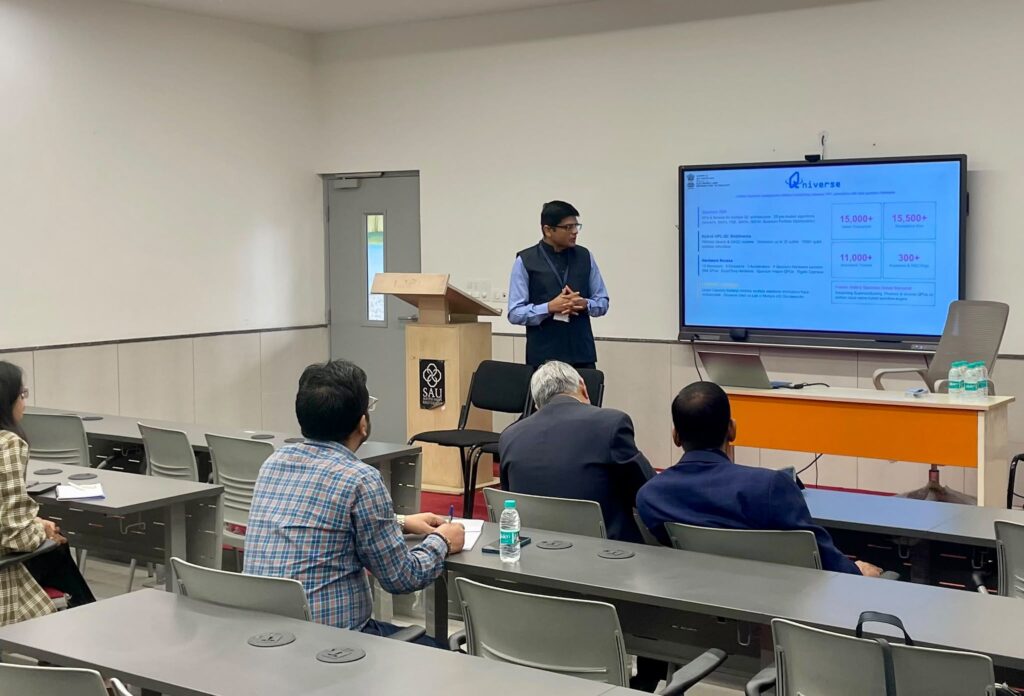
The Quantum Technologies: From Qubit Control to Atomic Quantum Systems session, organised by Dr. Asvija B of C-DAC, explored developments in superconducting qubits, quantum hardware characterisation and control, and Rydberg-atom-based quantum systems. It also addressed quantum-safe communication and the challenges of scaling quantum technologies.
Inaugural Session: Driving EU-India Digital Cooperation Forward
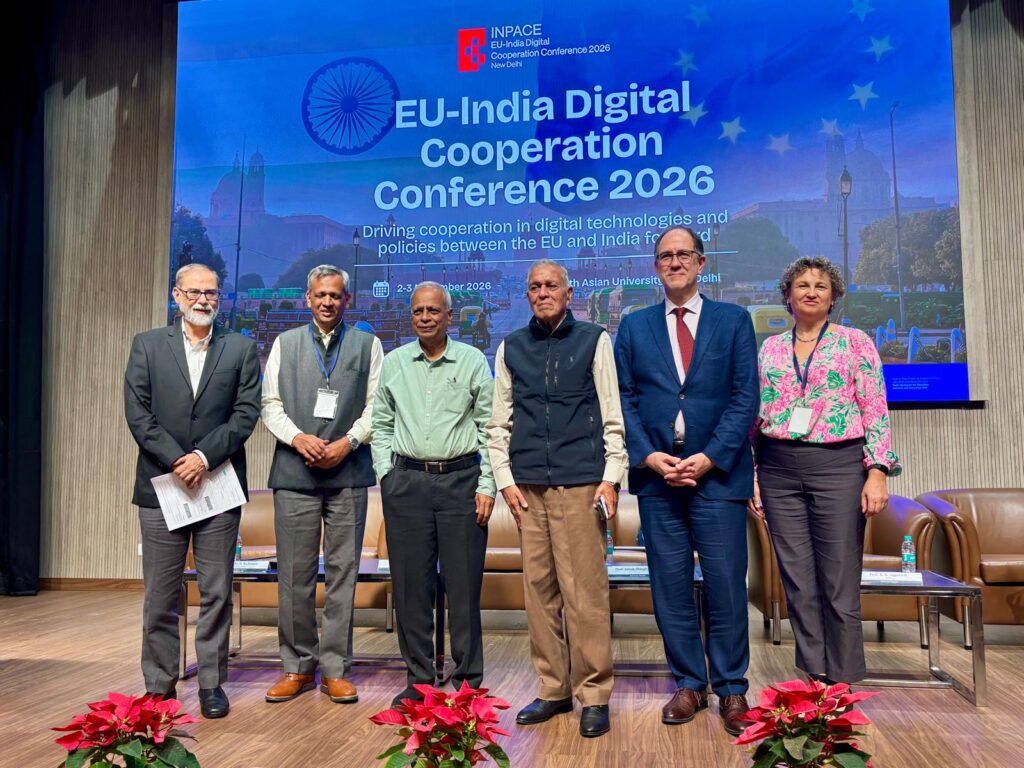
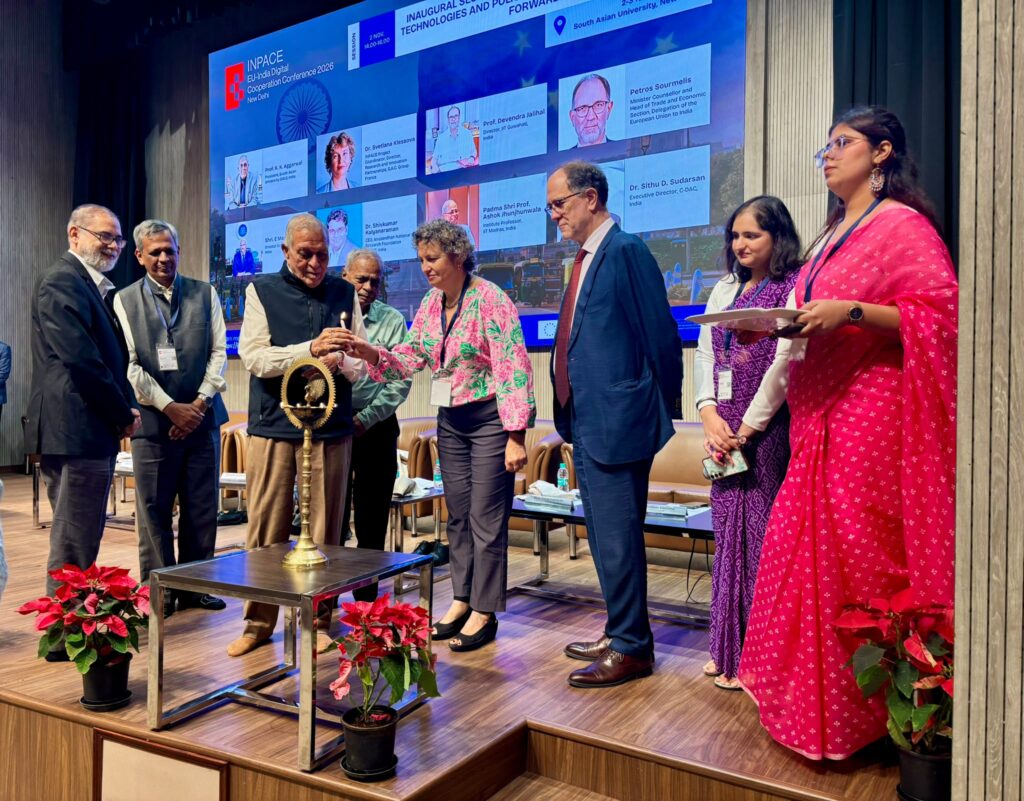
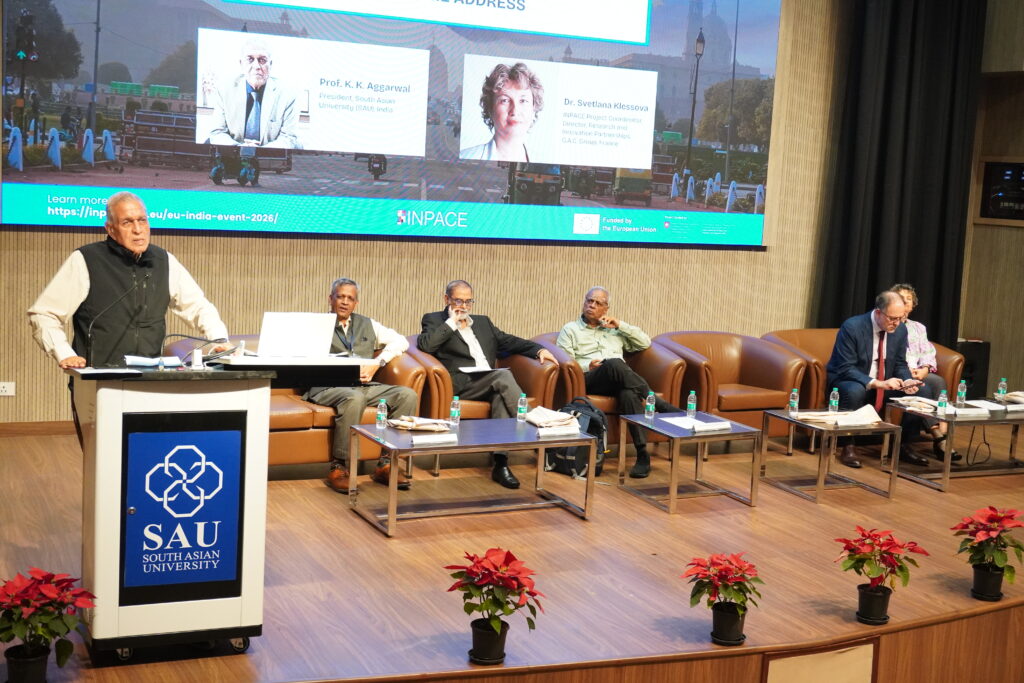
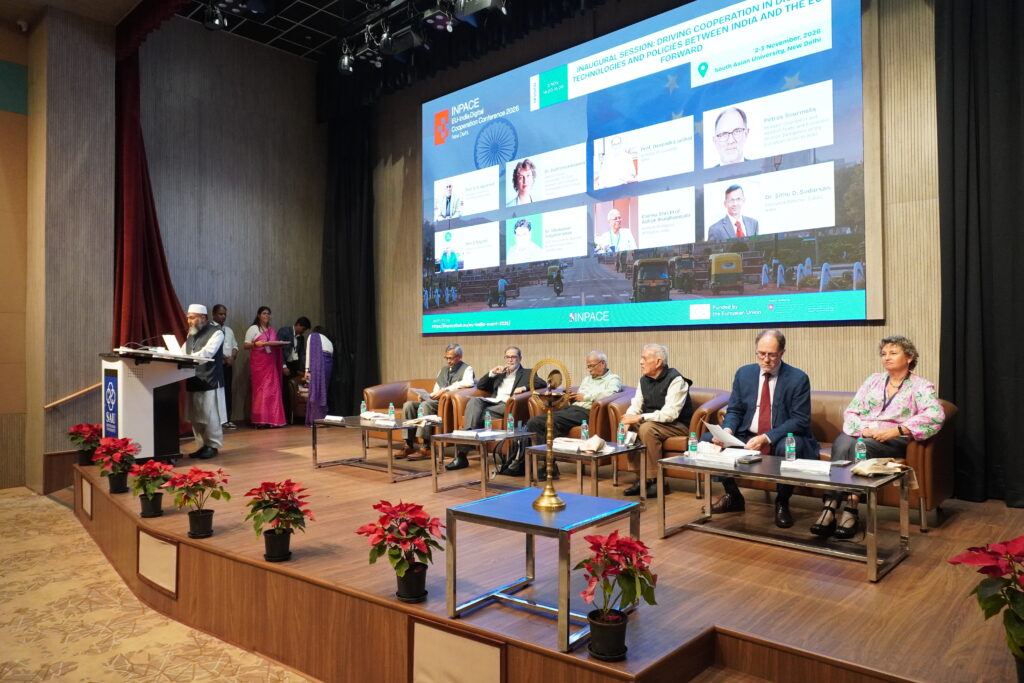
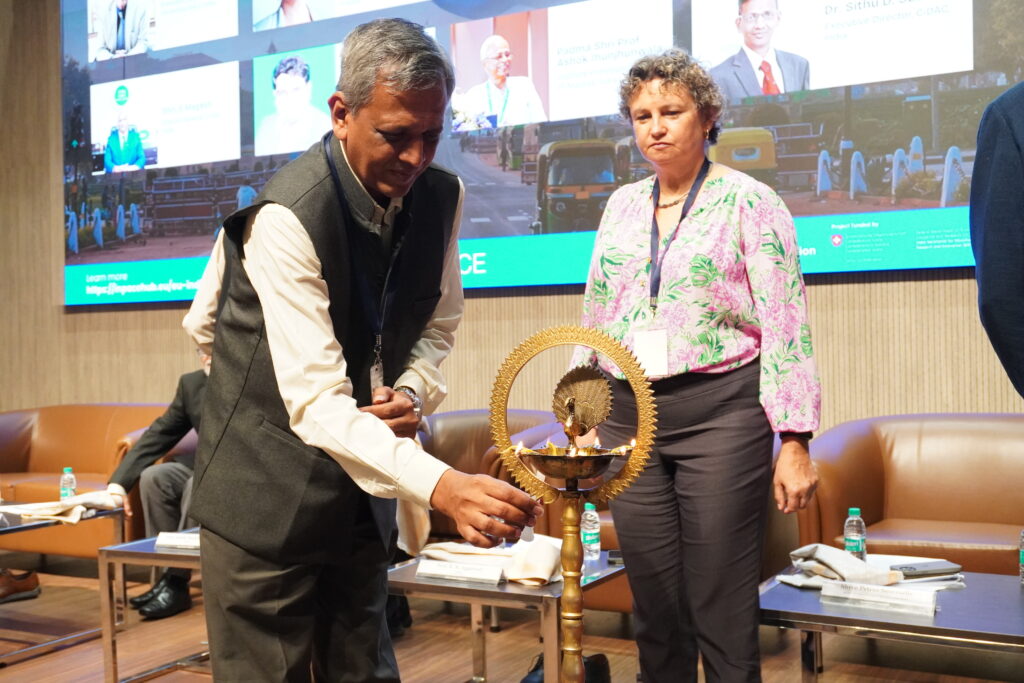
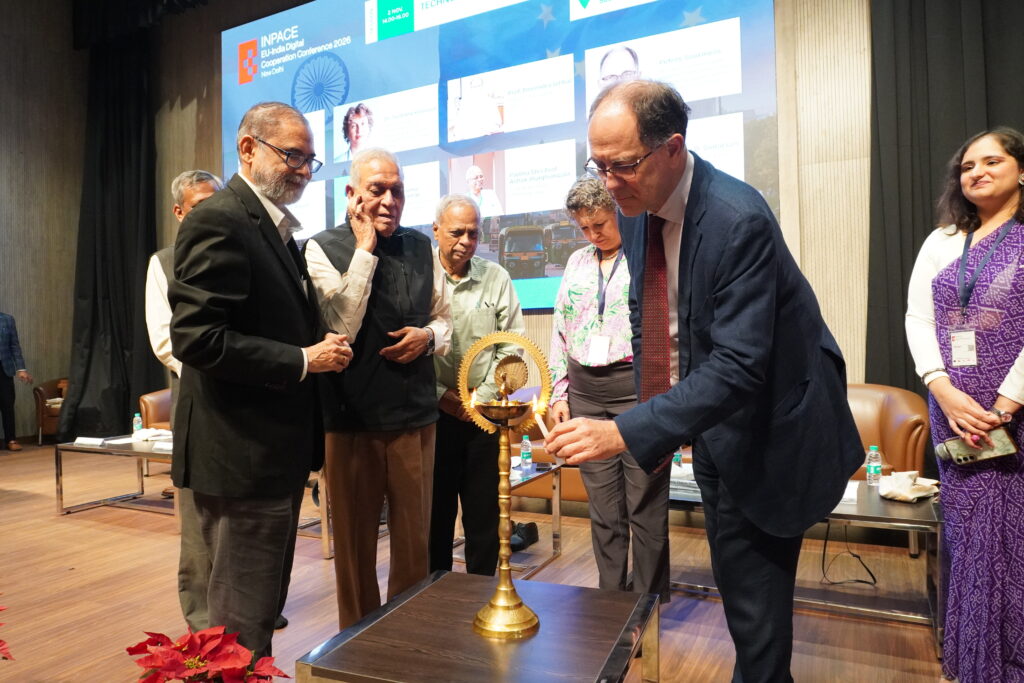
The afternoon featured the conference’s inaugural session, dedicated to advancing cooperation in digital technologies and policies between the EU and India.
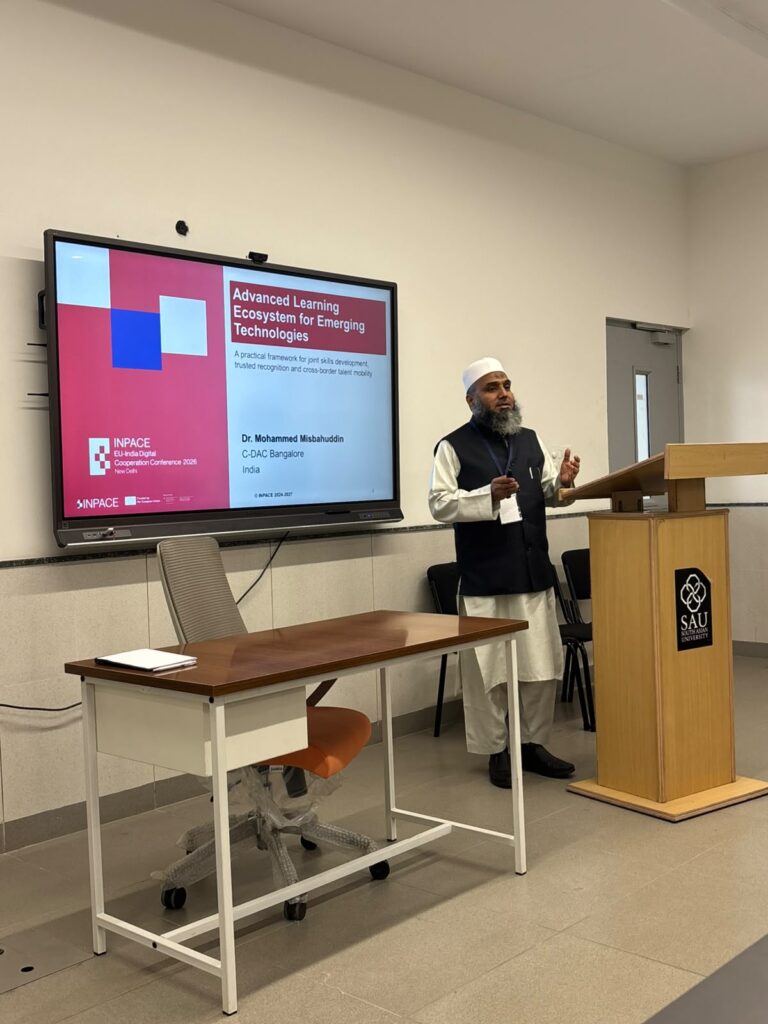
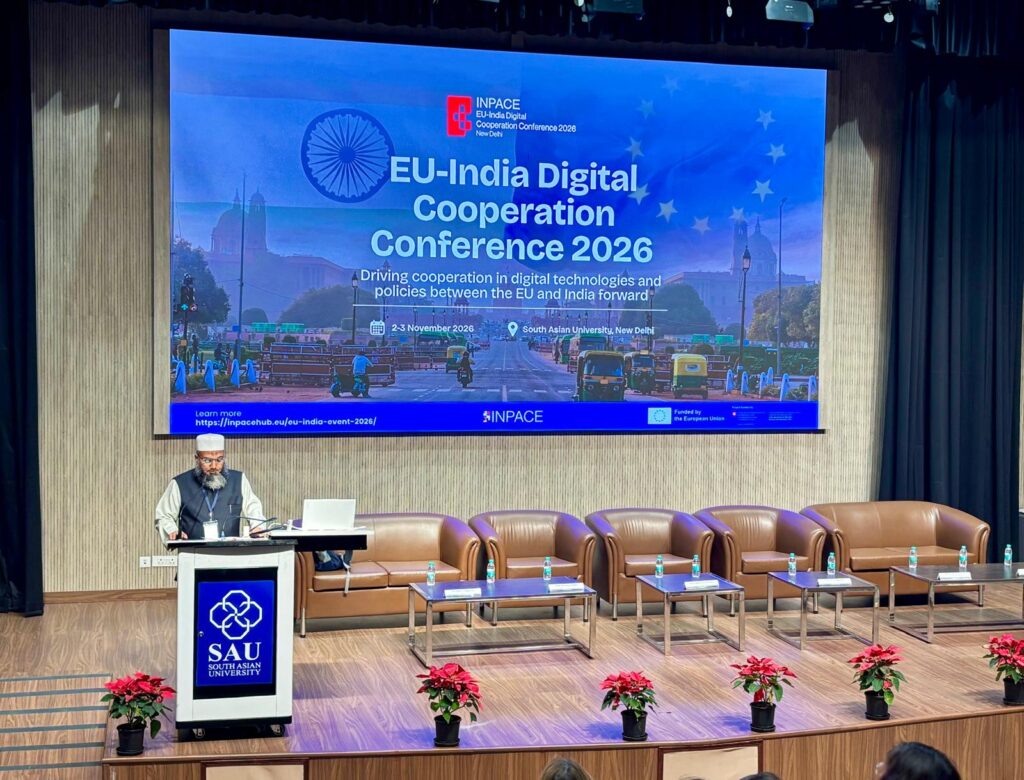
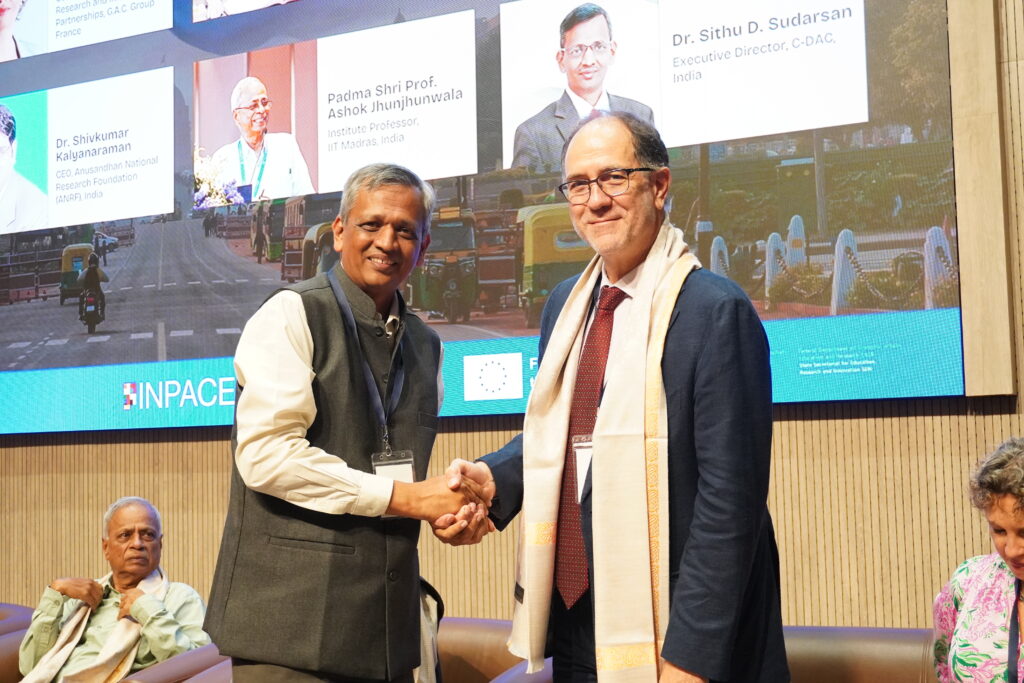
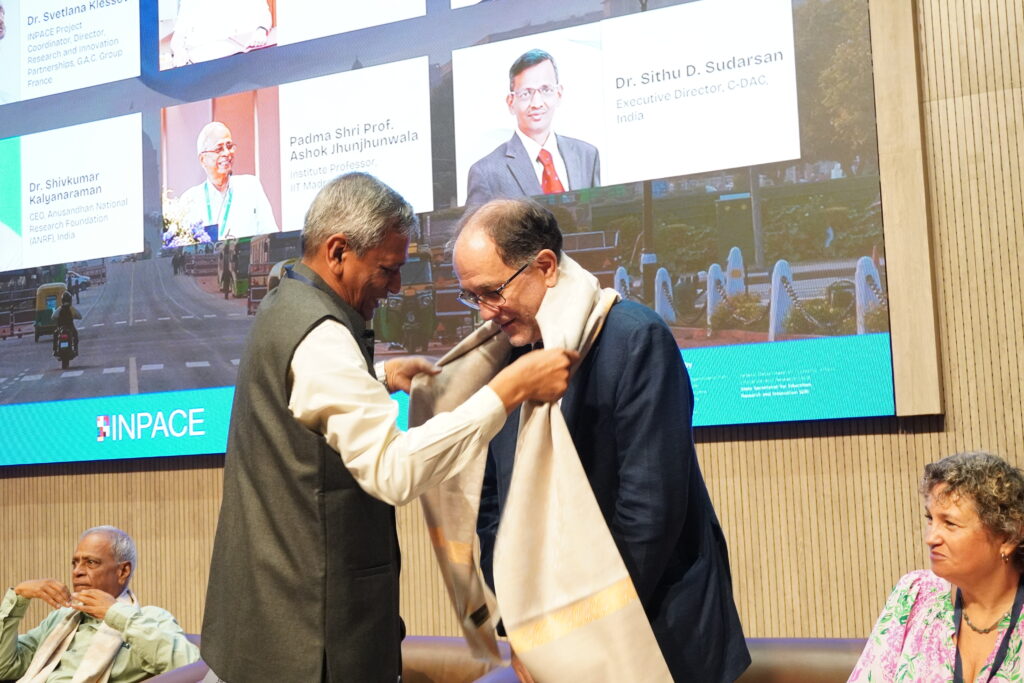
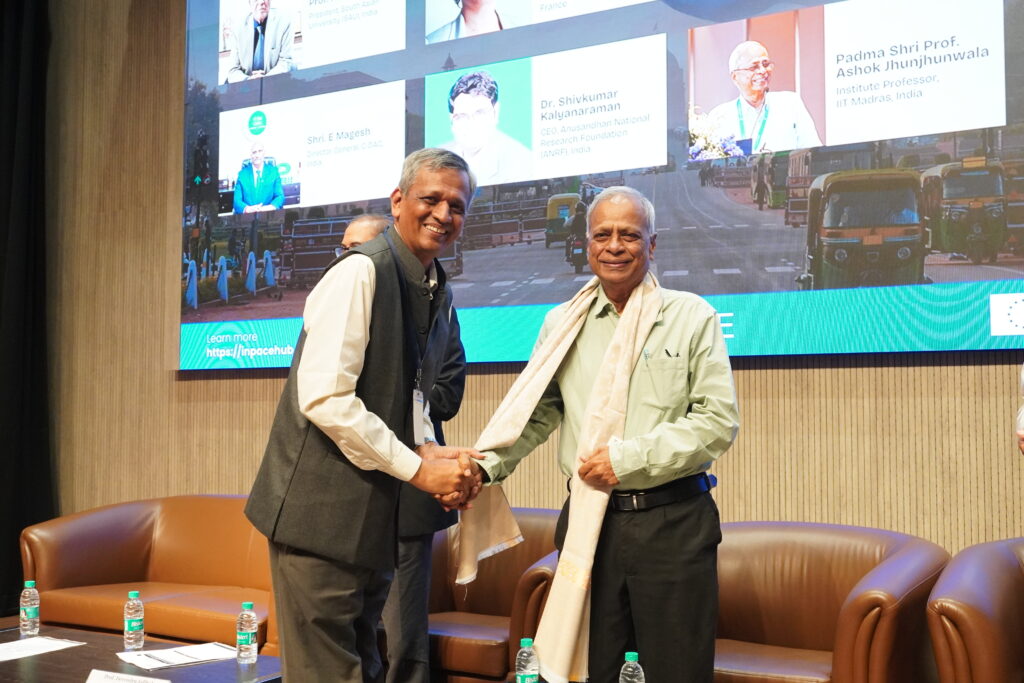
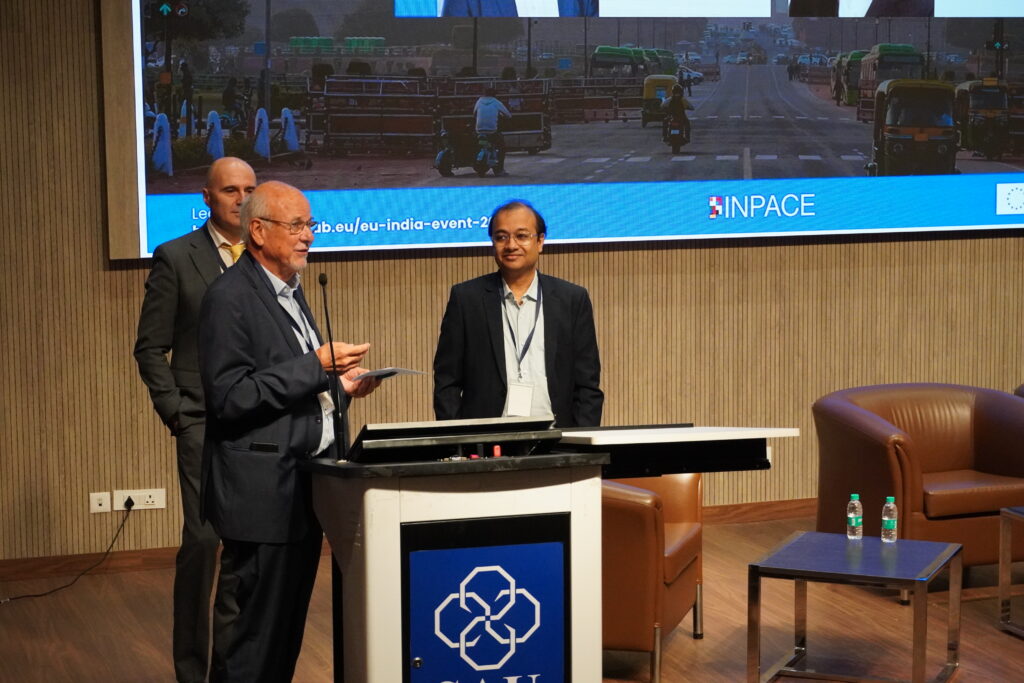
Dr. Mohammed Misbahuddin, Scientist F at C-DAC, moderated the Inaugural Session, welcoming the distinguished speakers and guiding the proceedings.
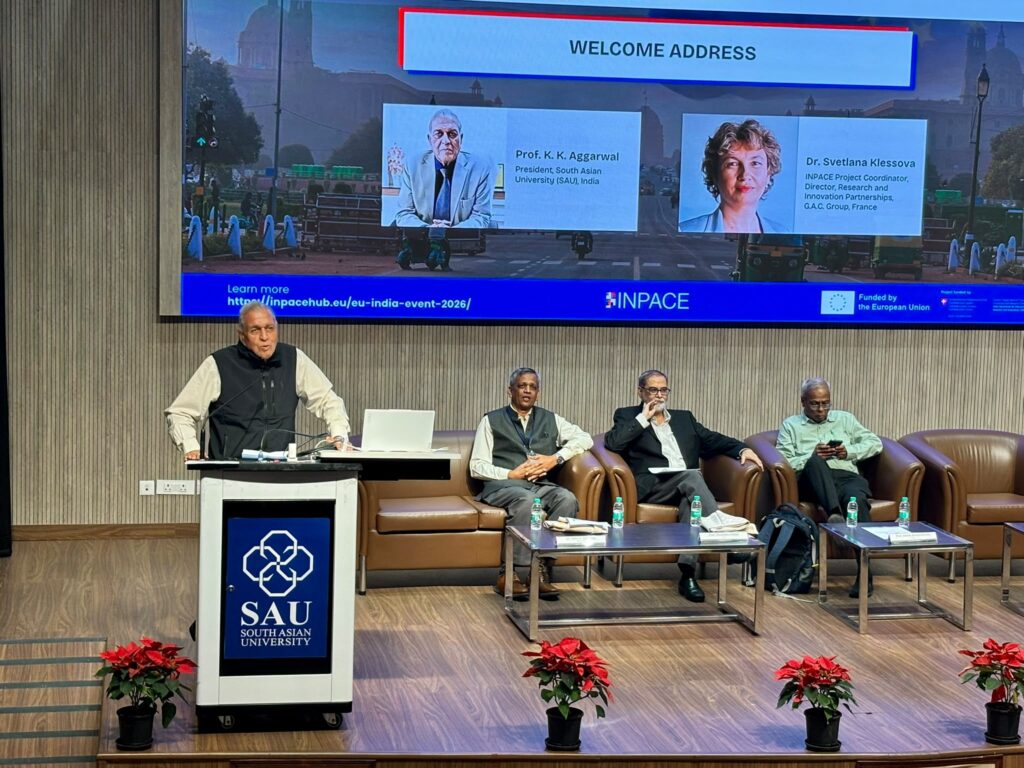
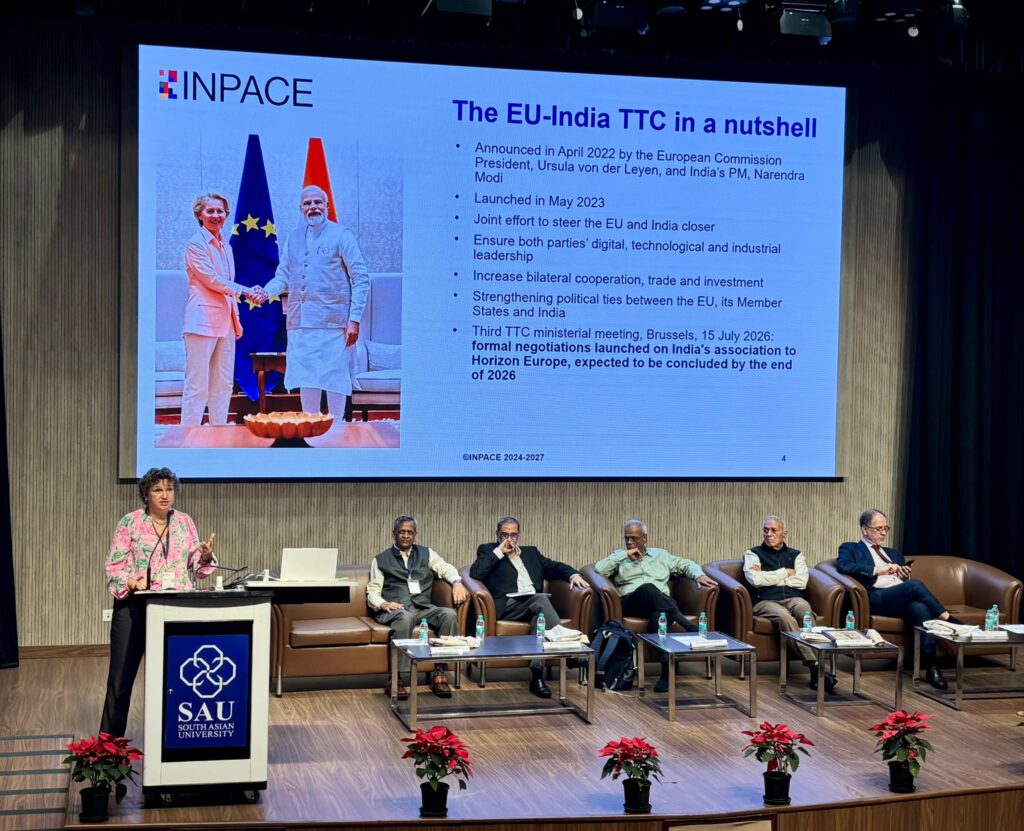
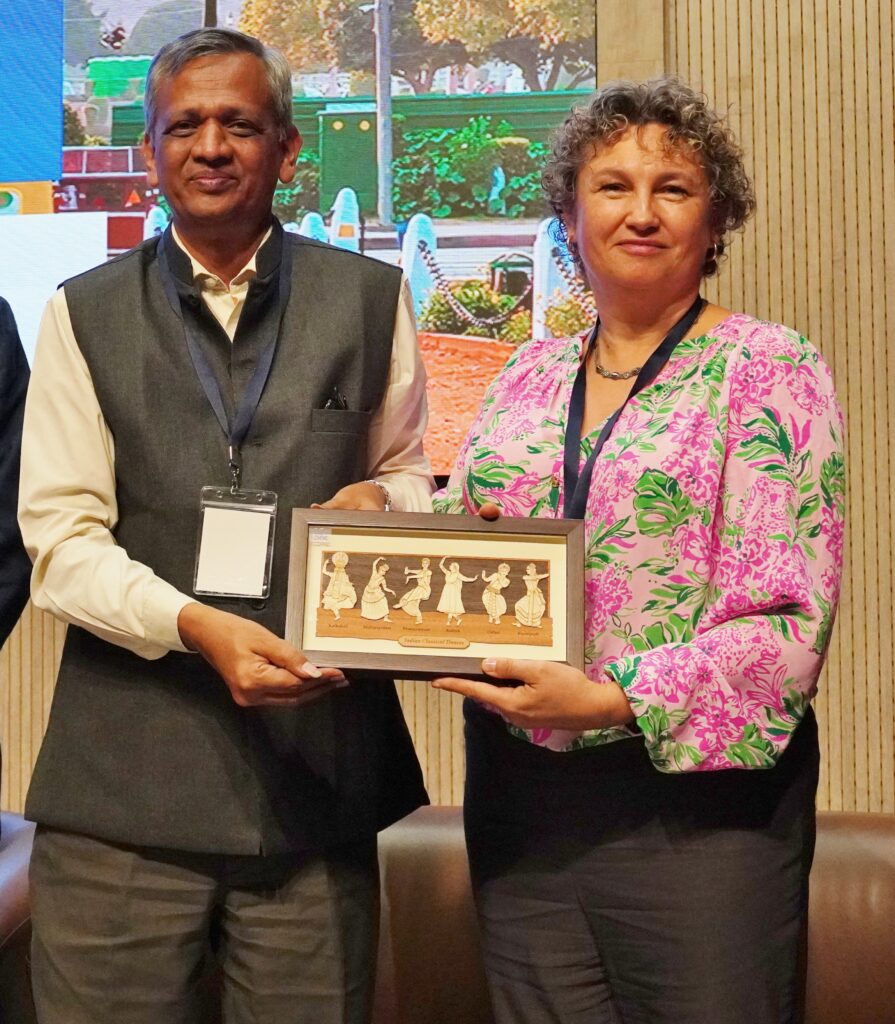
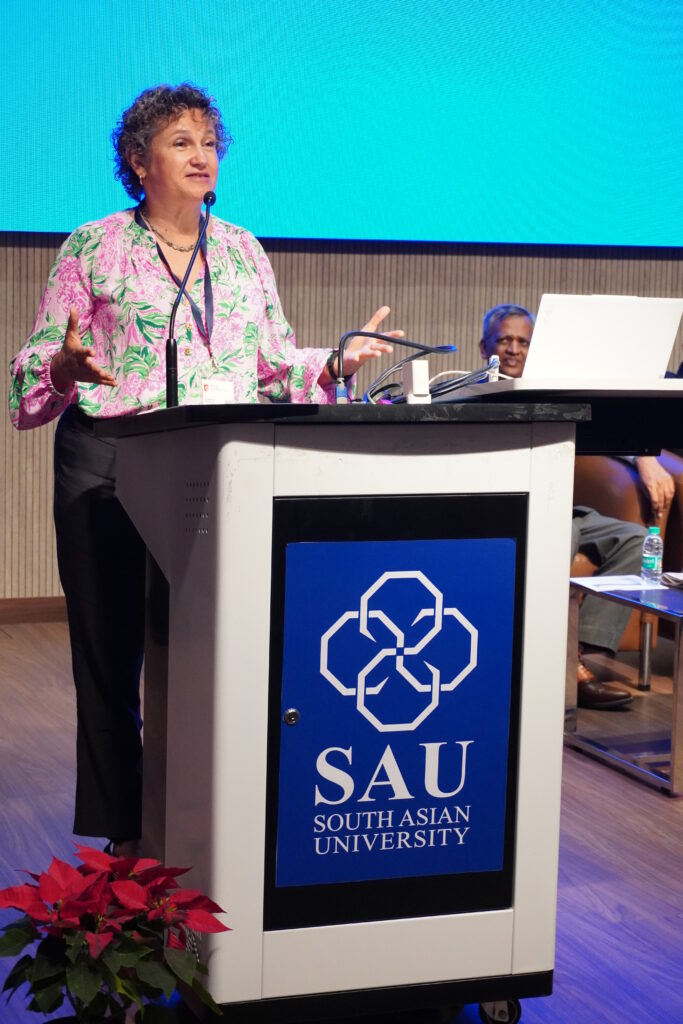
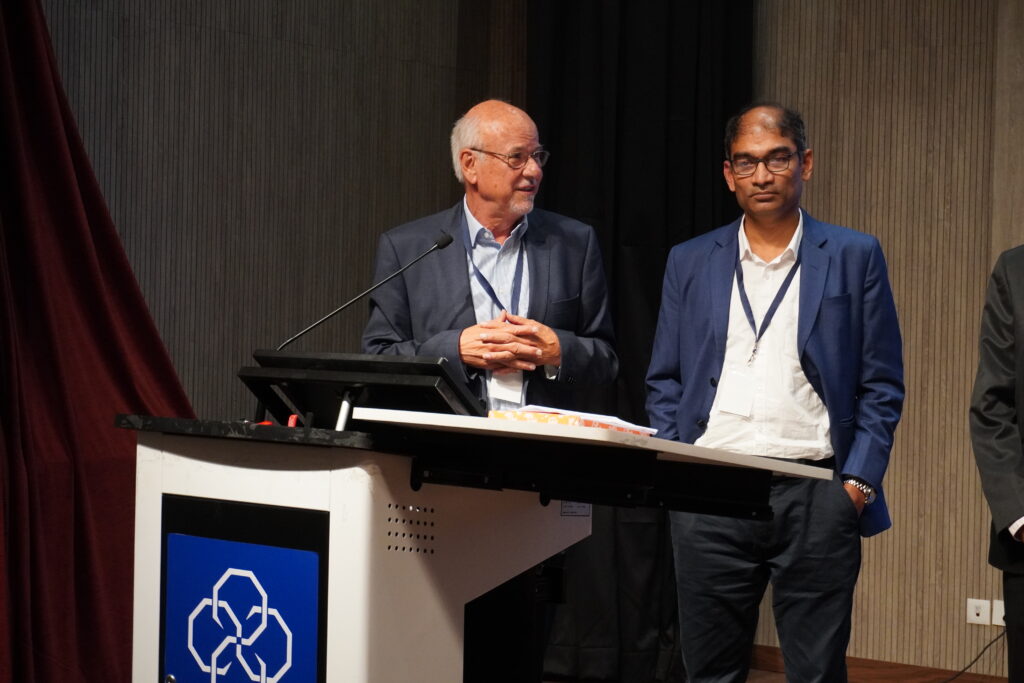
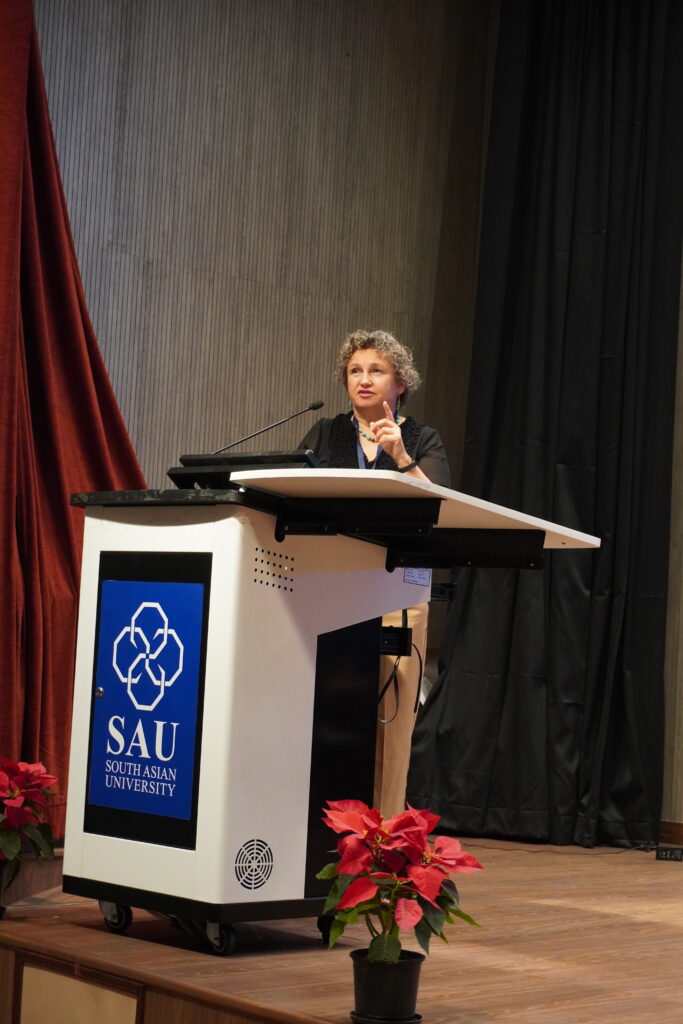
The session featured welcome addresses from Prof. K. K. Aggarwal, President of South Asian University, and Dr. Svetlana Klessova, INPACE Project Coordinator, highlighting the importance of strengthening EU-India digital cooperation.
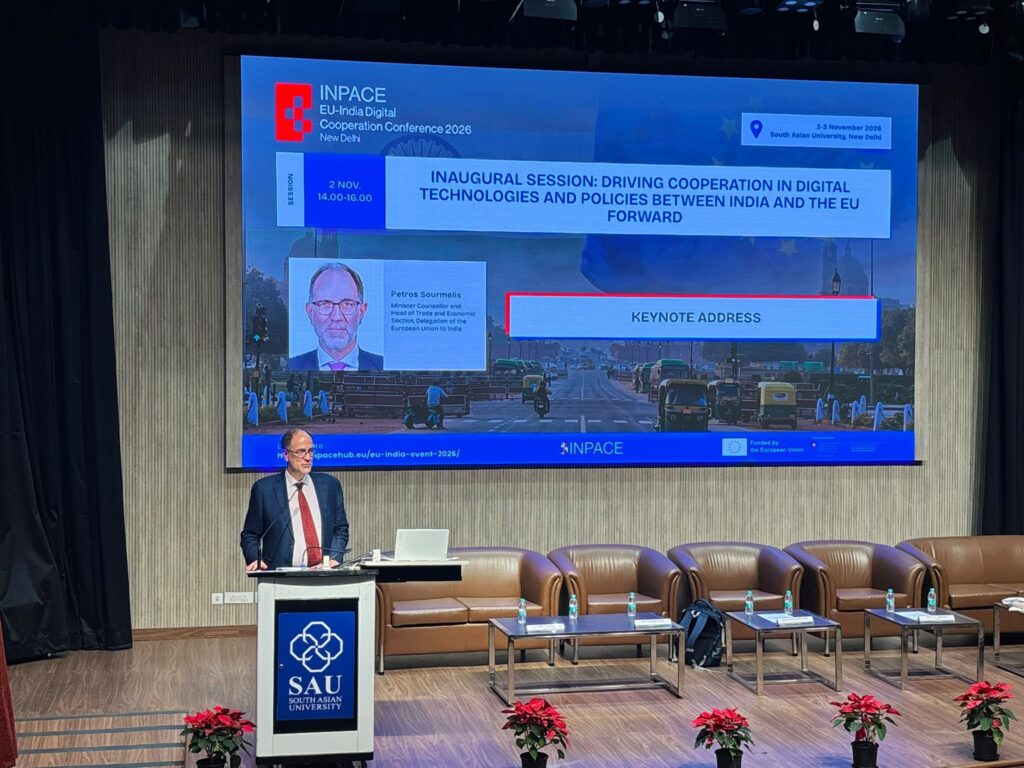
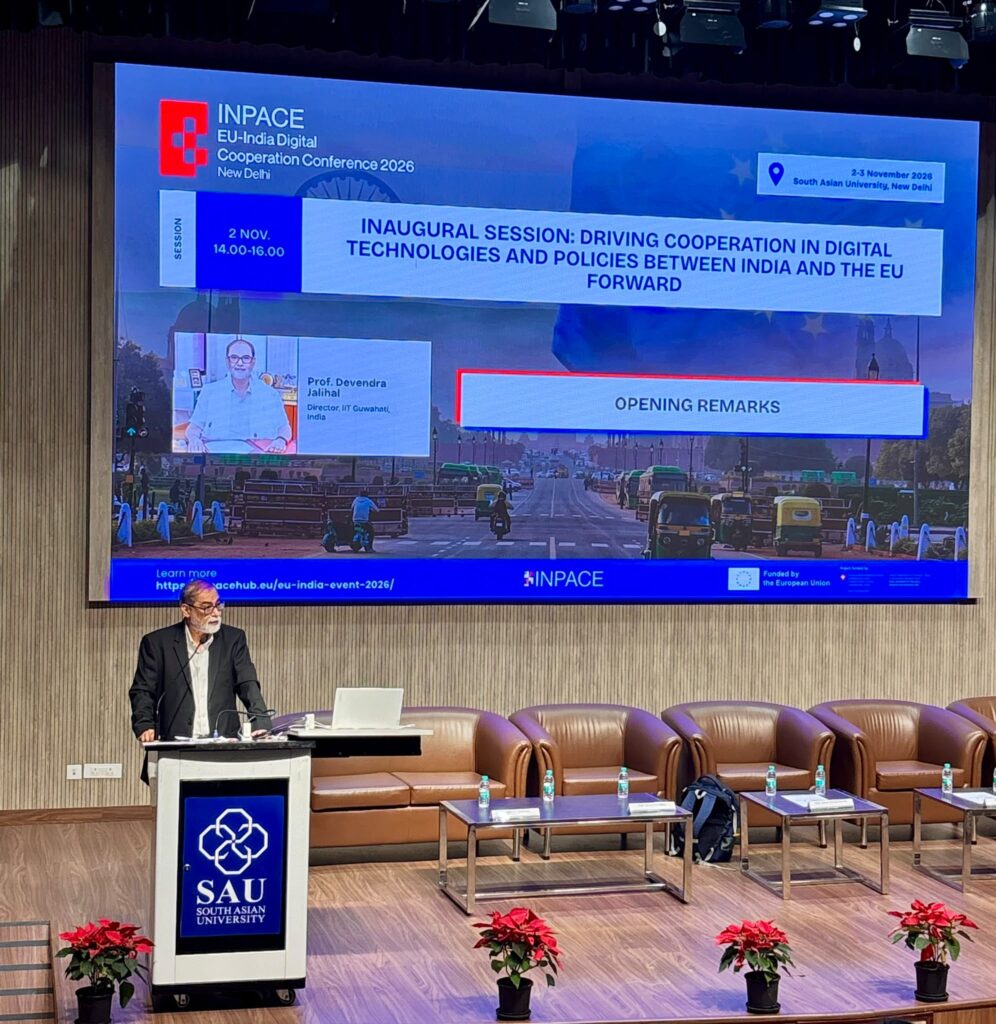
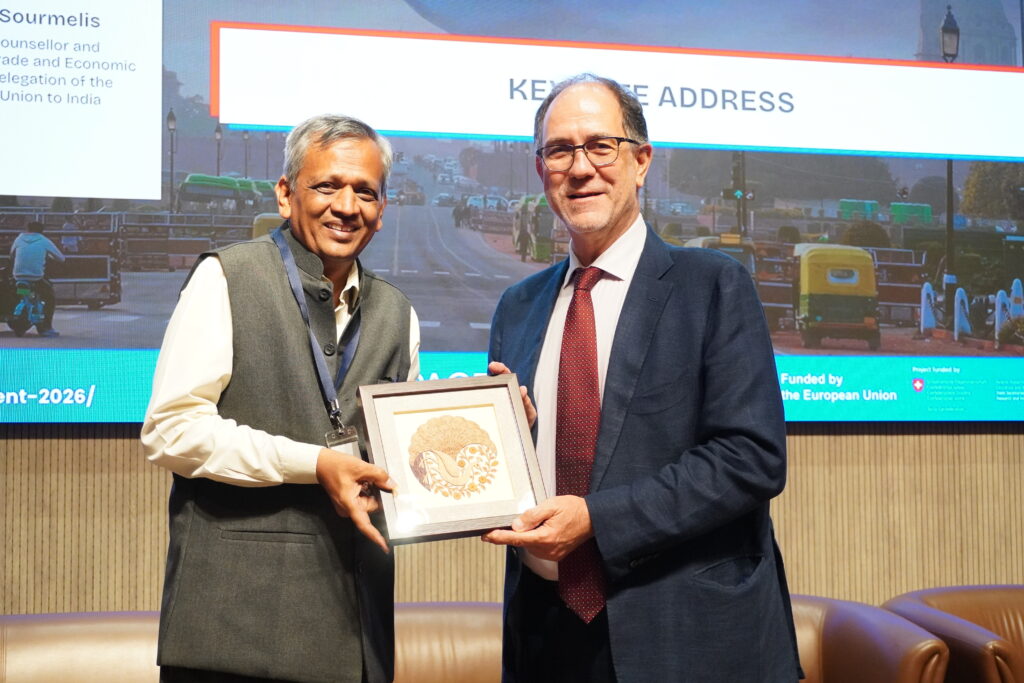
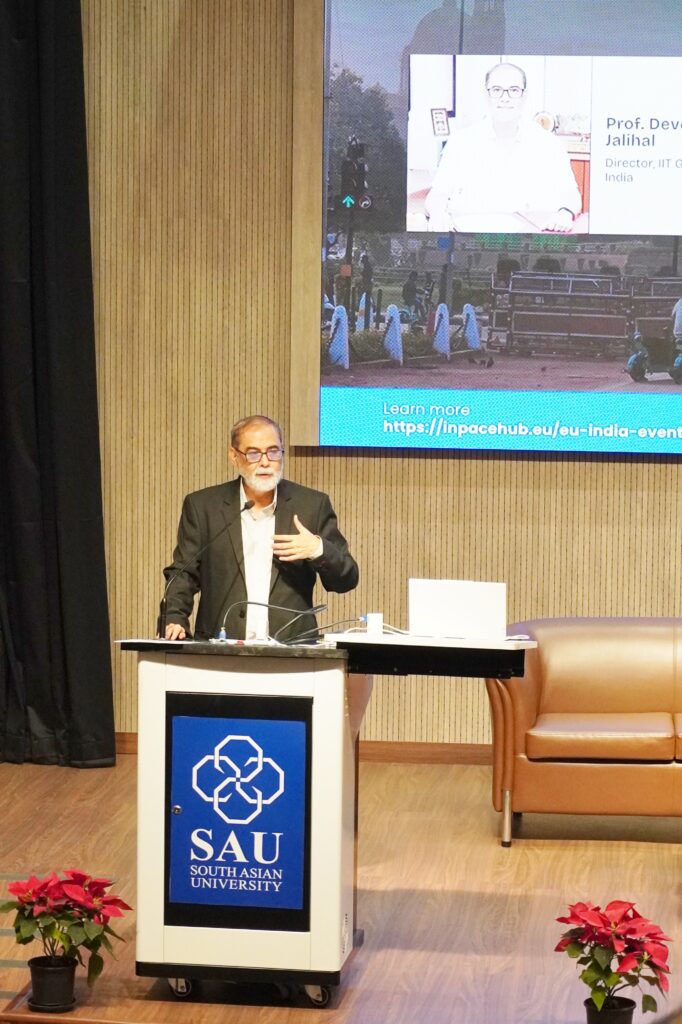
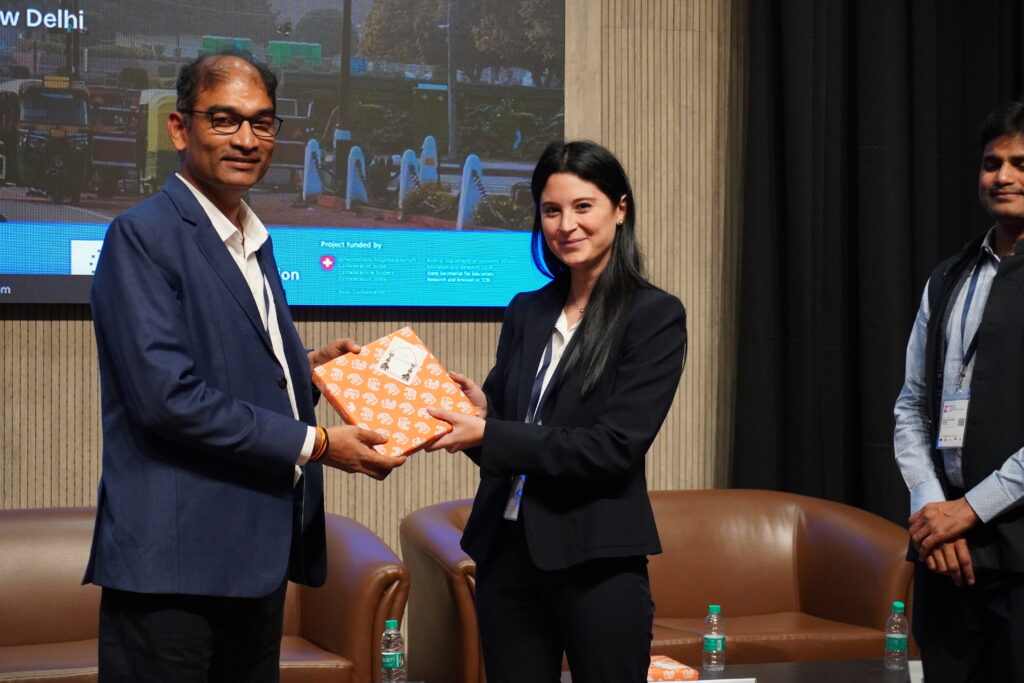
Opening remarks were provided by Prof. Devendra Jalihal, Director of Indian Institute of Technology, Guwahati, followed by keynote addresses by Petros Sourmelis, Minister Counsellor and Head of Trade and Economic Section, Delegation of the European Union to India.
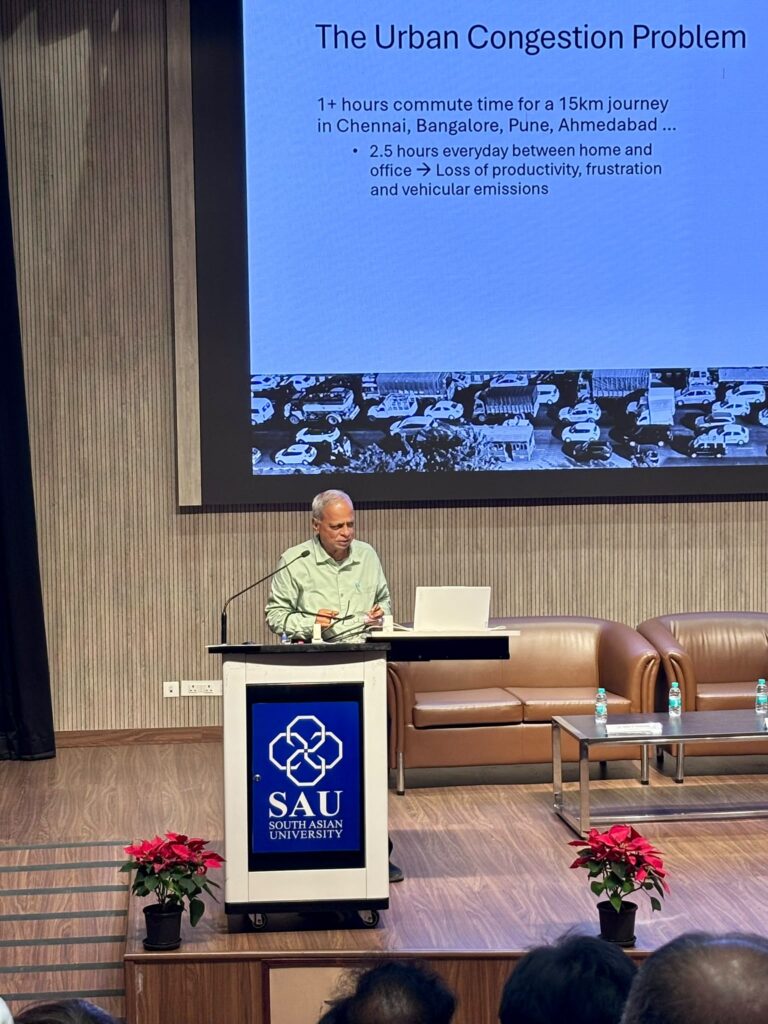
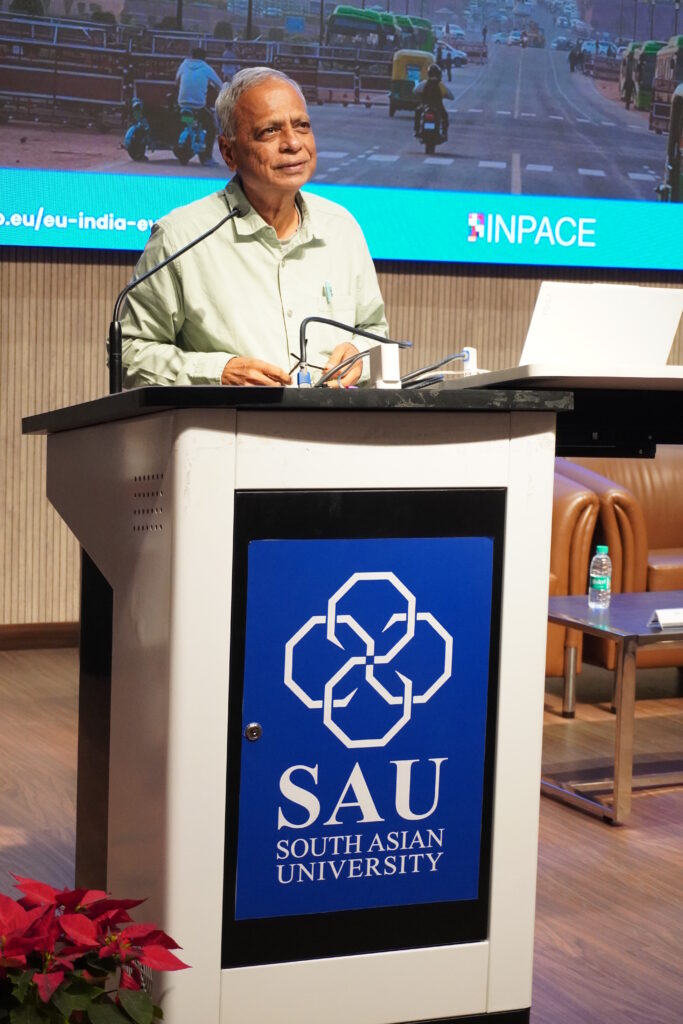
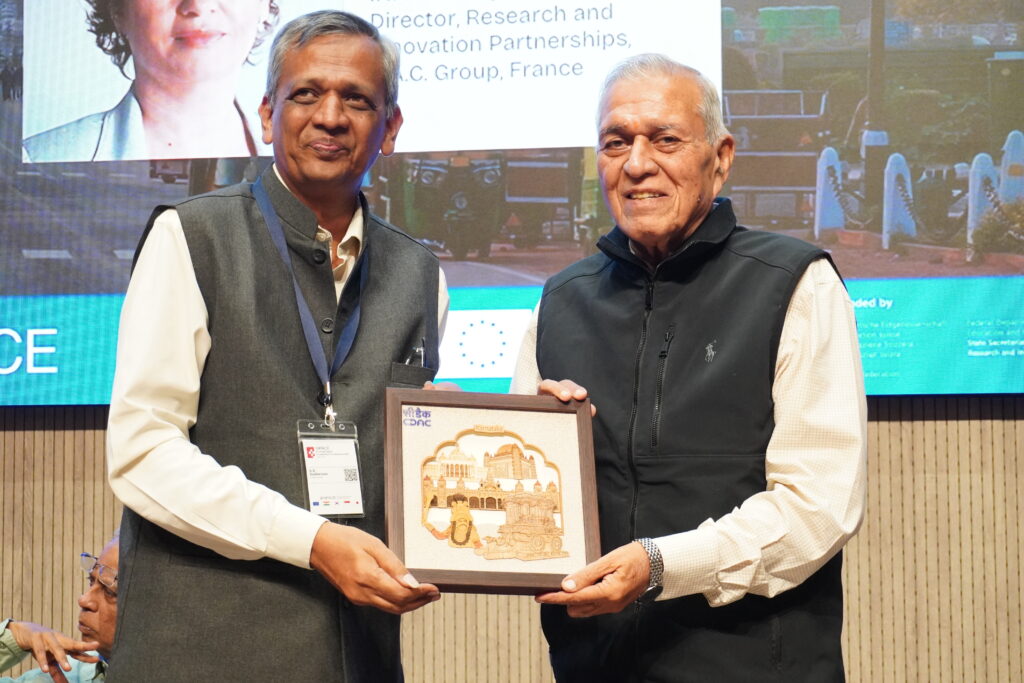
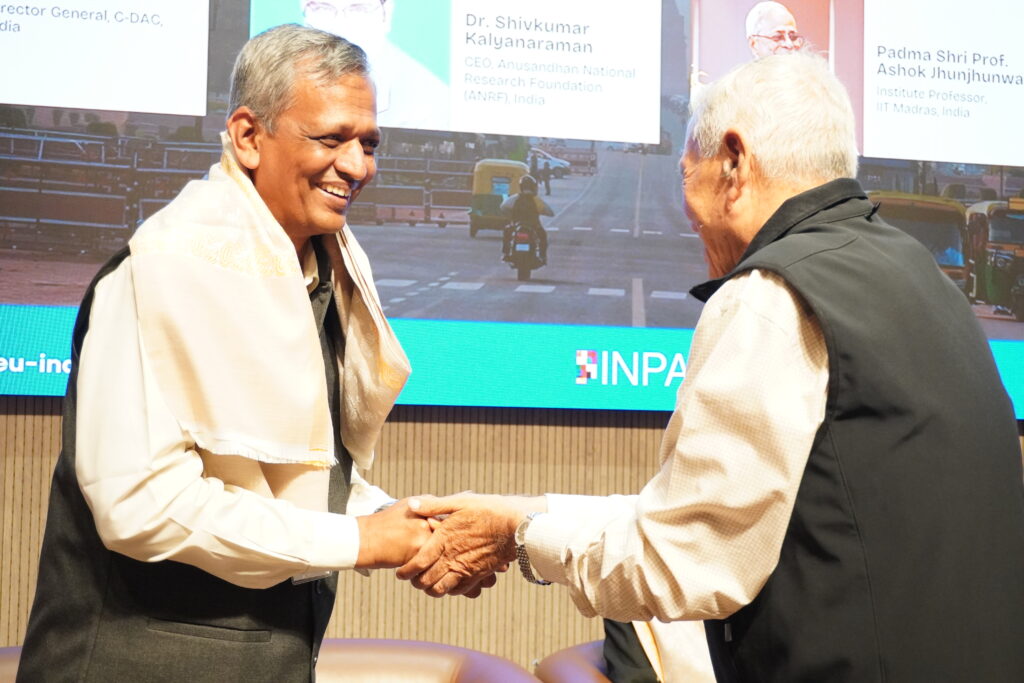
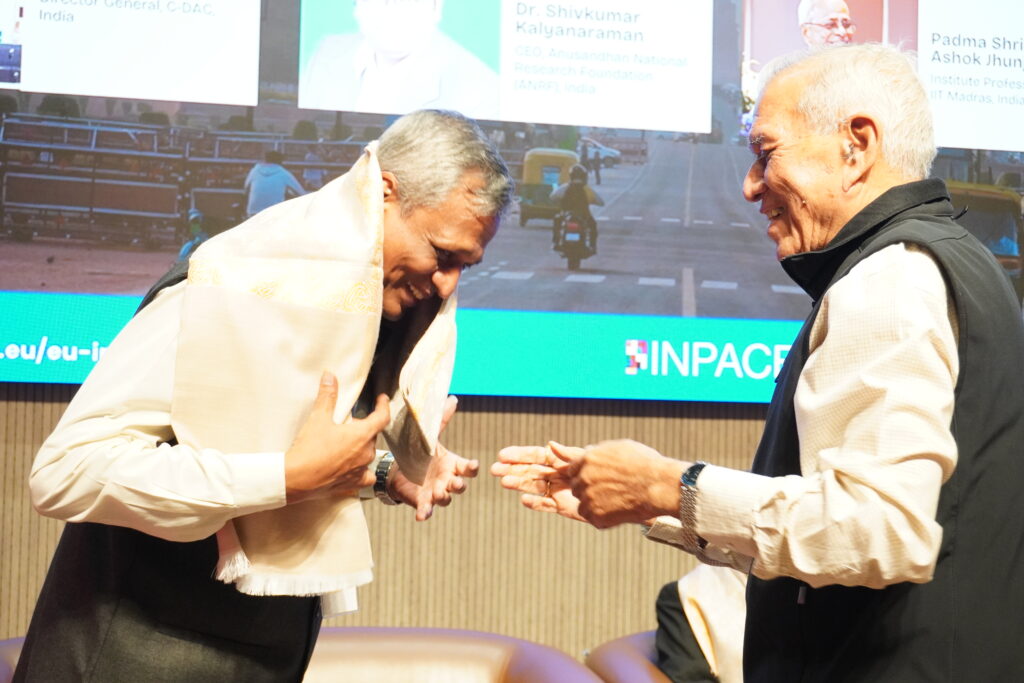
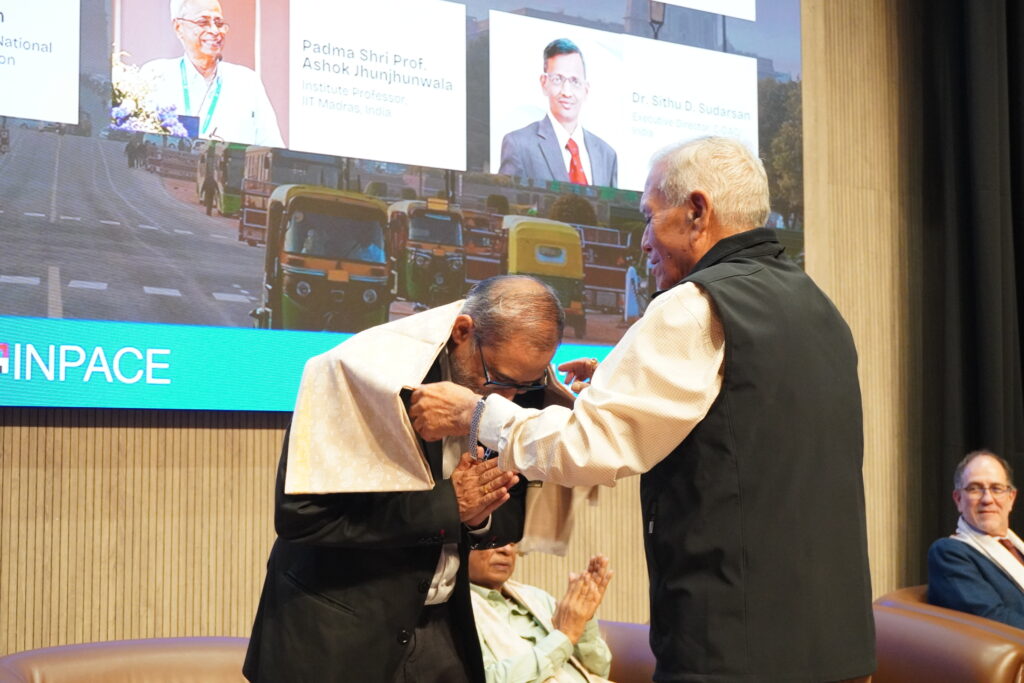
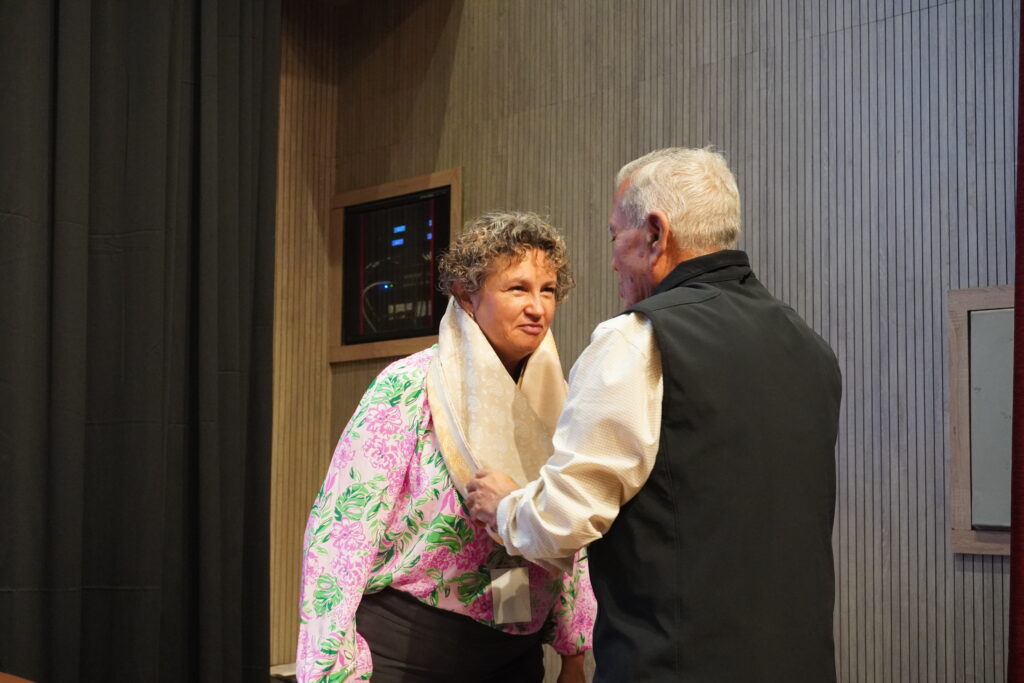
Padma Shri Prof. Ashok Jhunjhunwala, Institute Professor at Indian Institute of Technology, Madras, provided the Chief Guest address, with a presentation on startups driving India to be the third pole in technology.
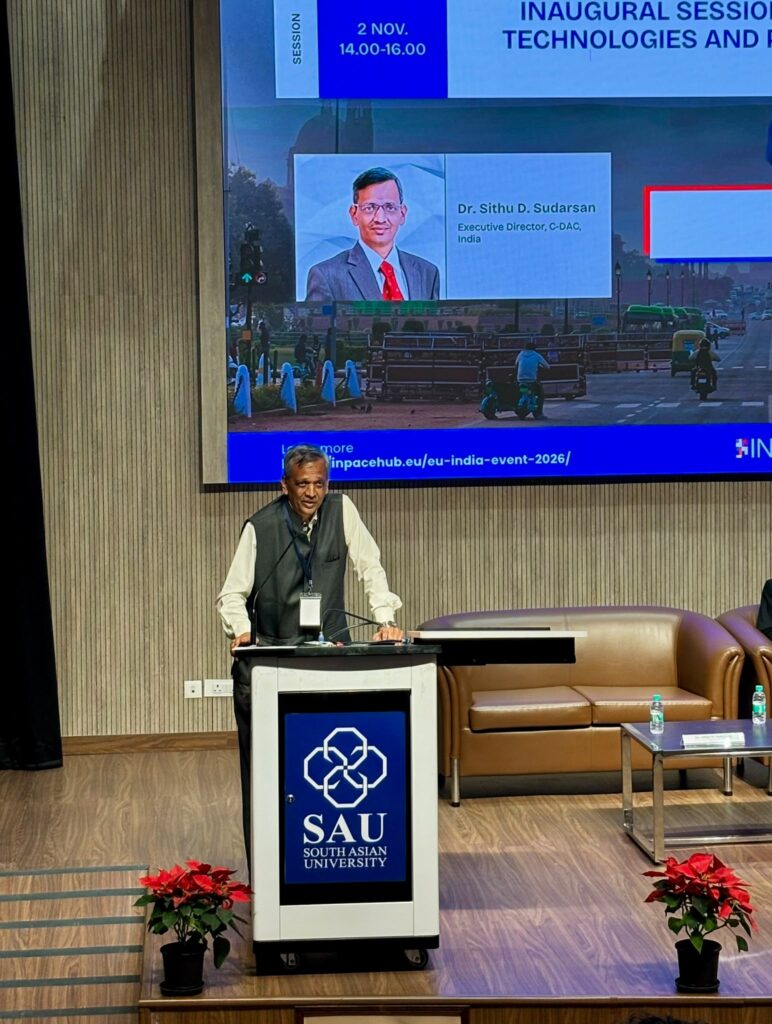
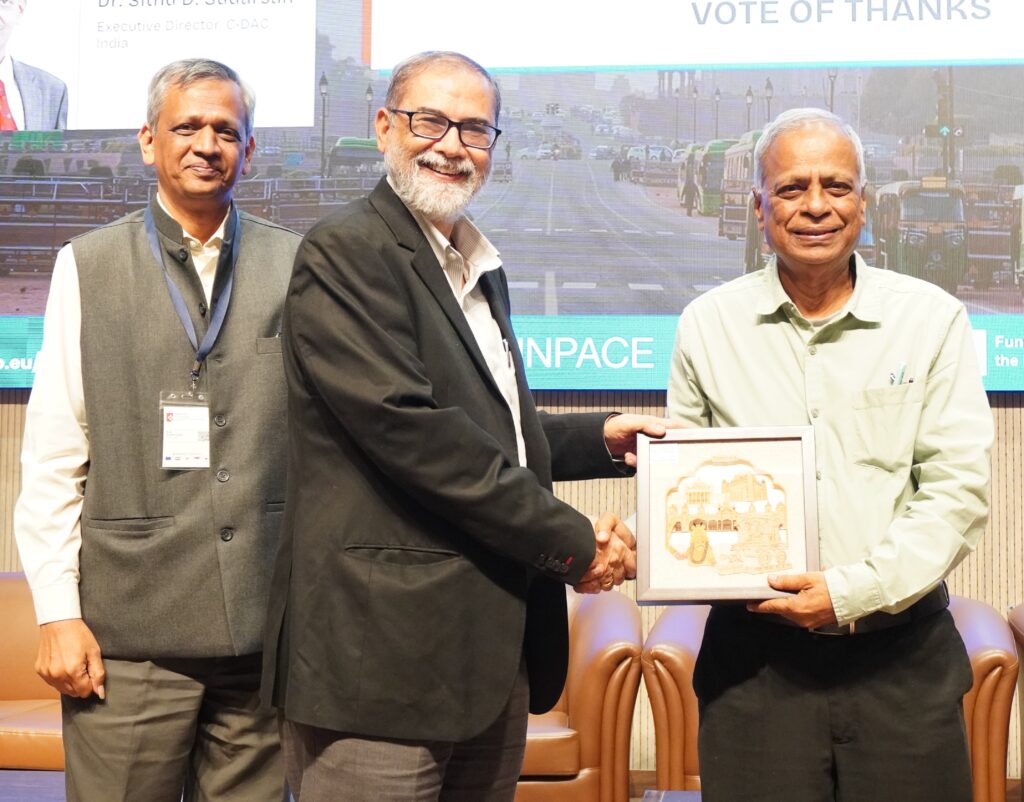
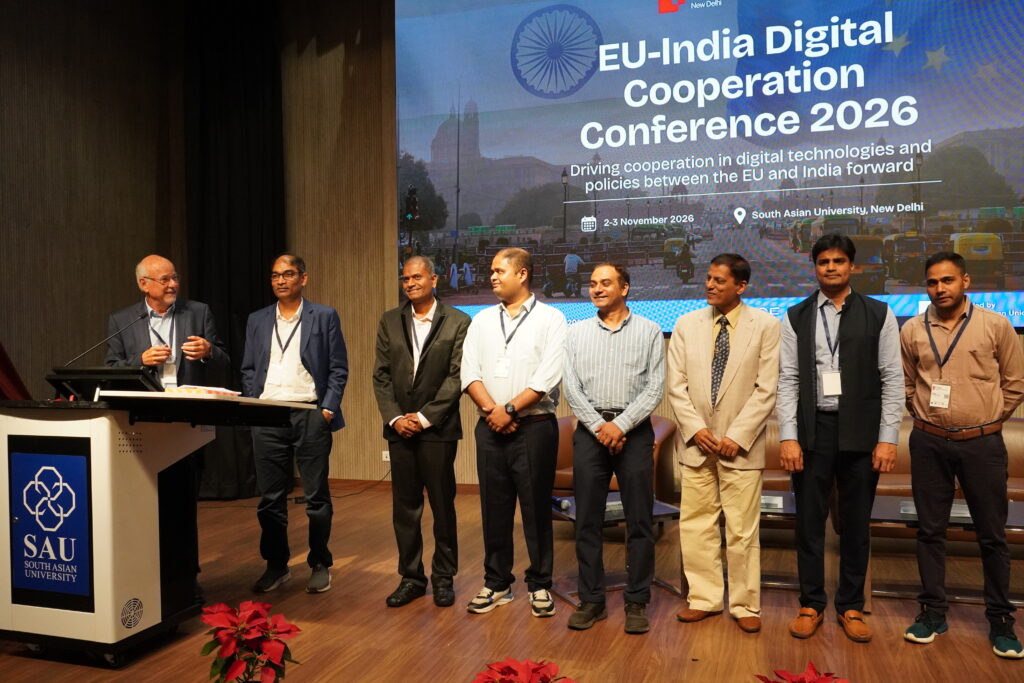
S D Sudarsan, Executive Director at C-DAC, delivered the vote of thanks.
Digital Innovation and Trust: Balancing Security, Regulation, and Growth
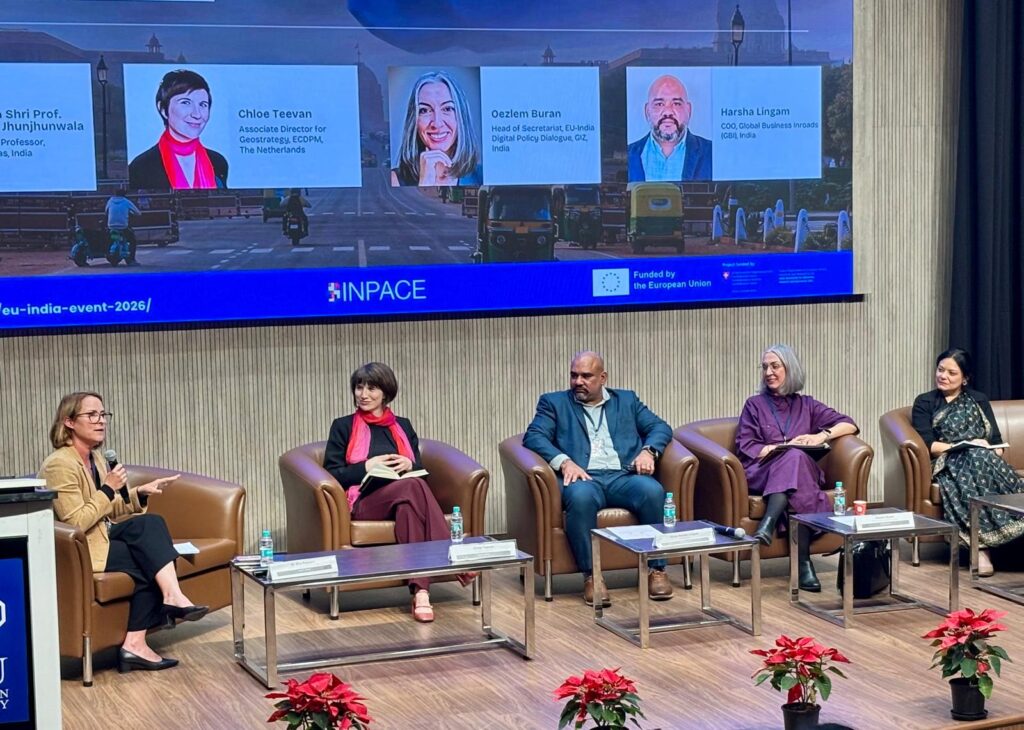
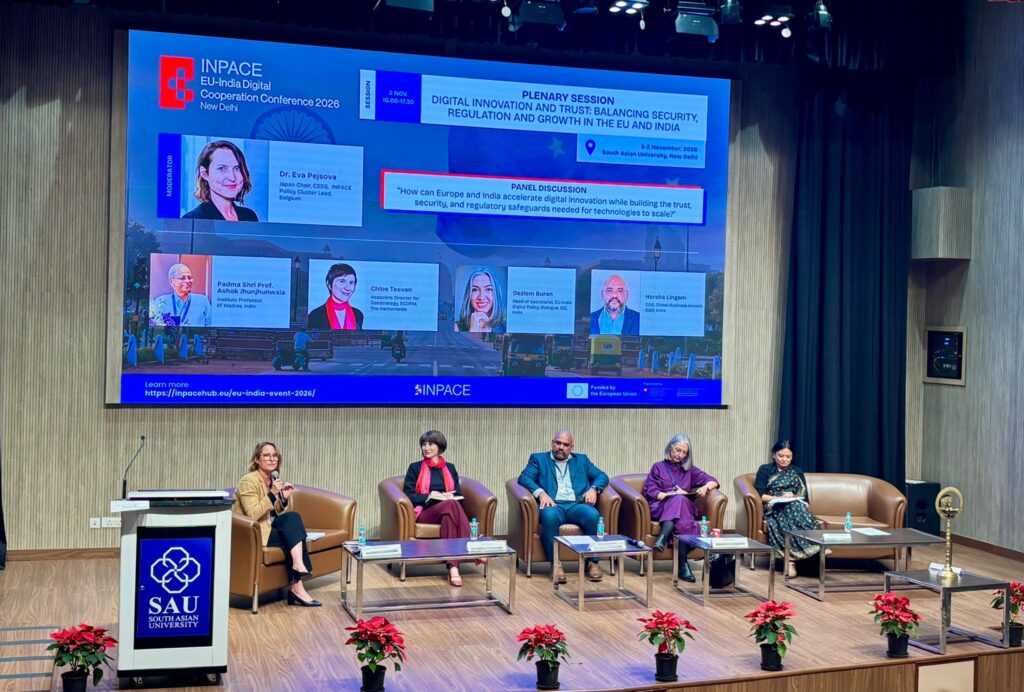
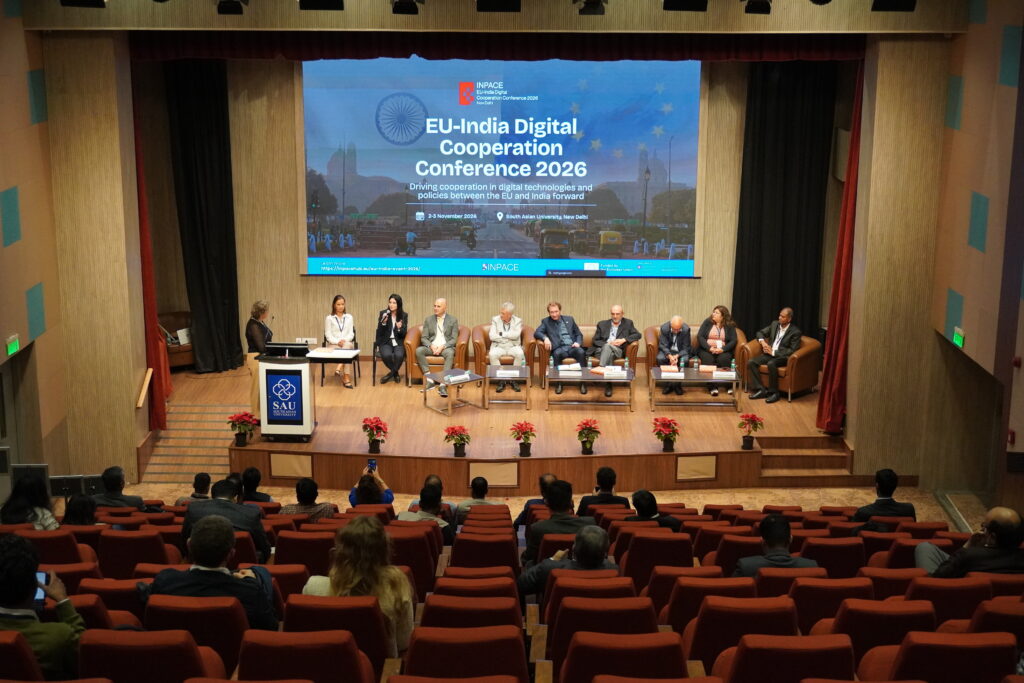
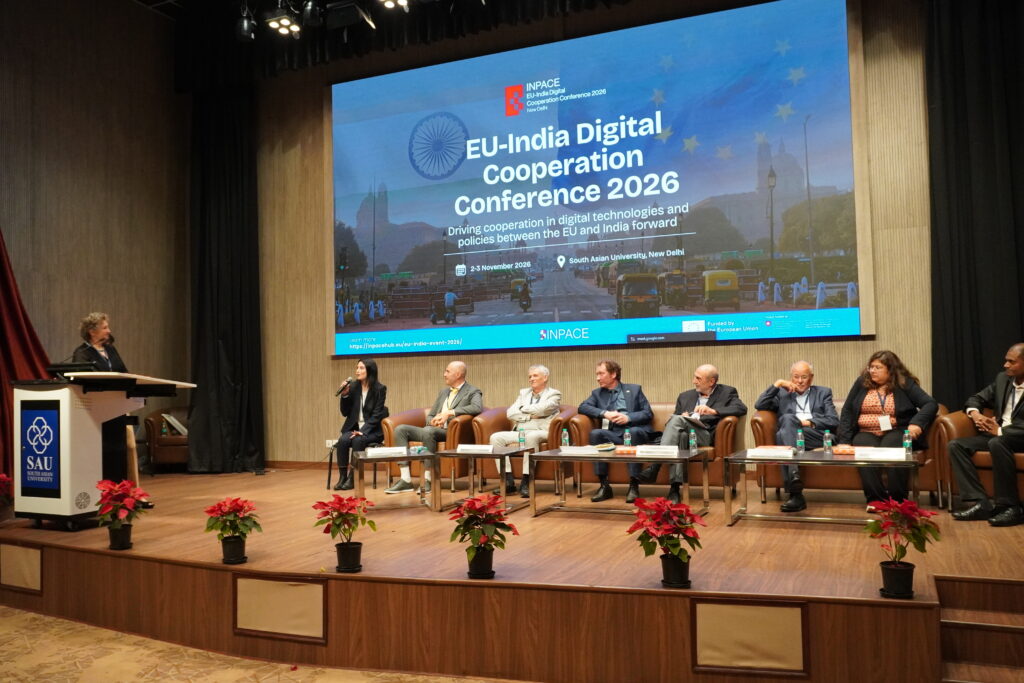
The first day concluded with a technical plenary session examining how Europe and India can accelerate digital innovation while establishing the trust, security, and regulatory safeguards needed for technologies to scale.
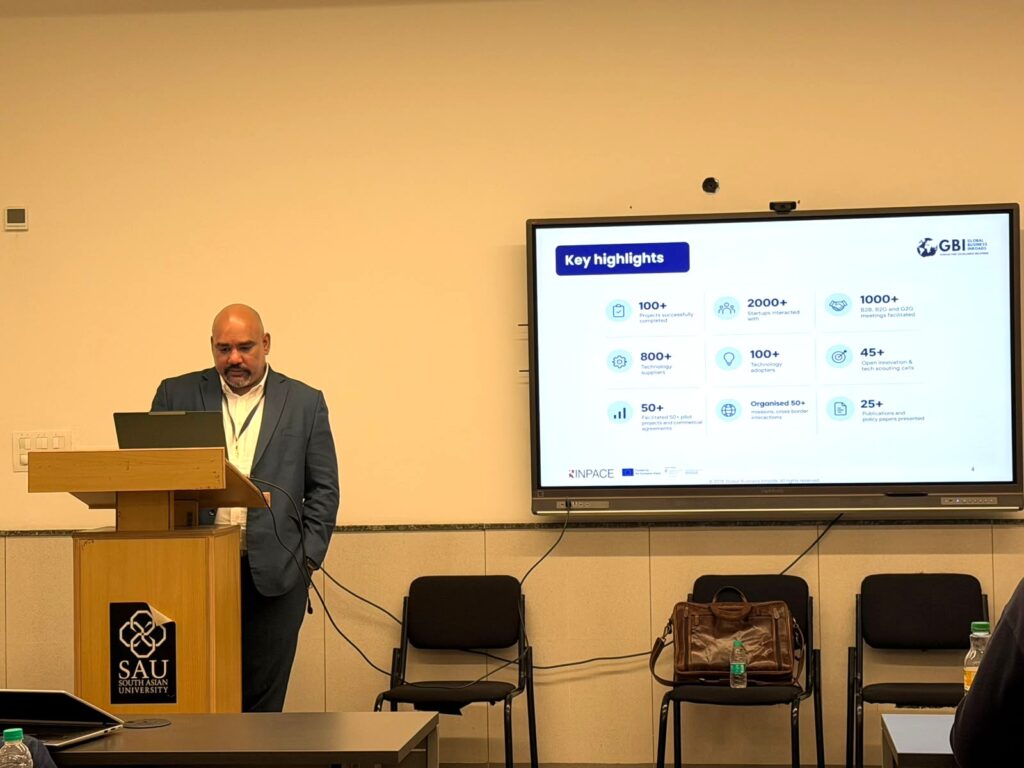
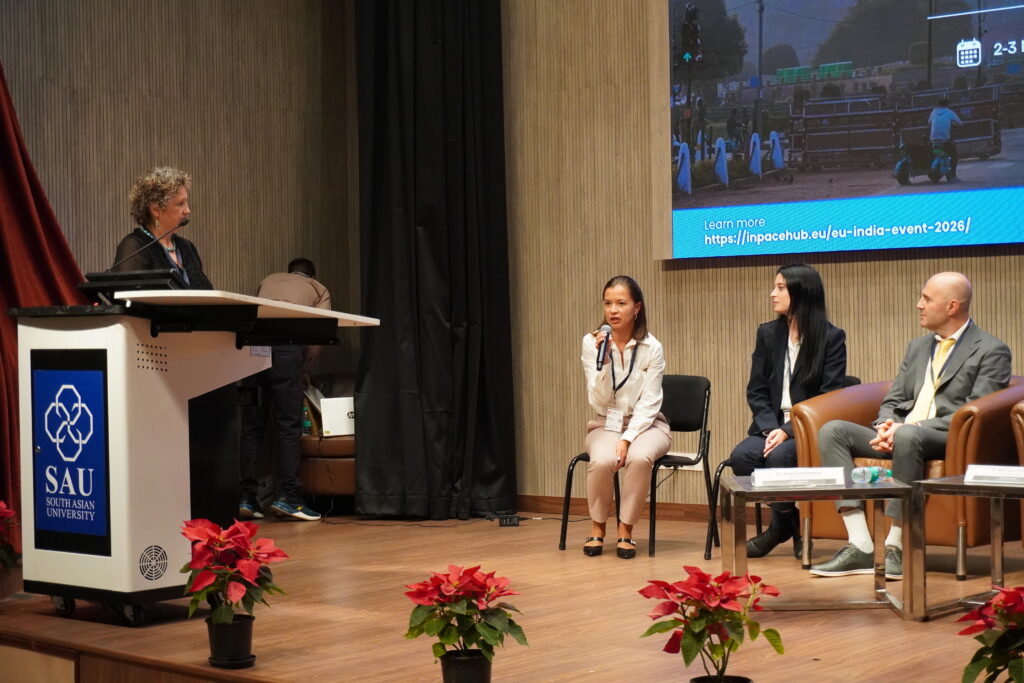
Moderated by Dr. Eva Pejsova, the panel featured Chloe Teevan, Associate Director for Geostrategy at ECDPM, Harsha Lingam, COO of Global Business Inroads (GBI), Özlem Buran, Head of Secretariat, EU–India Digital Policy Dialogue at GIZ, and Smriti Parsheera, Independent researcher.
Day 2 – 3 November 2026: Technical Cooperation, Future Partnerships, and Funding Opportunities
The second day continued with parallel breakout sessions examining opportunities for joint research, technological development, and cross-regional collaboration.
HPC and AI: Connecting European and Indian Ecosystems
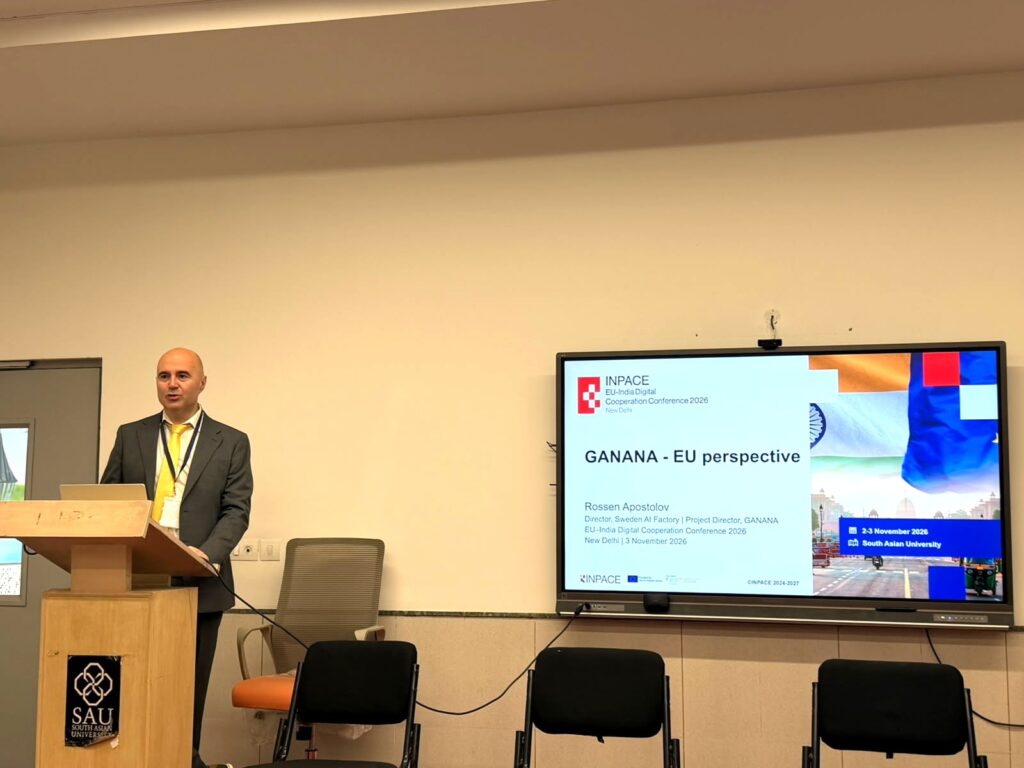
The breakout session “How Can Europe and India Shape the Next Era of HPC and AI Together?”, organised by Dr. Rossen Apostolov of Sweden AI Factory, explored the growing convergence of high-performance computing and artificial intelligence.
Building on the experience and networks developed through the GANANA project, the session addressed computing infrastructure, AI-enabled science and engineering, joint research, and opportunities to strengthen connections between European and Indian HPC and AI ecosystems.
The session concluded with a panel discussion, “Priorities and Mechanisms for the Next Phase of EU–India Cooperation in HPC and AI”, moderated by Dr. Vinod Jani of C-DAC, focusing on possible approaches to longer-term cooperation.
Health Data Sharing, Semiconductors, Digital Trust, and Deep-Tech Innovation
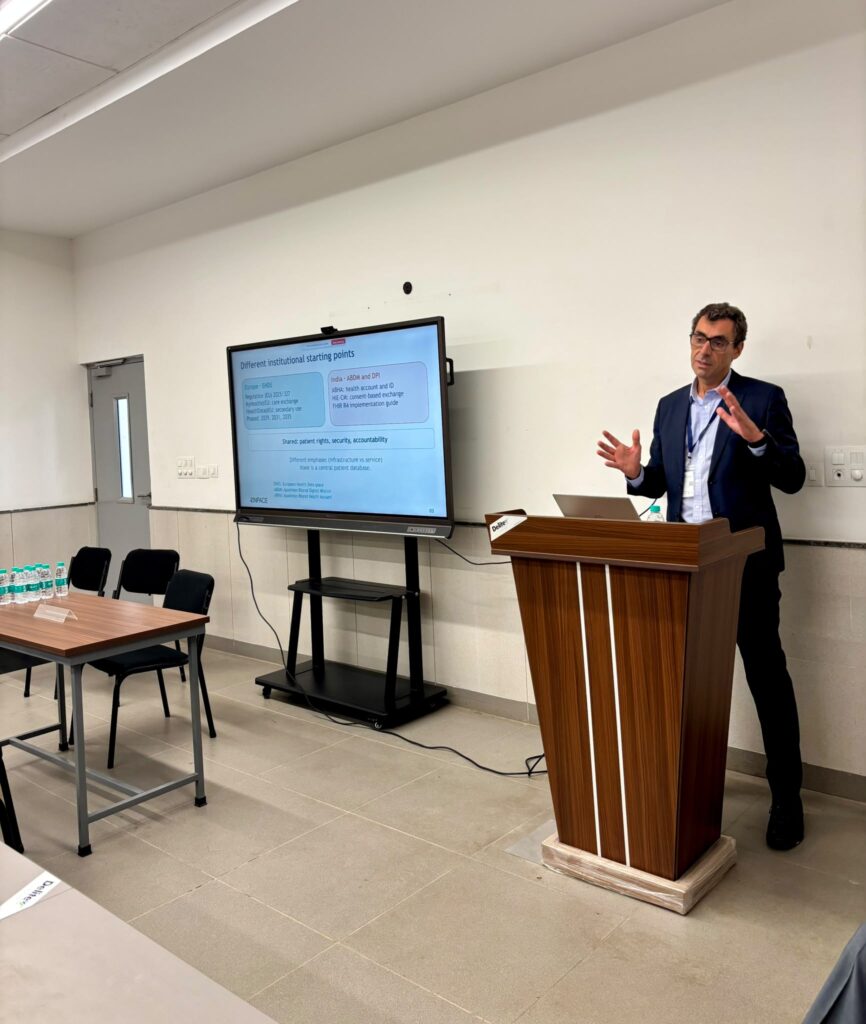
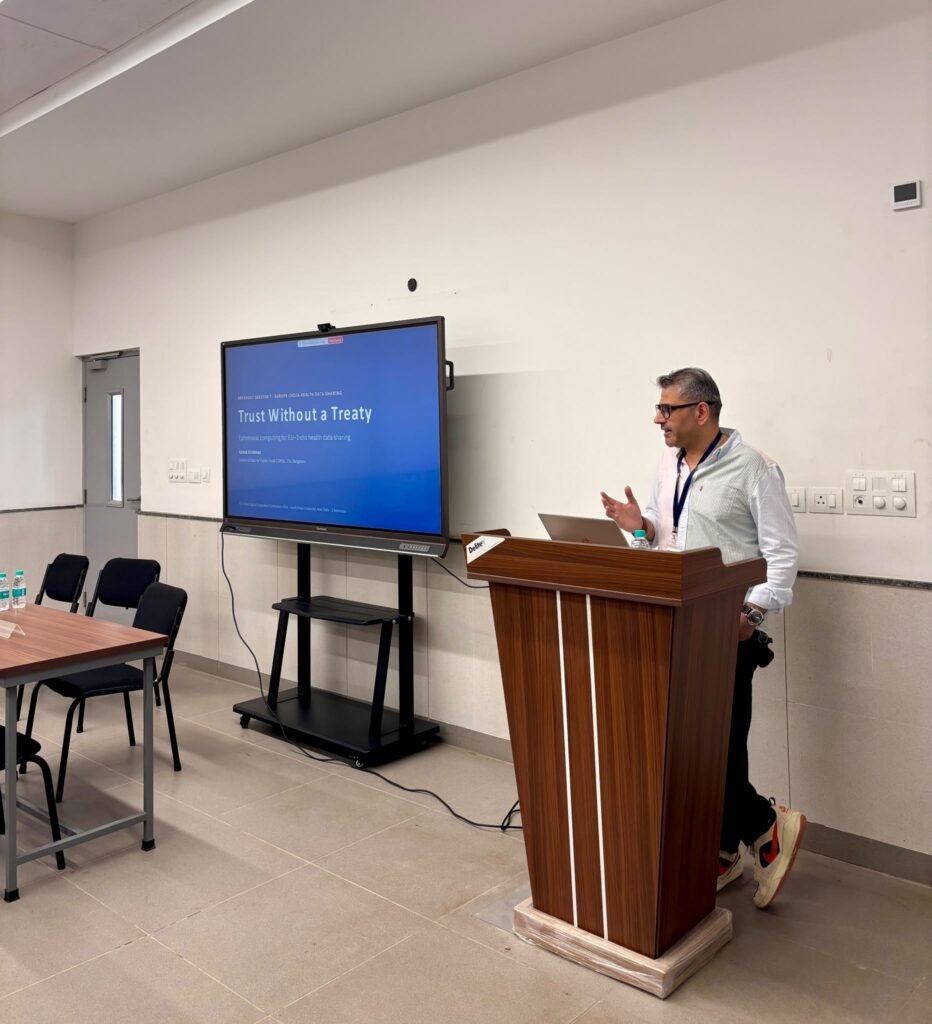
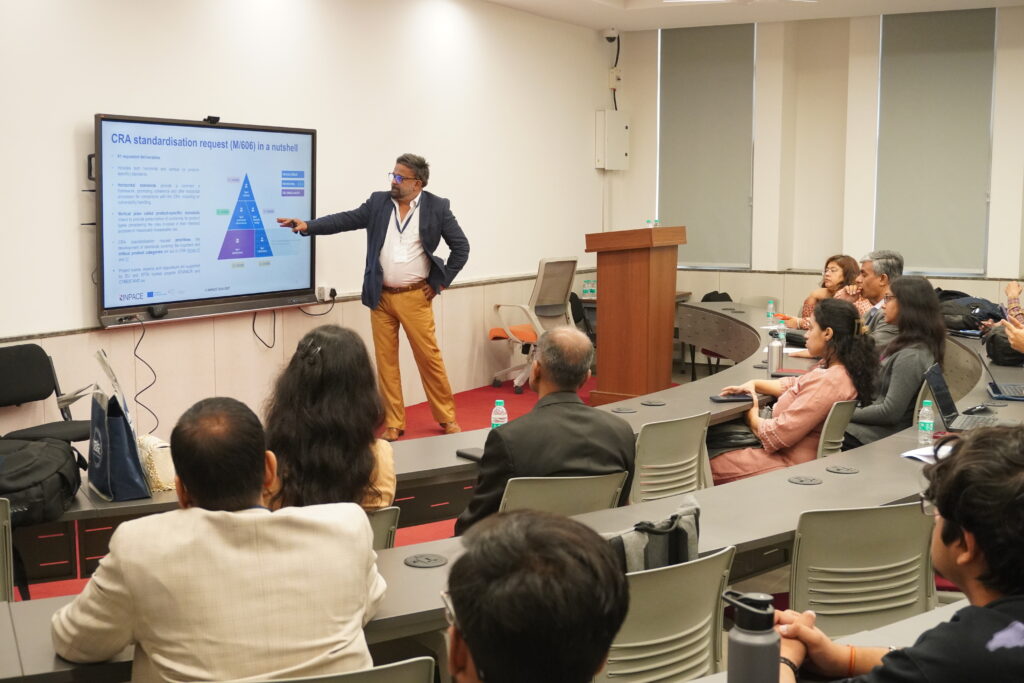
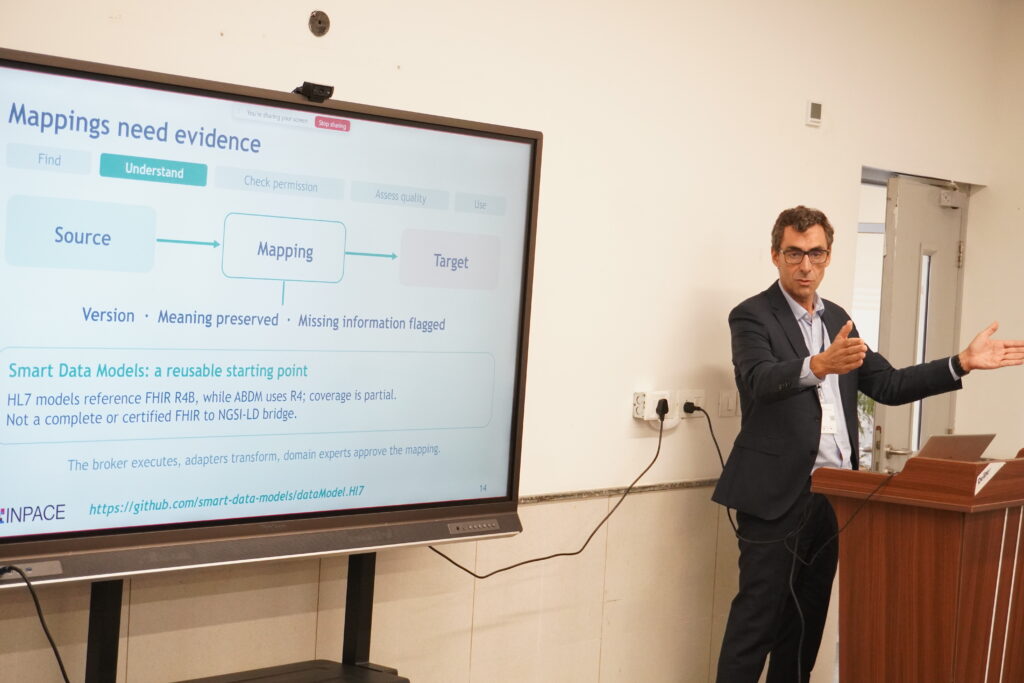
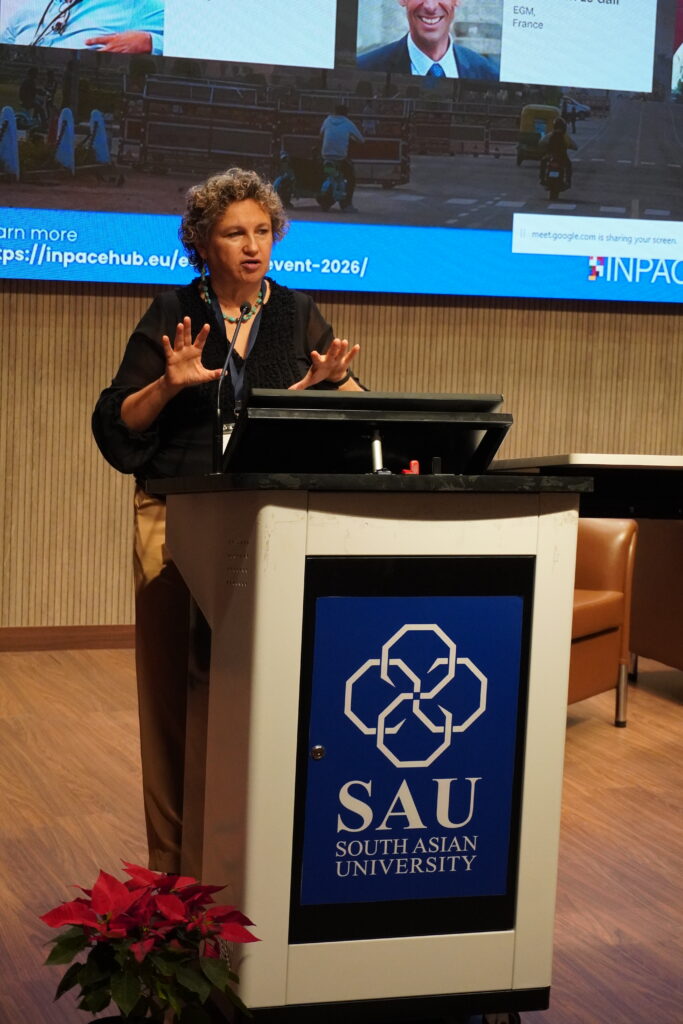
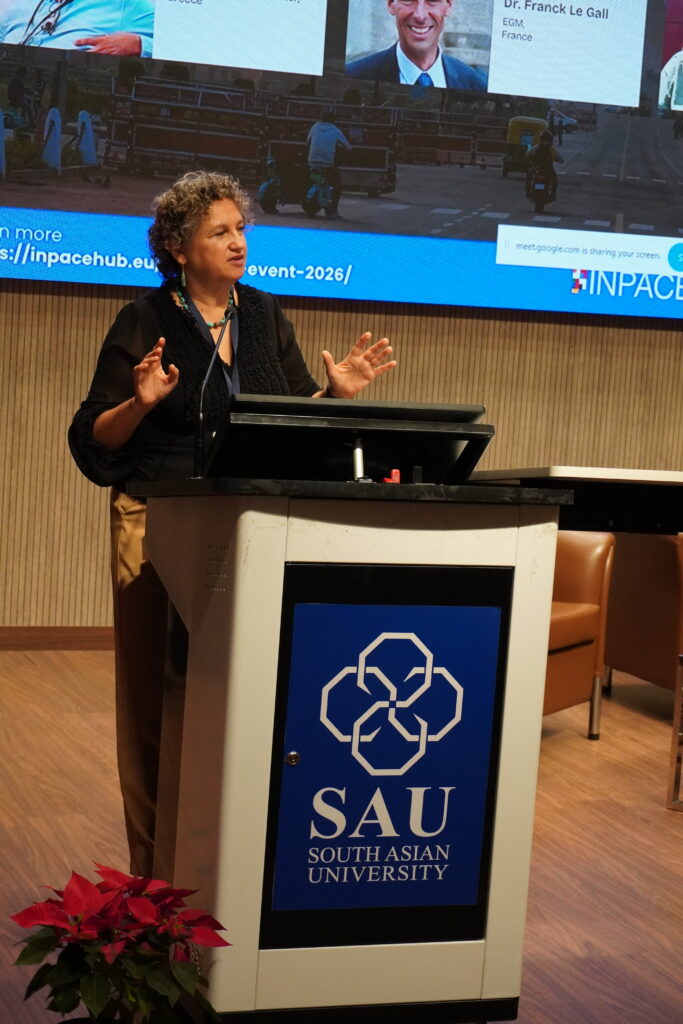
A breakout session on Data Sharing between Europe and India for the Purpose of Cross-Regional Services in Health Care, organised by Dr. Antonis Ramfos of Athens Technology Center and Dr. Franck Le Gall of EGM, examined opportunities for interoperability between European and Indian health data infrastructures. The discussion considered the European Health Data Space (EHDS) and India’s Ayushman Bharat Digital Mission (ABDM), addressing differences in architecture, governance, and regulatory approaches, as well as questions of secure data exchange, trust, privacy, and data sovereignty.
A second Semiconductors / Microelectronics session continued the exchanges initiated on Day 1, examining technological developments and areas of shared interest for future EU-India cooperation.
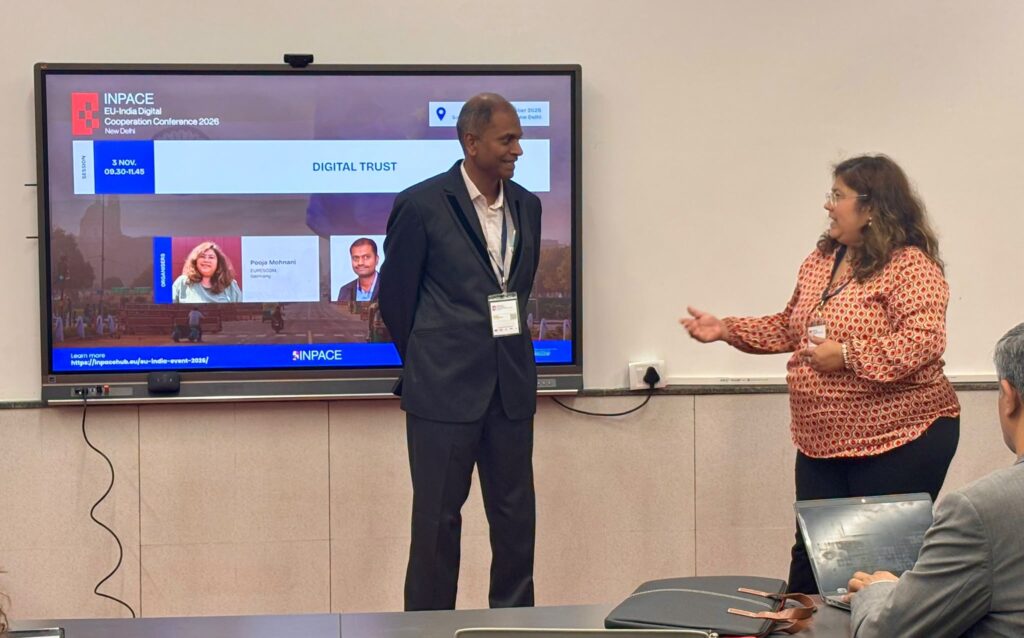
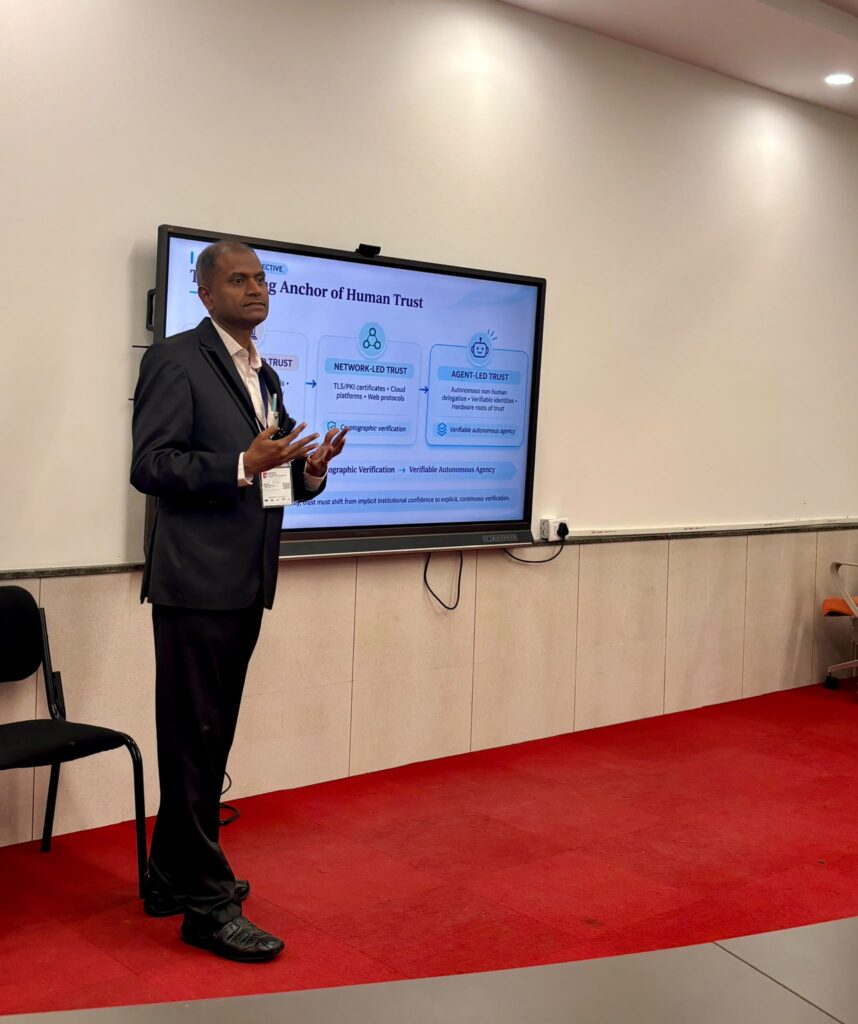
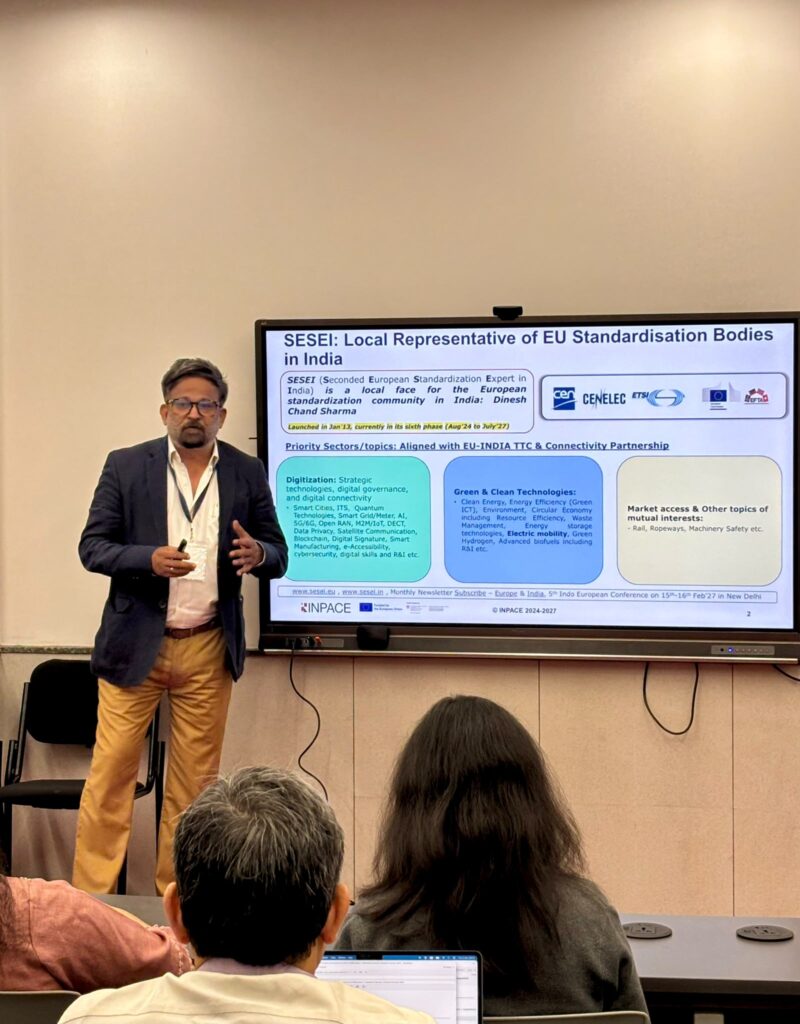
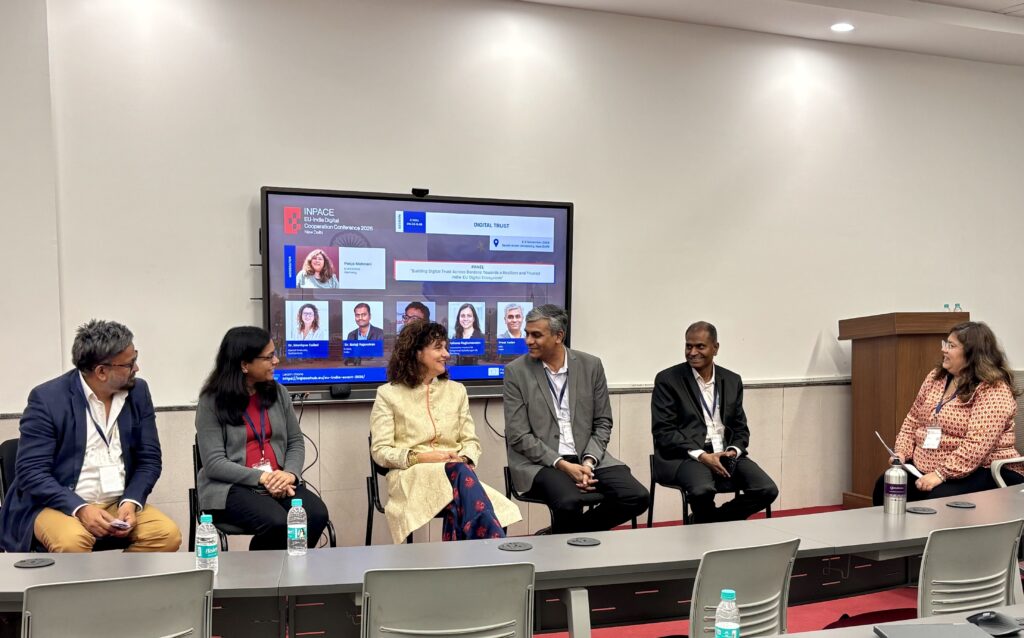
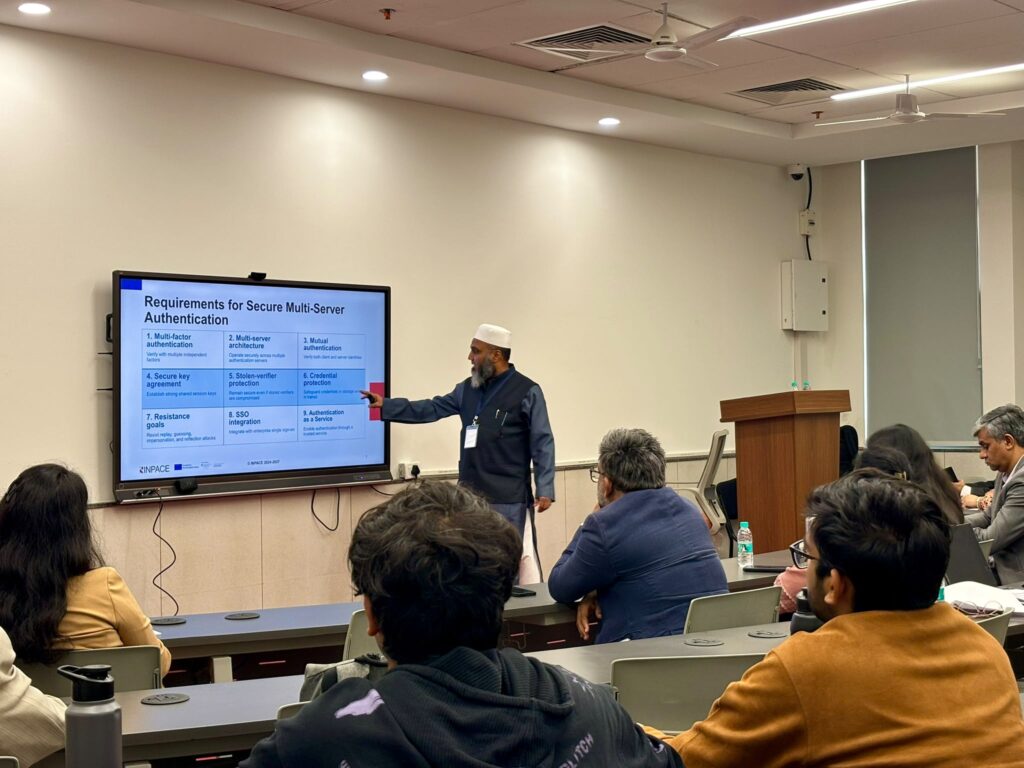
The Digital Trust breakout session, organised by Pooja Mohnani of Eurescom and Dr. Balaji Rajendran of C-DAC, explored opportunities for cooperation on trustworthy digital technologies, data governance, and security. The session also featured a panel discussion titled “Building Digital Trust Across Borders: Towards a Resilient and Trusted India–EU Digital Ecosystem”, moderated by Pooja Mohnani. The panel examined opportunities for strengthening digital trust and resilience across European and Indian digital ecosystems, including cooperation on security, trusted technologies, and standardisation.
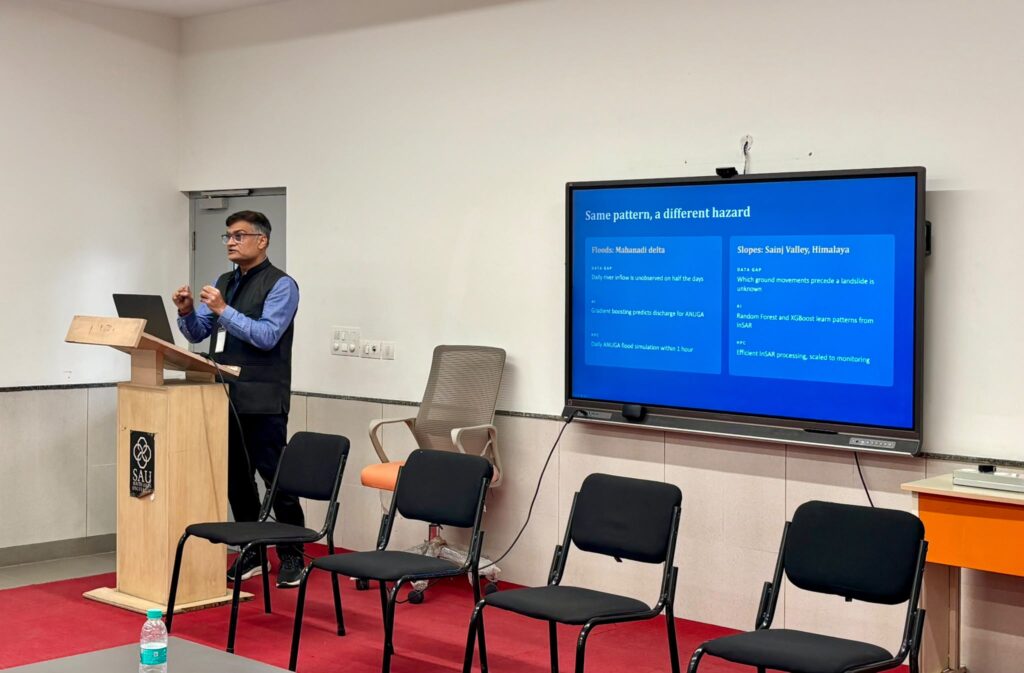
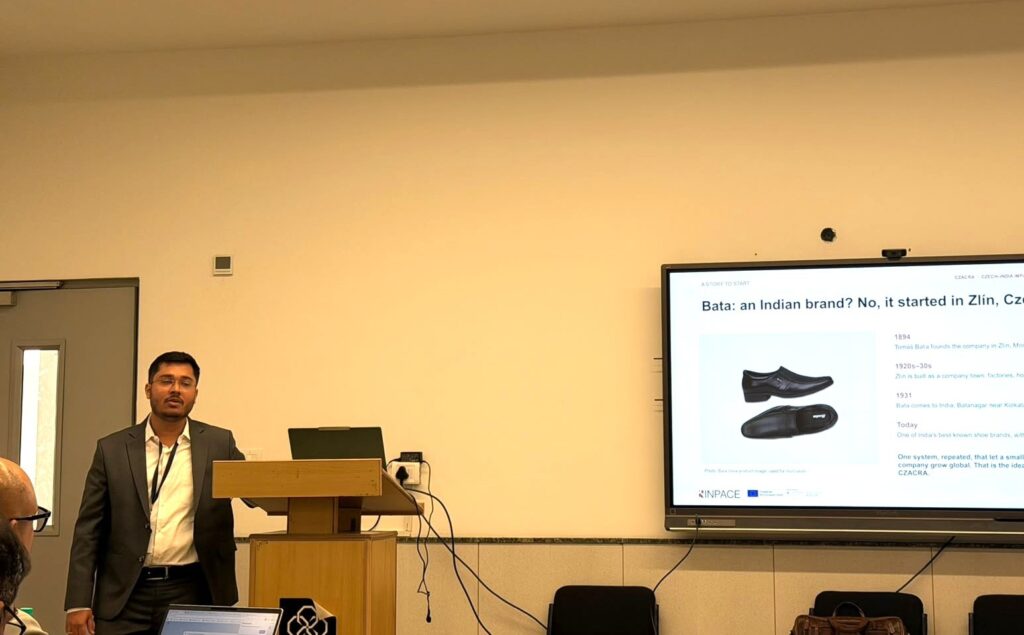
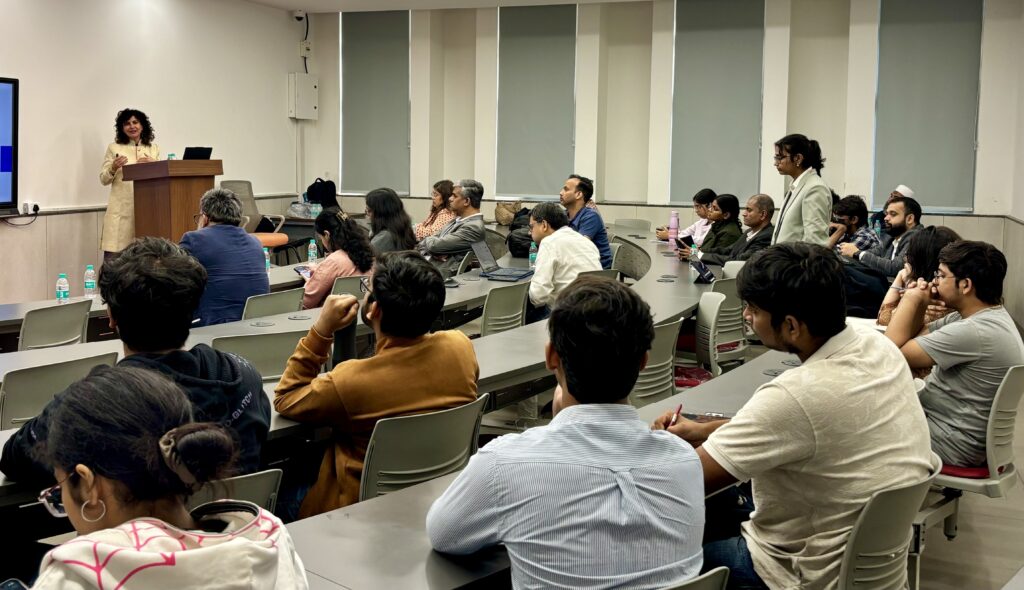
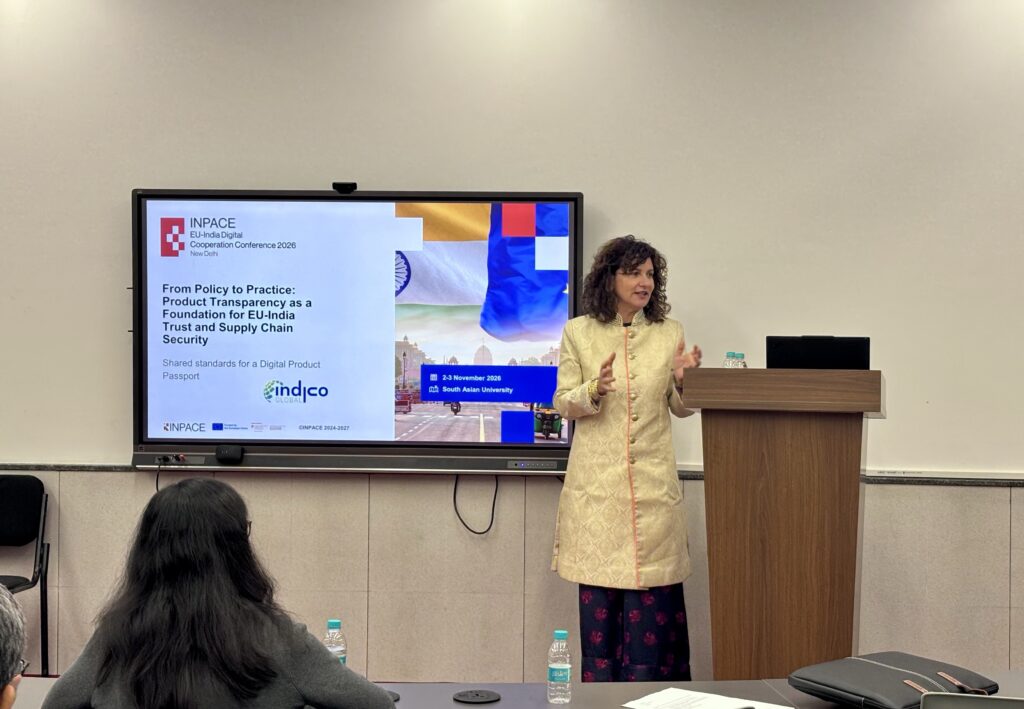
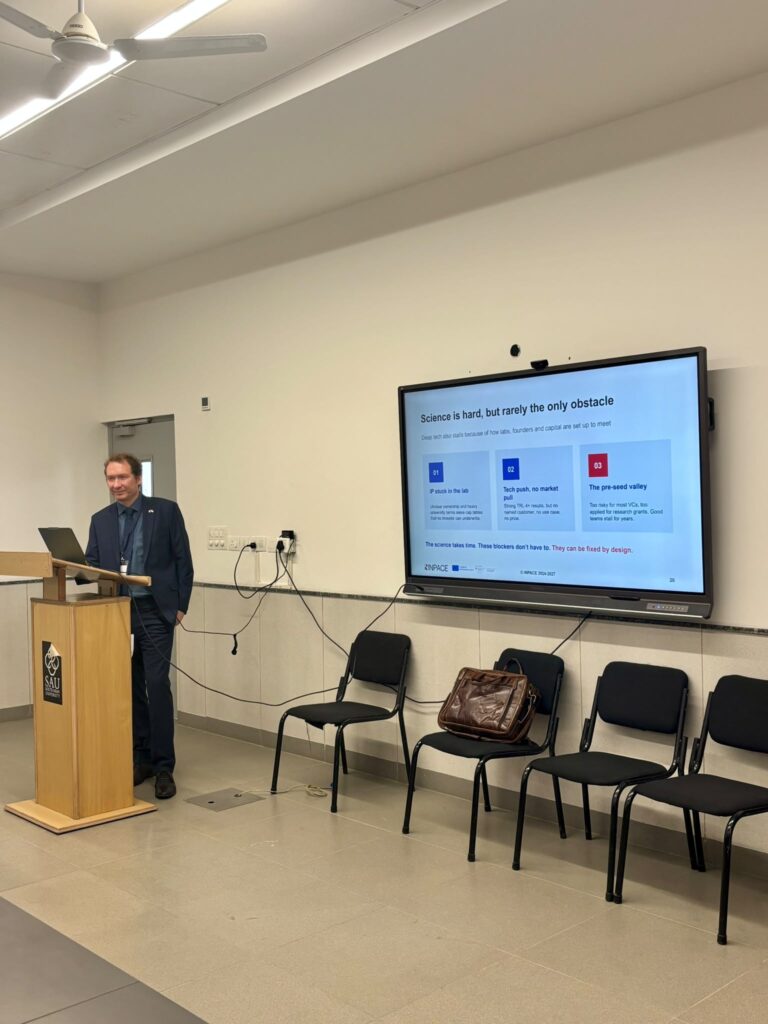
The breakout session “Deep Tech Innovation to Market Strategies, Including AI Compliance and Regulatory Measures”, organised by Dr. Vit Dockal of CIIRC CTU / INDRC, Czech Republic, and Prof. Senthilmurugan Subbiah of IIT Guwahati, India, explored opportunities to connect India’s deep-tech ecosystem with European research, investment, and markets. The session focused on supporting deep-tech ventures in moving from research and technology development towards commercialisation, including pilot projects, investment opportunities, and access to European markets. Through presentations and case studies, it examined practical approaches to strengthening EU-India cooperation in deep-tech innovation.
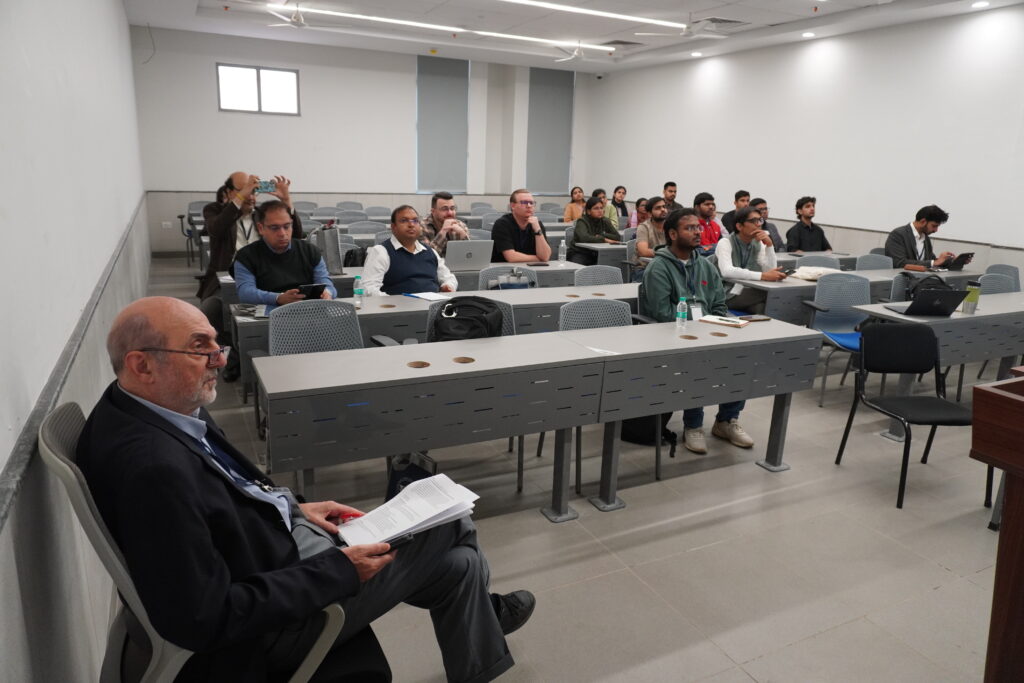
Convergence of HPC and AI: Perspectives from Europe and India
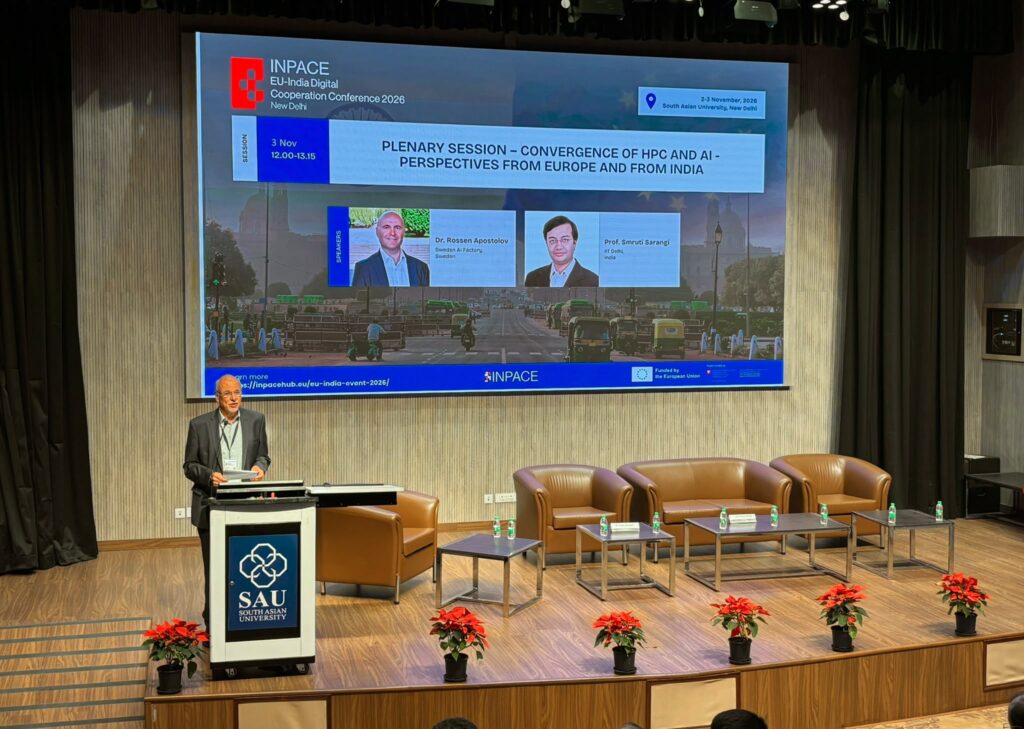
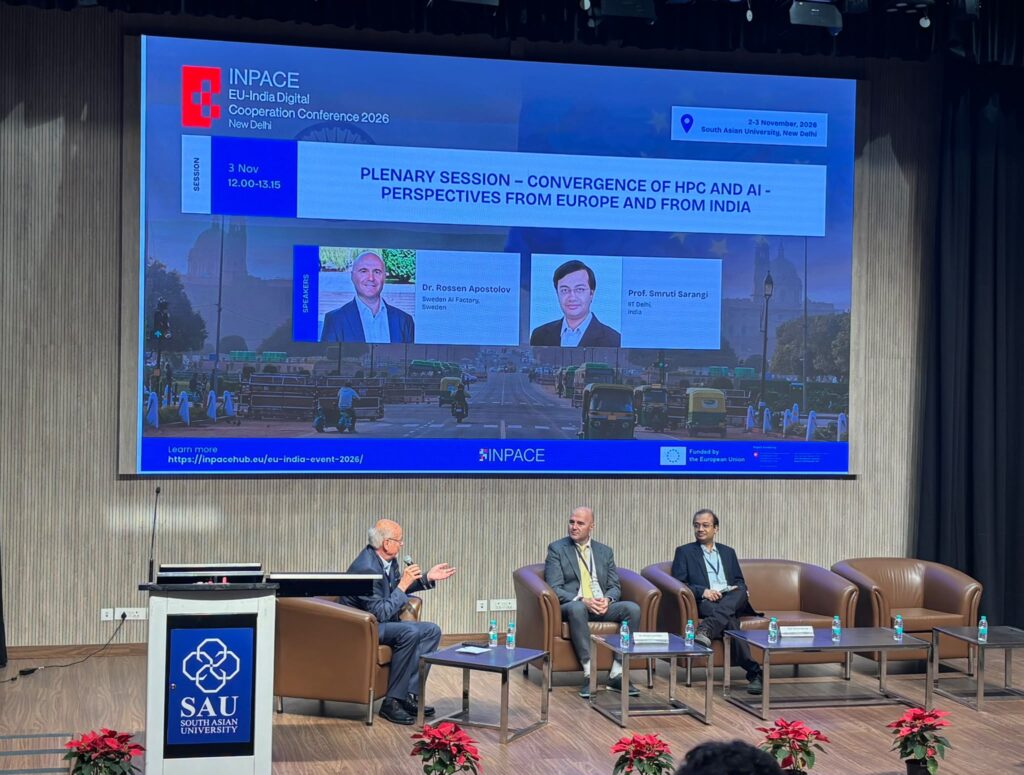
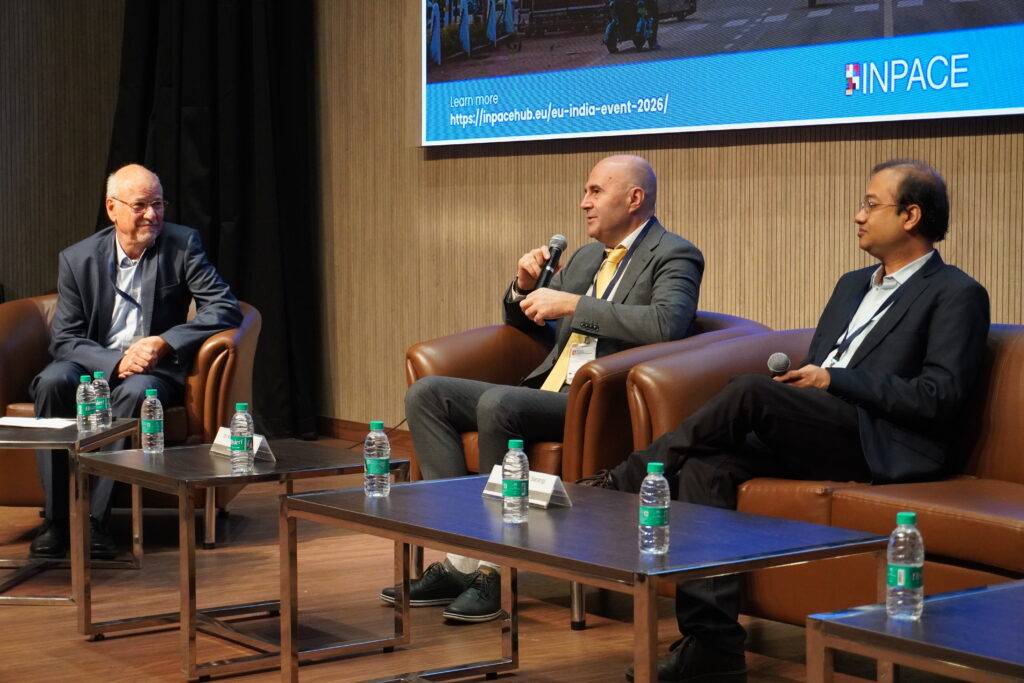
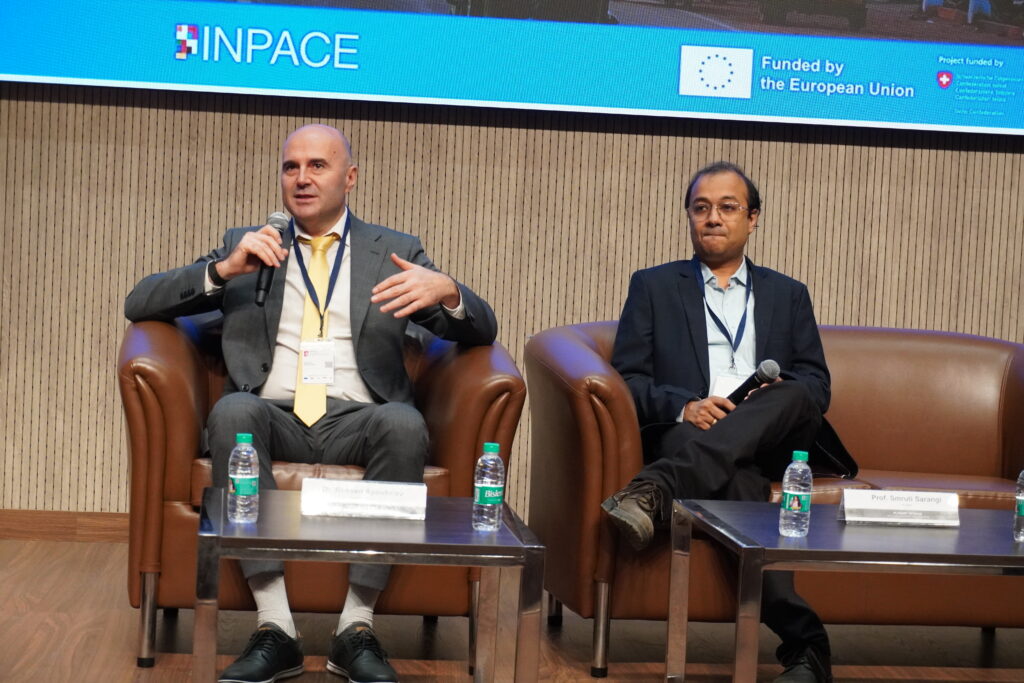
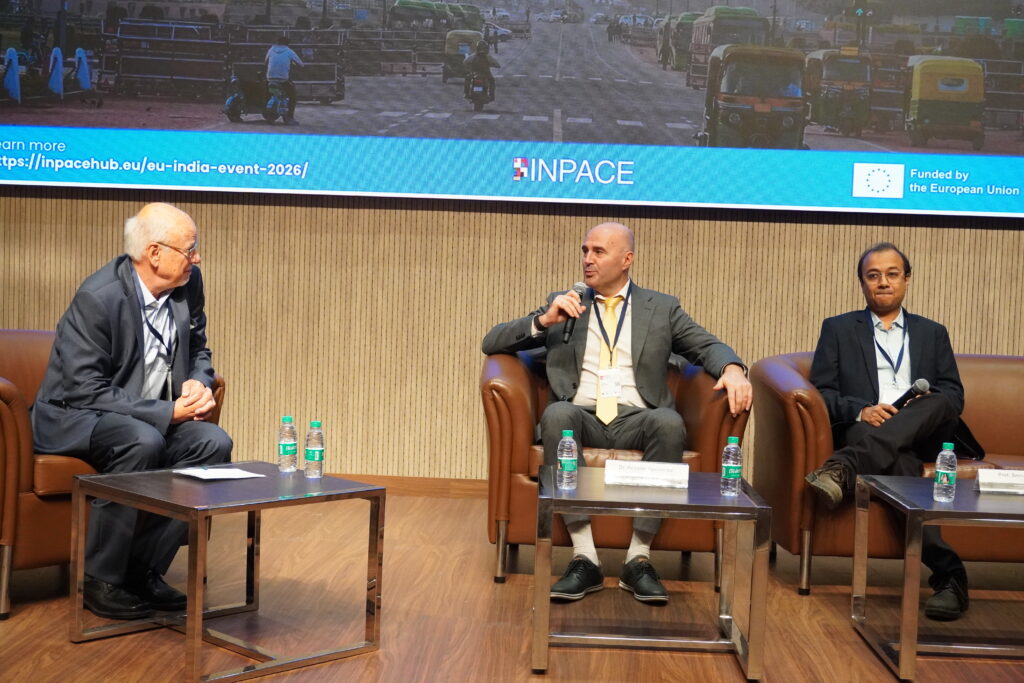
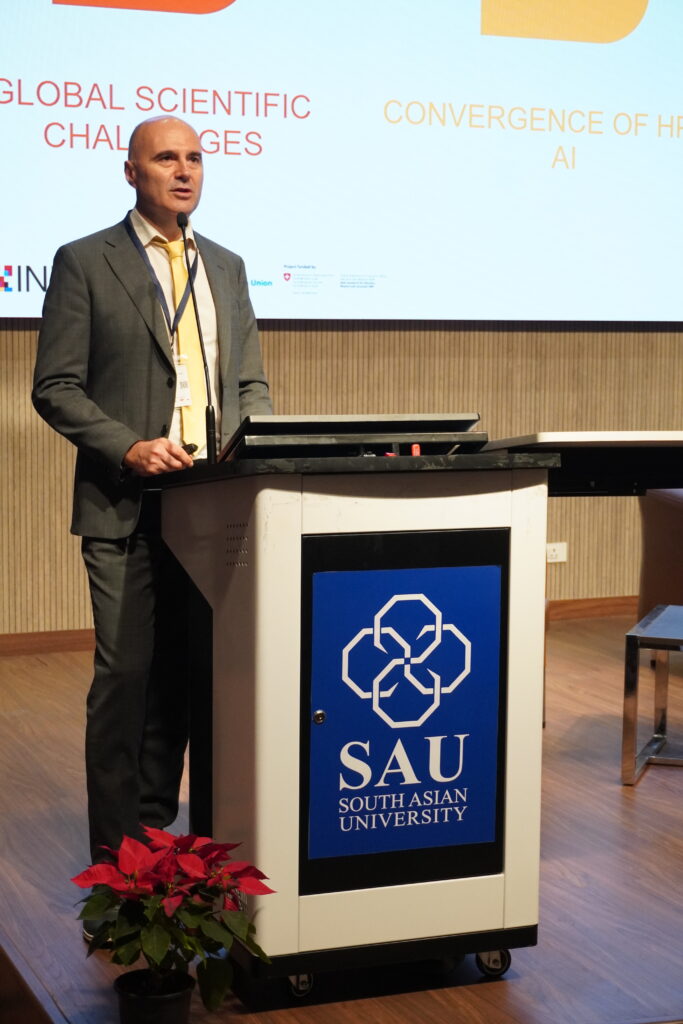
A midday plenary session brought together European and Indian perspectives on the convergence of HPC and AI.
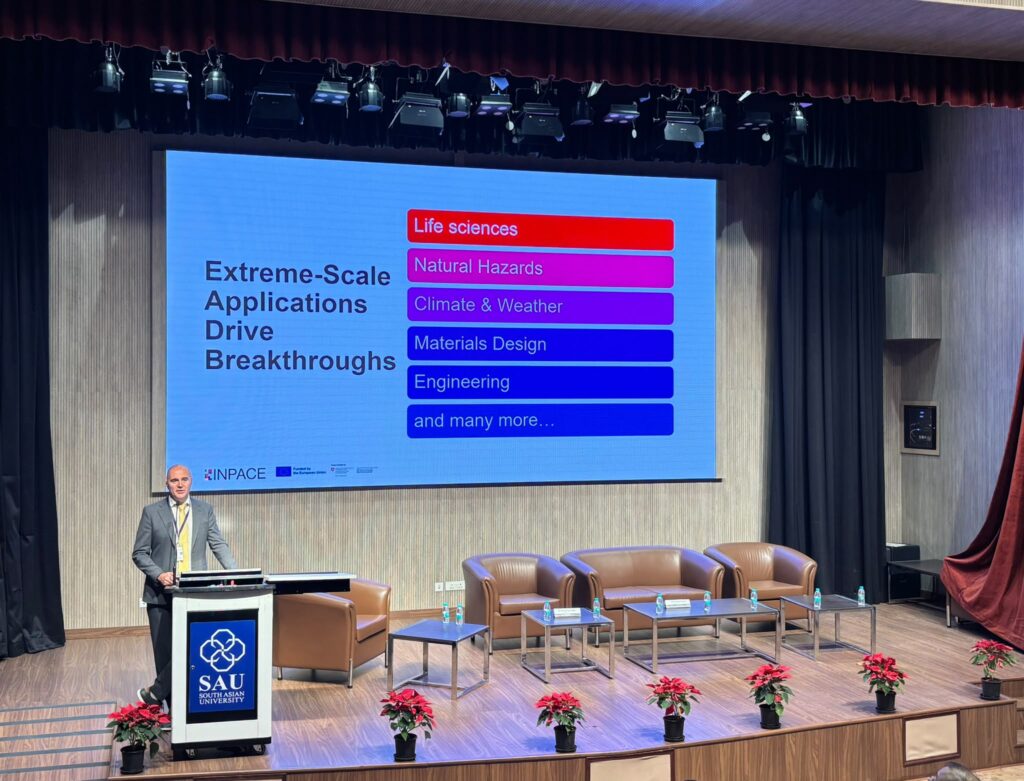
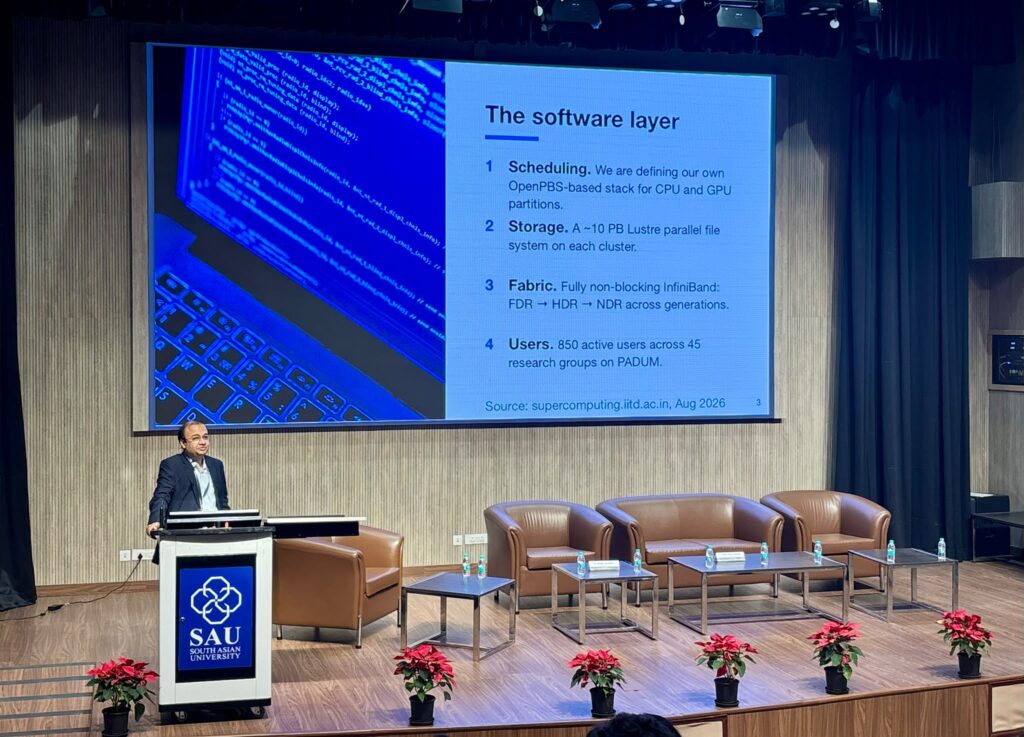
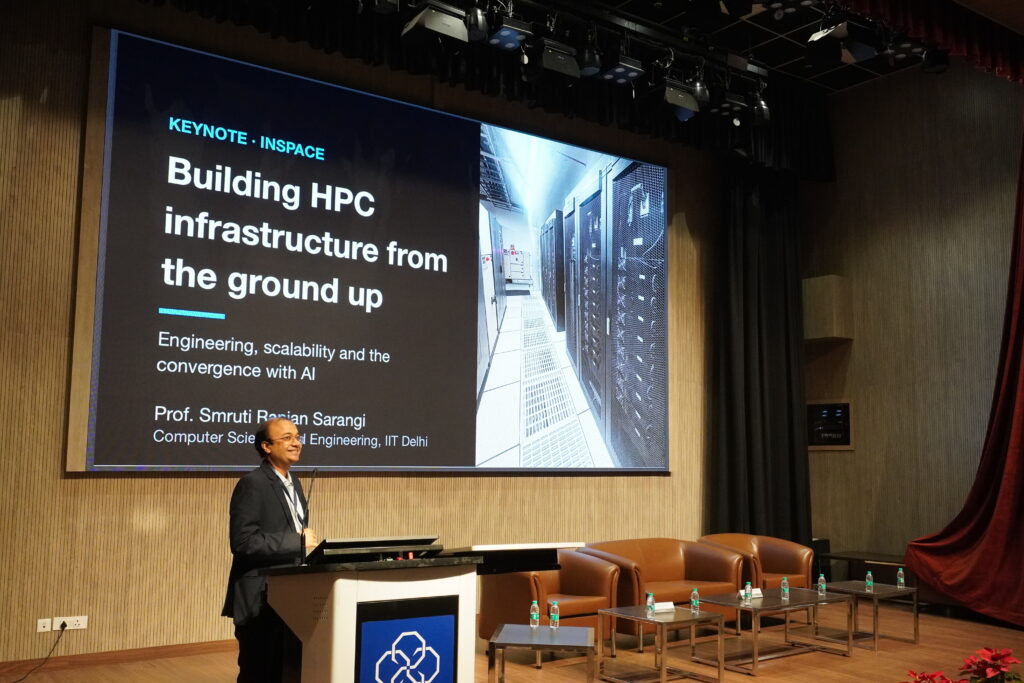
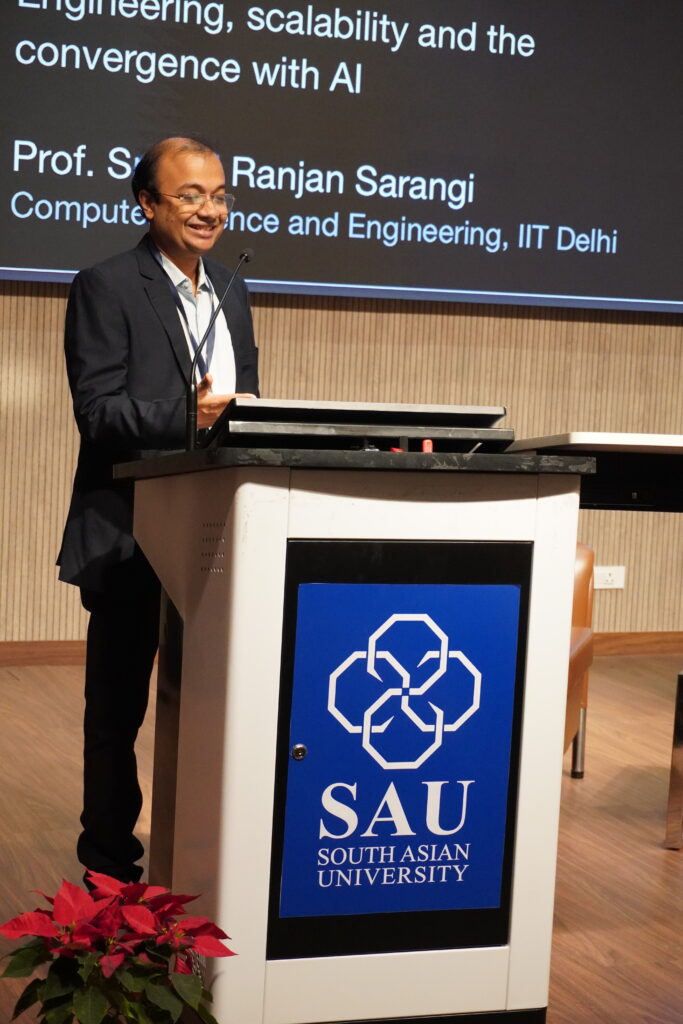
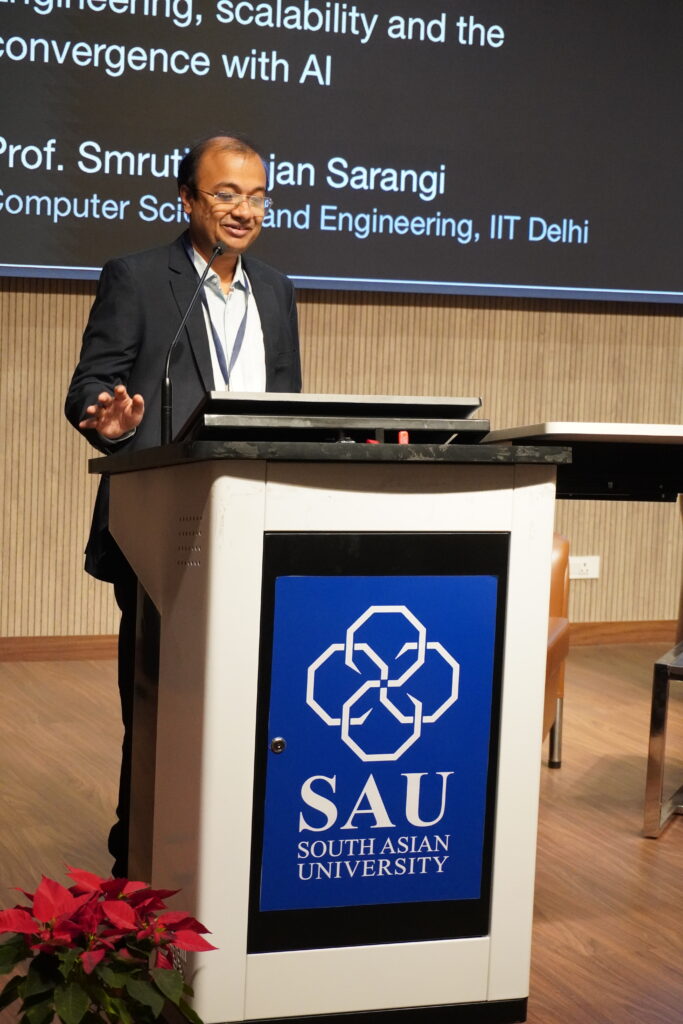
The session featured Dr. Rossen Apostolov of Sweden AI Factory, who presented “HPC, AI, and a Global Digital Partnership for the Exascale Era”, exploring the convergence of HPC and AI, Europe’s AI strategy, and opportunities for EU-India collaboration through initiatives such as GANANA and INPACE. Prof. Smruti Sarangi of IIT Delhi delivered the presentation “Building HPC Infrastructure from the Ground Up: Engineering, Scalability, and the Convergence with AI”, addressing the practical challenges of establishing and operating HPC facilities, including infrastructure development, scalability, resource management, and emerging requirements associated with AI.
The plenary provided an opportunity to examine developments in advanced computing infrastructure and the growing relationship between HPC and AI.
Working Sessions: Developing Ideas for Future Collaboration
The afternoon was dedicated to interactive working sessions, providing opportunities for European and Indian stakeholders to discuss shared priorities, exchange experiences, and explore possible joint activities.
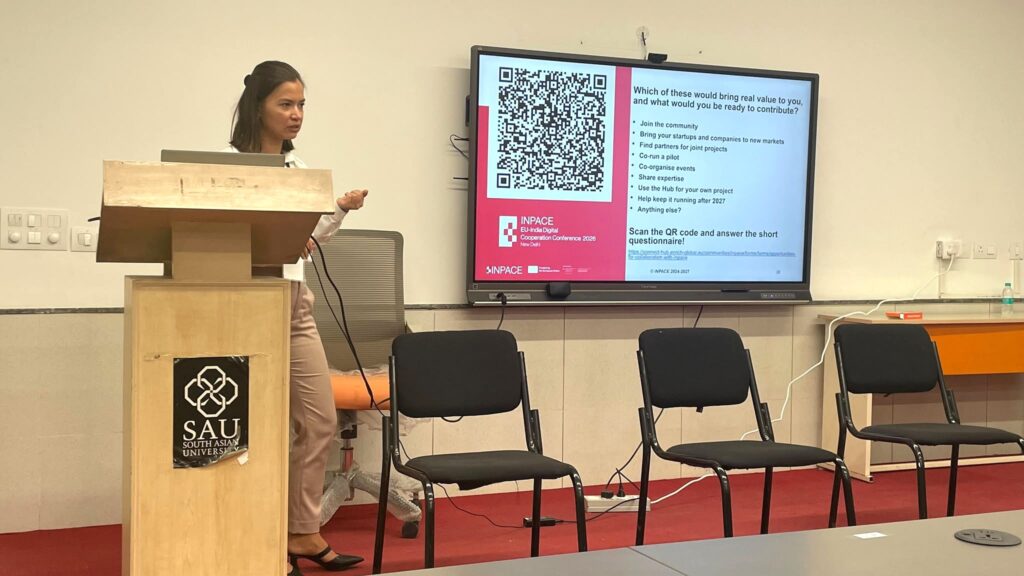
The “Open-Door Exchange Room: Making INPACE Work for You” session, organised by Kseniia Savchenko of G.A.C. Group, focused on how the INPACE Hub, Peer Advisory Network, and other project support mechanisms can assist organisations interested in EU-India cooperation.
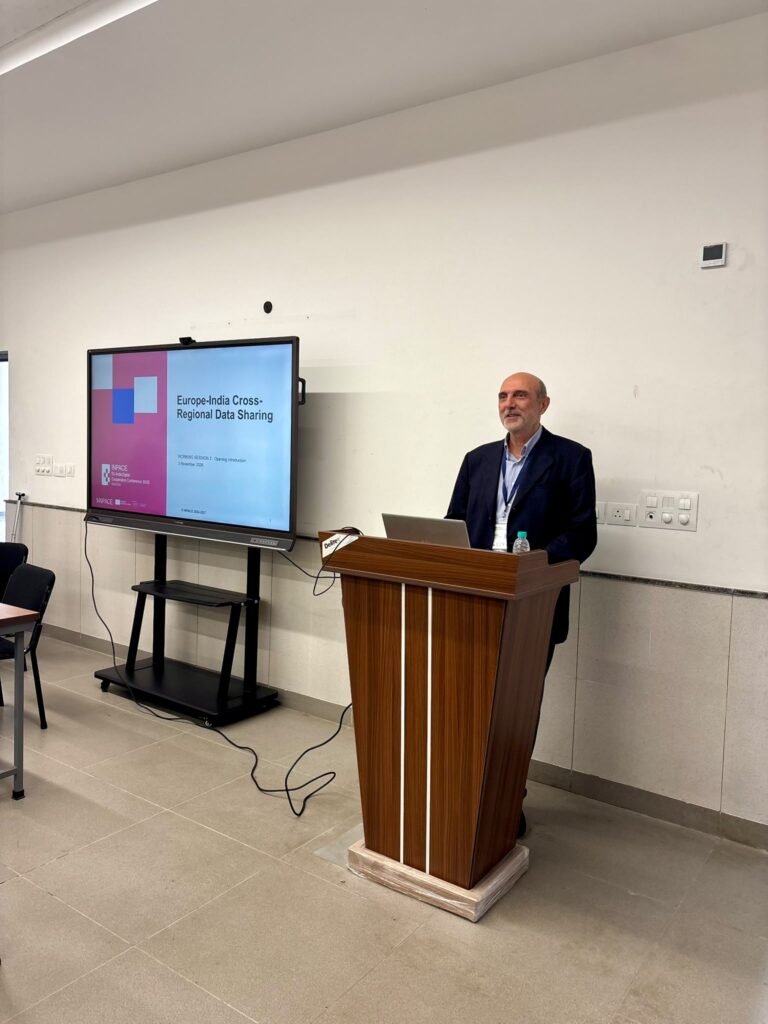
The “Europe-India Cross-Regional Data Sharing” working session, organised by Dr. Antonis Ramfos, explored potential pilot projects supporting cross-regional healthcare services through interoperability between European and Indian health data infrastructures.
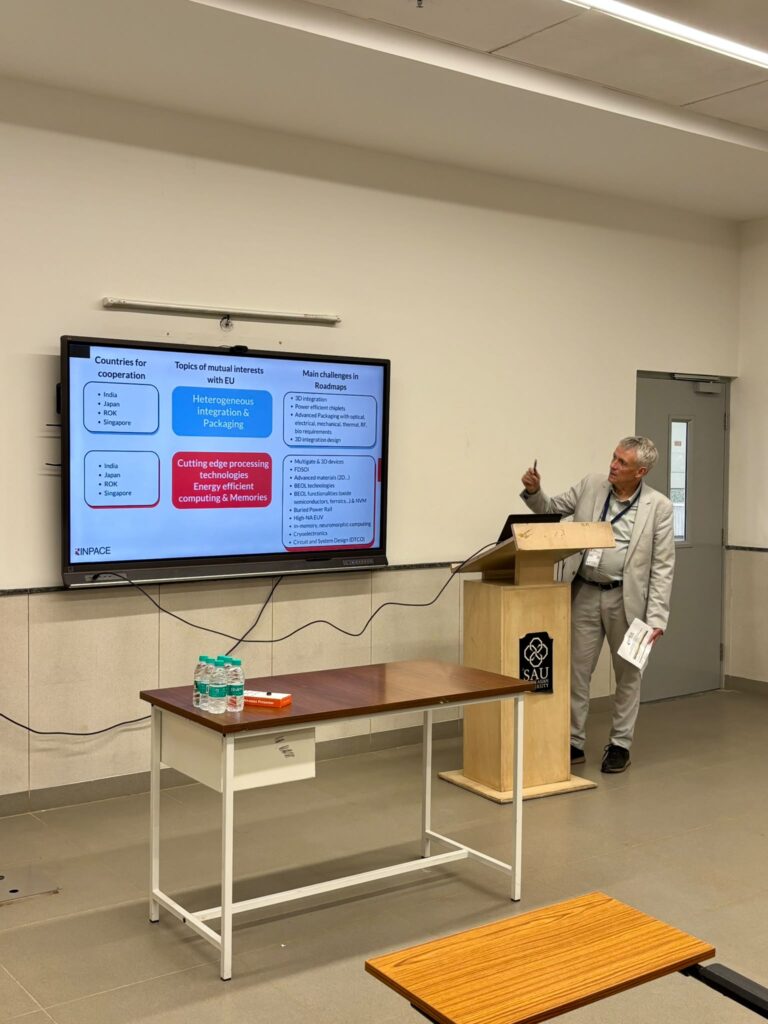
The “Collaboration Opportunities on Semiconductors” session, organised by Dr. Francis Balestra, considered possible areas and instruments for joint semiconductor research and innovation, including exchanges, training, workshops, roadmaps, and standardisation.
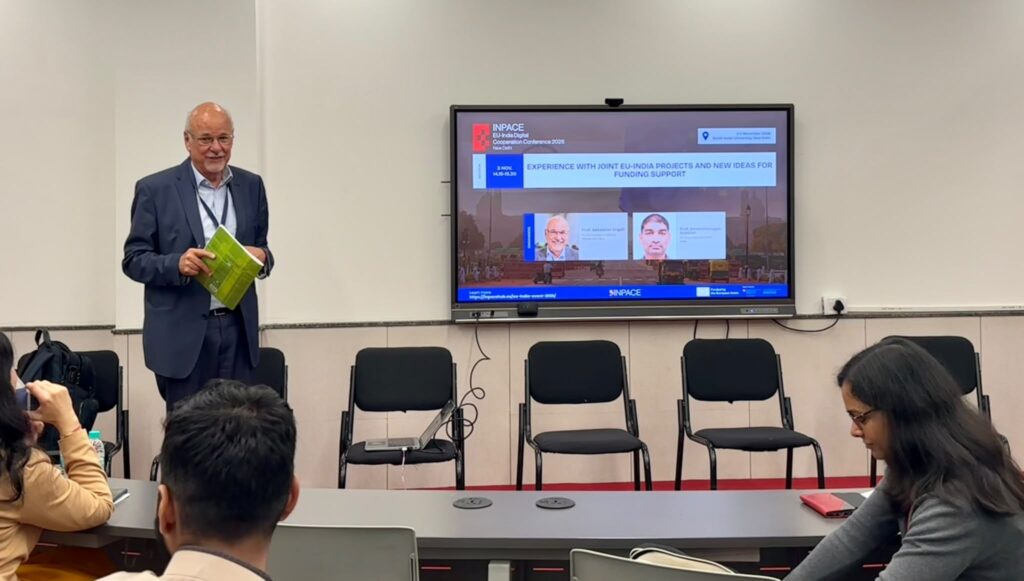
The session “Experience with Joint EU-India Projects and New Ideas for Funding Support”, organised by Prof. Sebastian Engell of TU Dortmund and ENRICH GLOBAL and Prof. Senthilmurugan Subbiah of IIT Guwahati and ANRF, focused on experiences from publicly funded collaborative projects. Discussions covered proposal development, project implementation, R&D collaboration, market access, and possible new support schemes.
Funding Opportunities for EU-India Research and Innovation
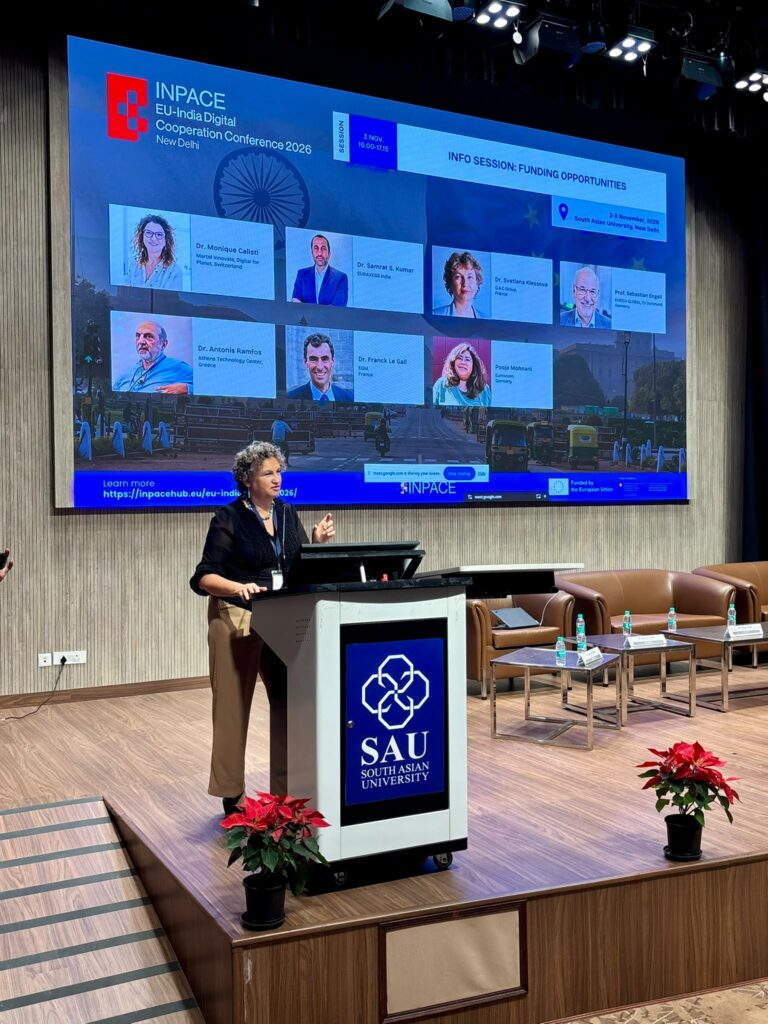
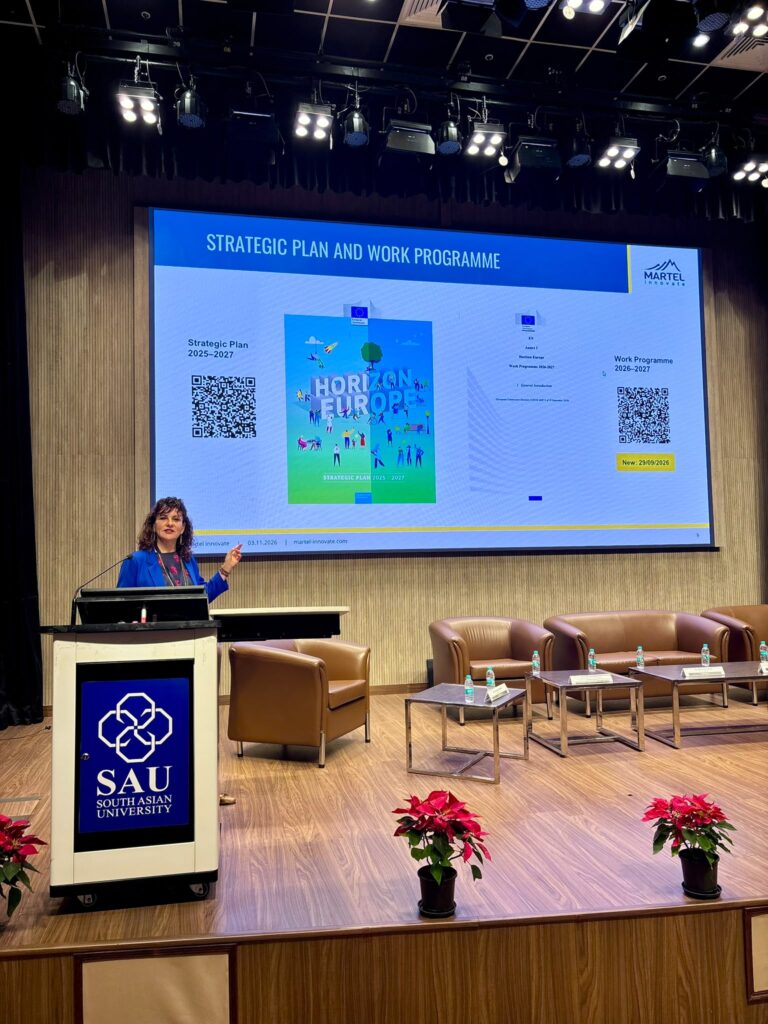
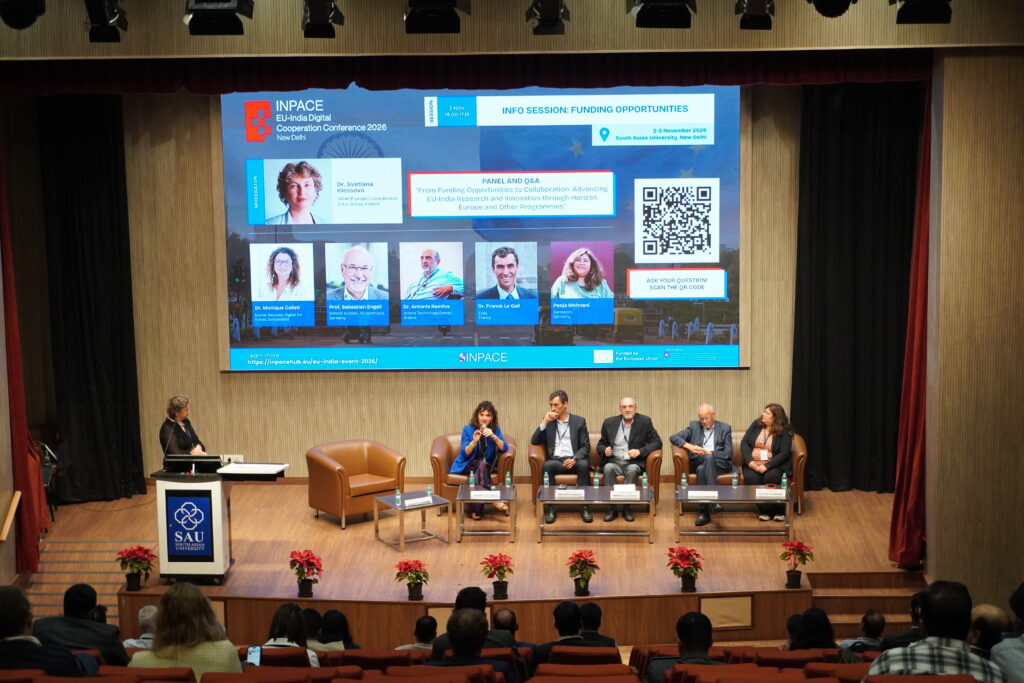
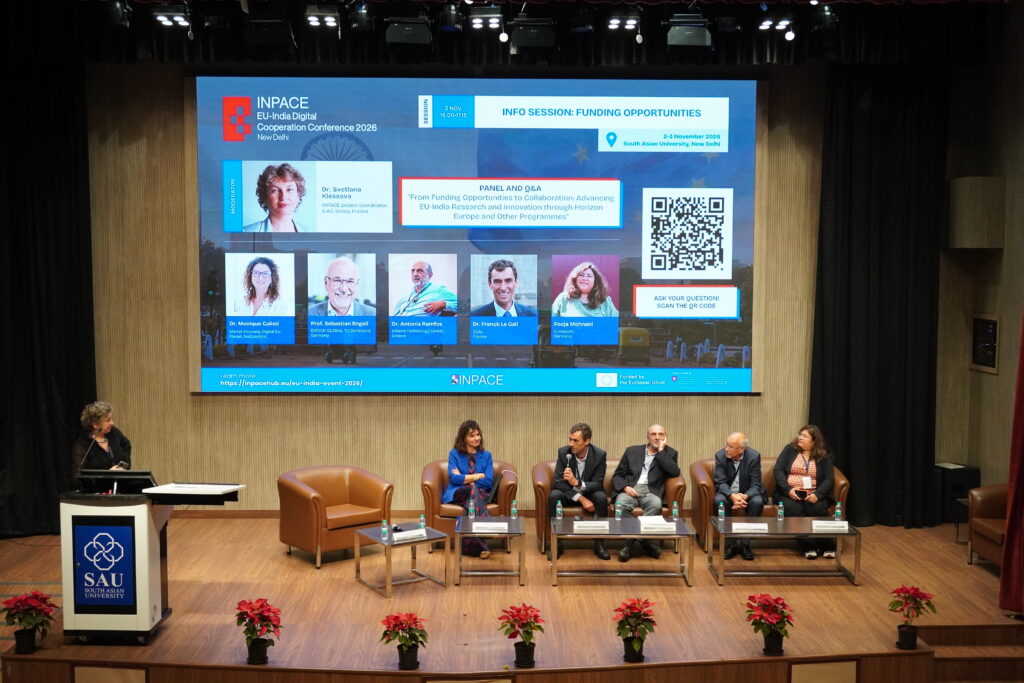
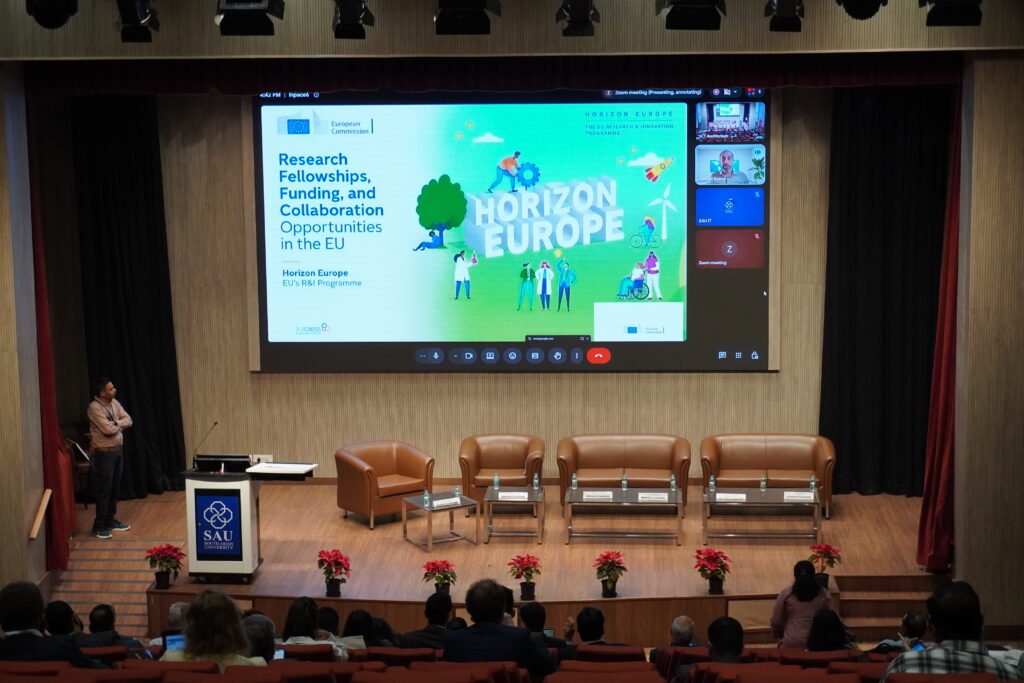
The conference’s final information session focused on funding opportunities for European and Indian organisations, including Horizon Europe and other programmes supporting research and innovation cooperation.
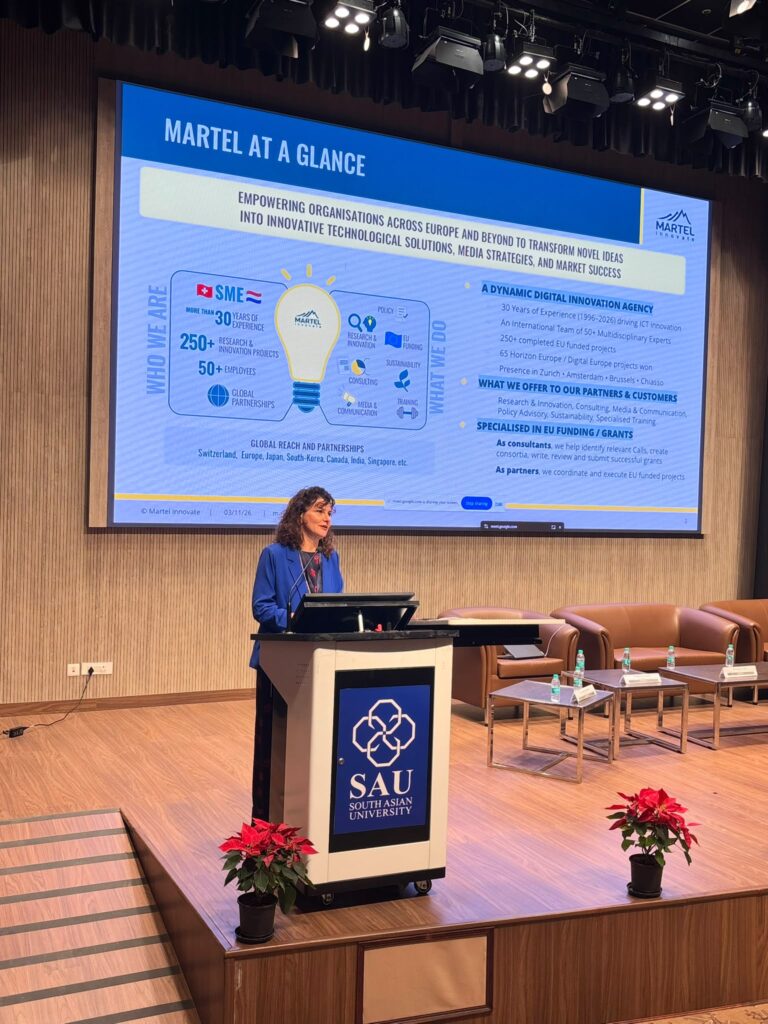
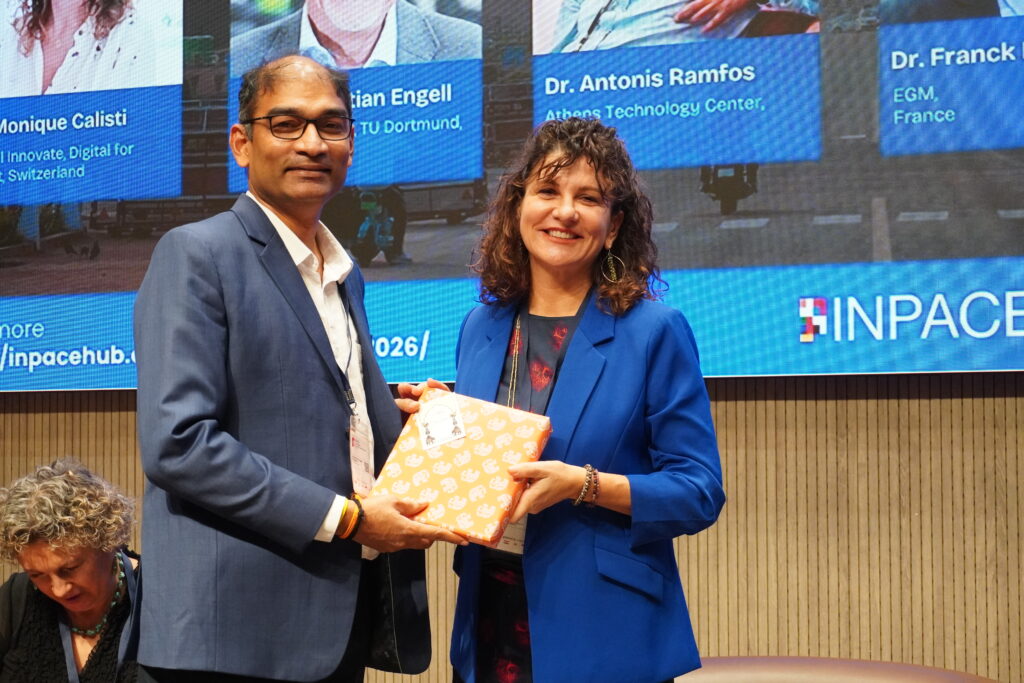
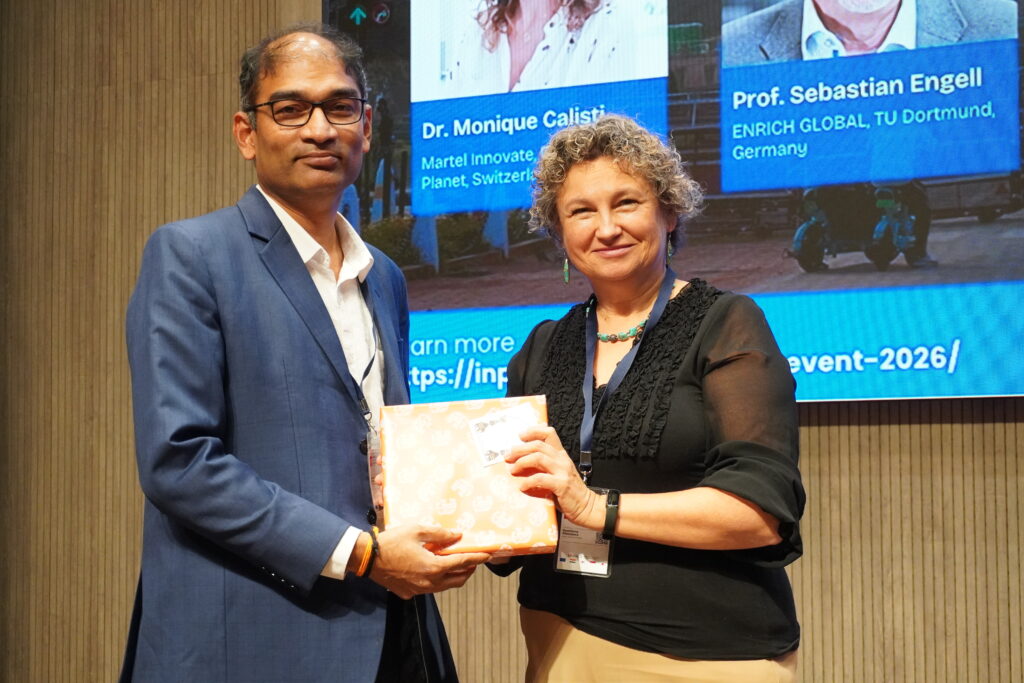
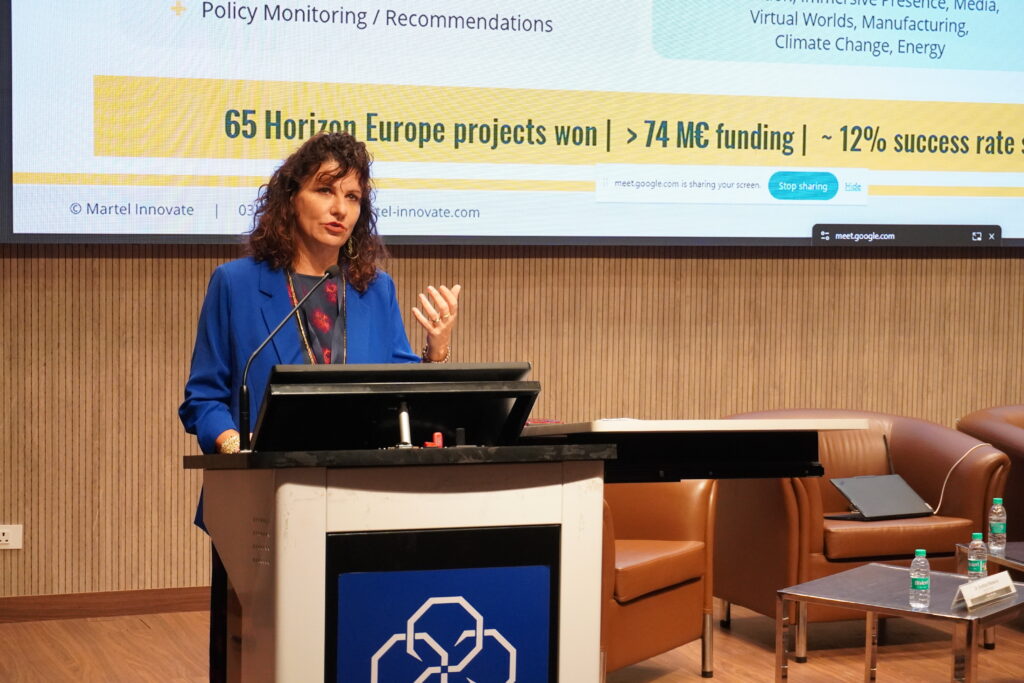
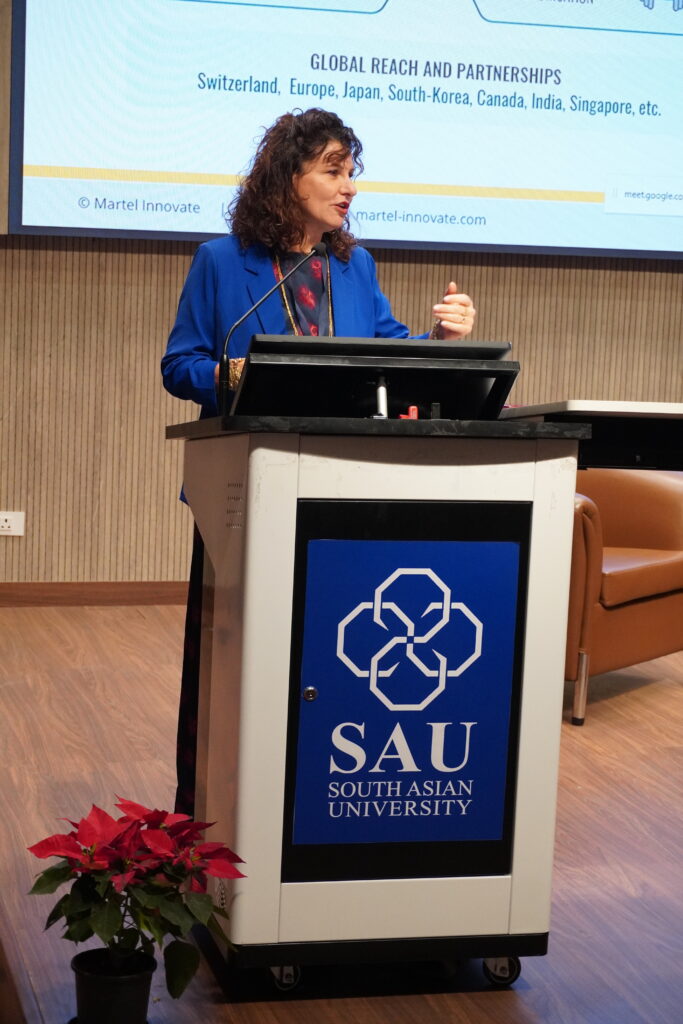
Dr. Monique Calisti of Martel Innovate and Digital for Planet led the session and opened it with a presentation on funding opportunities.
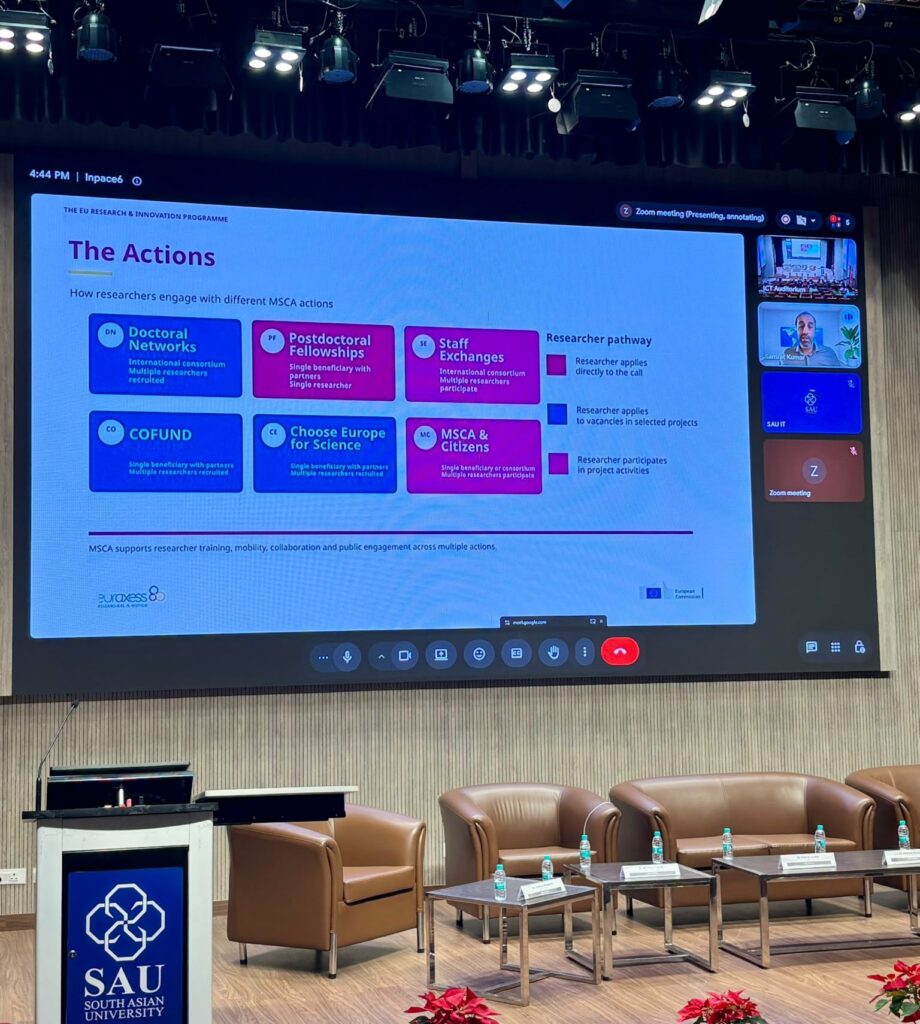
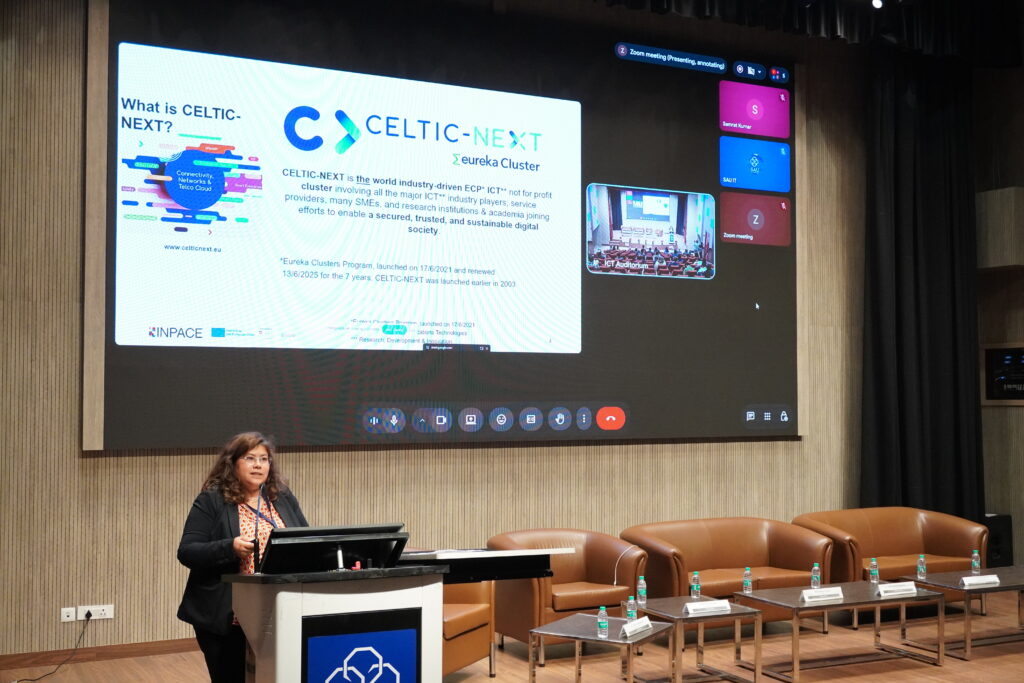
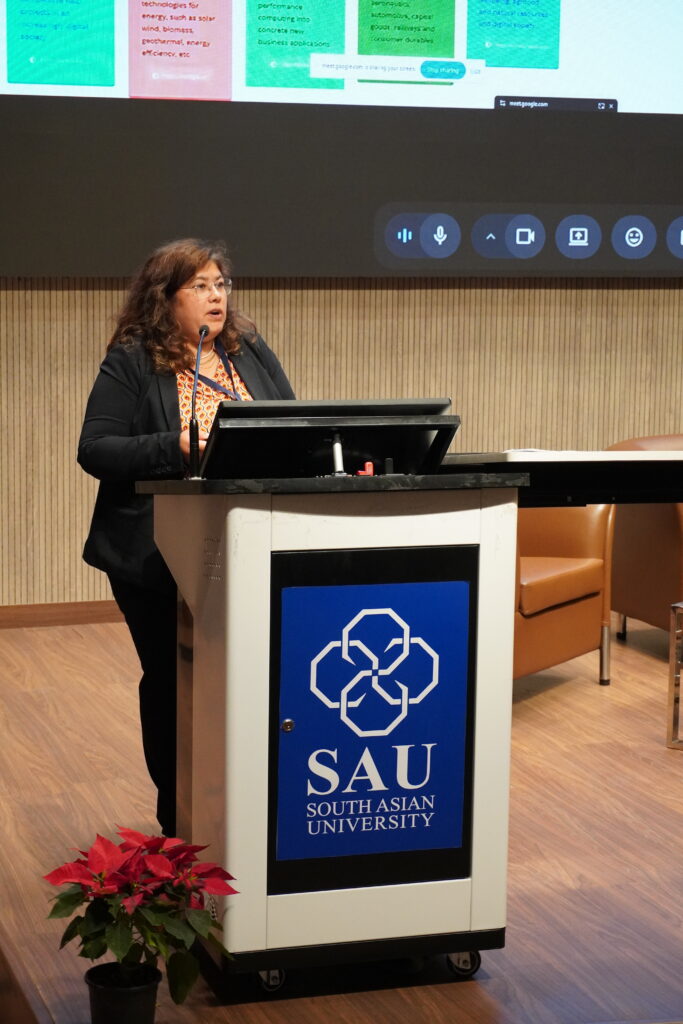
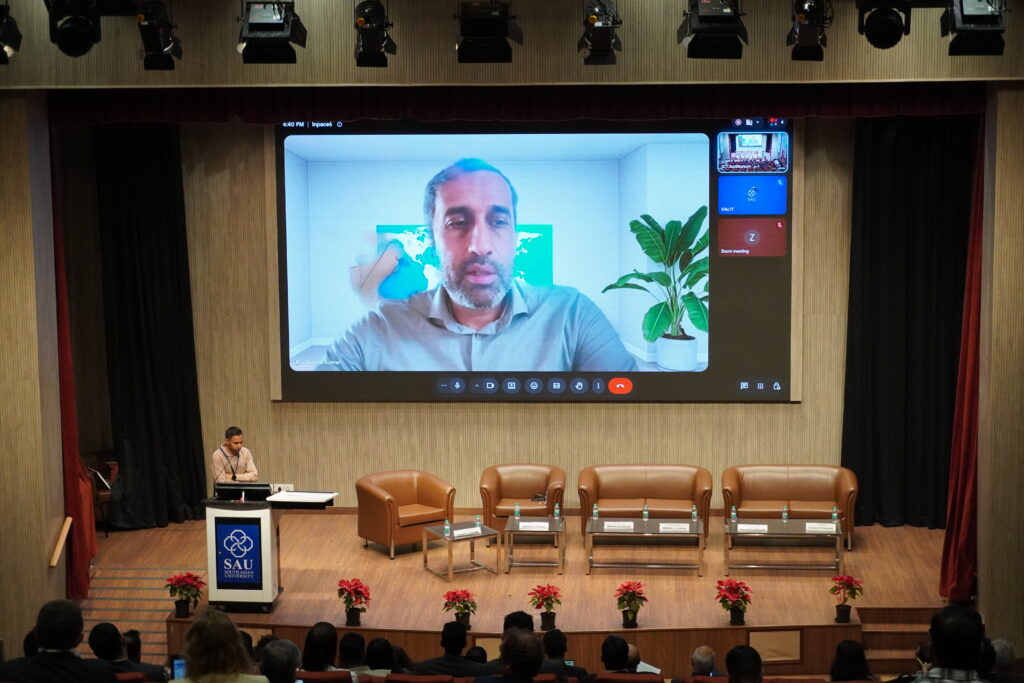
This was followed by a presentation from Dr. Samrat S. Kumar of EURAXESS India, titled “EU-India Research Cooperation and Funding Opportunities under Horizon Europe”, addressing opportunities for research collaboration between European and Indian organisations.
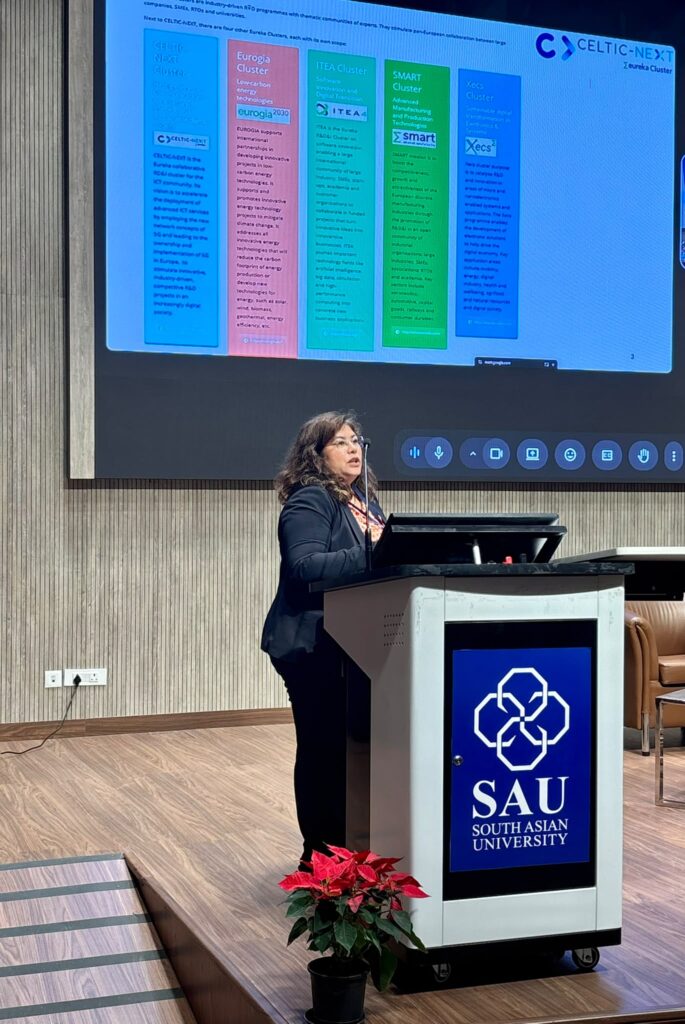
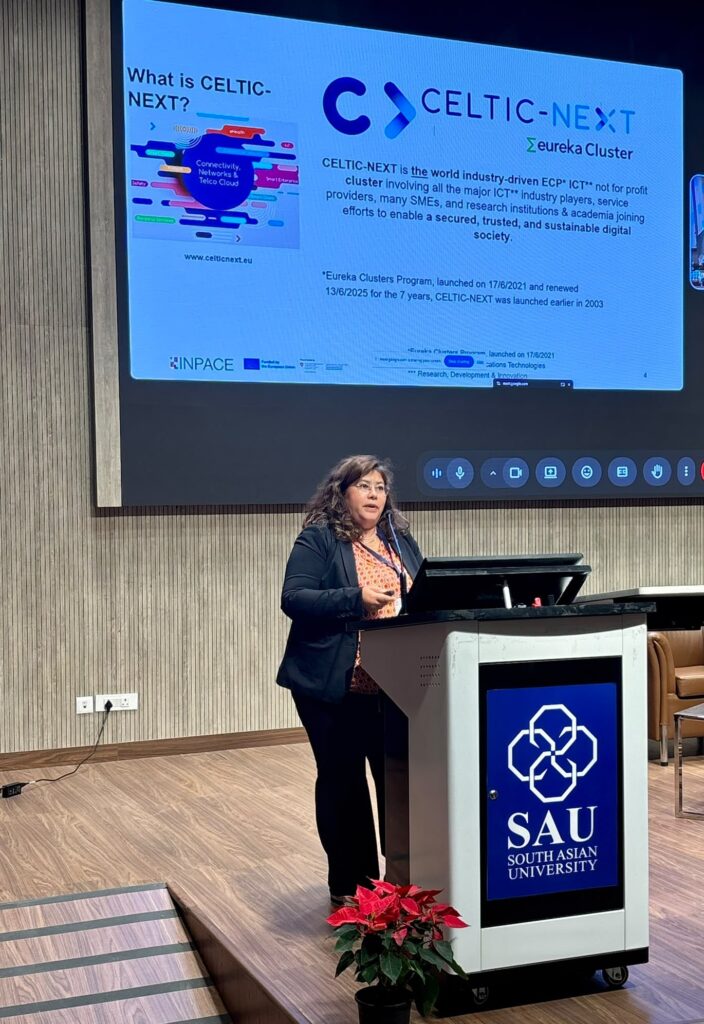
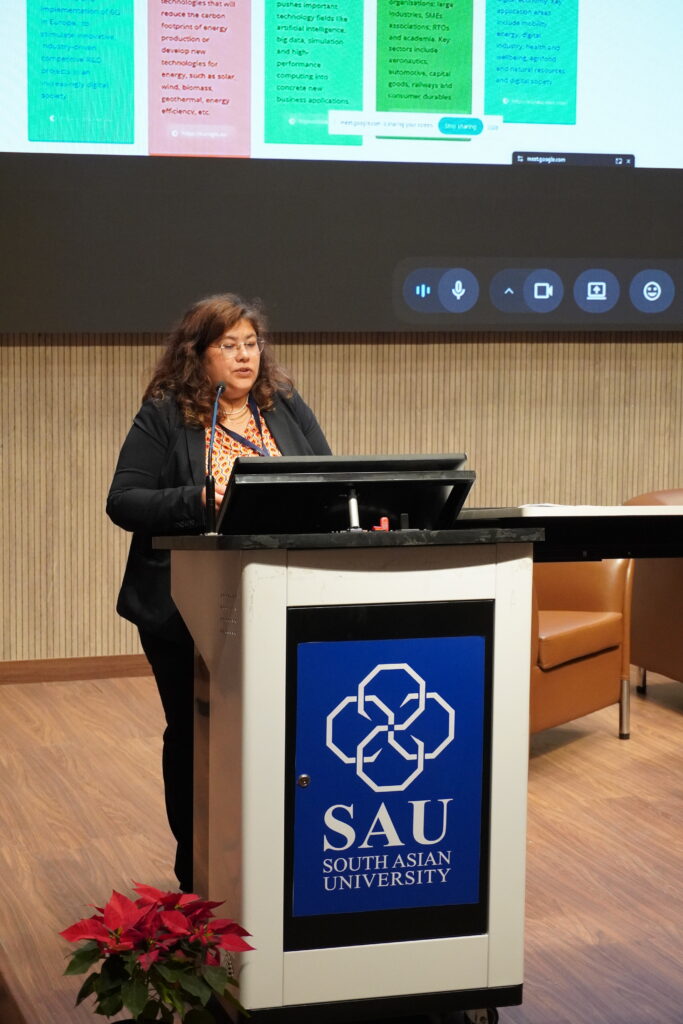
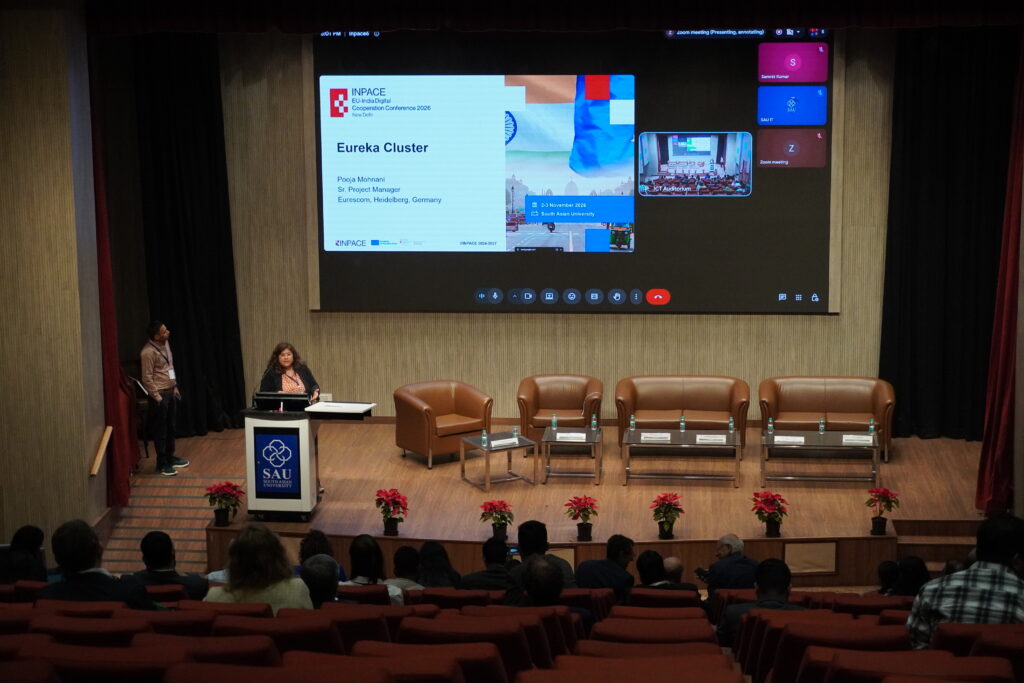
Pooja Mohnani of Eurescom also presented the EUREKA Programme, highlighting another avenue for international research and innovation cooperation.
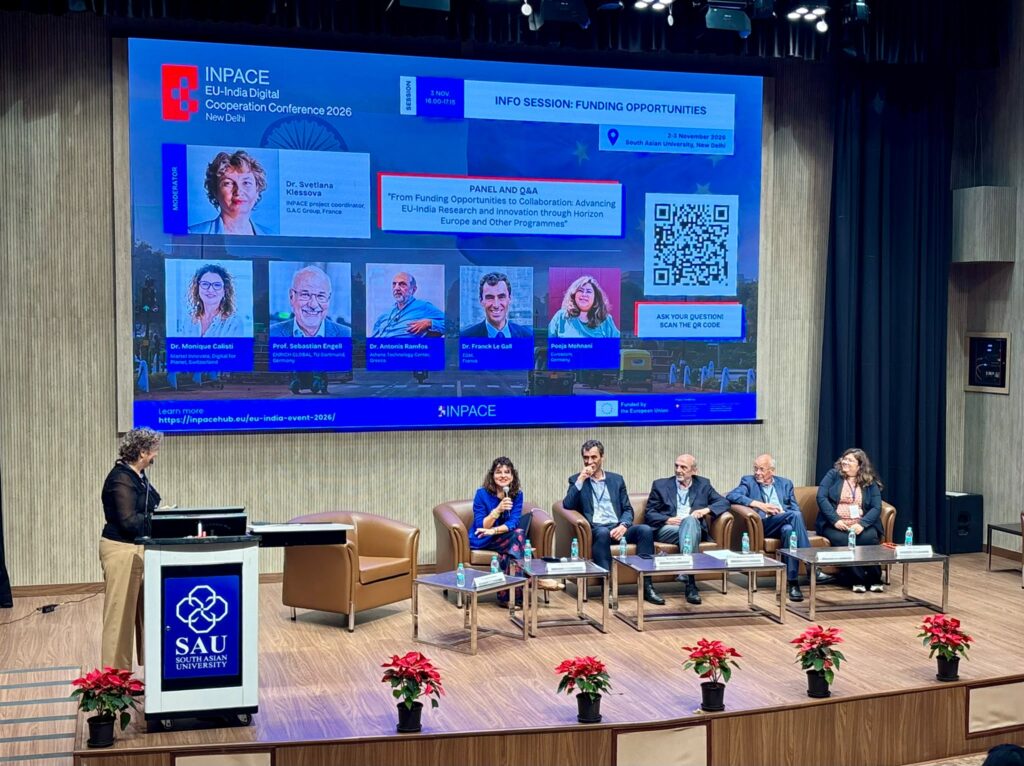
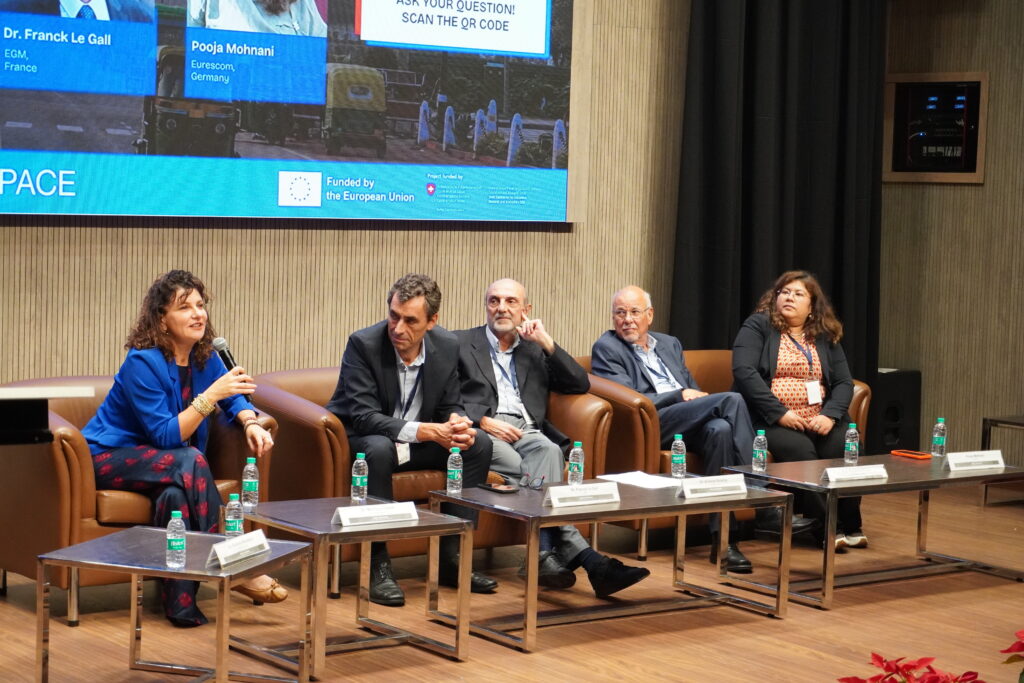
The presentations were followed by a panel discussion titled “From Funding Opportunities to Collaboration: Advancing EU-India Research and Innovation through Horizon Europe and Other Programmes”.
Moderated by Dr. Svetlana Klessova of G.A.C. Group, the discussion explored how funding programmes and other support mechanisms can contribute to joint research and innovation activities between Europe and India.
The discussion explored how funding programmes and other support mechanisms can contribute to joint research and innovation activities between Europe and India.
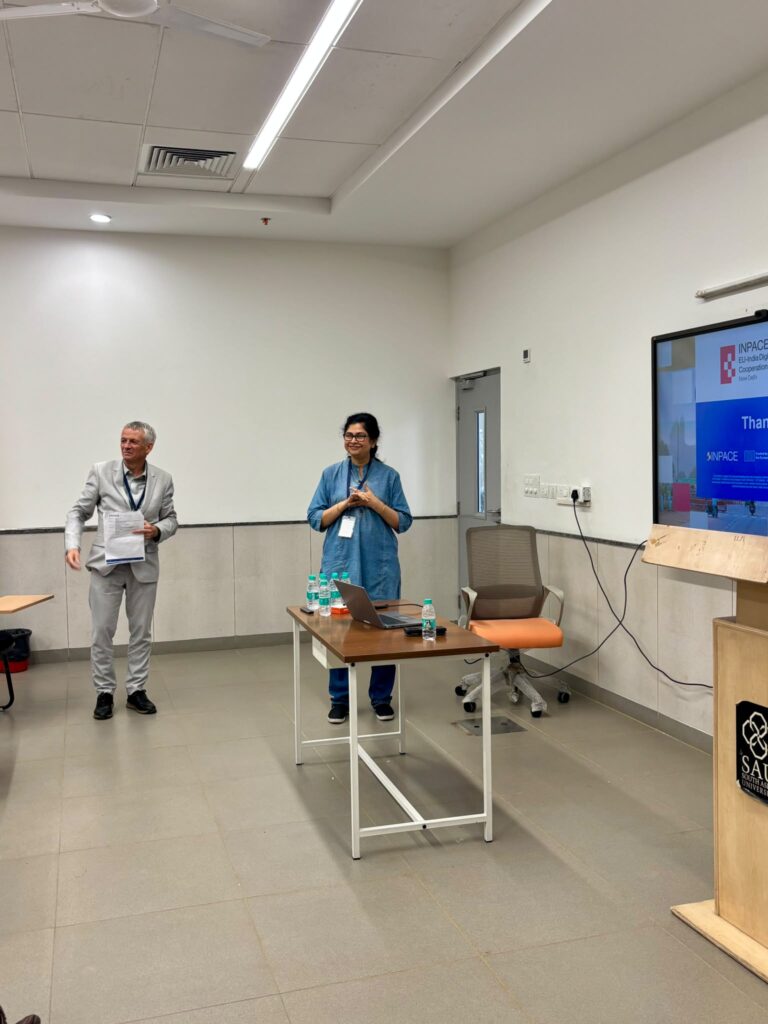
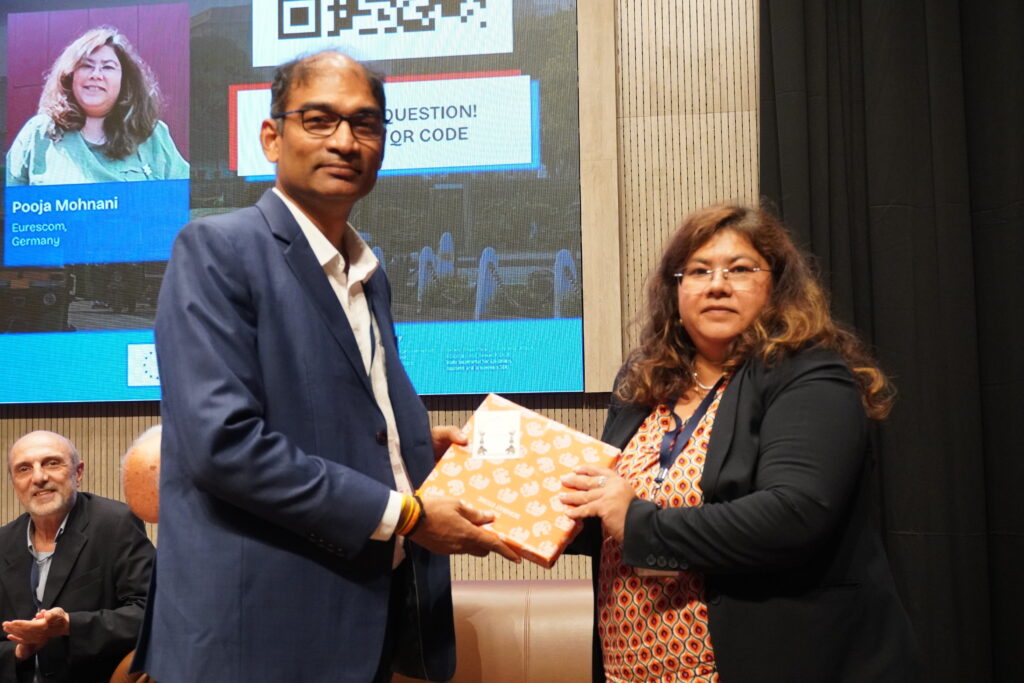
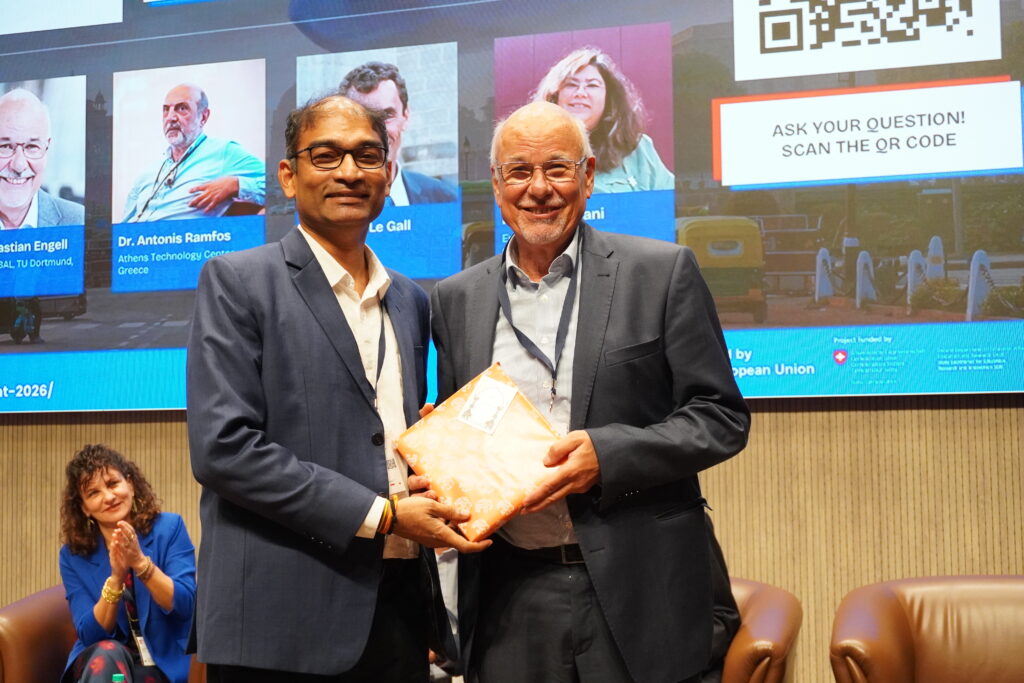
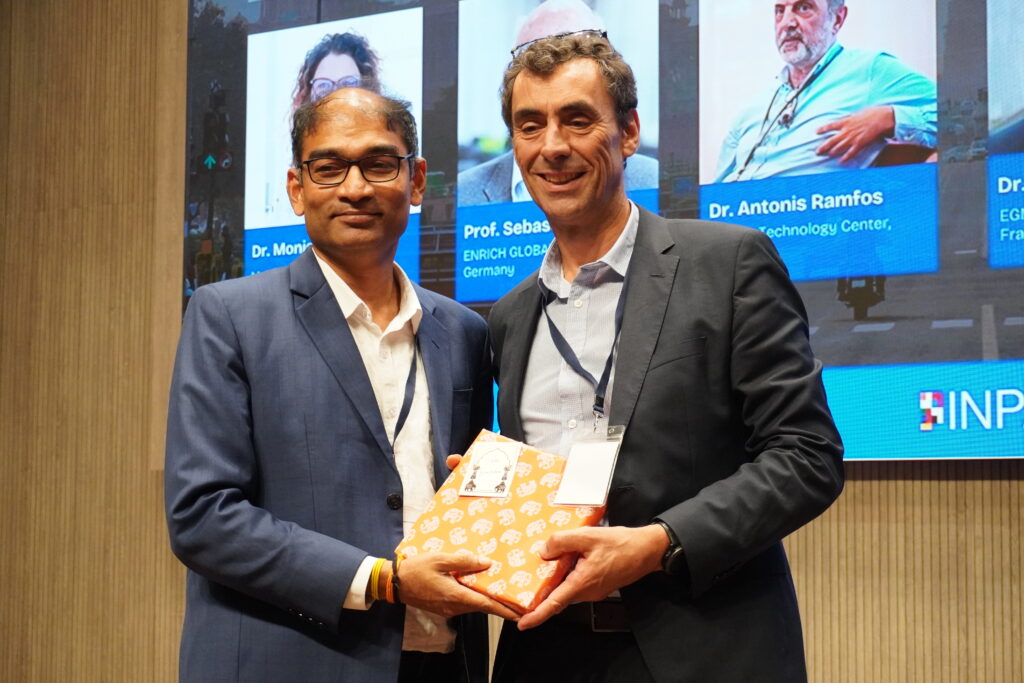
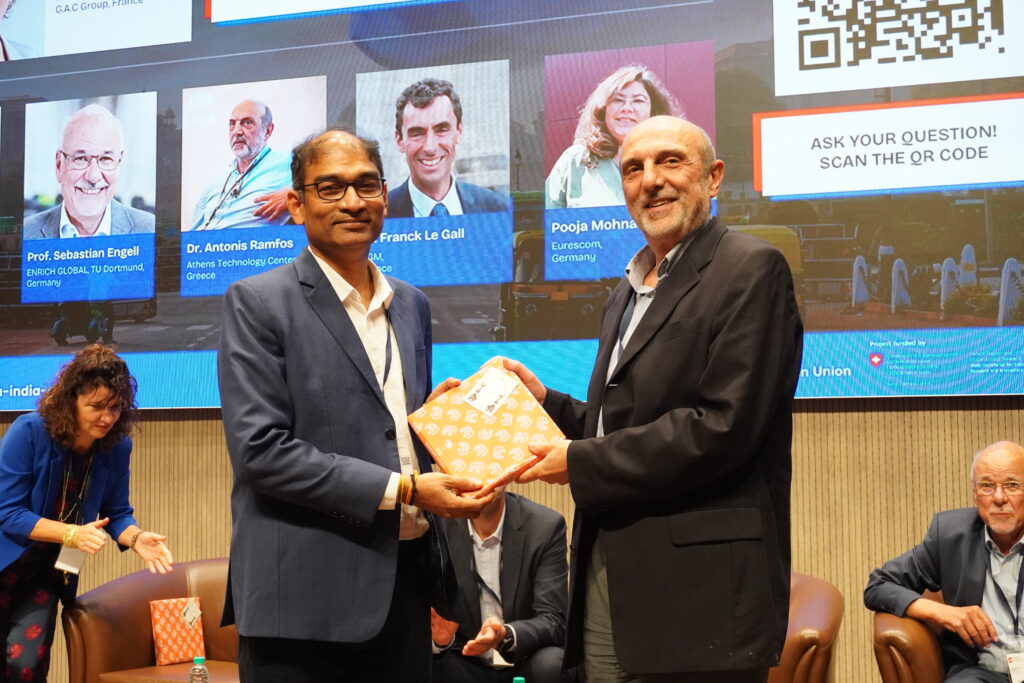
The conference programme concluded with a closing session on 3 November, which highlighted the key takeaways of all the sessions organised throughout the two days.
Continuing EU-India Digital Cooperation Through INPACE
Across two days, the EU-India Digital Cooperation Conference 2026 provided a platform for dialogue on strategic digital technologies, policy priorities, and practical opportunities for research and innovation cooperation.
From trusted AI and digital public infrastructure to semiconductors, 6G, quantum technologies, HPC, health data sharing, and digital skills, the conference covered a broad range of areas where European and Indian stakeholders share interests and face common challenges.
The interactive working sessions and discussions on funding opportunities complemented the technical exchanges by examining how existing cooperation can be developed into future joint activities and longer-term partnerships.
Through its activities, INPACE continues to support digital partnerships between Europe and the Indo-Pacific region, facilitating connections among policymakers, researchers, innovators, and industry representatives.