
The second edition of the EU‑Japan Digital Week 2026 took place in Tokyo from 23 to 30 March 2026, bringing together stakeholders from government, industry, academia, and research communities across Europe, Japan, and the wider Indo-Pacific region. The week featured workshops, policy dialogues, roundtables, and collaborative activities focused on emerging technologies, digital infrastructure, and international digital governance.
Participants explored opportunities to deepen cooperation in areas such as artificial intelligence, semiconductors, high-performance computing, quantum technologies, cybersecurity, and digital diplomacy. The programme highlighted the growing strategic importance of the EU-Japan Digital Partnership and its role in fostering a secure, resilient, and human-centric digital ecosystem.
Check out the recap below to learn more about the key sessions that took place during the week.
FRIDAY, 20 MARCH – SATURDAY, 21 MARCH
Pre-week Hackathon on Interoperability of Digital Public Infrastructure
- Organiser: Dr. Franck Le Gall, EGM, INPACE, France
- Co-Organiser: Prof. Noboru Koshizuka, The University of Tokyo, Japan
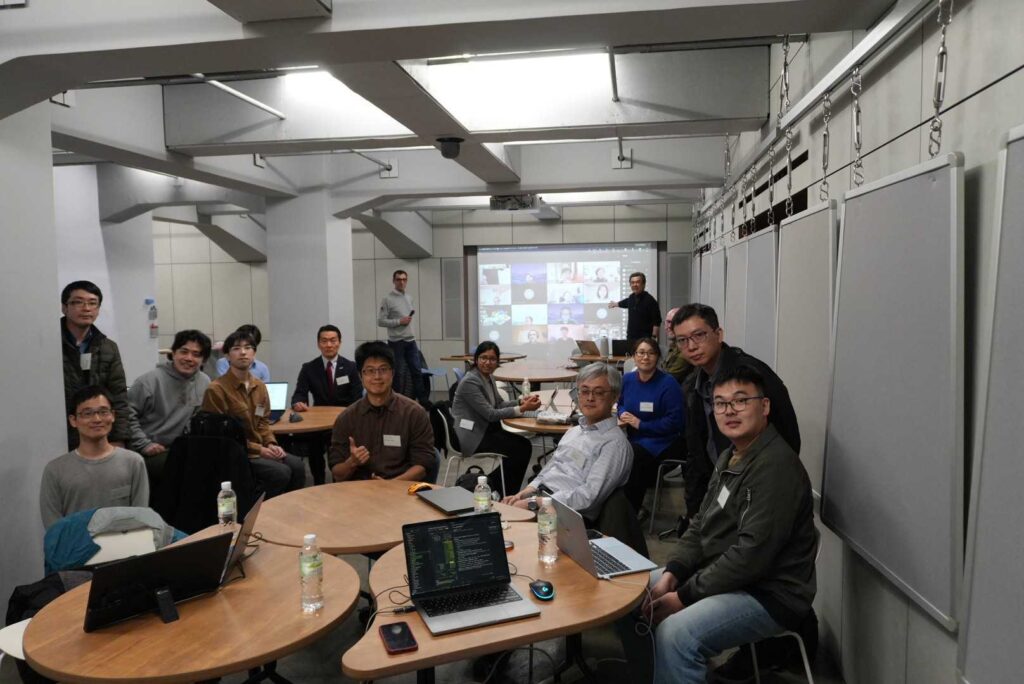
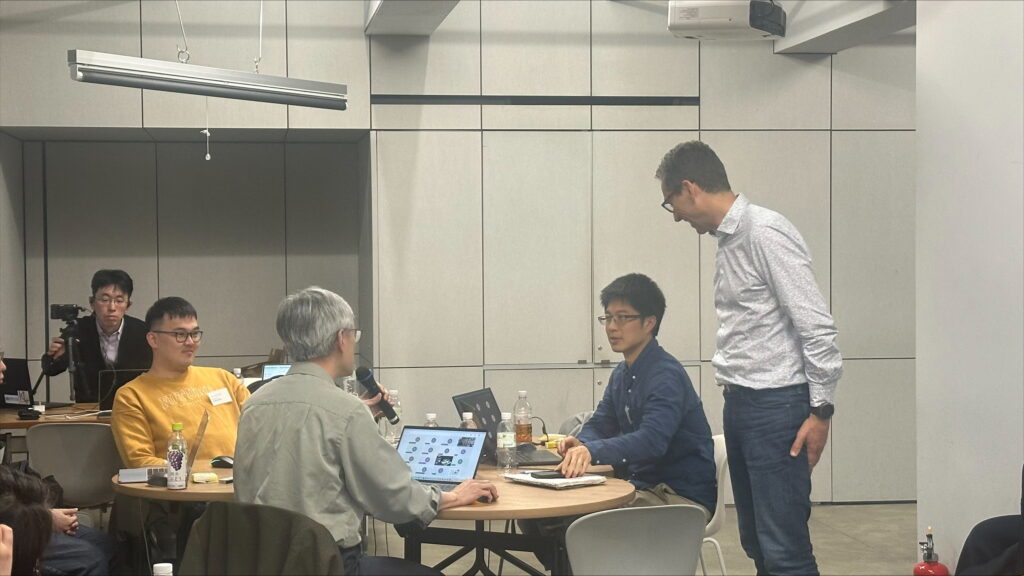
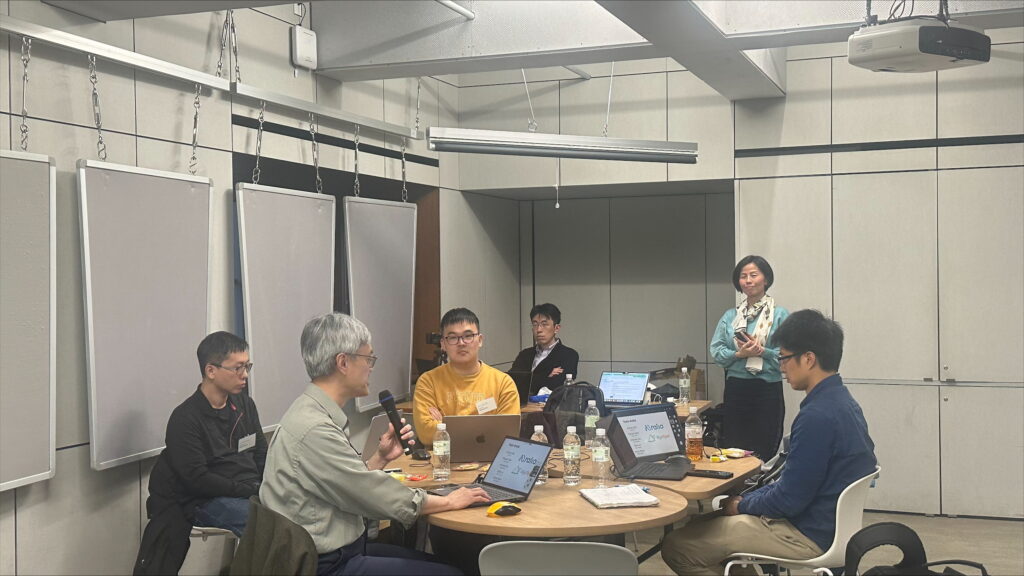
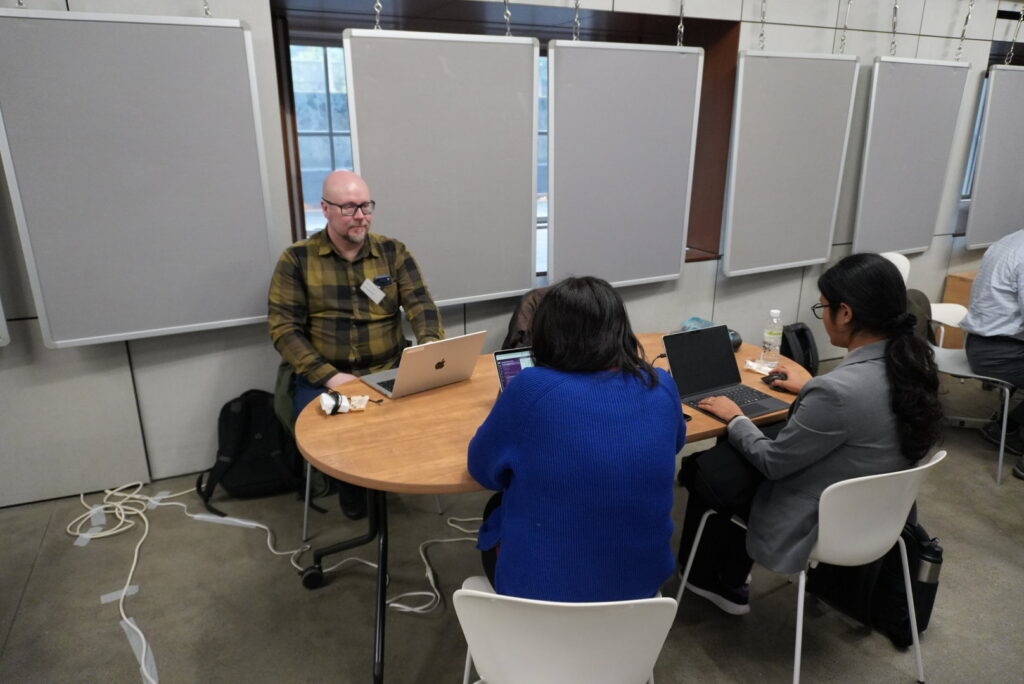
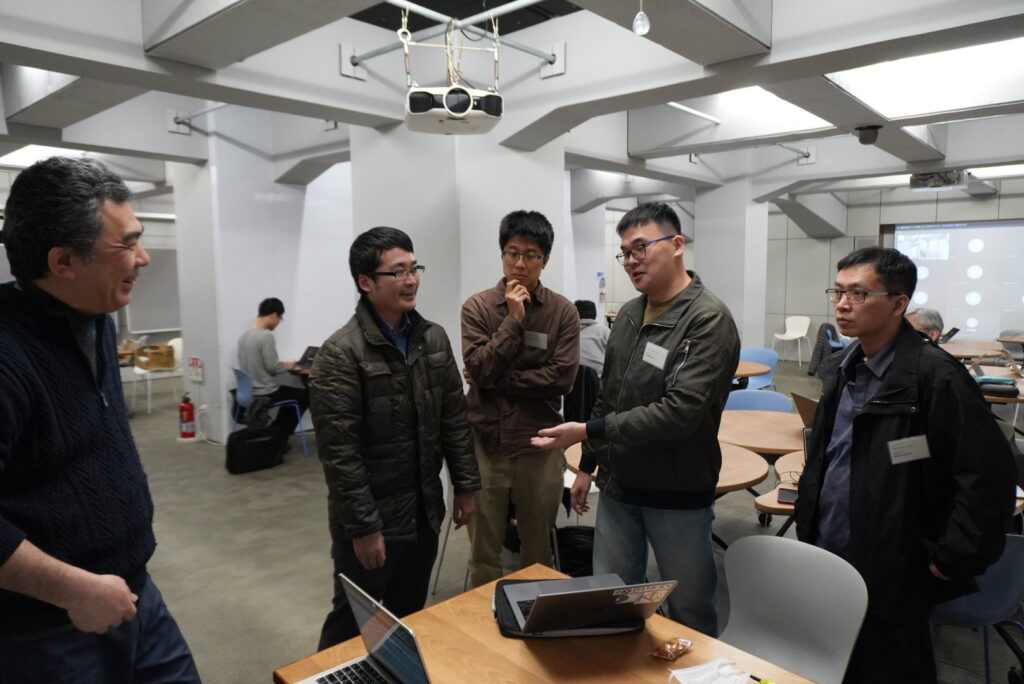
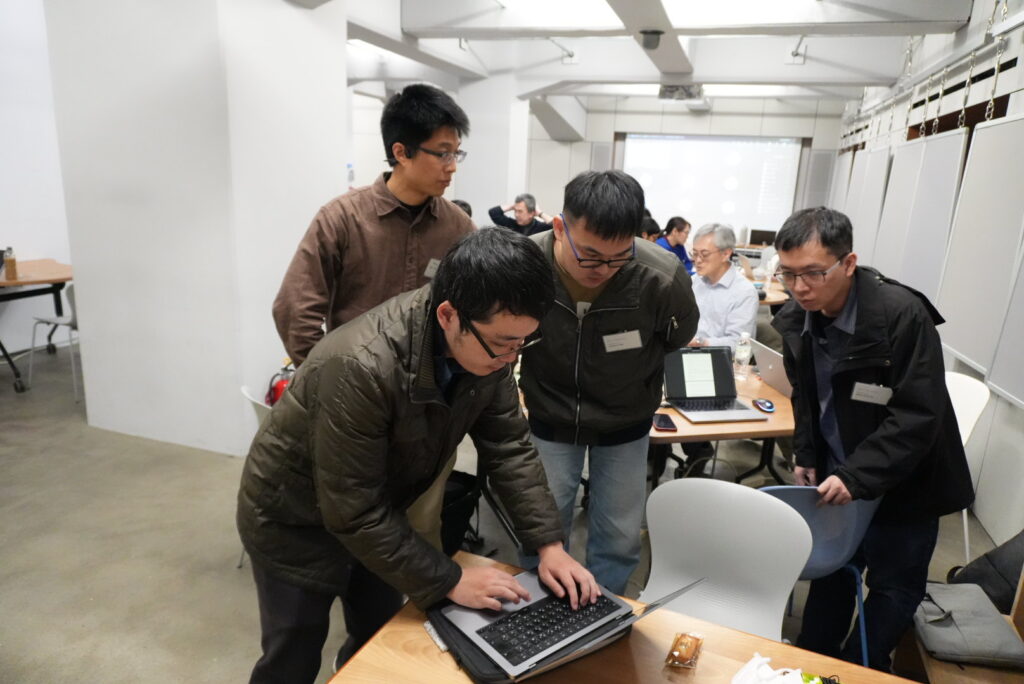
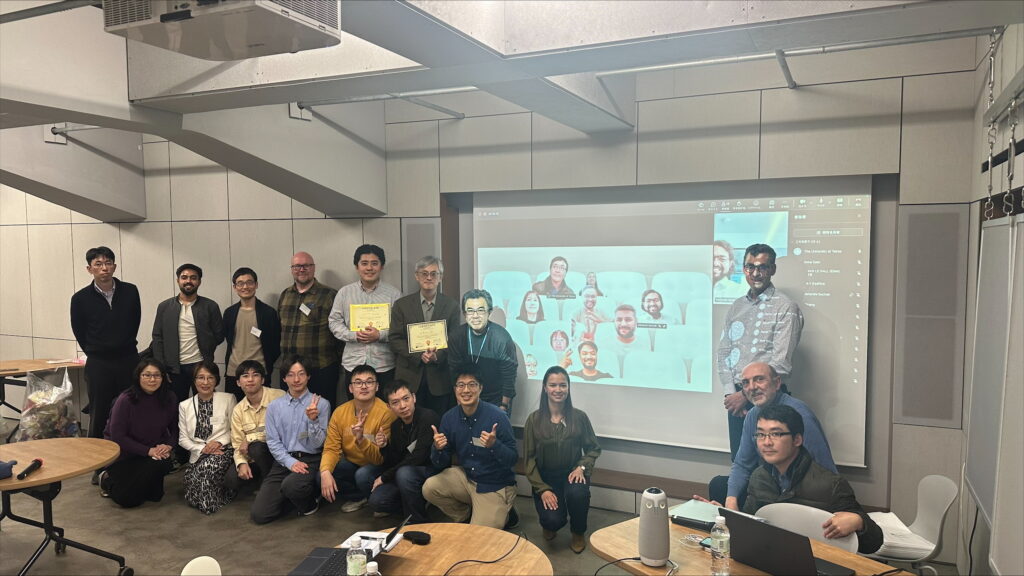
The week began with a two-day hackathon dedicated to interoperability in digital public infrastructure. Innovators and developers from Europe, Japan, and the Indo-Pacific collaborated to build prototypes connecting digital identity frameworks, including the European Digital Identity ecosystem and Japan’s digital identity systems.
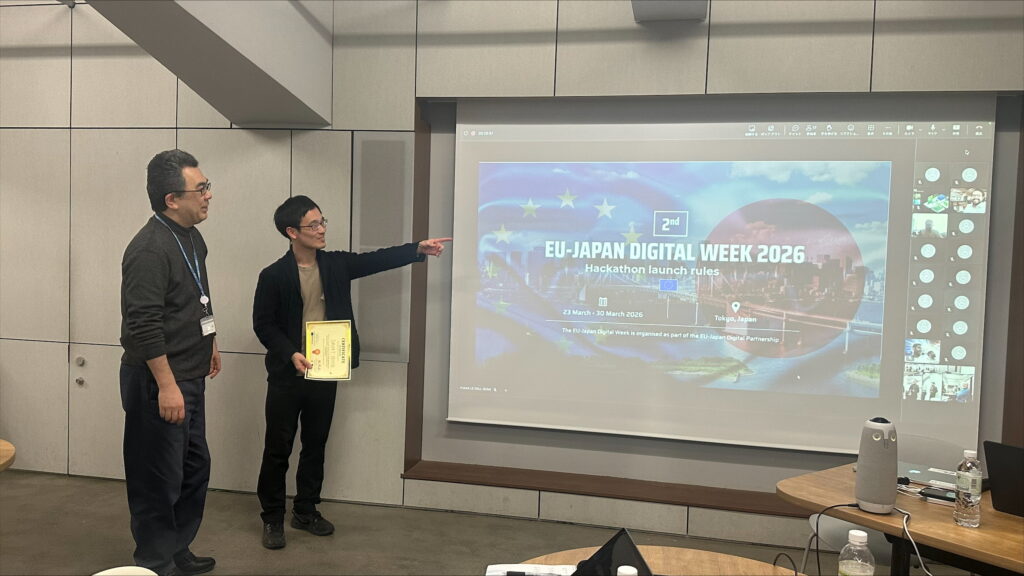
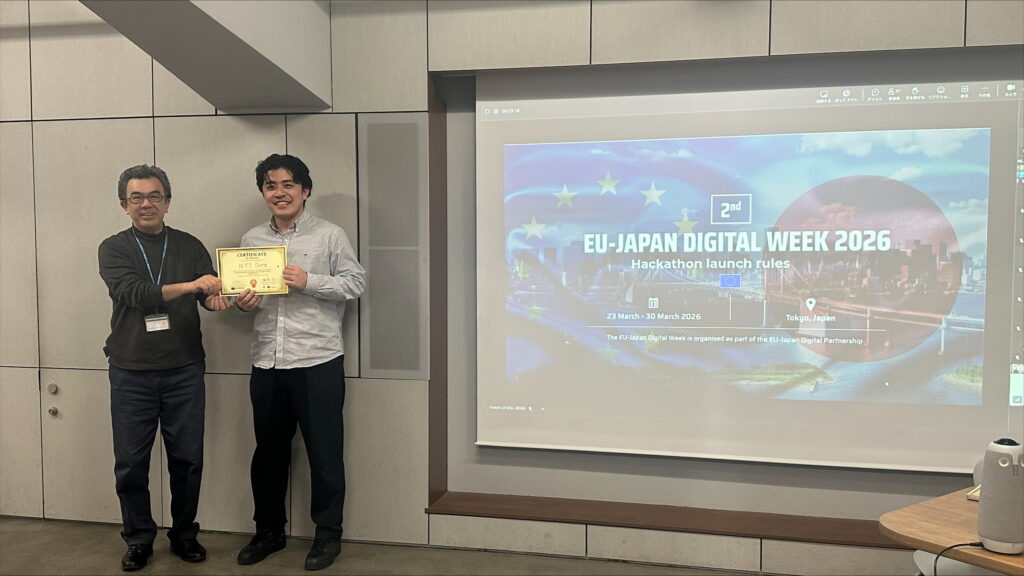
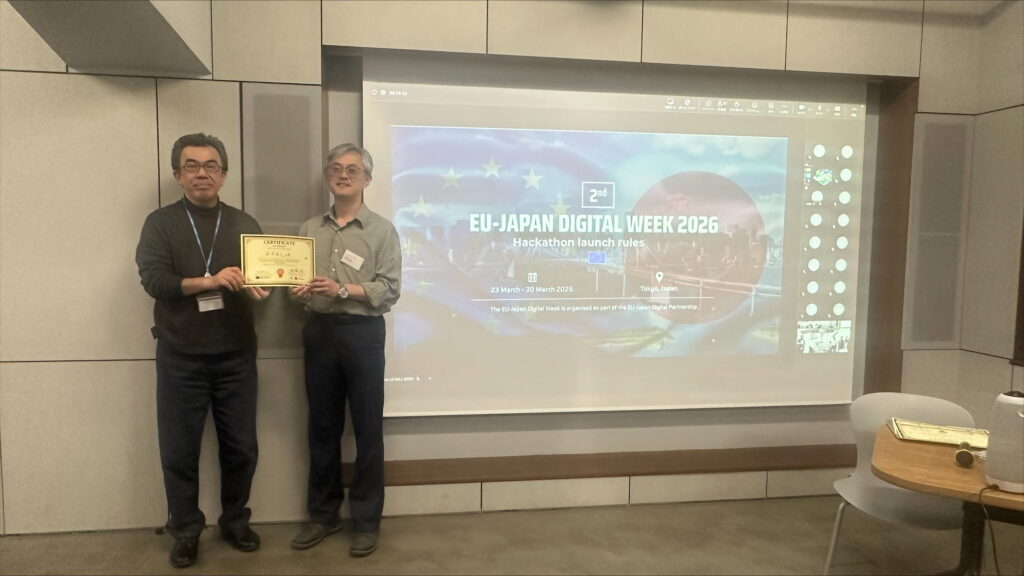
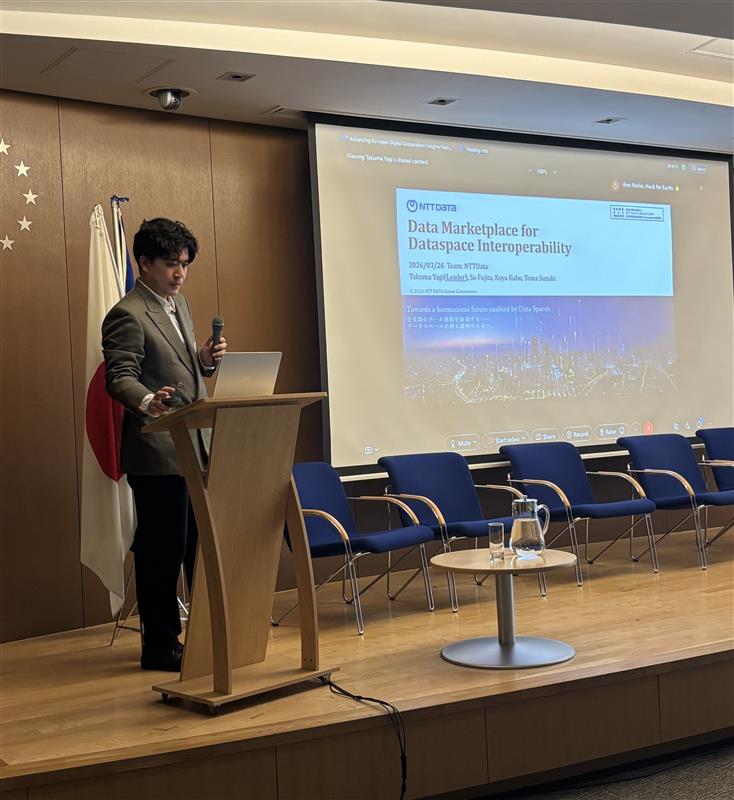
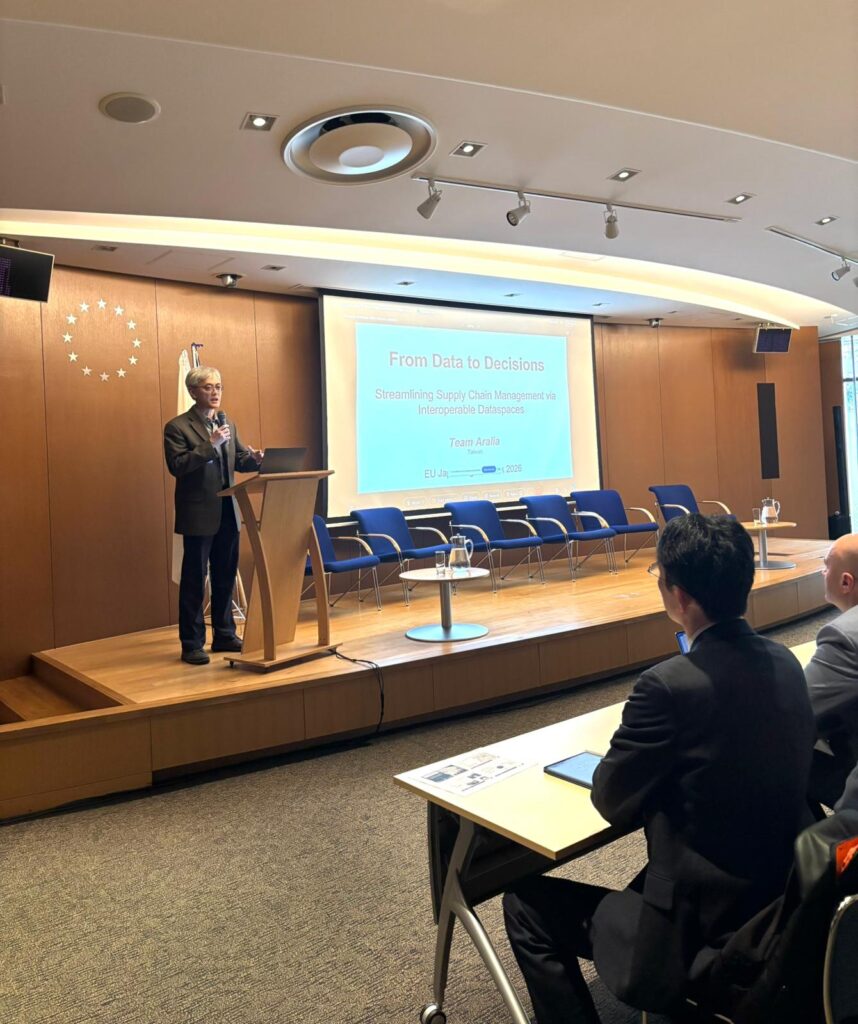
Participants worked in cross-regional teams, refining their solutions through mentoring sessions and intermediate presentations. Out of the six teams, Dejima, smartSense, SOMWare Citiverse, NTT DATA, Aralia, and Meguru‑X, the jury selected three finalists to advance to the grand finale: Aralia, NTT DATA, and smartSense, whose solutions particularly excelled in cross‑dataspace interoperability, depth of implementation, and readiness to create real‑world value at scale.
The hackathon encouraged experimentation around trusted data exchange and cross-border identity verification.
TUESDAY, 24 MARCH
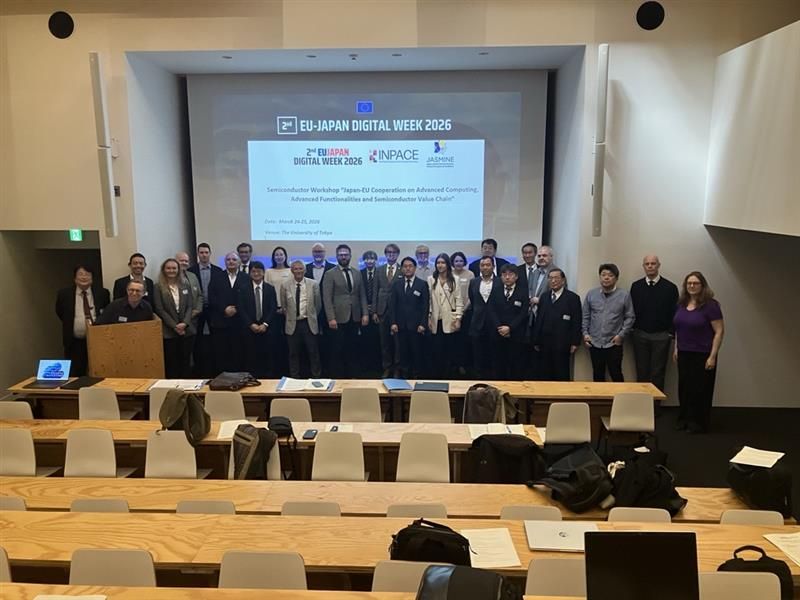
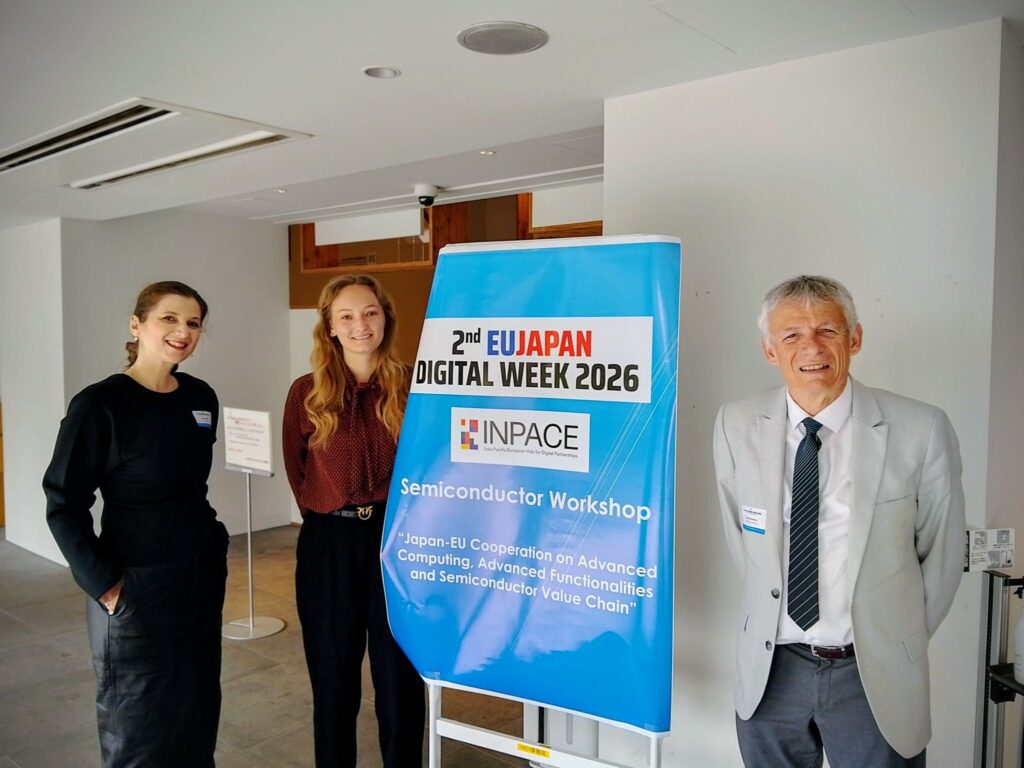
Semiconductor Workshop “Japan–EU Cooperation on Advanced Computing, Advanced Functionalities, and Semiconductor Value Chains” (Day 1)
- Organiser: Dr. Francis Balestra, SiNANO Institute/CNRS, INPACE, France
- Co-Organiser: Prof. Ken Uchida, The University of Tokyo, Japan
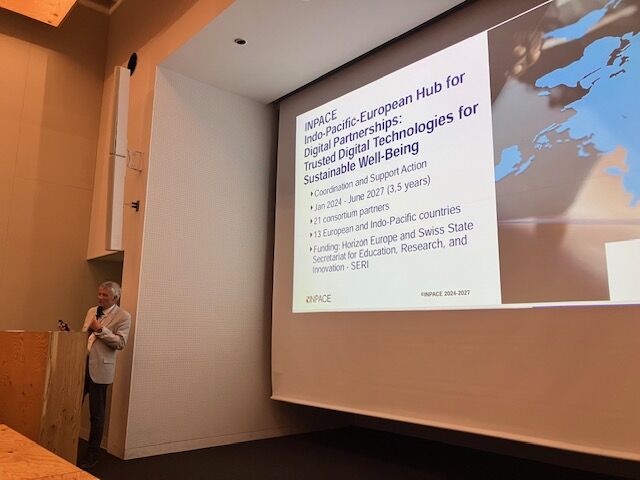
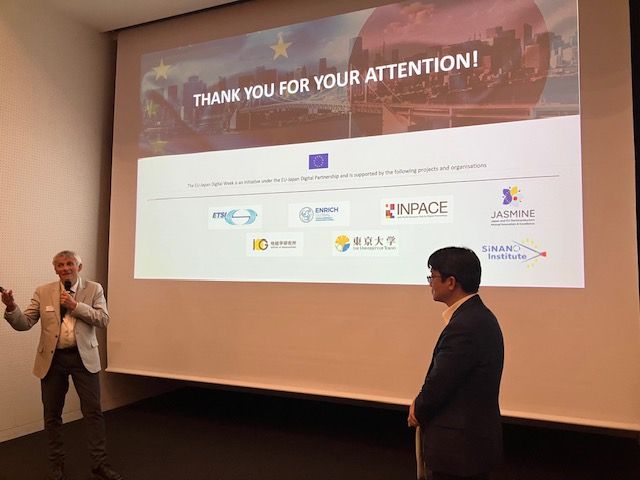
The first day of the semiconductor workshop gathered experts from research institutions, industry, and academia to discuss future semiconductor technologies and challenges within the global value chain.
After opening remarks by the organiser Dr. Francis Balestra, discussions addressed topics such as smart sensors, process technology, manufacturing and sustainability. Participants also examined strategies for improving energy efficiency and reducing resource consumption in electronic systems while strengthening collaboration between Europe and Japan on next-generation semiconductor technologies.
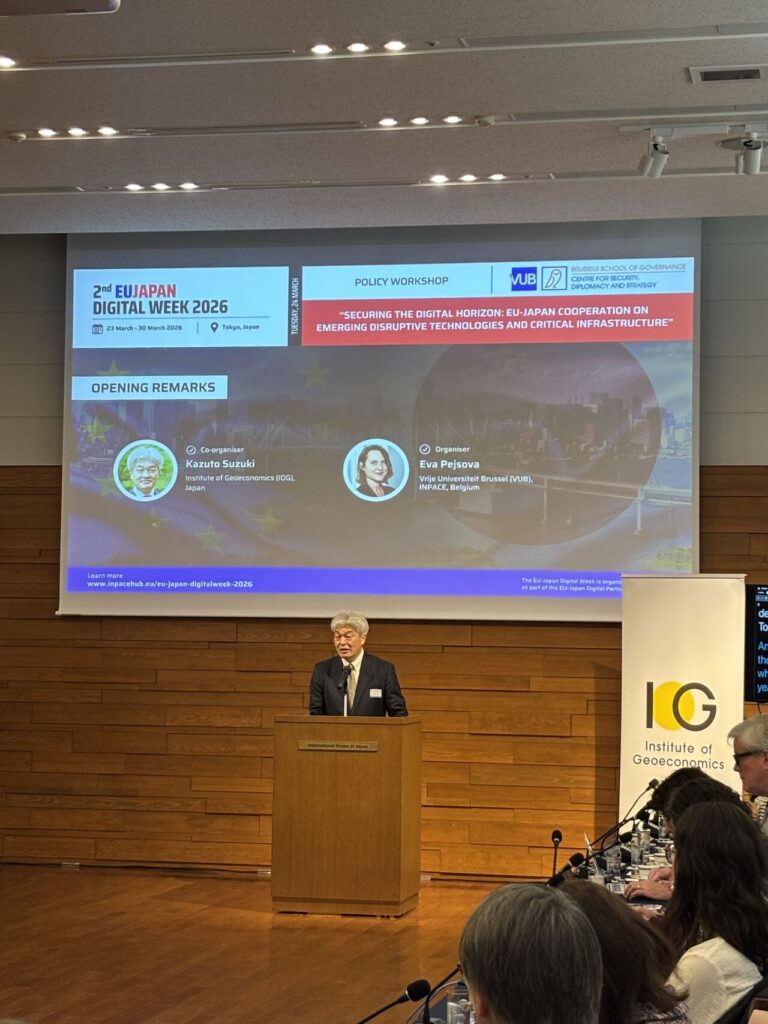
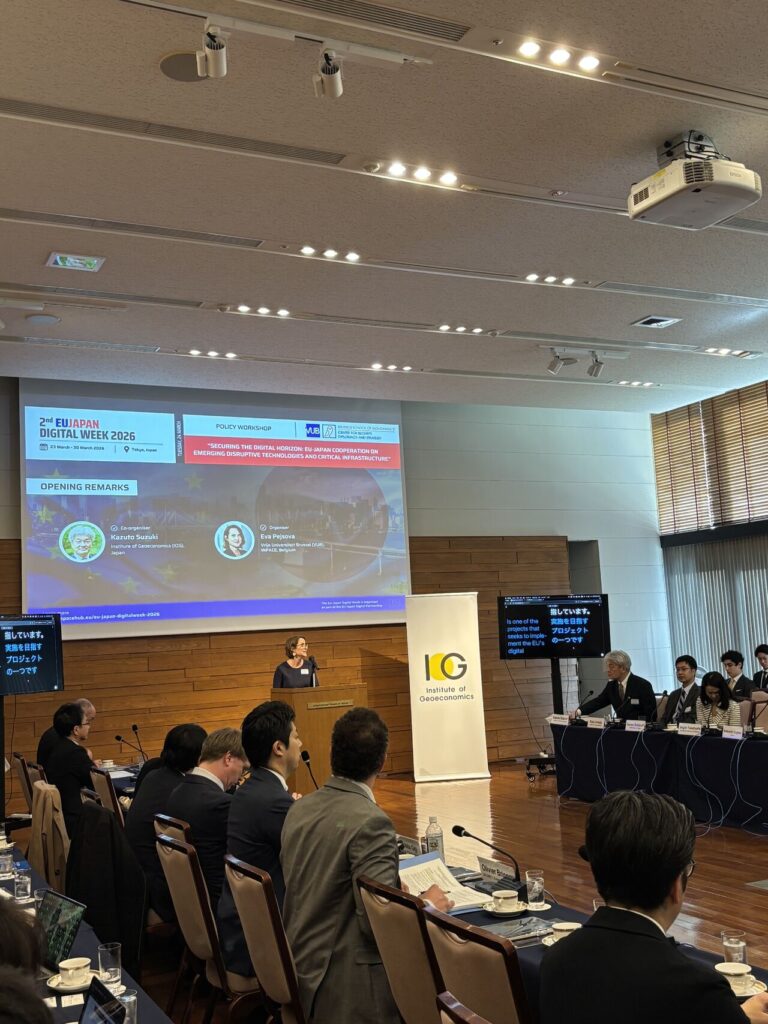
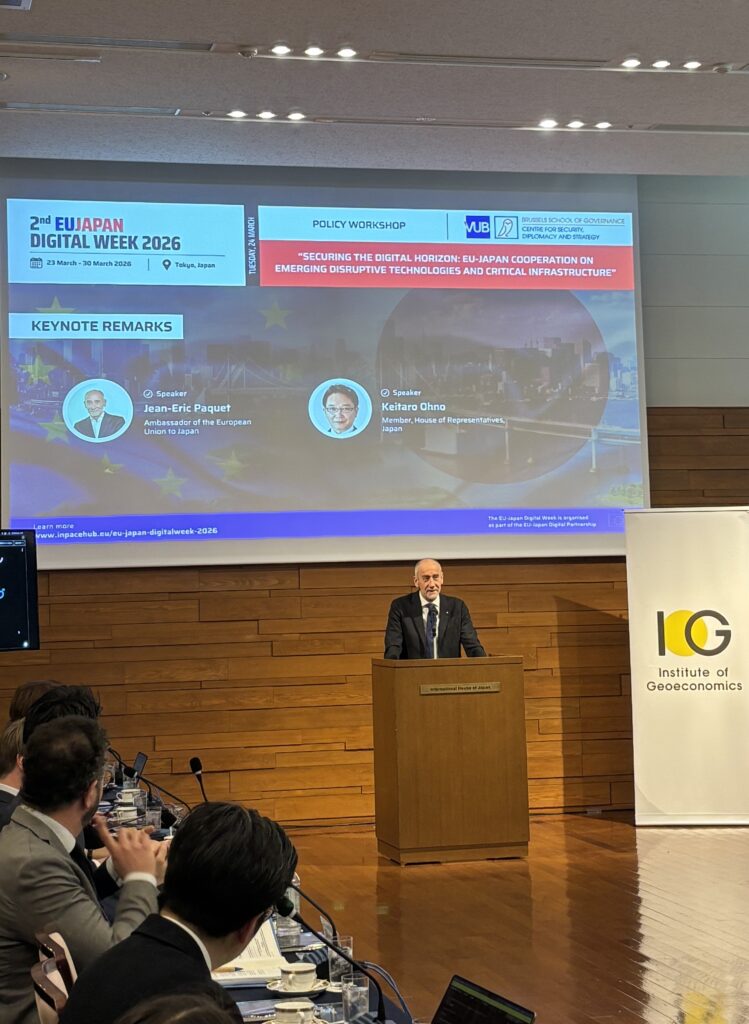
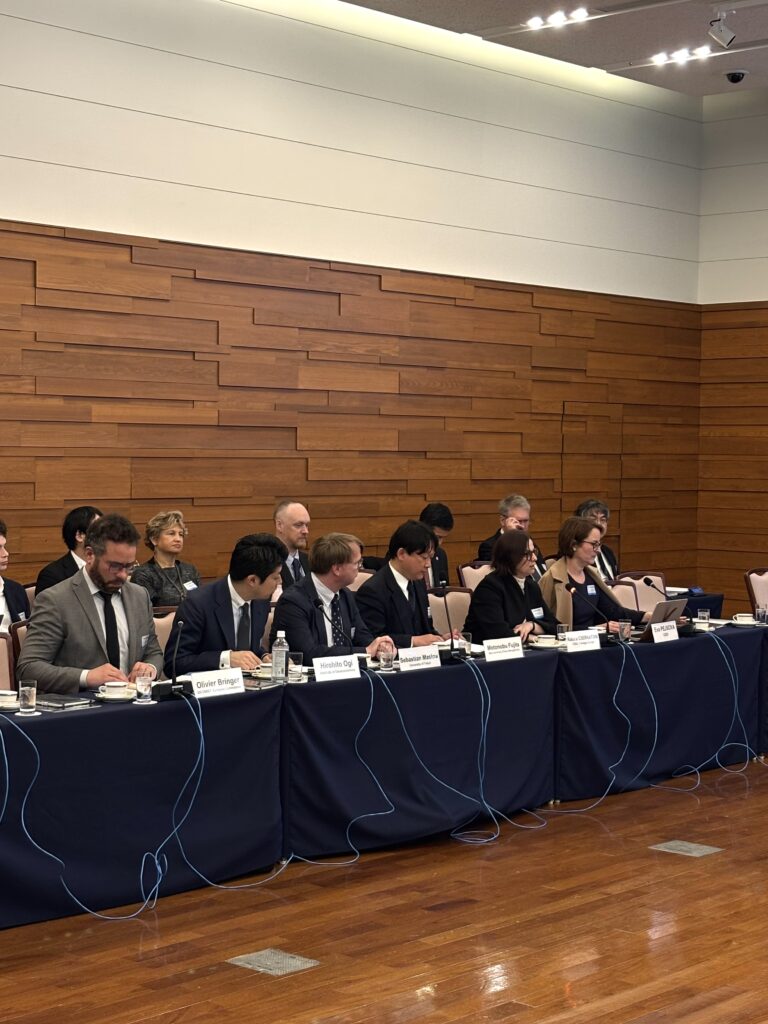
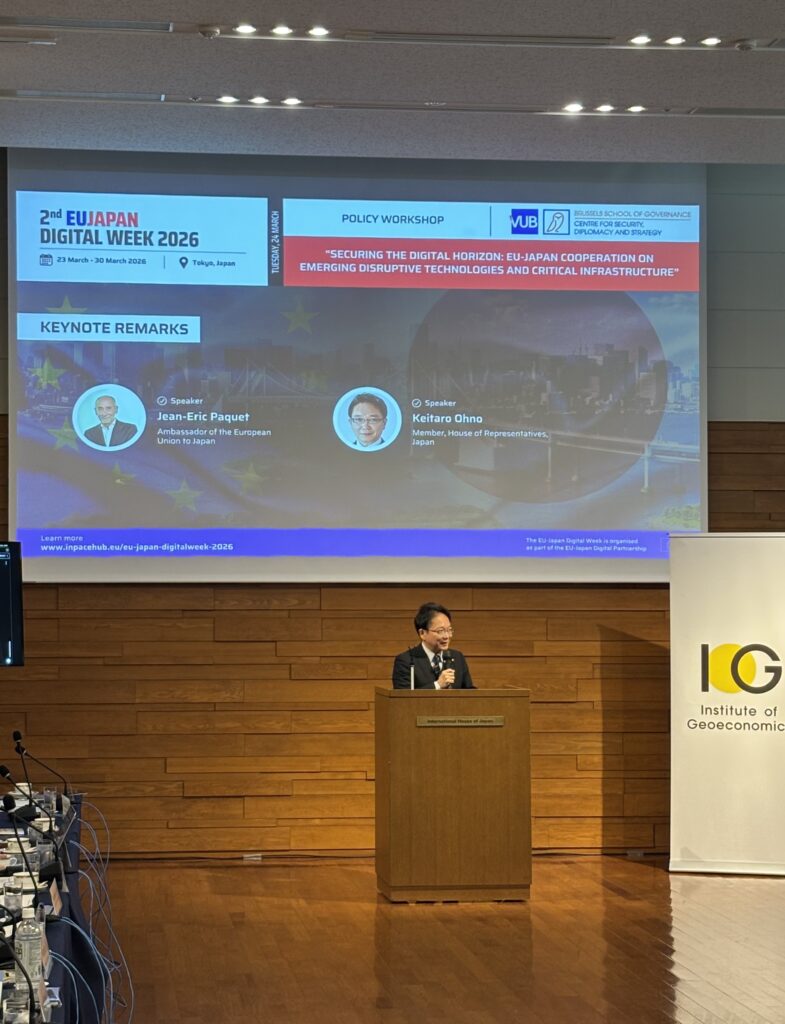
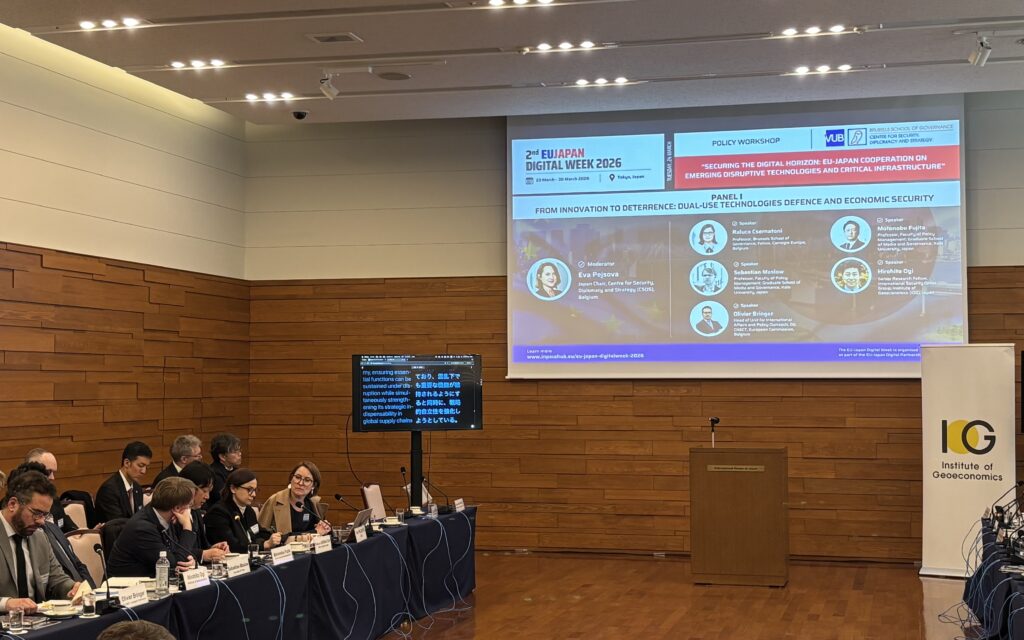
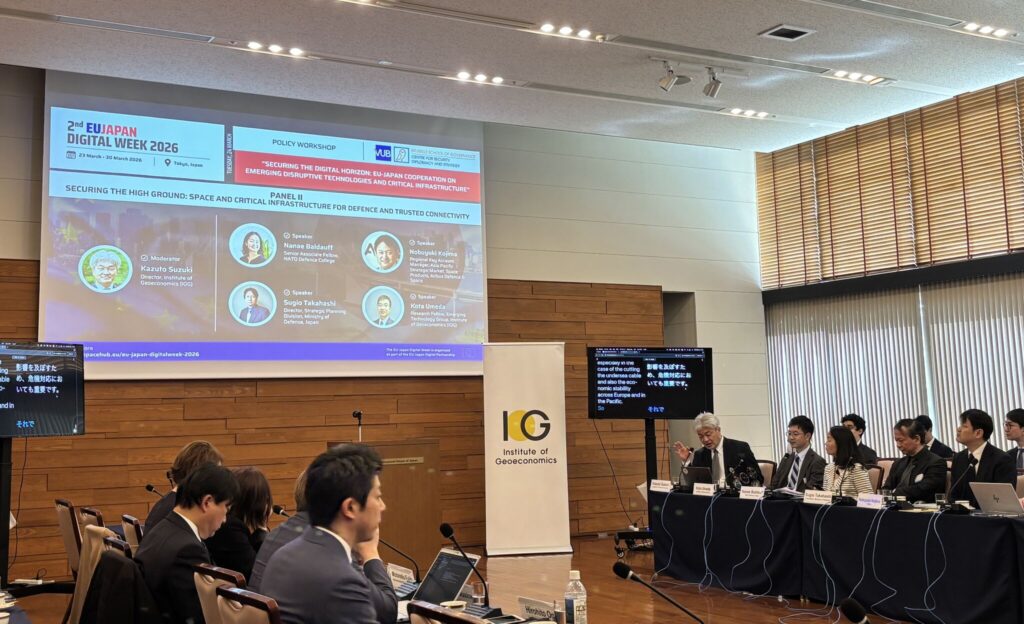
Policy Workshop “Securing the Digital Horizon: EU-Japan Cooperation on Emerging Disruptive Technologies and Critical Infrastructure”
- Organiser: Dr. Eva Pejsova, Vrije Universiteit Brussel (VUB), INPACE, Belgium
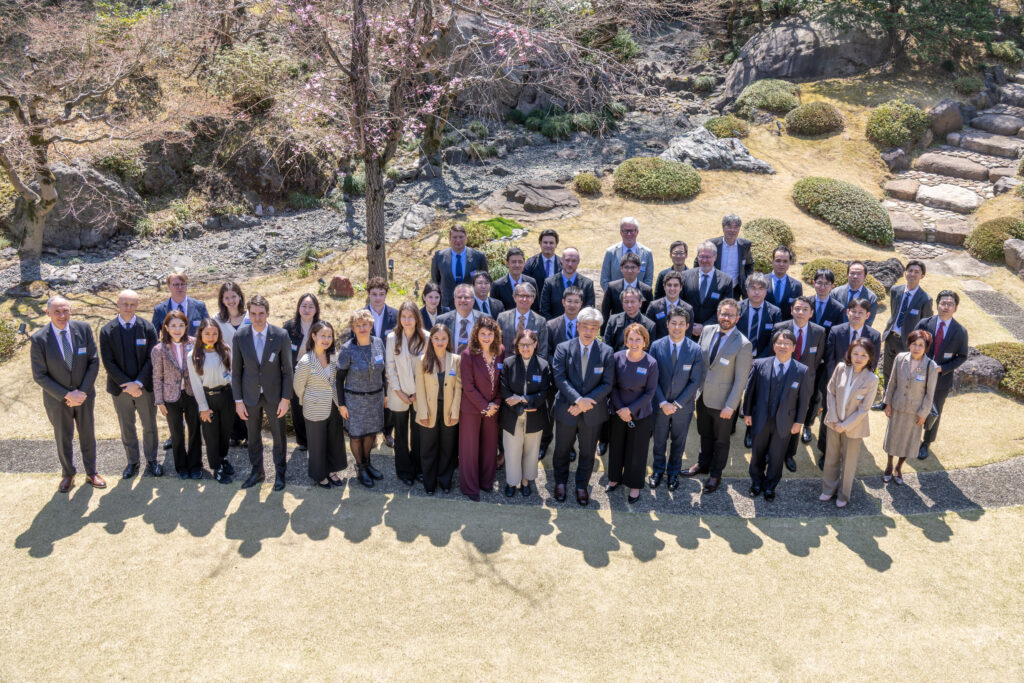
A closed-door policy-focused workshop examined how the European Union and Japan could strengthen cooperation on emerging and disruptive technologies, including artificial intelligence, quantum computing, and advanced semiconductors.
The session opened with remarks from Kazuto Suzuki, Director at the Institute of Geoeconomics (IOG), and the organiser Dr. Eva Pejsova. After the keynote remarks delivered by the Ambassador of the European Union Jean-Eric Paquet and from Keitaro Ohno, Member of the House of Representatives, experts and policymakers discussed research collaboration, investment strategies, and governance frameworks aimed at building resilient digital infrastructure and trusted connectivity. The session also explored how the two regions could coordinate standards and innovation policies to support a rules-based digital ecosystem. More specifically, the first panel highlighted the dual-use technologies for defence and economic security, while the second focused on securing the high ground, focusing on space and critical infrastructure for defence and trusted connectivity.
EU and Japan Partnering Up: Exploring Complementarities of Tech Business Offers
- Organiser: Jana Vinkel, International Relations Officer, International Affairs and Policy Outreach, DG CNECT, Belgium
- Organiser: Anne Wenzek, Country Advisor, International Digital Policy, GIZ GmbH, Germany
An invitation-only exchange brought together representatives from public administrations and the technology sector to discuss opportunities for joint market exploration in third countries.
The roundtable discussed comparison, complementarities and combined third market outreach. The discussion mapped existing EU and Japan digital business offers and their complementarities, addressing market entry considerations, partnership models, and business development strategies.
WEDNESDAY, 25 MARCH
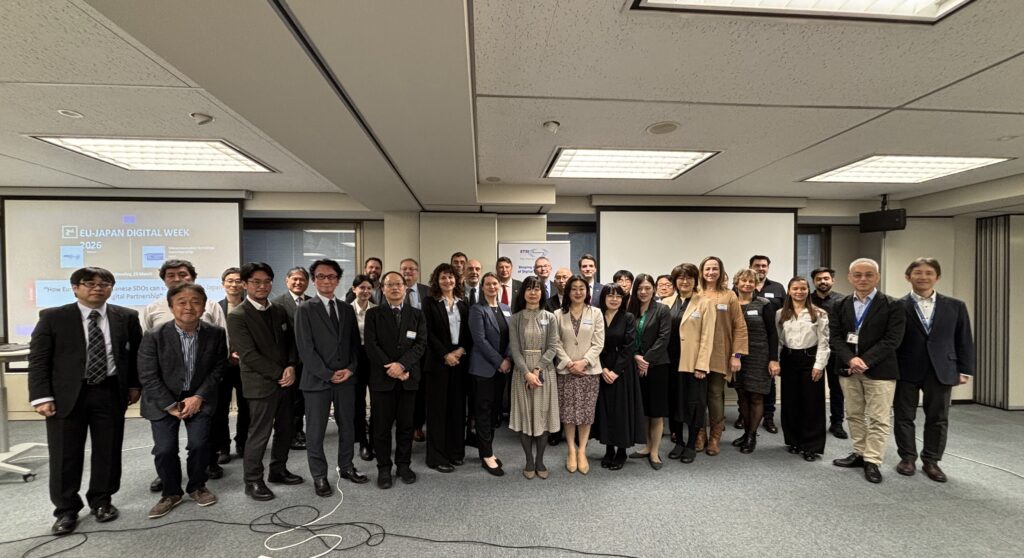
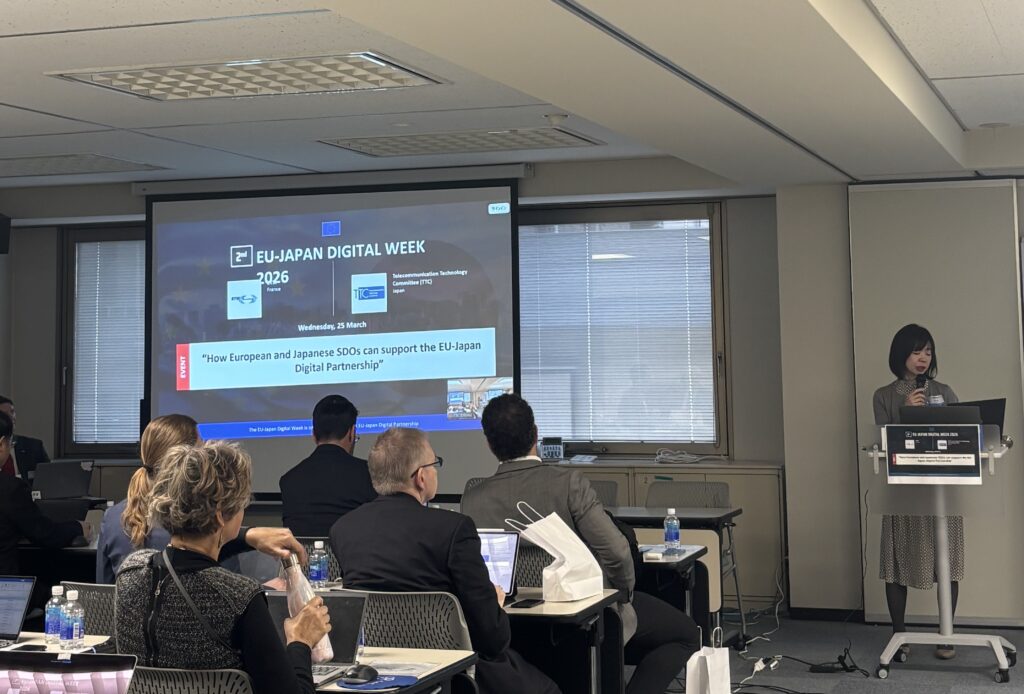
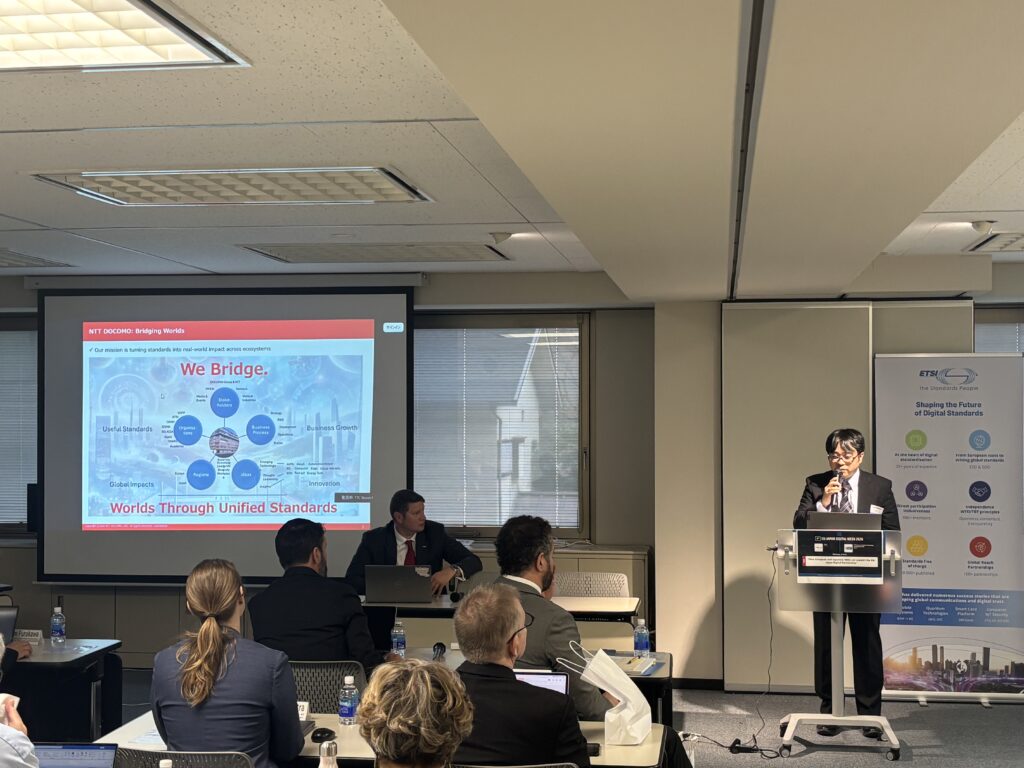
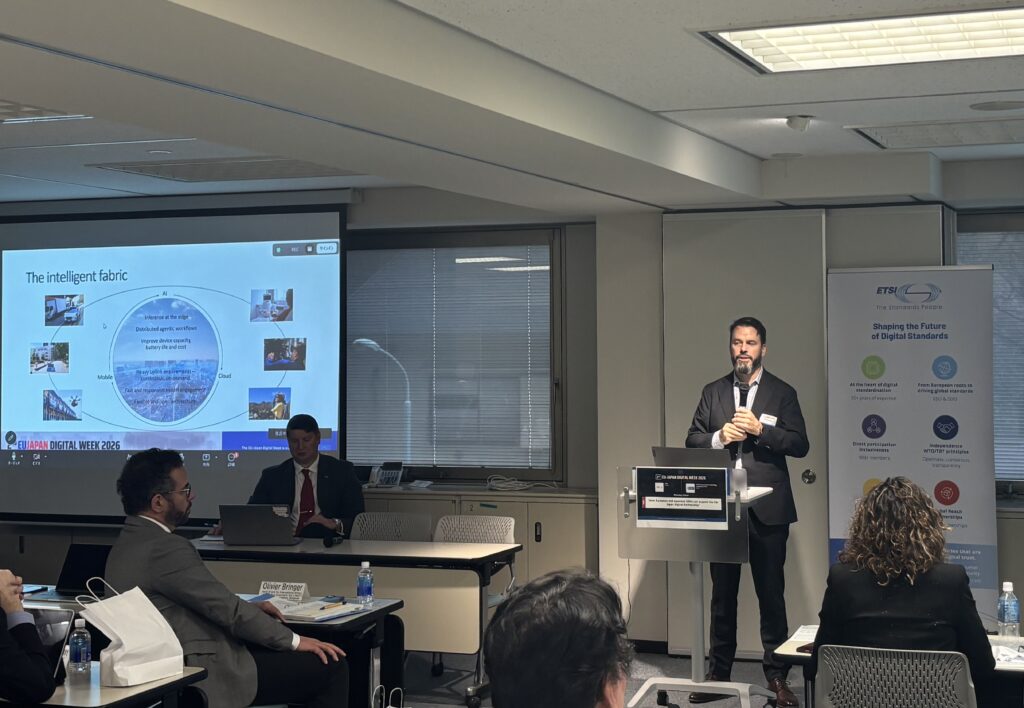
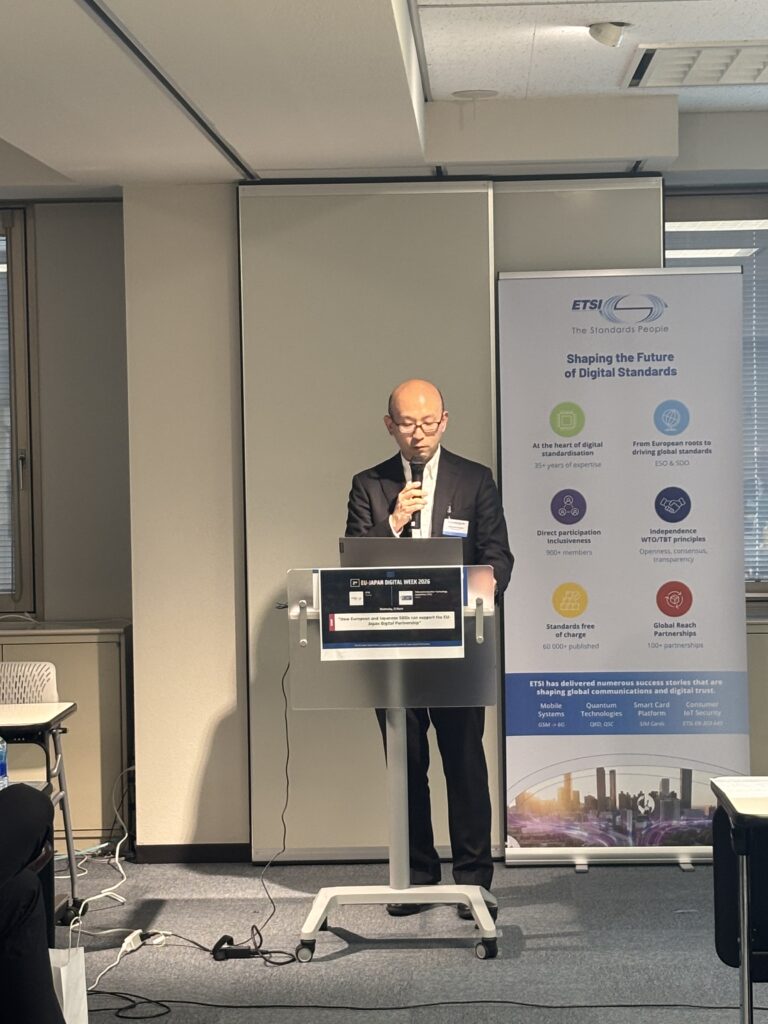
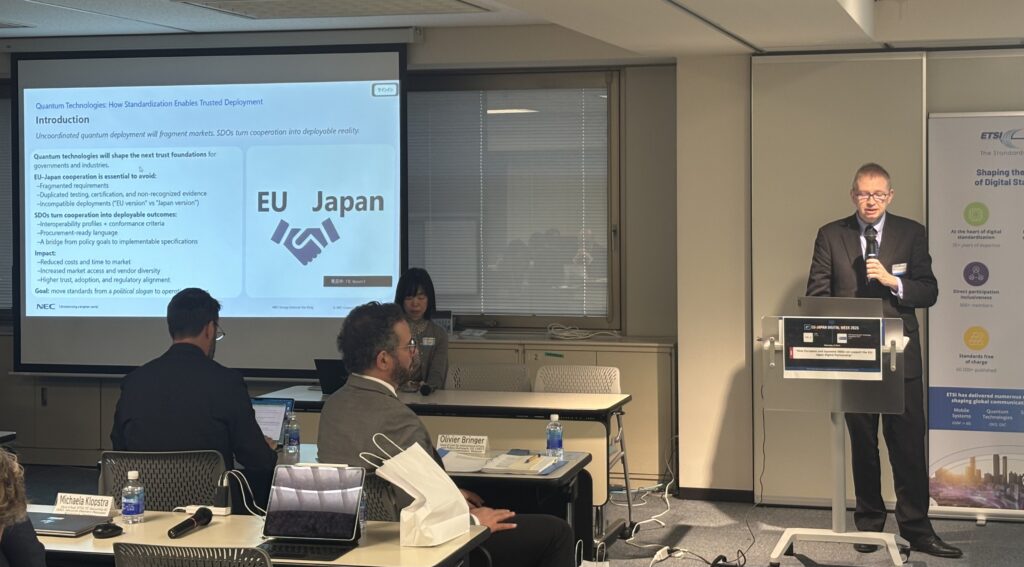
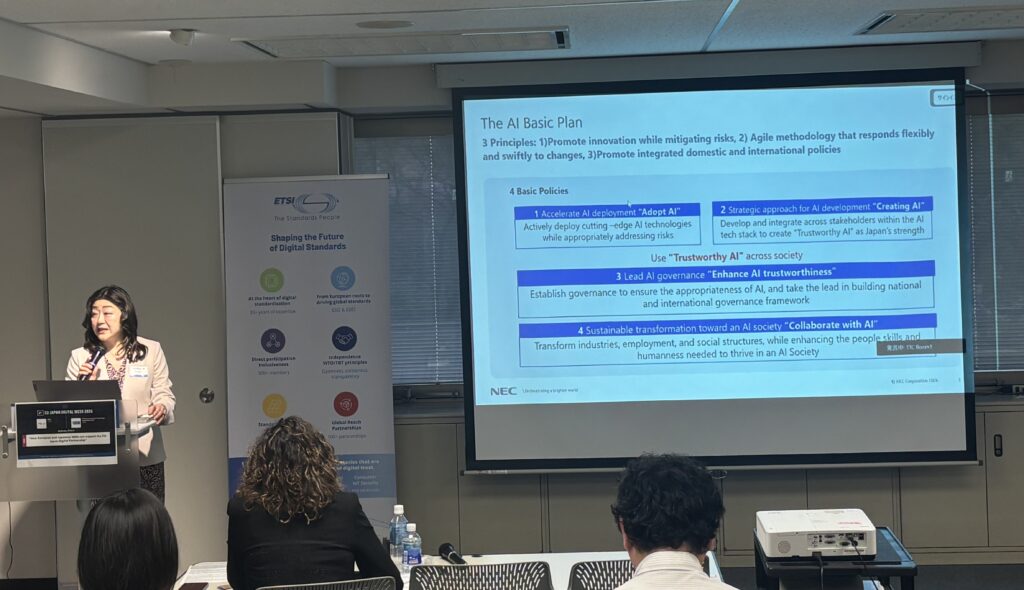
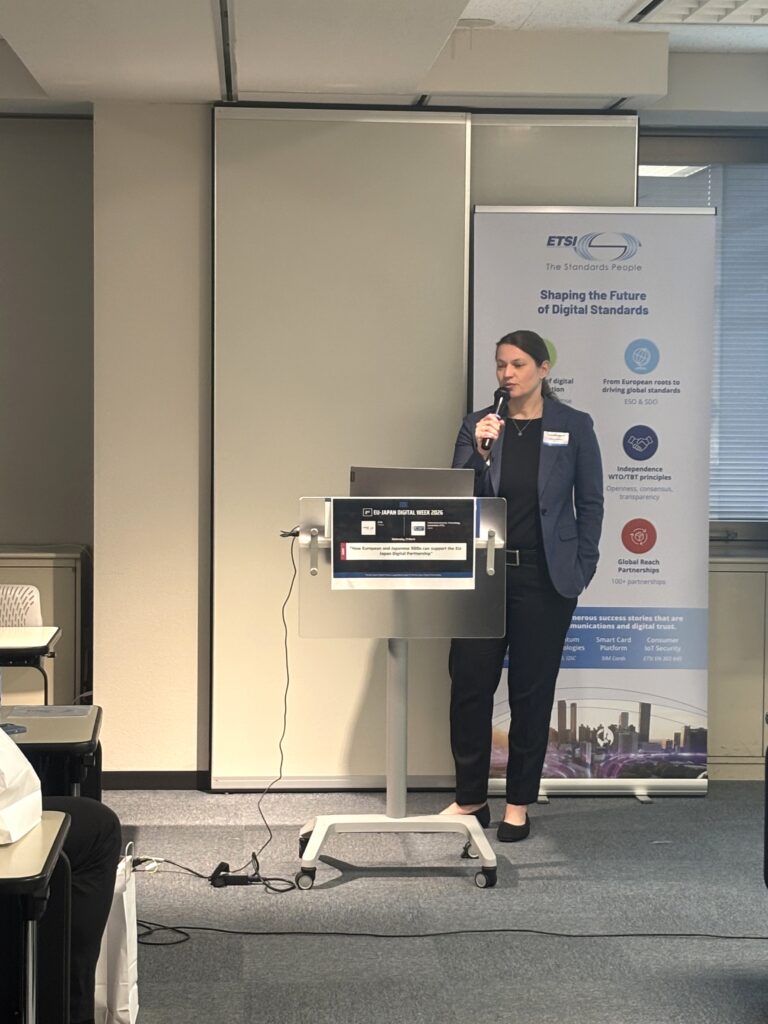
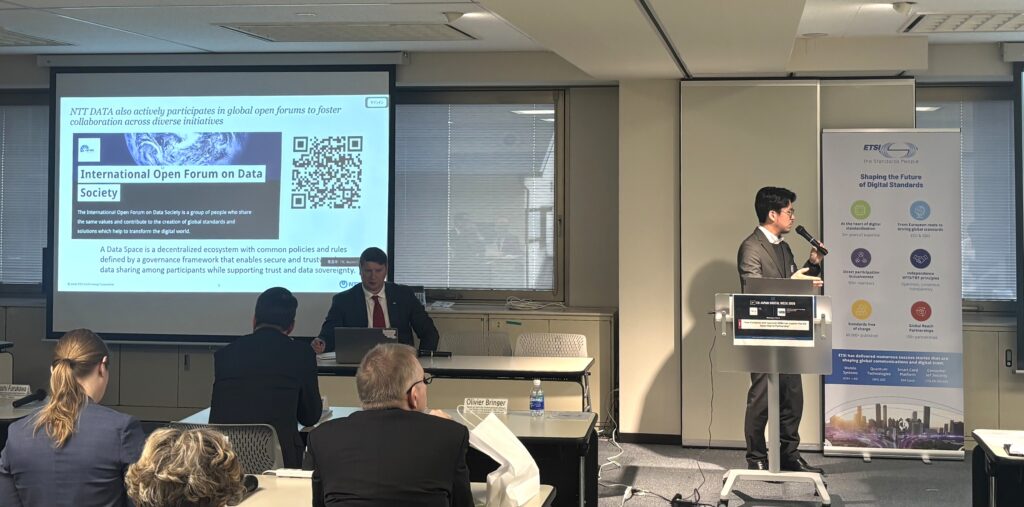
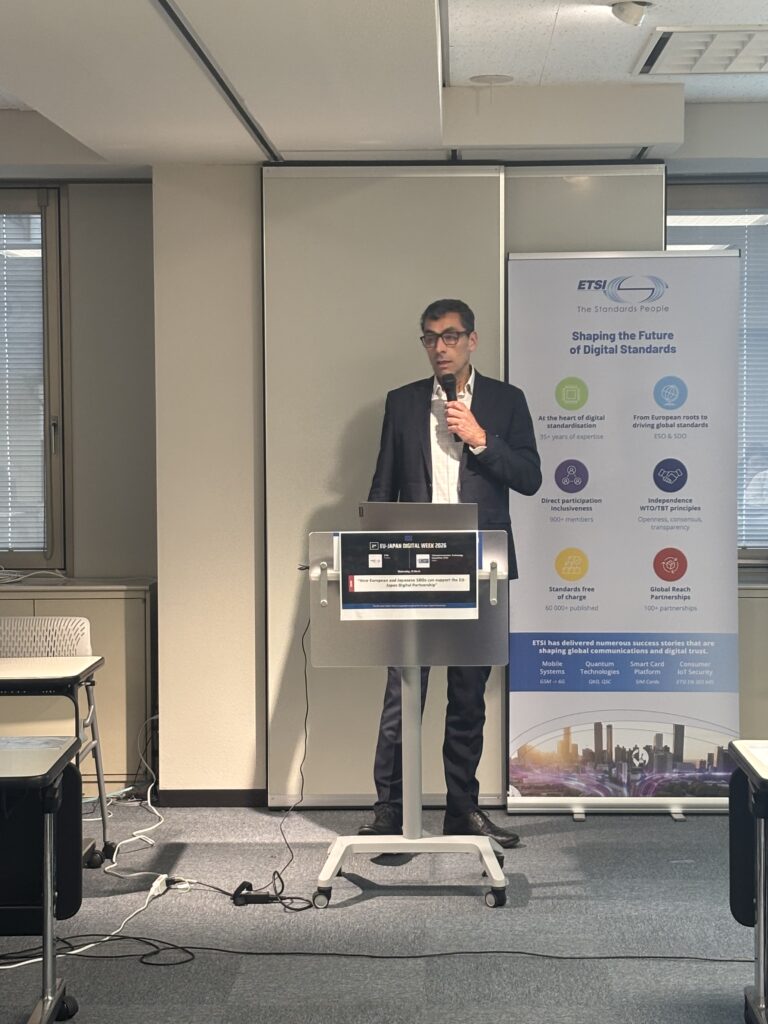
Event: “How European and Japanese SDOs can support the EU-Japan Digital Partnership”
- Organiser: ETSI, France
- Co-Organiser: Telecommunication Technology Committee (TTC), Japan
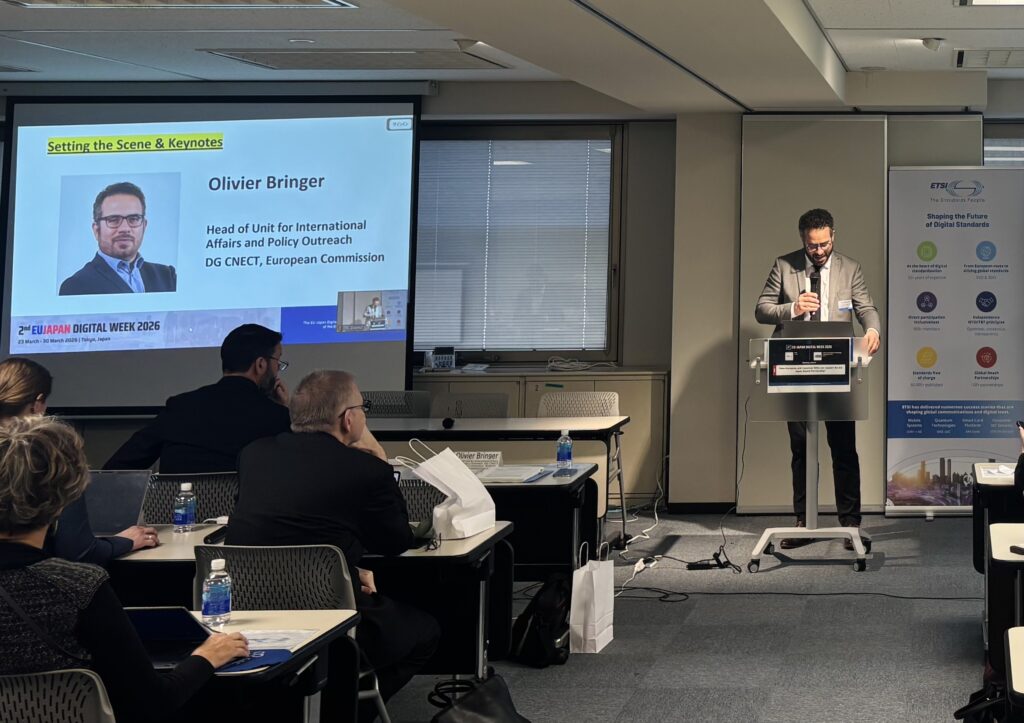
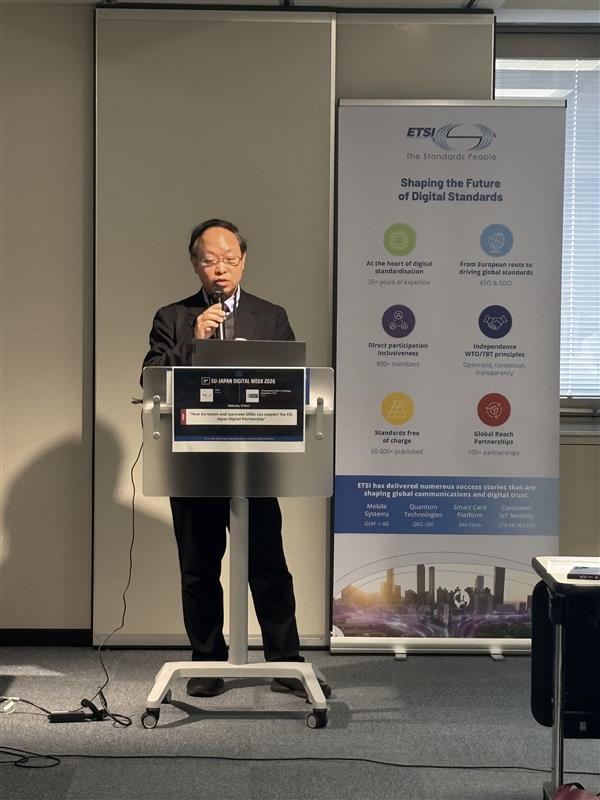
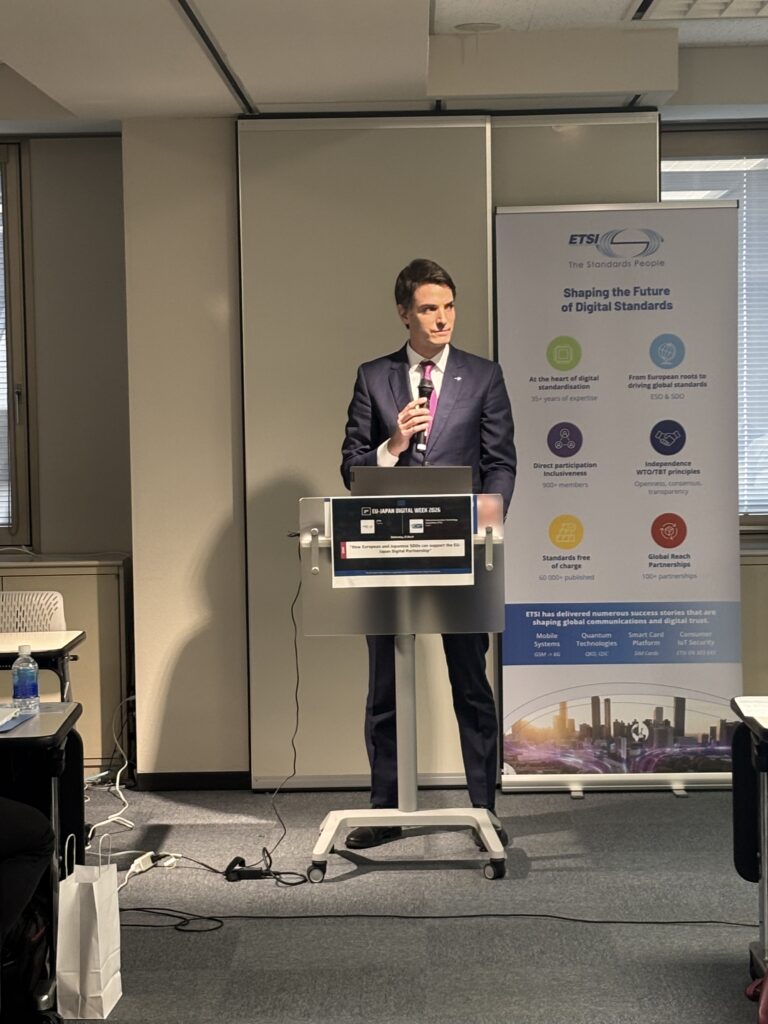
The workshop on standardisation examined how European and Japanese standards development organisations could contribute to strengthening the EU-Japan Digital Partnership.
The session began with keynotes from
- Olivier Bringer, Head of Unit for International Affairs and Policy Outreach, DG CNECT, European Commission, Belgium
- Yasushi Furukawa, Director, ICT Standardization Division Global Strategy Bureau, Ministry of Internal Affairs and Communications (MIC), Japan
- Hideyuki Iwata, President and Director-General, Telecommunication Technology Committee (TTC), Japan
- Martin Chatel, Chief Policy Officer, ETSI, Belgium
During the technical sessions, experts highlighted the importance of global standards in areas such as mobile and wireless communications, quantum technologies, artificial intelligence, and data spaces and trusted data frameworks.
Semiconductor Workshop – Advanced Computing and Semiconductor Value Chains (Day 2)
- Organiser: Dr. Francis Balestra, SiNANO Institute/CNRS, INPACE, France
- Co-Organiser: Prof. Ken Uchida, The University of Tokyo, Japan
The second day of the semiconductor workshop continued technical discussions on semiconductor research and innovation.
Speakers examined developments in heterogeneous integration and advanced packaging, new channel materials, semiconductor technology, and value chain. The session further explored opportunities for collaborative research and innovation across the EU-Japan semiconductor ecosystem and later focused on power devices, memory technologies, optoelectronics, and international cooperation.

THURSDAY, 26 MARCH
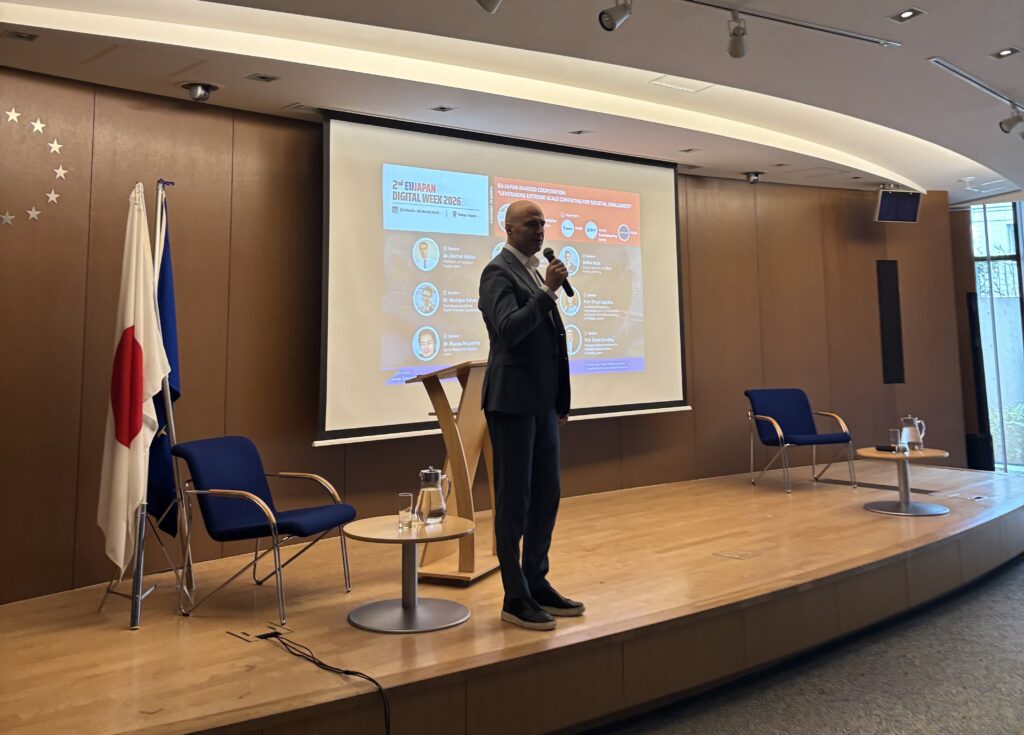
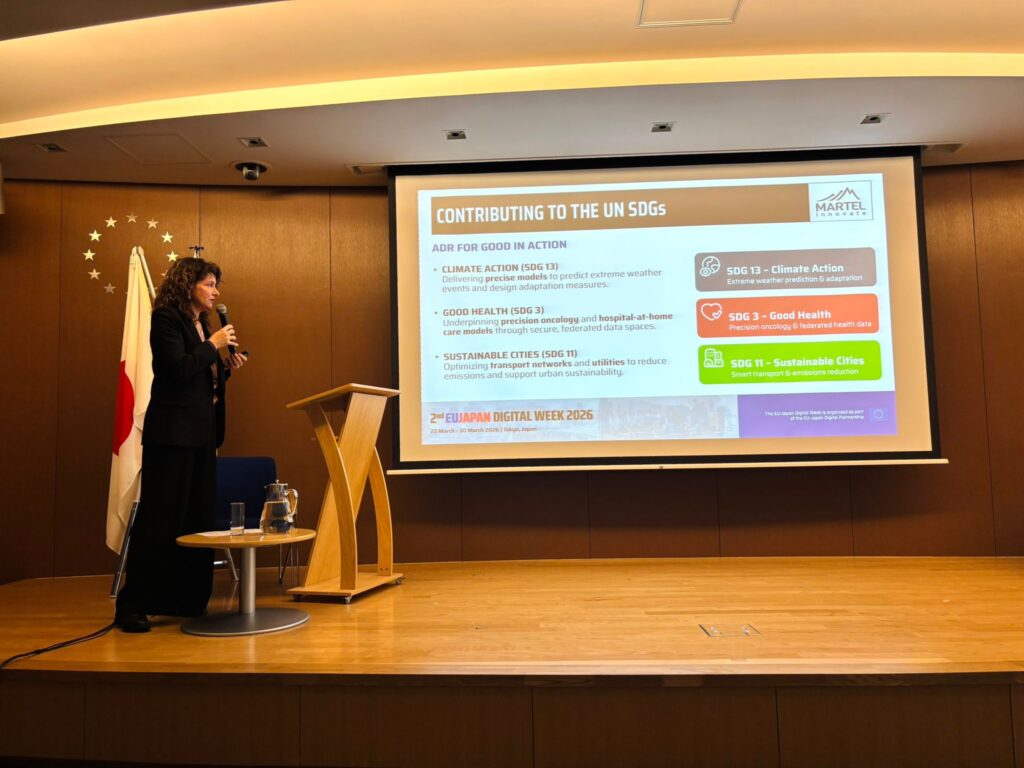
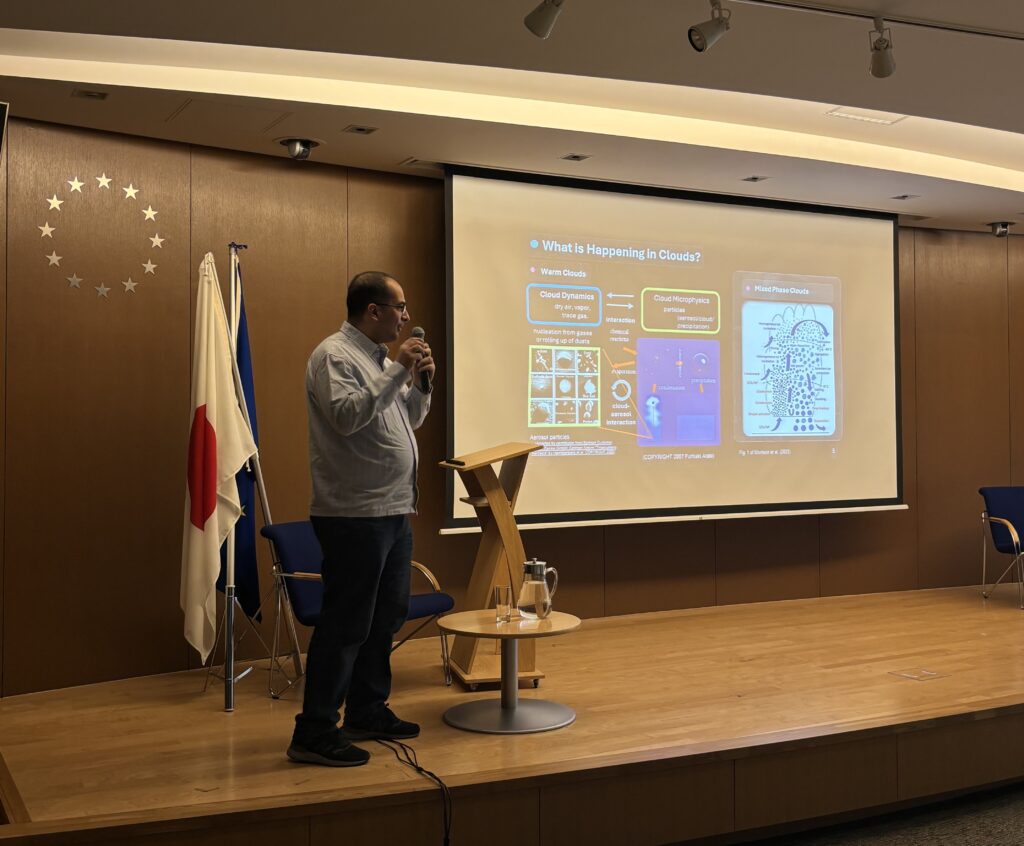
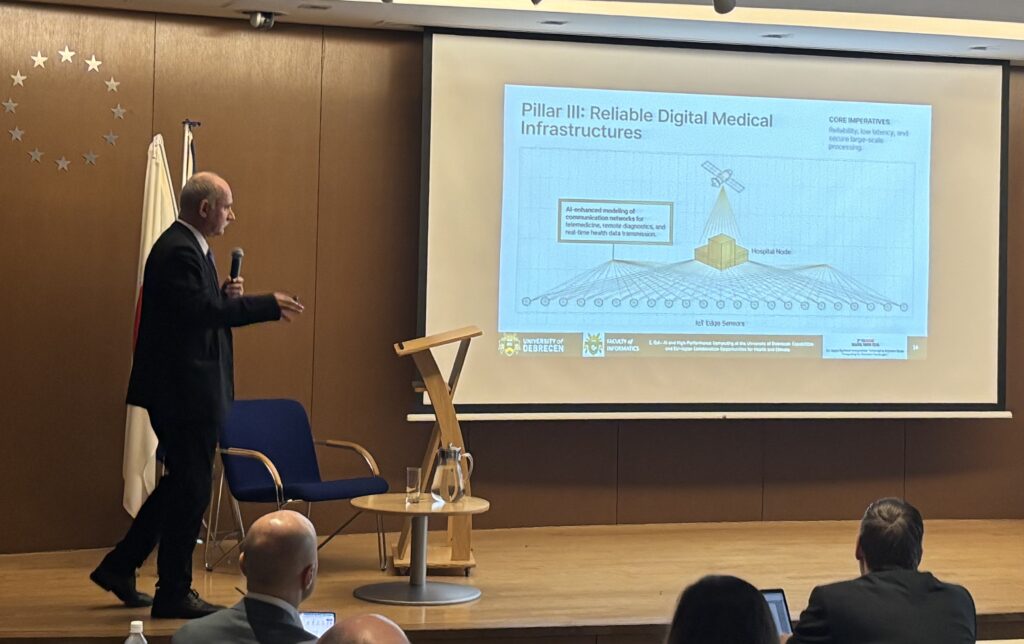
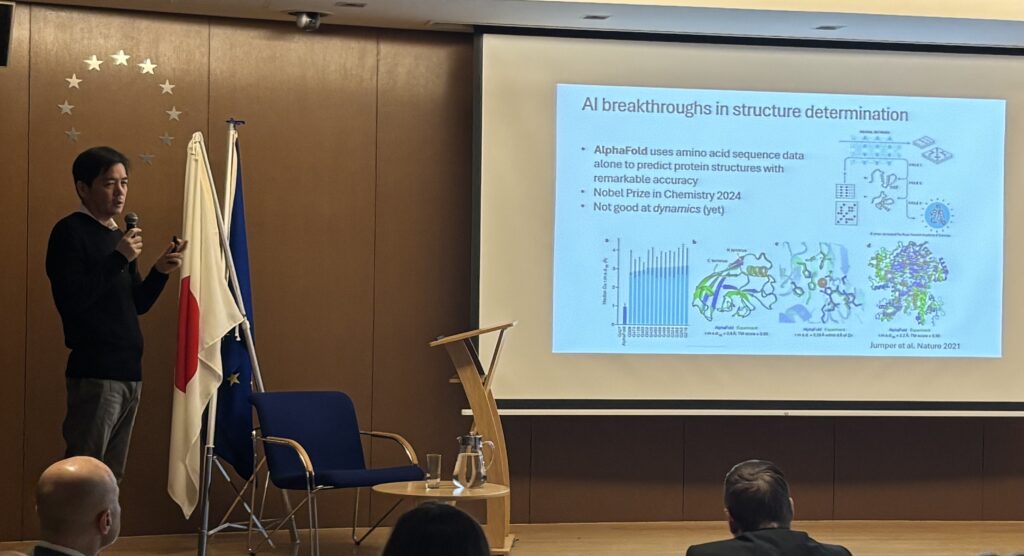
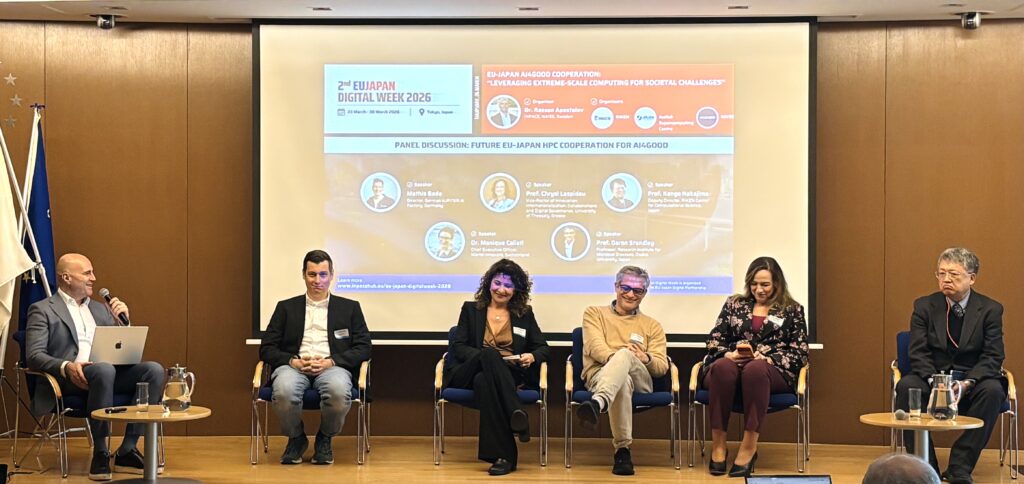
EU-Japan AI4Good cooperation: “Leveraging Extreme-Scale Computing for Societal Challenges”
Organisers:
- Dr. Rossen Apostolov, INPACE, NAISS, Sweden
- RIKEN
- Juelich Supercomputing Centre
- NAISS
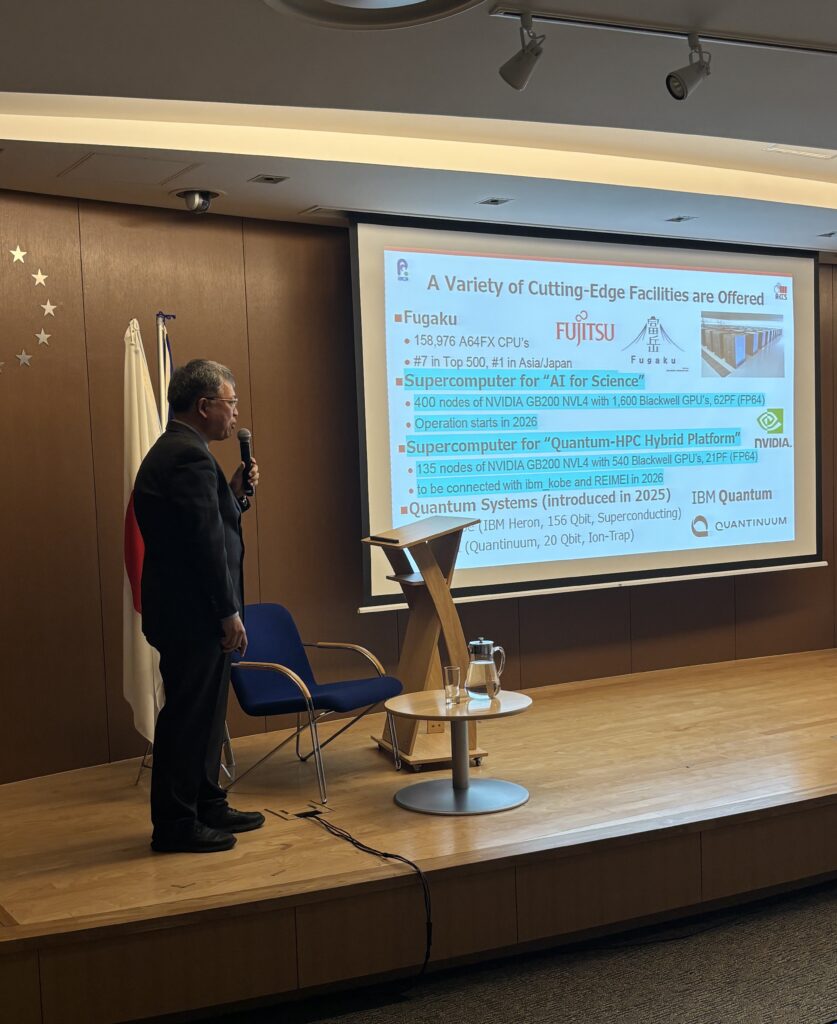
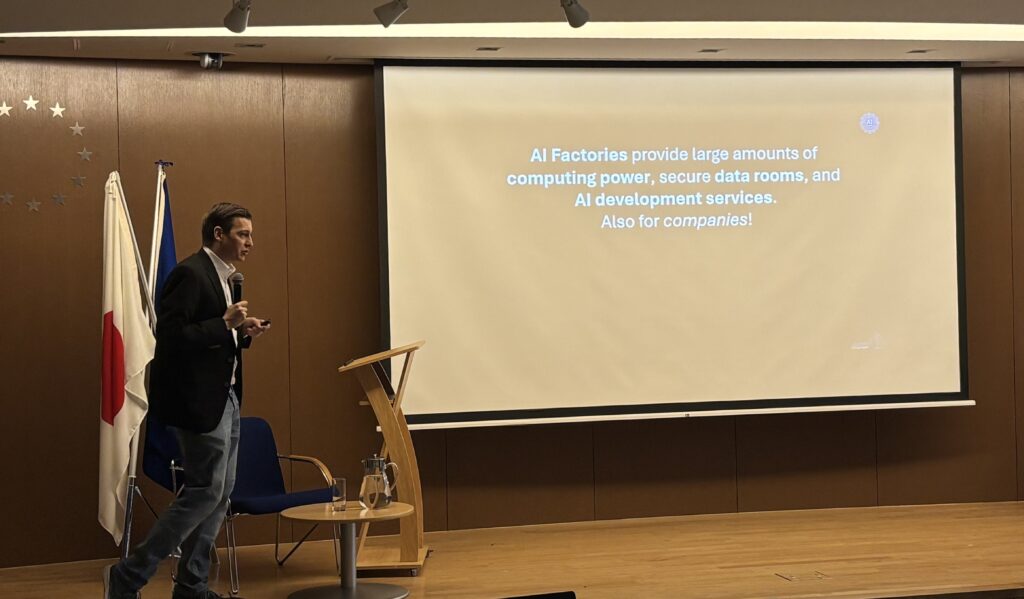
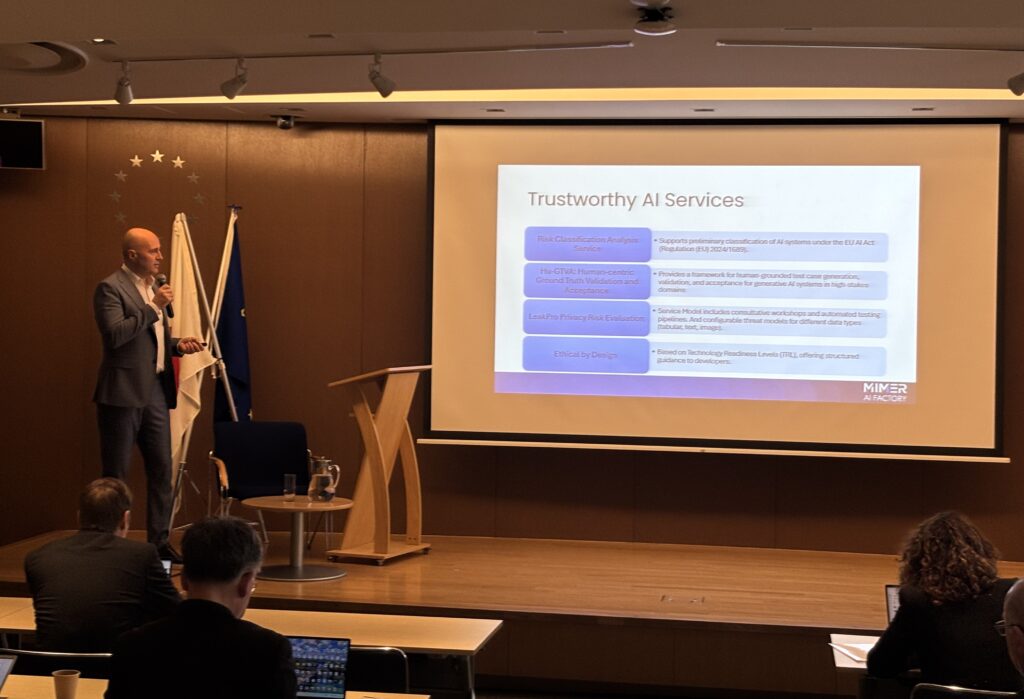
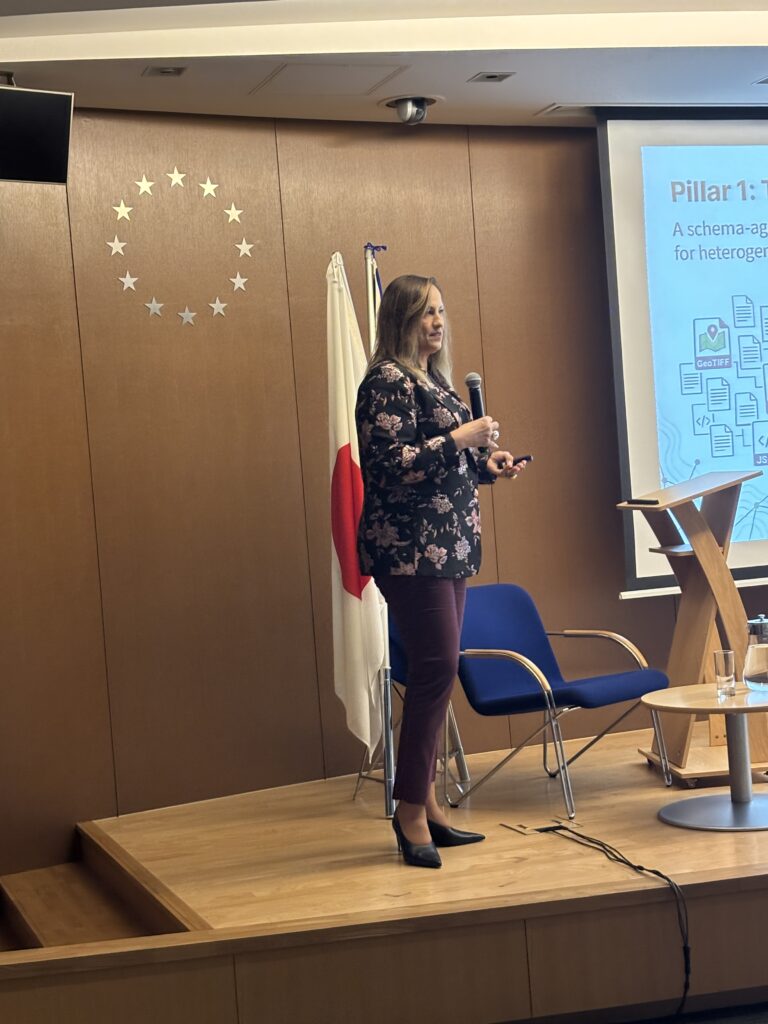
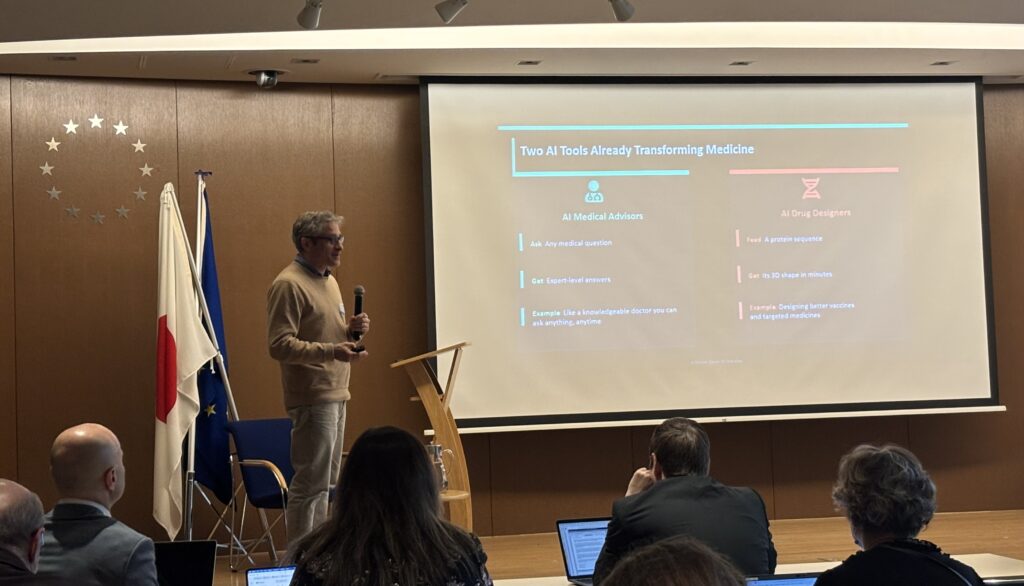
A dedicated session explored cooperation in high-performance computing (HPC) between Europe and Japan.
Participants discussed the use of flagship supercomputers to support artificial intelligence applications addressing societal challenges such as climate, health, and sustainable cities. The session also aimed to strengthen scientific collaboration between the EU and Japan through cooperation between RIKEN and JULICH, and establish a structure for sustained collaboration and an operational framework for Fugaku–Jupiter cooperation.
The session culminated in a panel discussion on the future EU-Japan HPC Cooperation for AI4Good, moderated by Rossen Apostolov.
Advancing EU–Japan Digital Cooperation: Insights from the Week and Next Steps
- Organiser: Dr. Svetlana Klessova, G.A.C. Group, INPACE, France
- Co-Organiser: Adam Kapovits, Eurescom, INPACE, Germany
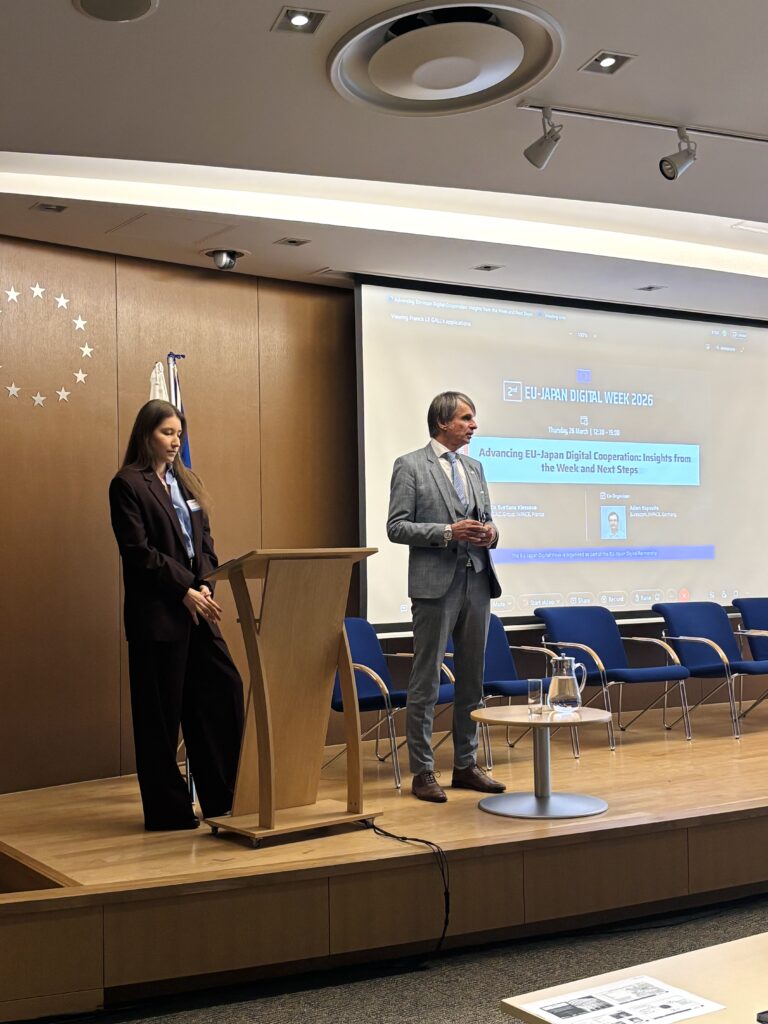
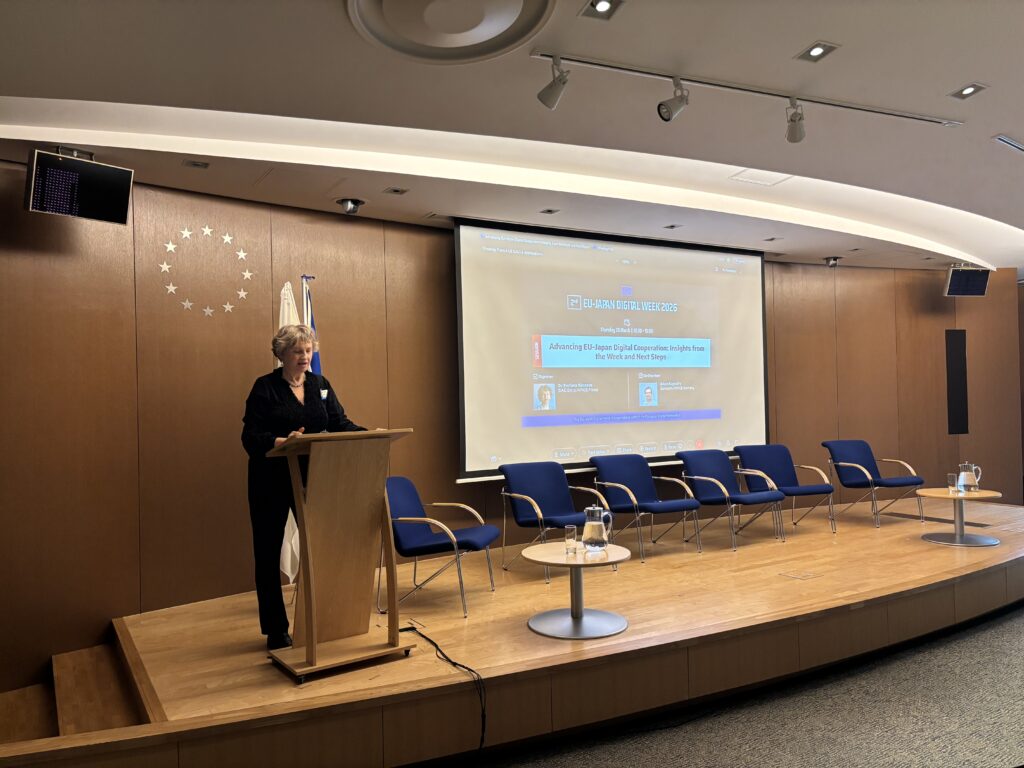
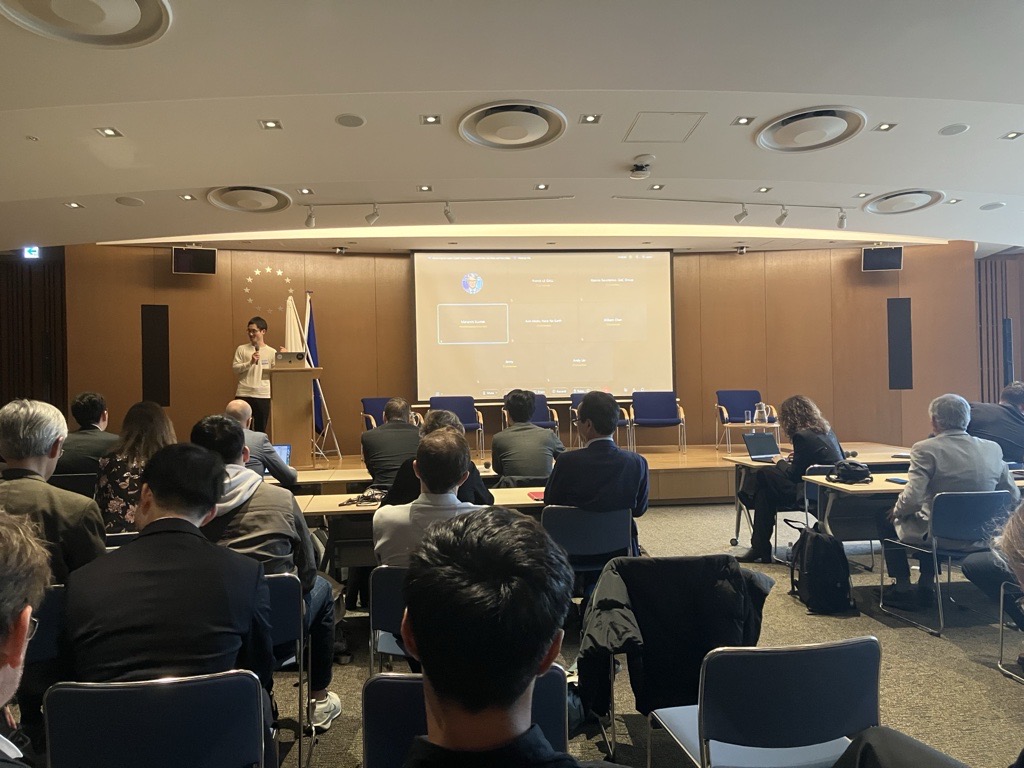
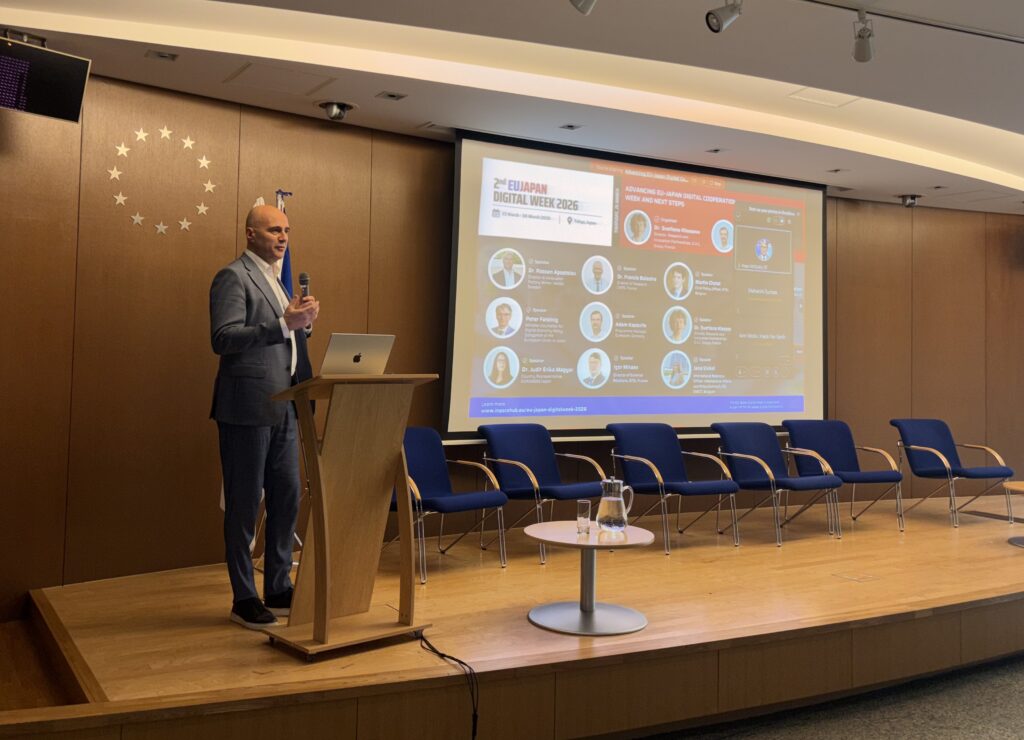
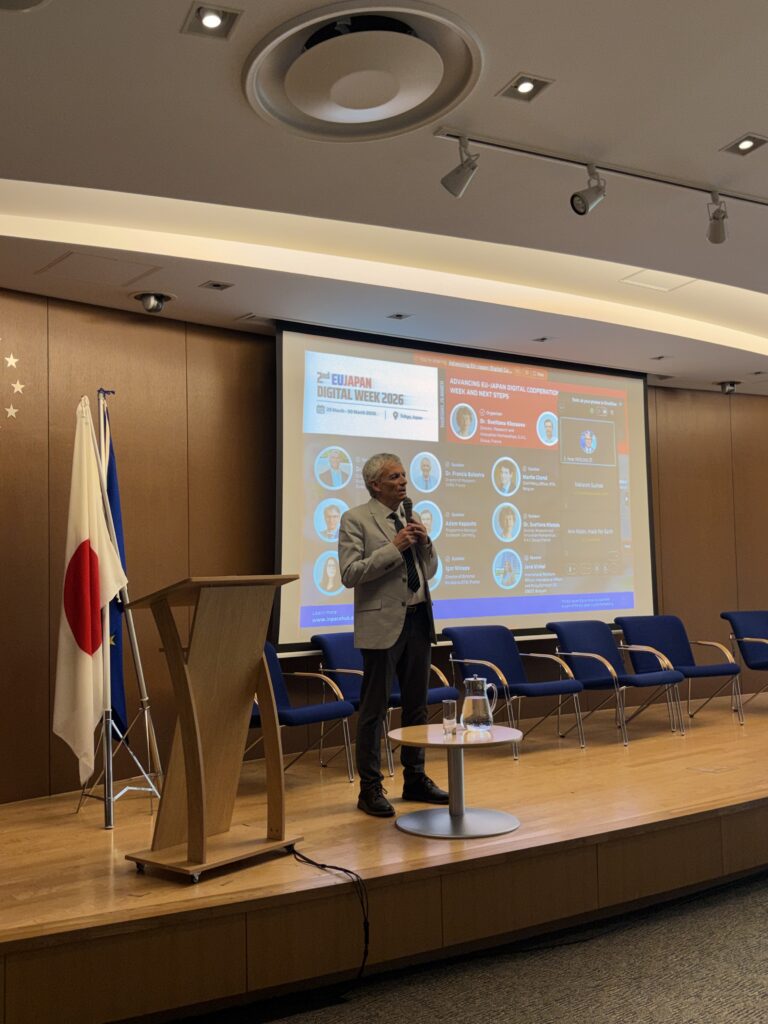
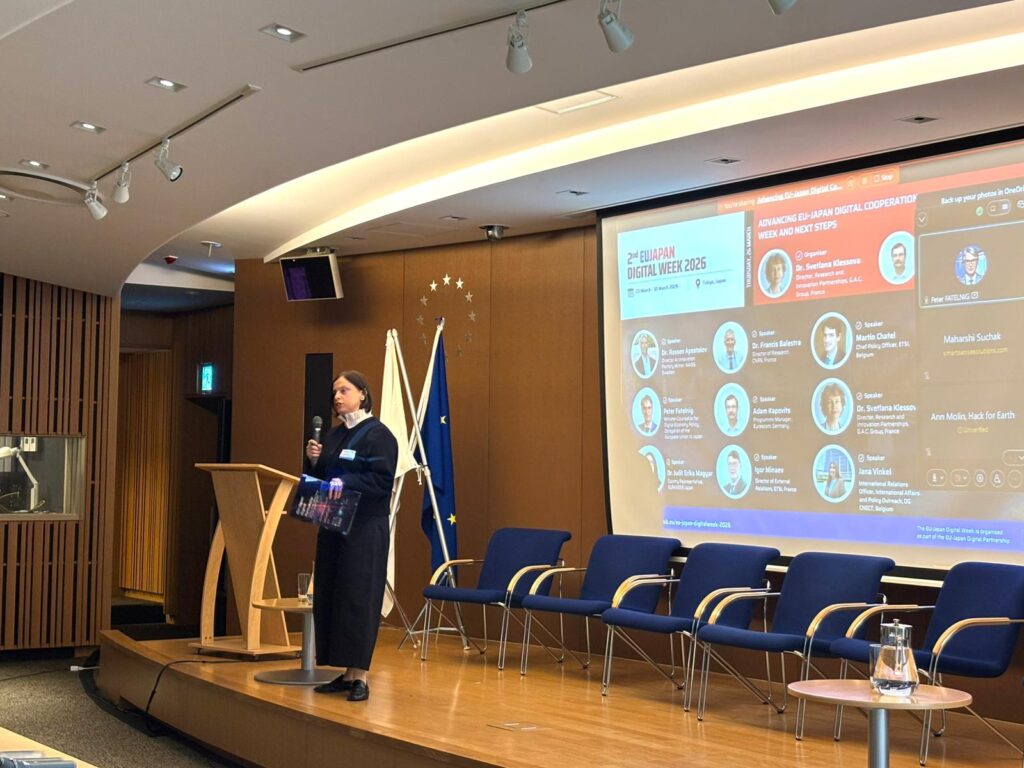
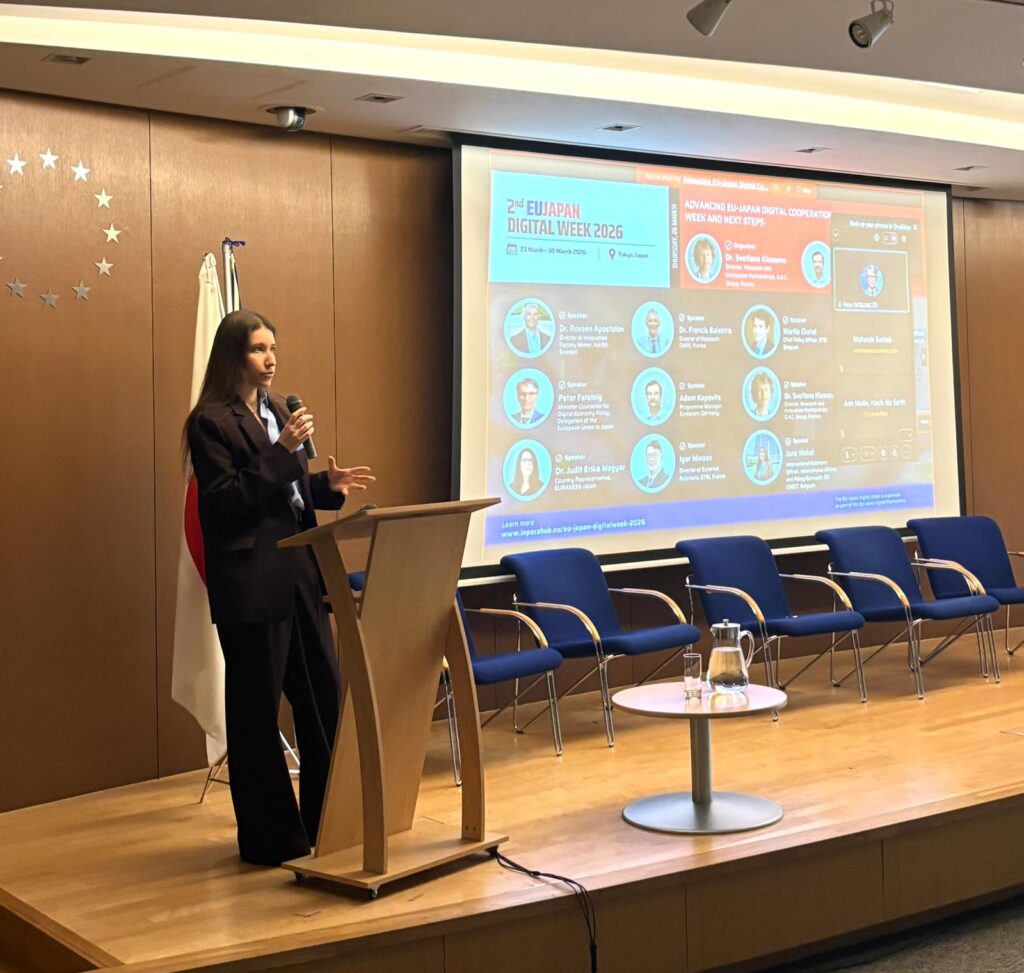
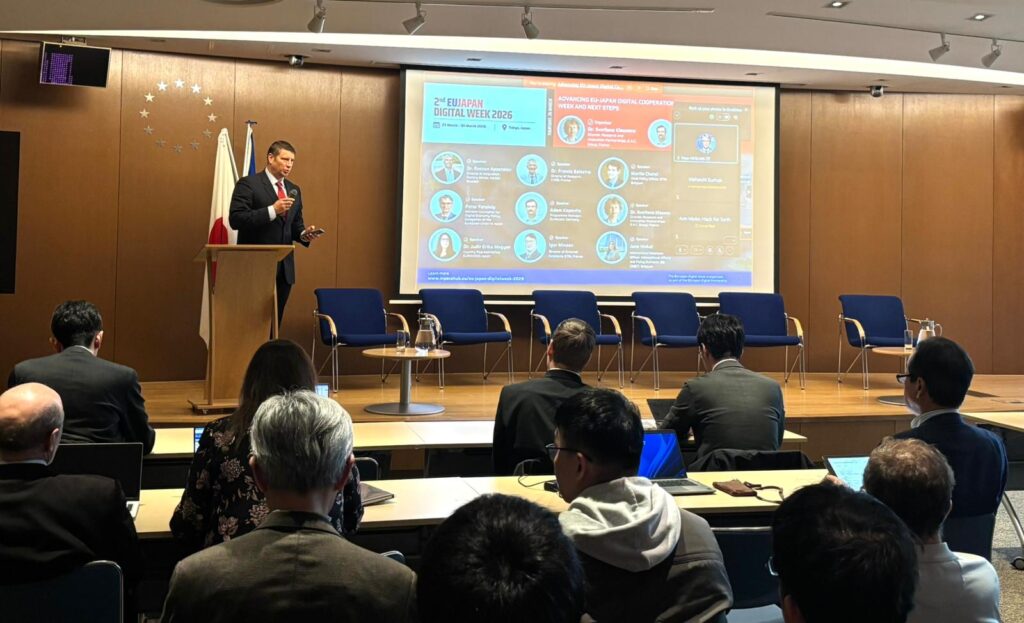
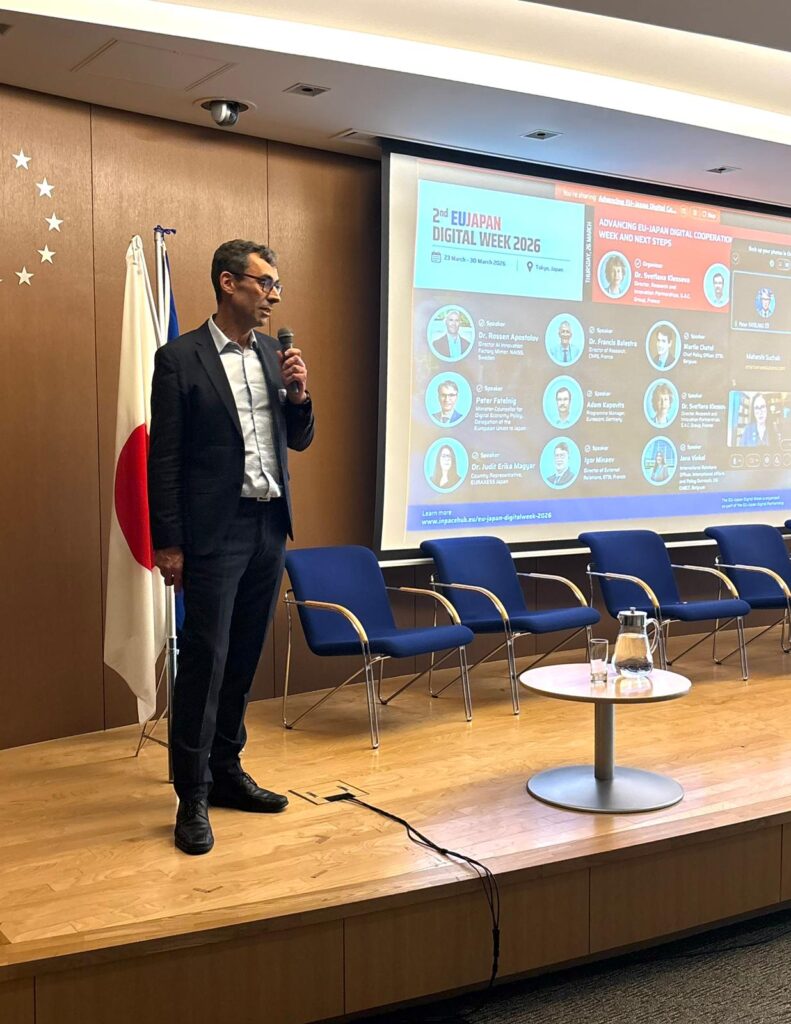
The networking session provided a platform for organisers and participants to reflect on the main outcomes of the week.Opening remarks were provided by Peter Fatelnig, Minister-Counsellor for Digital Economy Policy at the Delegation of the European Union to Japan, and Jana Vinkel, International Relations Officer at DG CNECT. The speech highlighted the importance of the EU–Japan Digital Partnership in fostering trusted cooperation, aligning digital priorities, and advancing a shared vision for a secure, resilient, and human-centric digital future.
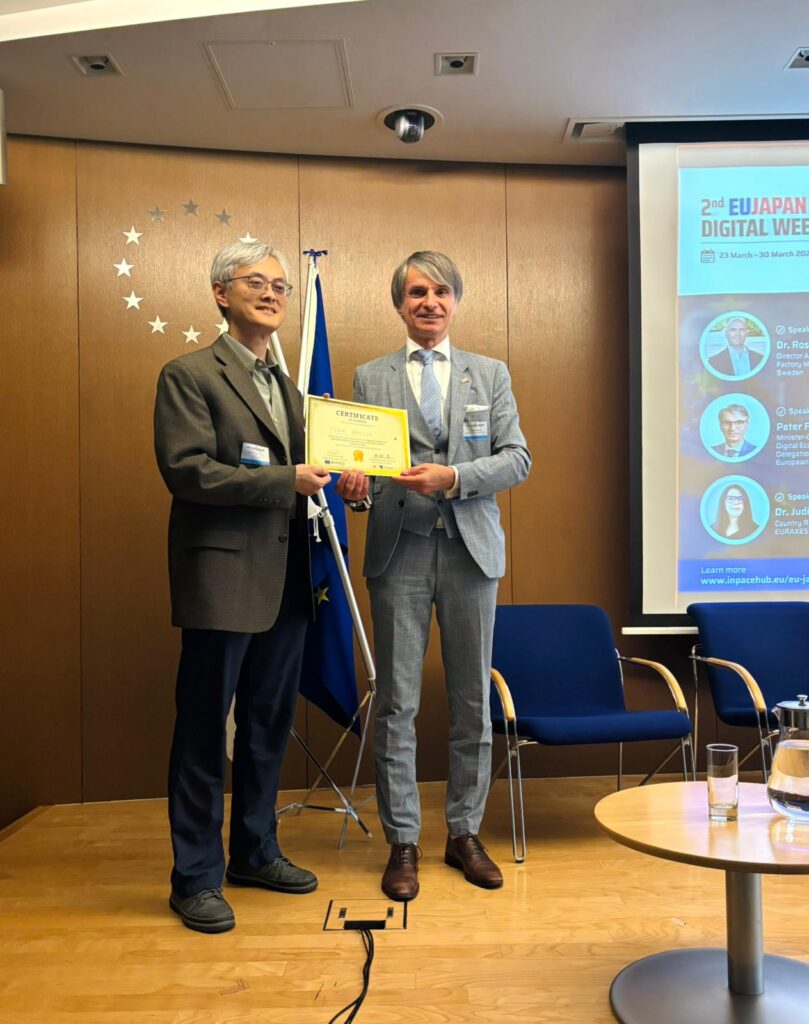
Lead organisers presented key takeaways from the thematic sessions, highlighting cross-cutting insights on digital policy, technology innovation, and international collaboration on AI4Good cooperation, semiconductors, policy, EU and Japan tech business offers, and standardisation. The hackathon concluded with final presentations by the participating teams, who showcased their solutions for interoperable digital public infrastructure. The three finalist teams of the Hackathon, smartSense, NTT DATA, and Aralia, delivered pitches on interoperable digital public infrastructure solutions bridging the EU and Japan. Peter Fatelnig announced Team Aralia as the Hackathon winner, while Aralia and smartSense have been selected to access Hack for Earth accelerator.
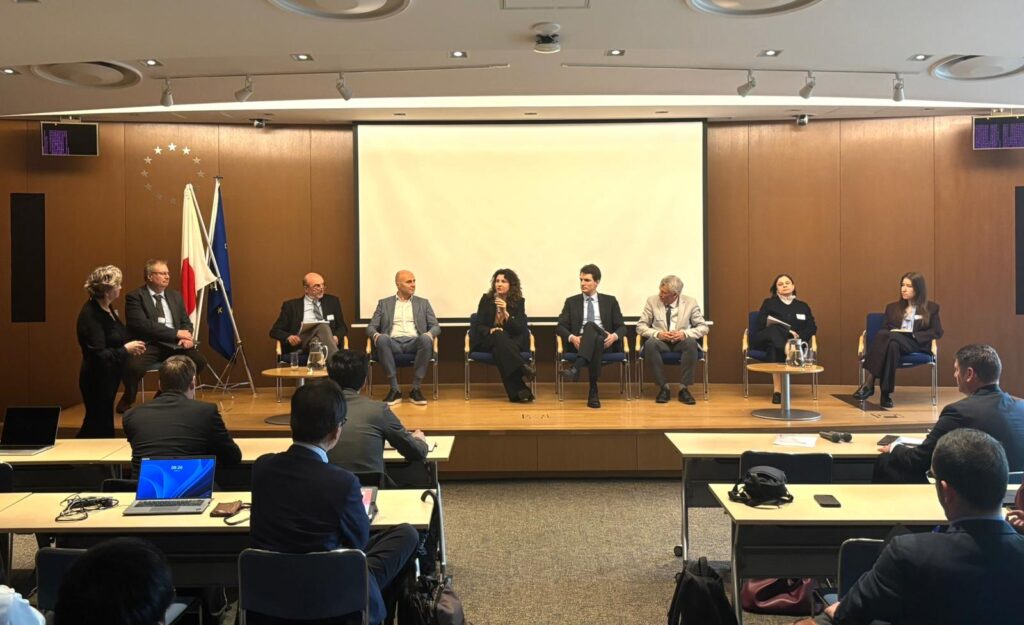
Moderated by the INPACE Coordinator Svetlana Klessova, a forward-looking panel explored what is next for EU–Japan digital cooperation.
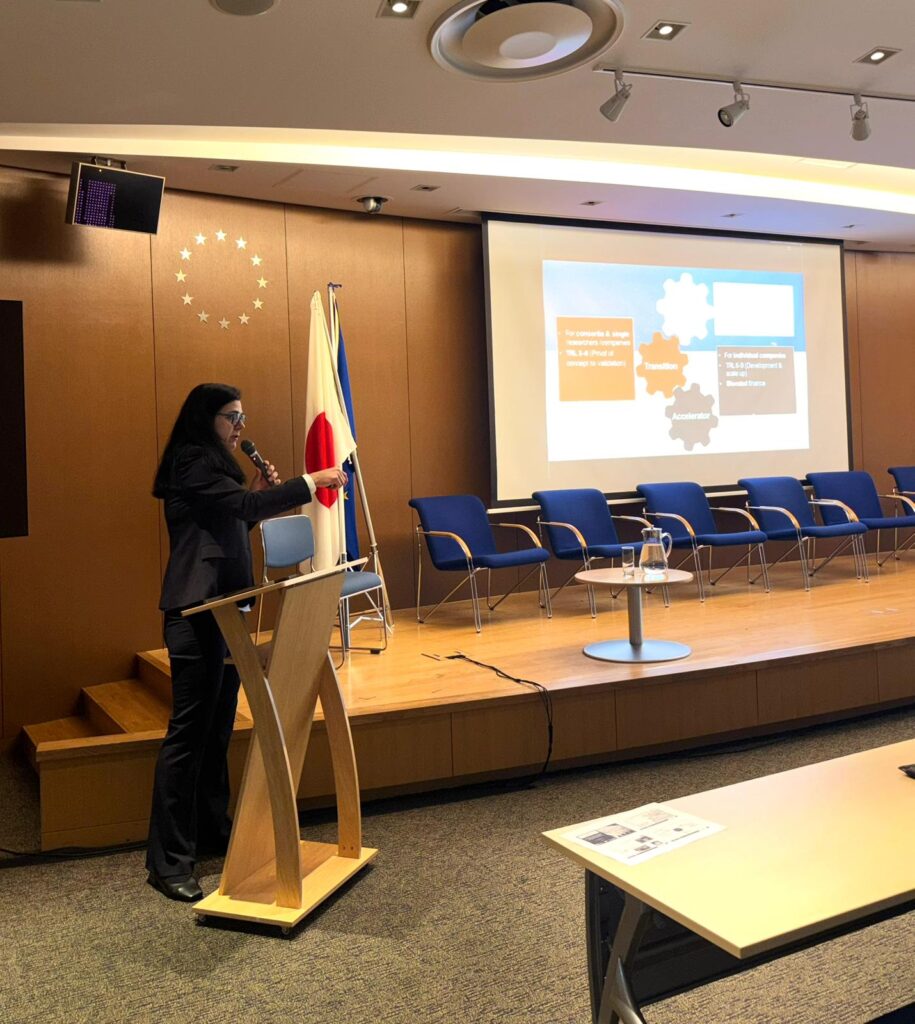
The session also featured EURAXESS presenting European funding opportunities for researchers and innovators in Japan and networking opportunities to foster new partnerships.
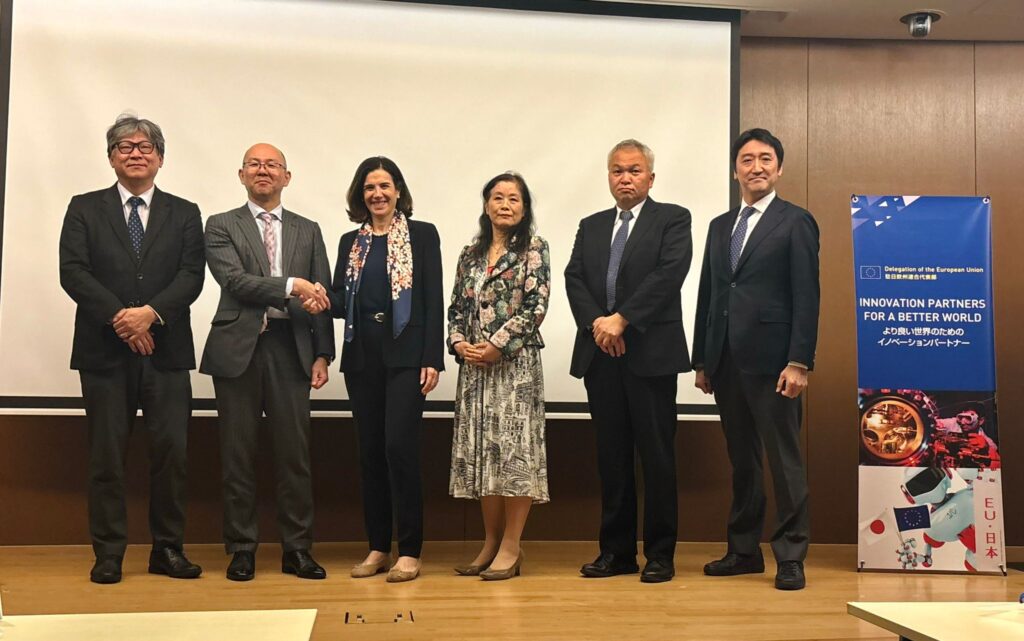
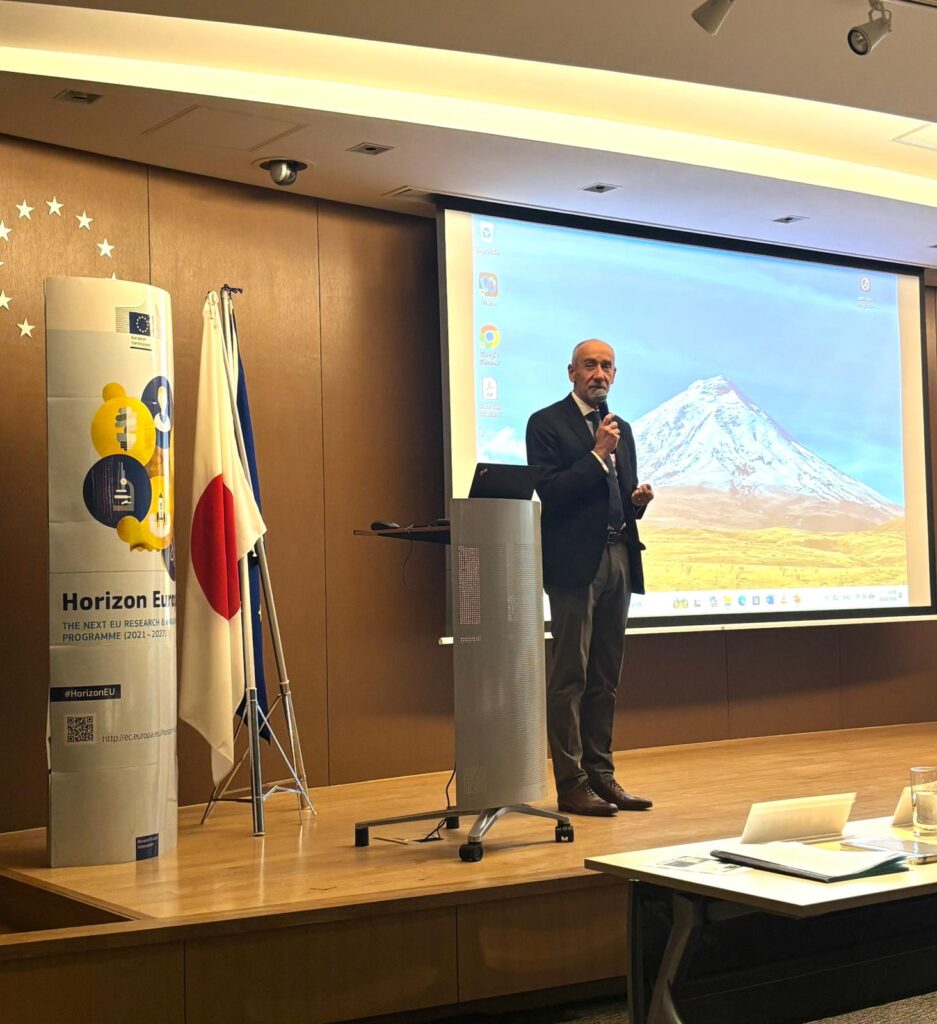
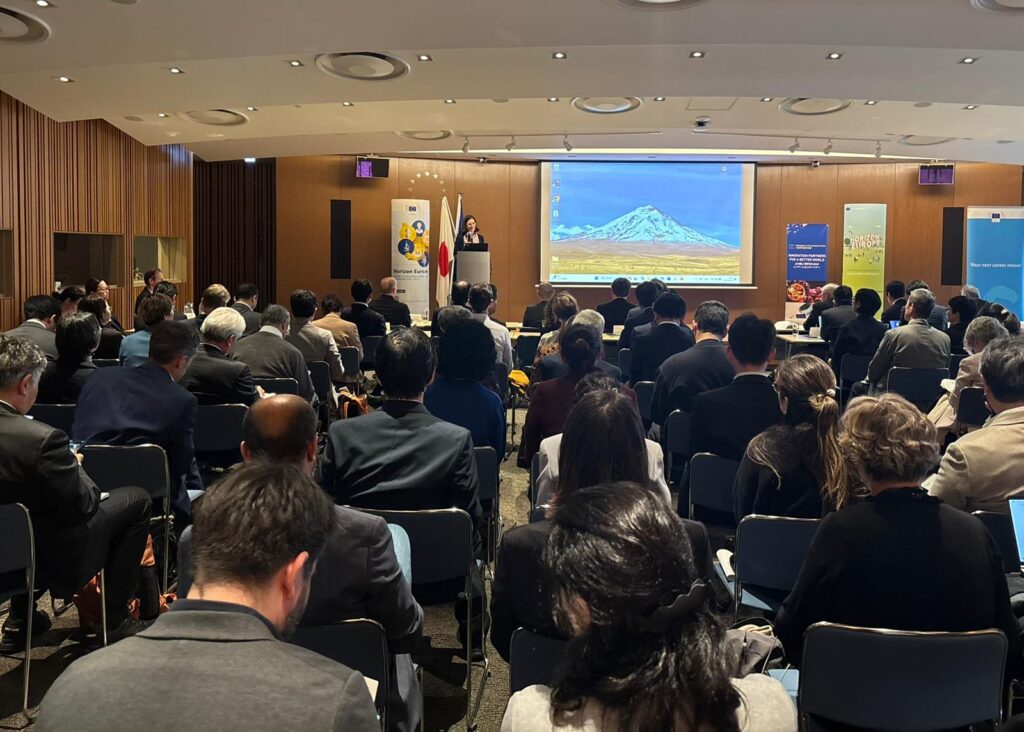
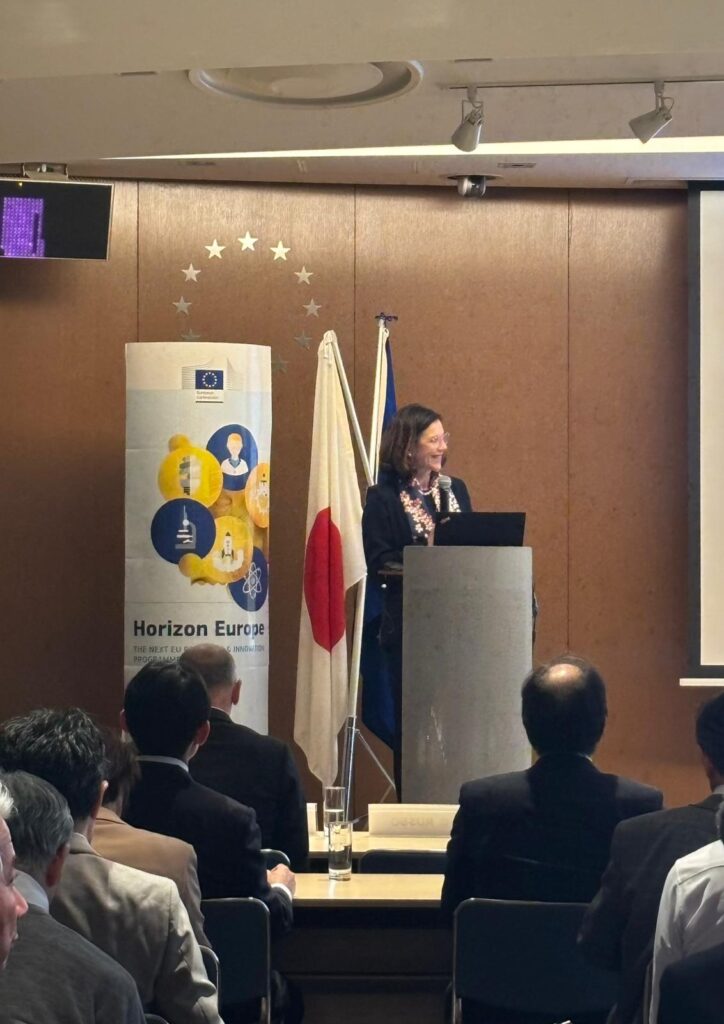
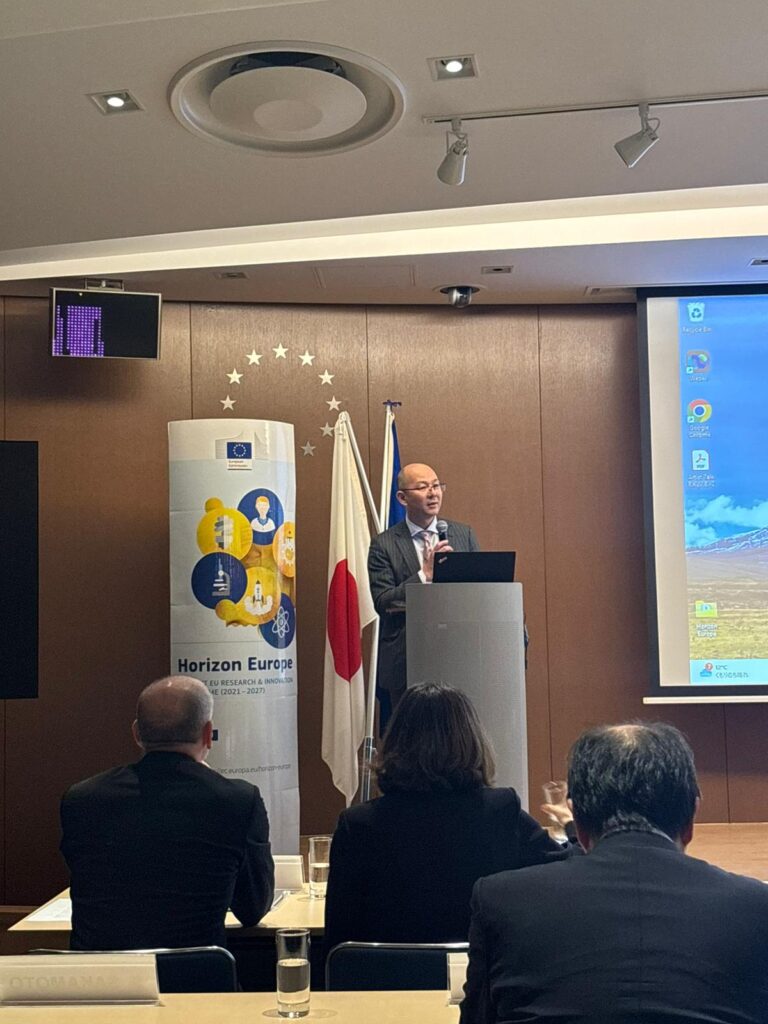
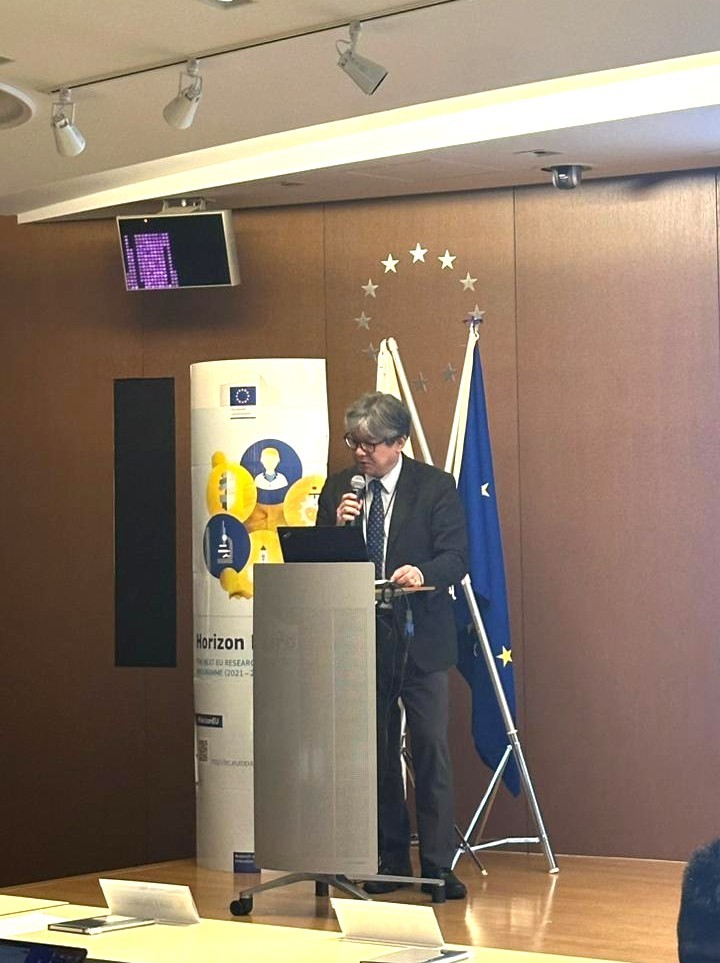
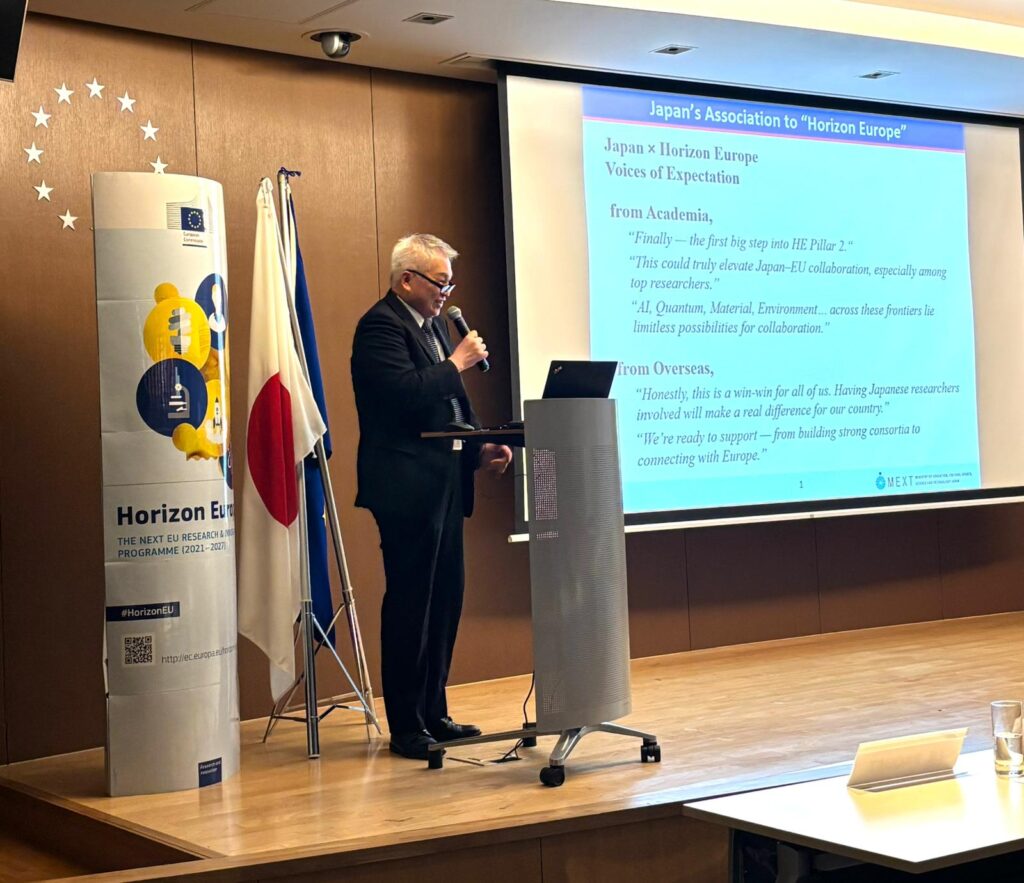
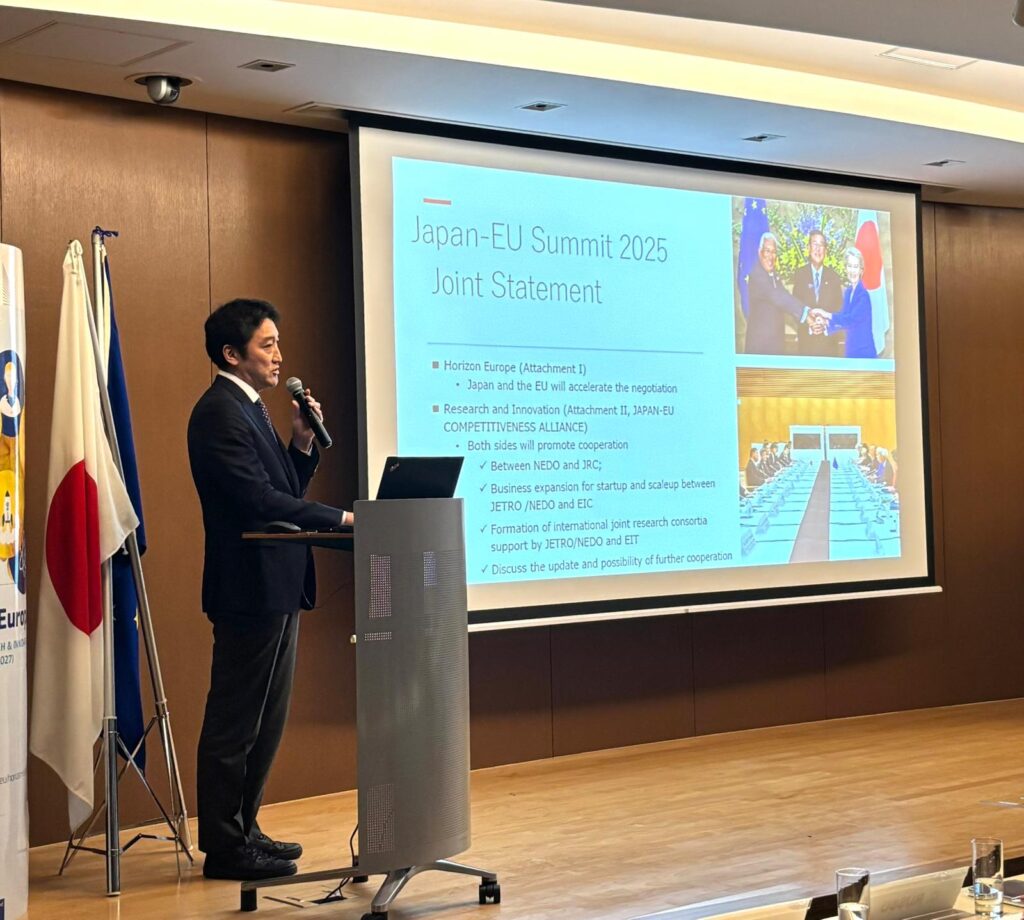
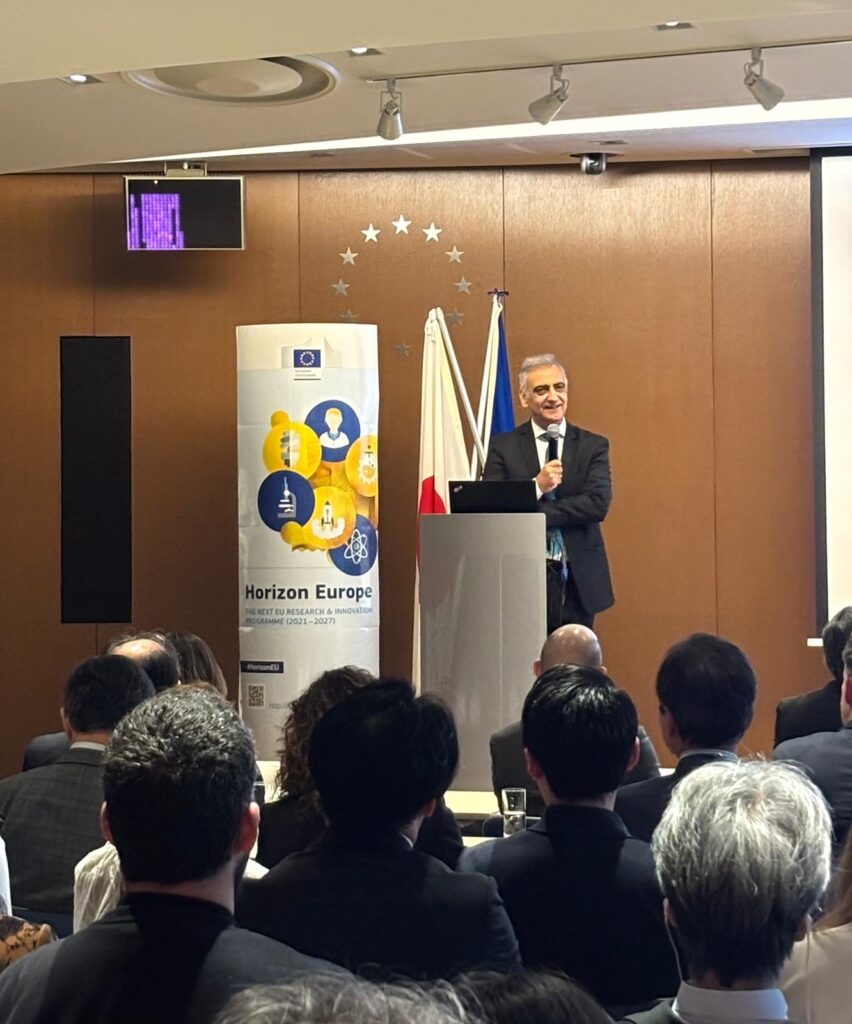
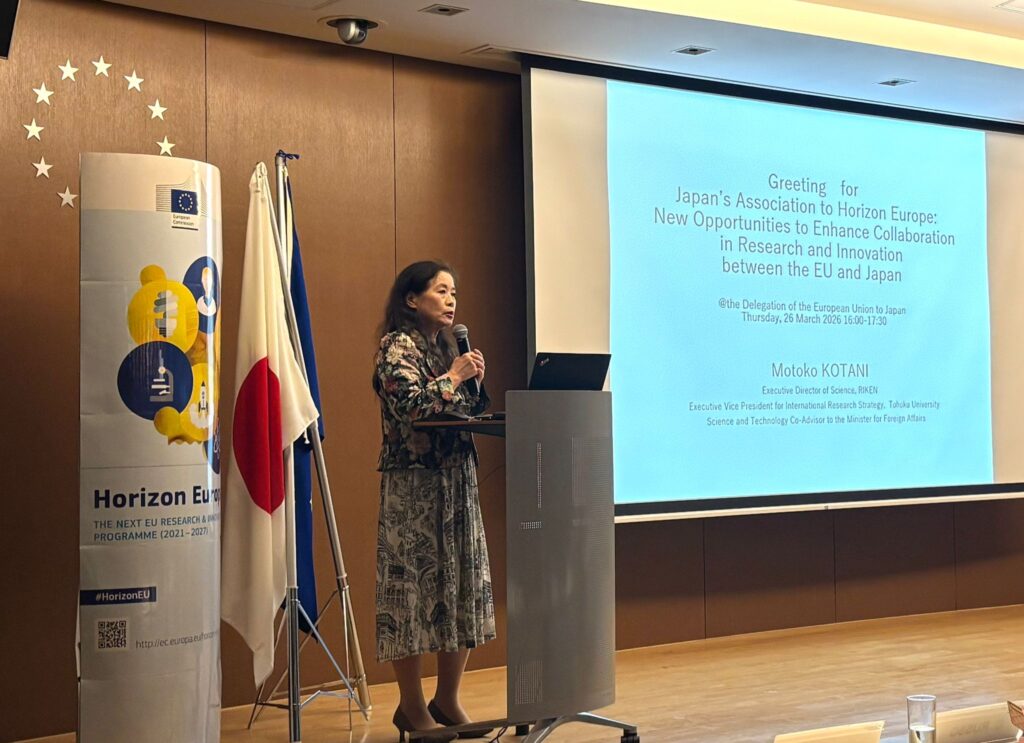
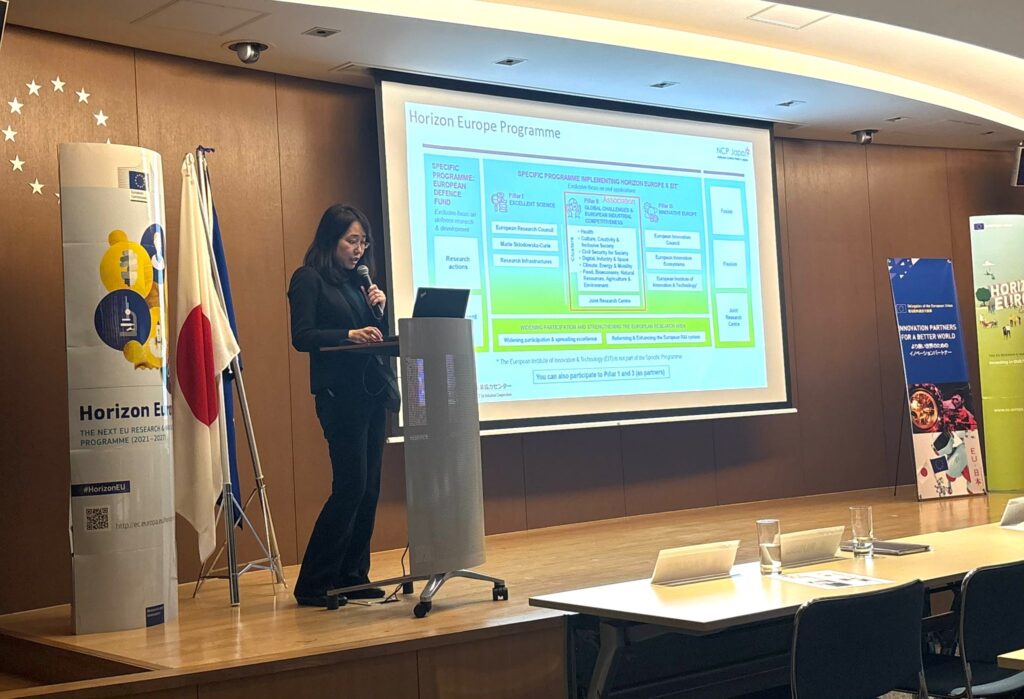
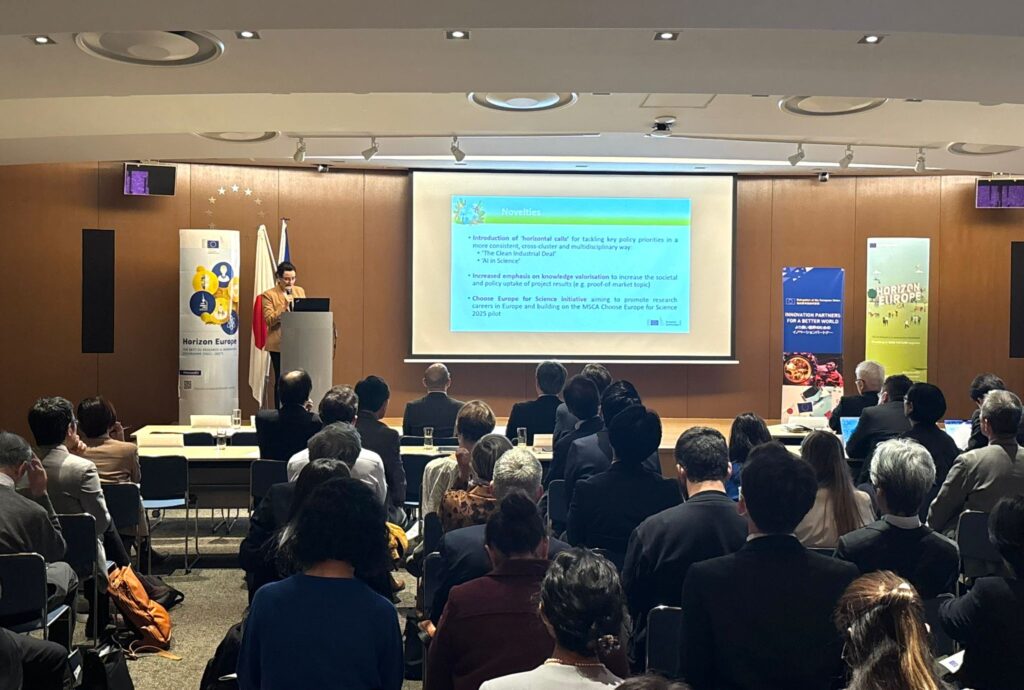
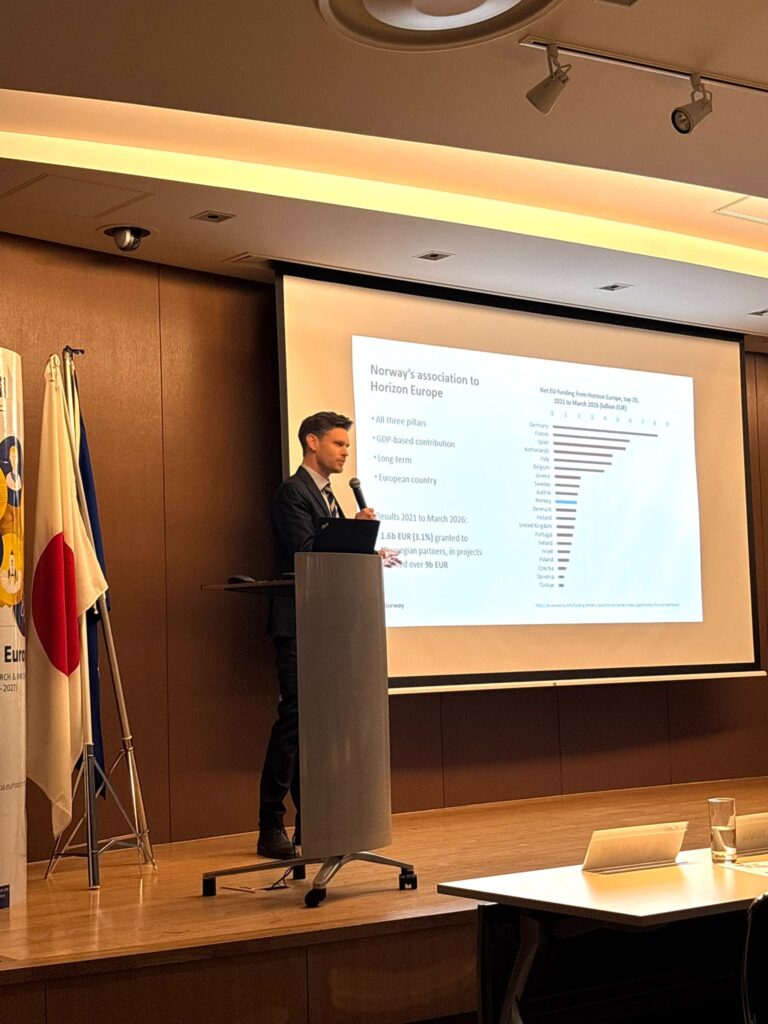
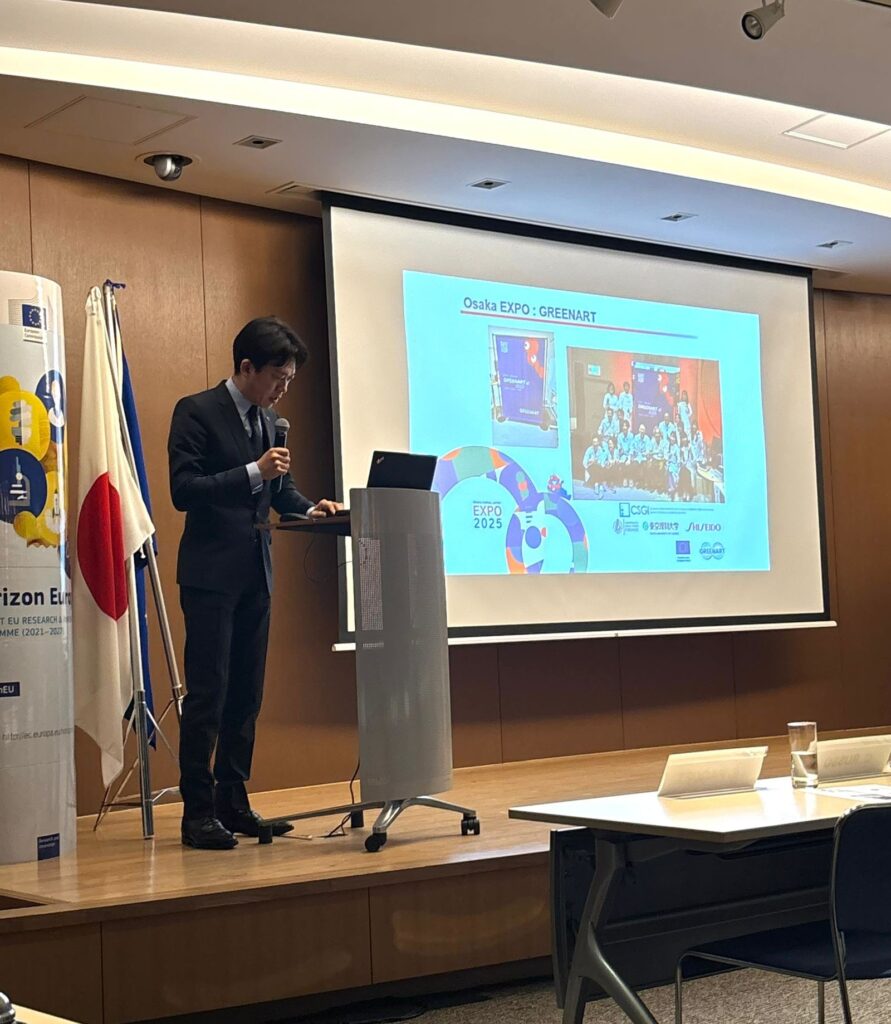
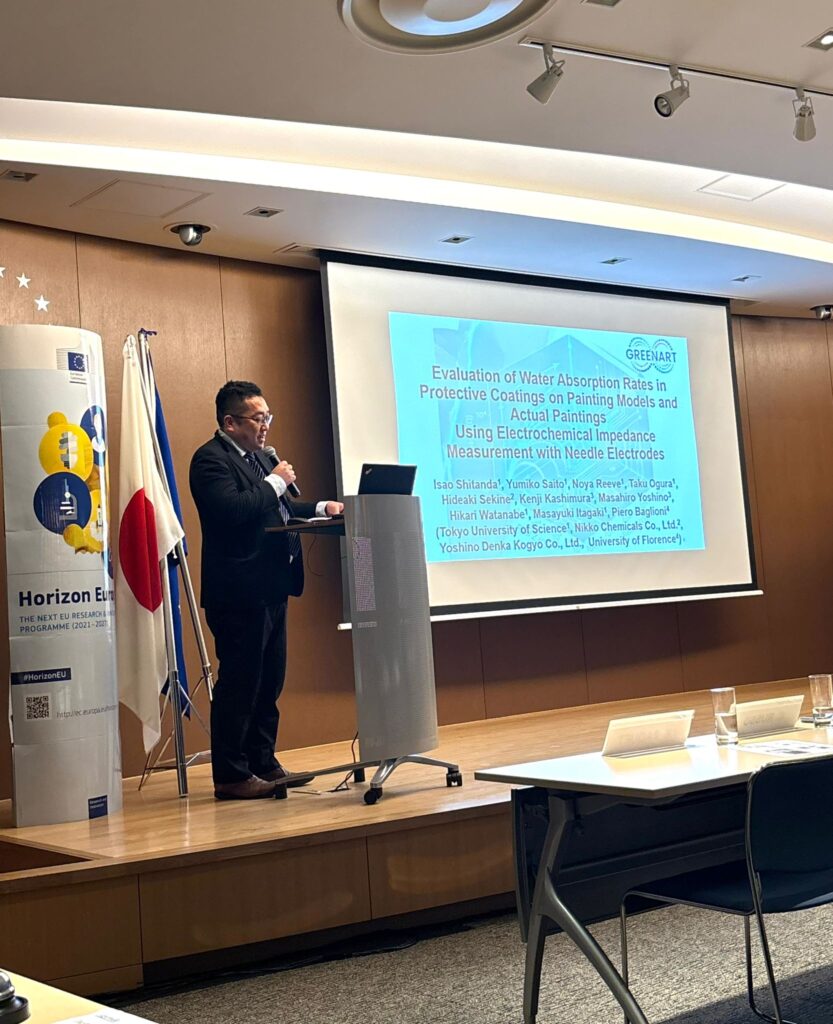
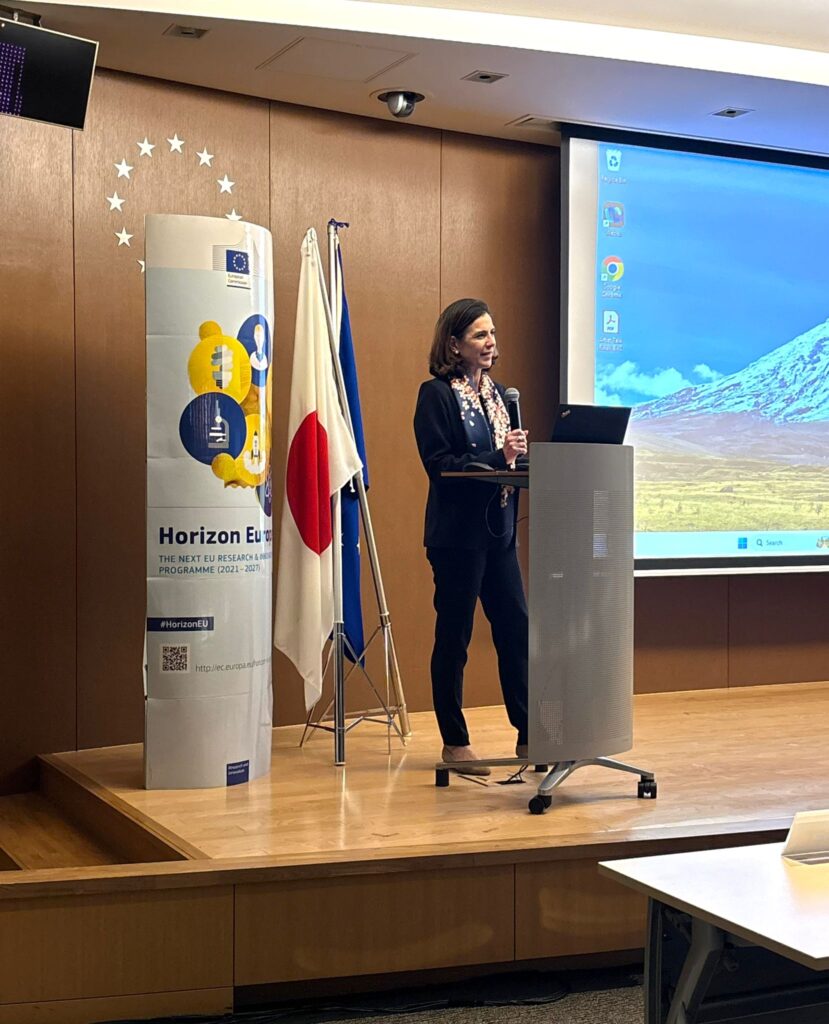
Japan’s Association to Horizon Europe: New Opportunities to Enhance Collaboration in Research and Innovation between the EU and Japan
- Organiser: Maria Cristina Russo, Deputy Director-General for Innovation, Prosperity and International Cooperation, European Commission
- Organiser: Thomas Skordas, Deputy Director-General for Communications Networks, Content and Technology, European Commission
A dedicated session explored Japan’s association to Horizon Europe and the new opportunities it created for deeper cooperation in research and innovation between European and Japanese partners.
The session brought together European and Japanese policymakers, researchers, and other science, technology, and innovation stakeholders to discuss concrete synergies and partnership pathways and gain inspiration from successful examples of past cooperation under previous EU Framework Programmes.
FRIDAY, 27 MARCH
ICT Stakeholder Roundtable
- Organiser: Ministry of Internal Affairs and Communications
- Supporter: INPACE
An invitation-only roundtable gathered representatives from government, industry, and research communities to discuss strategic issues related to information and communication technologies.
The discussions focused on Beyond 5G/6G, AI in Radio Access Networks, measures against dis/misinformation in online platforms, wireless power transfer, quantum, cybersecurity and data spaces technologies and the role of public private partnerships.
MONDAY, 30 MARCH
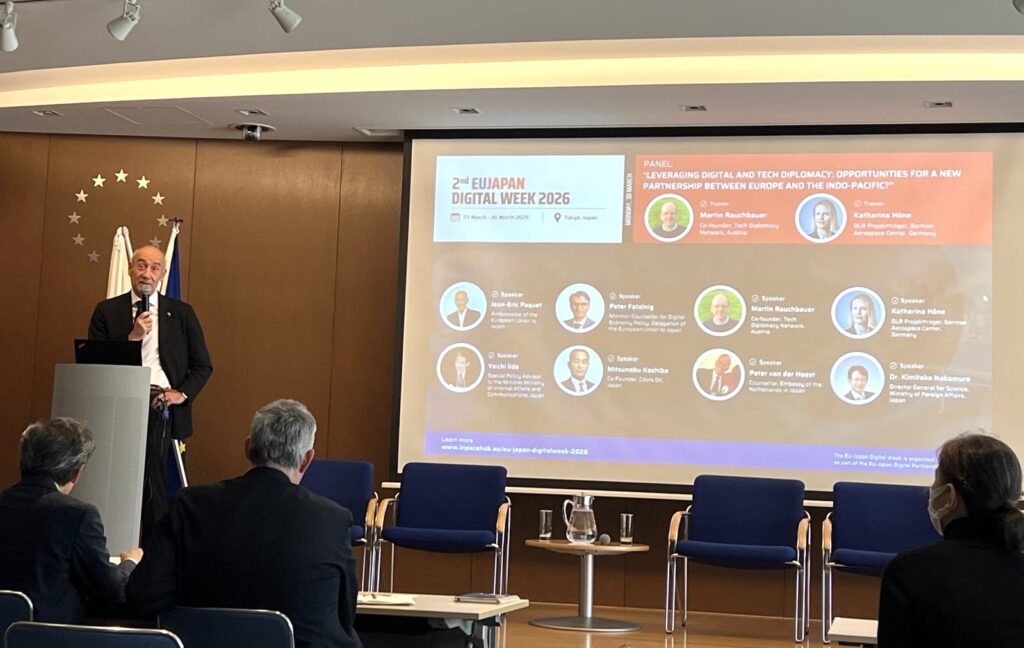
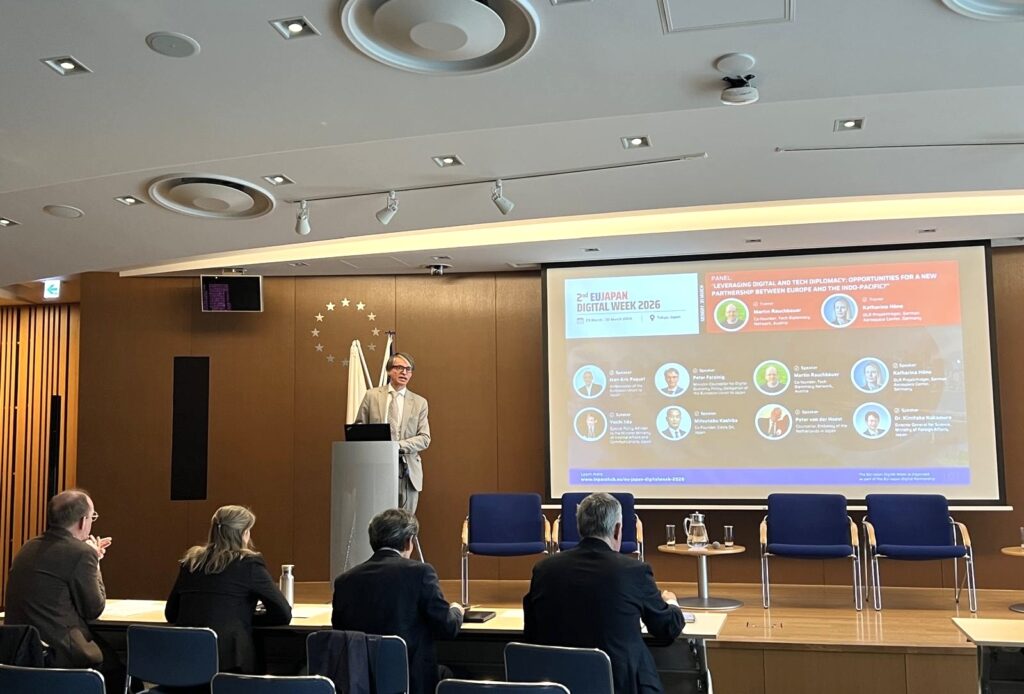
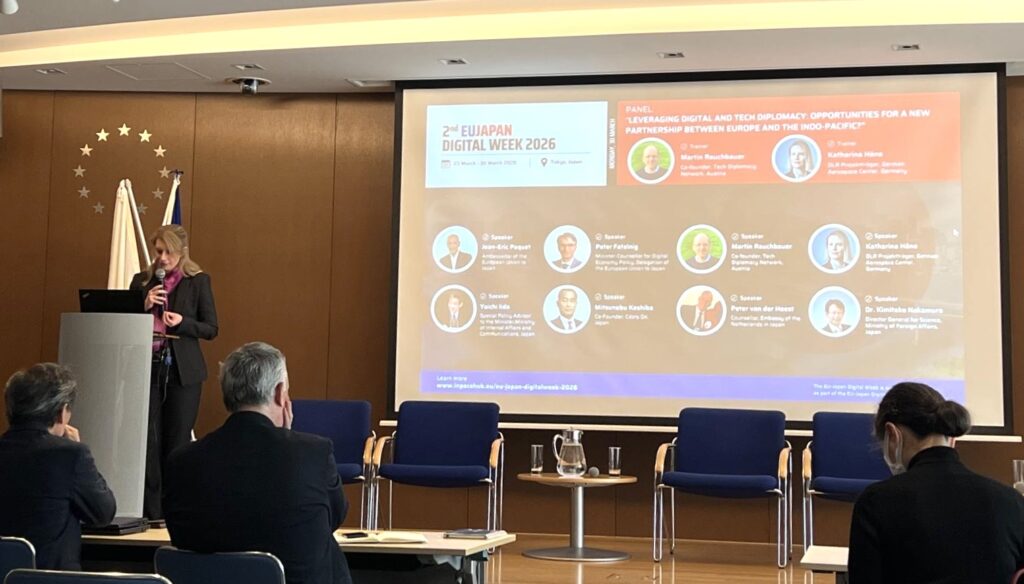
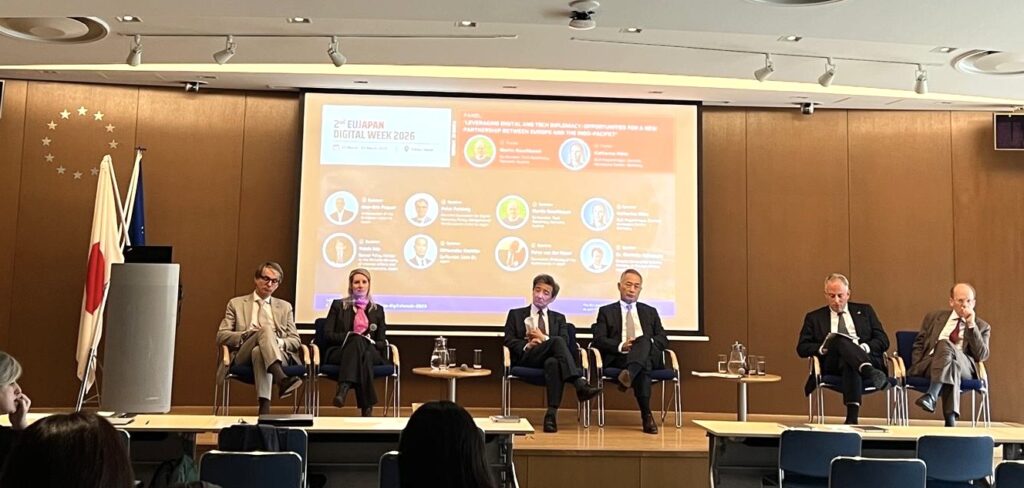
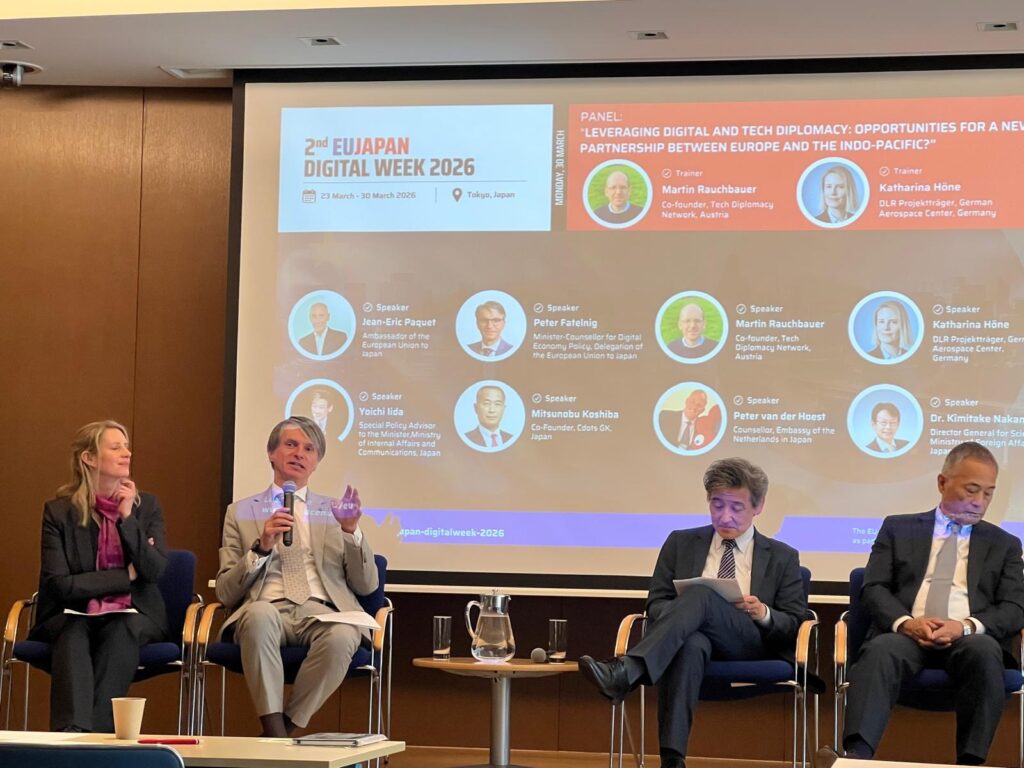
Panel: “Leveraging Digital and Tech Diplomacy: Opportunities for a new partnership between Europe and the Indo-Pacific?”
- Trainer: Martin Rauchbauer, Co-founder, Tech Diplomacy Network, Austria
- Trainer: Dr. Katharina Höne, DLR Projektträger, German Aerospace Center, Germany
The panel explored the evolving role of digital and technology diplomacy in shaping international relations.
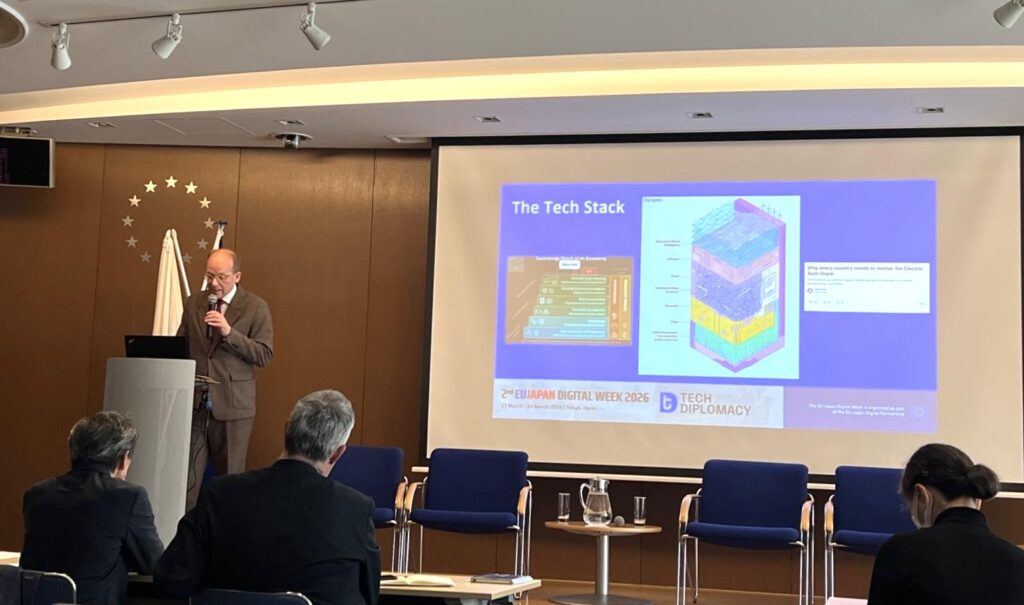
The welcome words were provided by Jean-Eric Paquet, Ambassador of the European Union to Japan, and Peter Fatelnig, Minister-Counsellor for Digital Economy Policy, Delegation of the European Union to Japan. This was followed by keynote remarks from Martin Rauchbauer, Co-Founder, Tech Diplomacy Network, who highlighted that innovation moves faster than governance can adapt, with tech diplomacy being the tool to close that gap. The second keynote speaker, Dr Kimitake Nakamura, Director-General for Disarmament, Non-Proliferation and Science, Ministry of Foreign Affairs, Japan, proposed thinking about the relationship between technology and the international order in terms of two distinct layers – and argued that conflating them leads to the wrong responses. The first layer is the competition for technological leadership among major powers. The second layer is less visible but arguably more consequential for the shape of the world in the decades ahead.
During the panel discussion, speakers reflected on how foreign policy increasingly intersects with technology governance, digital sovereignty, and cybersecurity. The panel was moderated by Katharina Höne and gather insights from:
– Peter Fatelnig, Minister-Counsellor for Digital Economy Policy, Delegation of the European Union to Japan
– Mitsunobu Koshiba, Co-Founder, Cdots GK
– Martin Rauchbauer, Co-Founder, Tech Diplomacy Network
– Peter van der Hoest, Counsellor, Embassy of the Netherlands in Japan
– Dr. Kimitake Nakamura, Director General for Science, Ministry of Foreign Affairs, Japan
– Yoichi Iida, Special Policy Advisor to the Minister, Ministry of Internal Affairs and Communications, Japan
The discussion highlighted opportunities for deeper collaboration between Europe and the Indo-Pacific and created awareness in roles that promote the Digital Economy. It also shared tools and practices to become more effective and efficient in a world driven increasingly by advanced digital technologies.
Advancing innovation through international collaboration
The 2nd EU-Japan Digital Week 2026 highlighted the strong and evolving cooperation between Europe and Japan in the digital field. By gathering policymakers, researchers, industry representatives, and innovators from both regions, the event provided an important forum for dialogue, knowledge sharing, and the identification of new opportunities for collaboration in areas such as artificial intelligence, high-performance computing, semiconductors, and digital infrastructure.
We extend our sincere thanks to all organisers, speakers, and participants who contributed to a week filled with insightful exchanges and productive discussions.
Special appreciation goes to Peter Fatelnig, Minister-Counsellor for Digital Economy Policy at the Delegation of the European Union to Japan, as well as to the many organisations and initiatives whose efforts helped make the event a success.