
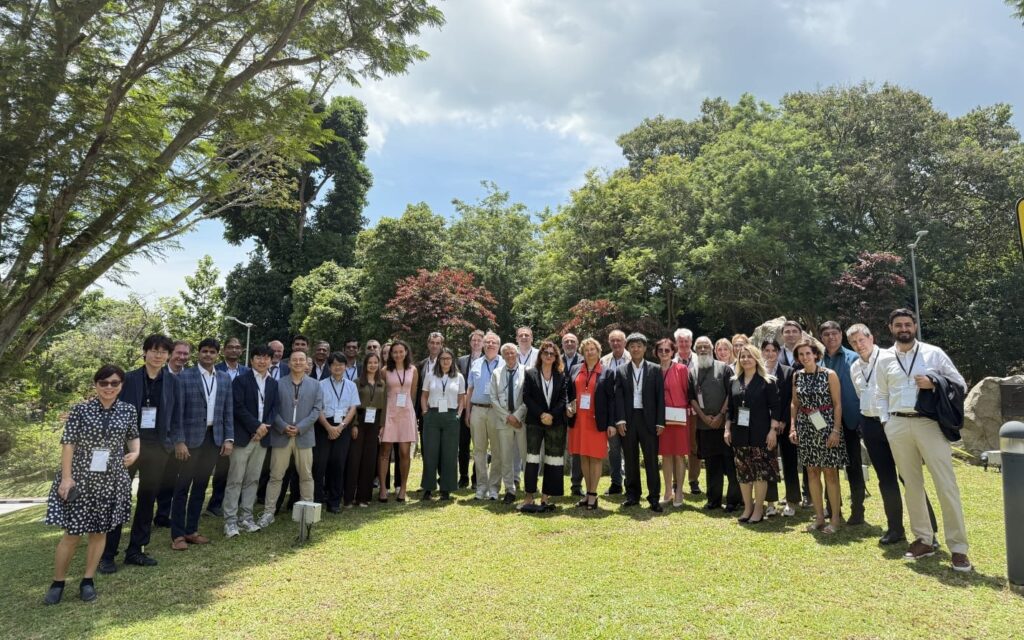
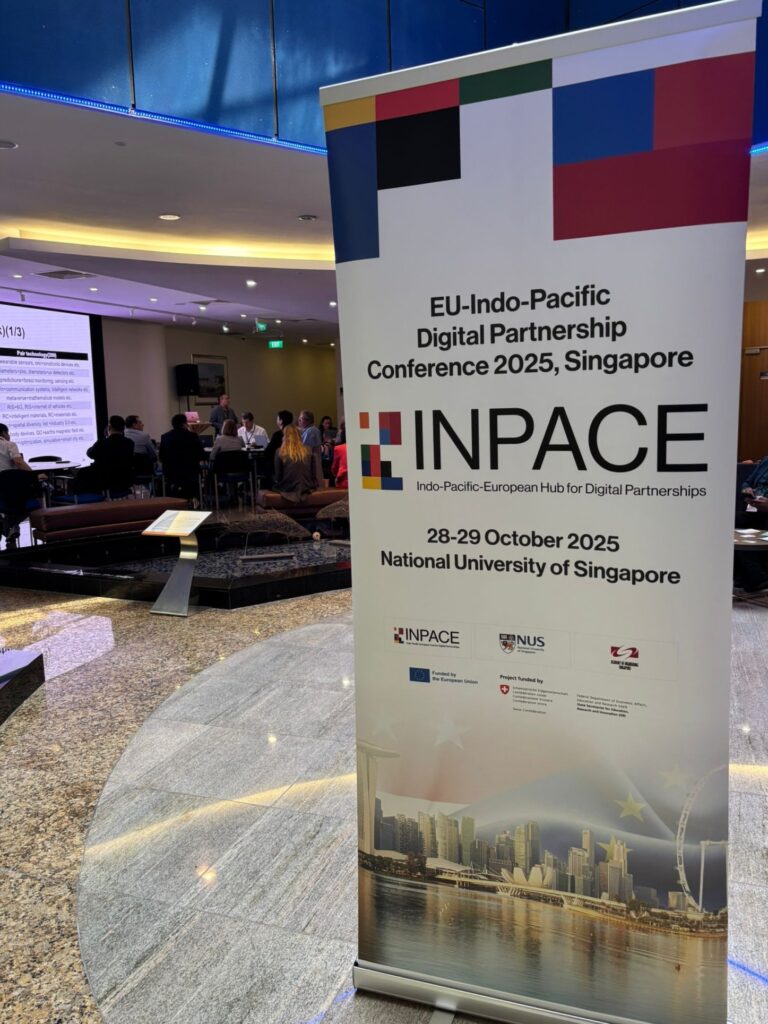
The EU-Indo-Pacific Digital Partnership Conference 2025 brought together policymakers, researchers, innovators, and business leaders from across Europe and the Indo-Pacific to advance collaboration on digital technologies and their application.
Held on 28-29 October 2025 at the Shaw Foundation Alumni House, National University of Singapore (NUS), the conference was jointly organised by INPACE, the National University of Singapore (NUS), and the Singapore Academy of Engineering (SAEng).
The event supported the implementation of the Digital Partnerships between the European Union and Japan, South Korea, Singapore, and the Trade and Technology Council with India, promoting policy dialogue, innovation cooperation, and the development of a trusted, inclusive digital ecosystem.
Chaired by Prof. Shuzhi Sam Ge (National University of Singapore), Prof. Eva Pejsova (Vrije Universiteit Brussel), Prof. Sebastian Engell (TU Dortmund, ENRICH Global), and Dr. Franck Le Gall (EGM), the conference addressed core topics including digital policies, artificial intelligence (AI), semiconductors, secure Internet of Things, digital identities, and the role of innovation hubs in accelerating technology adoption.
Day 1 – 28 October 2025
Innovation Convergence Lab: Where Technology Push Meets Market Pull
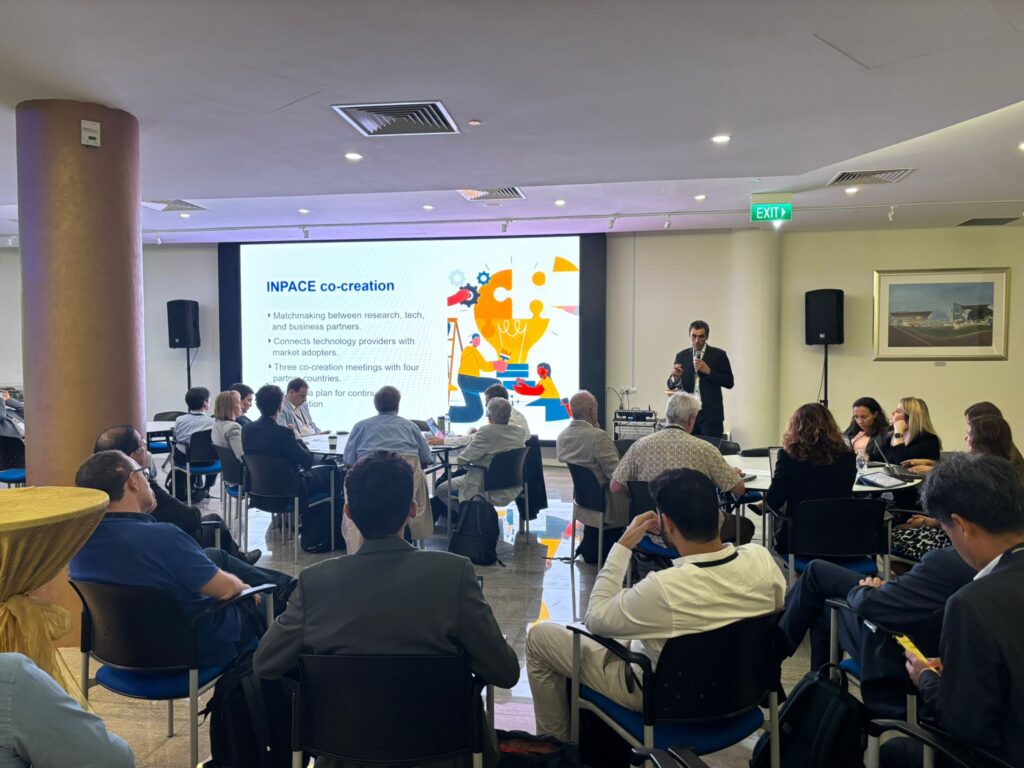
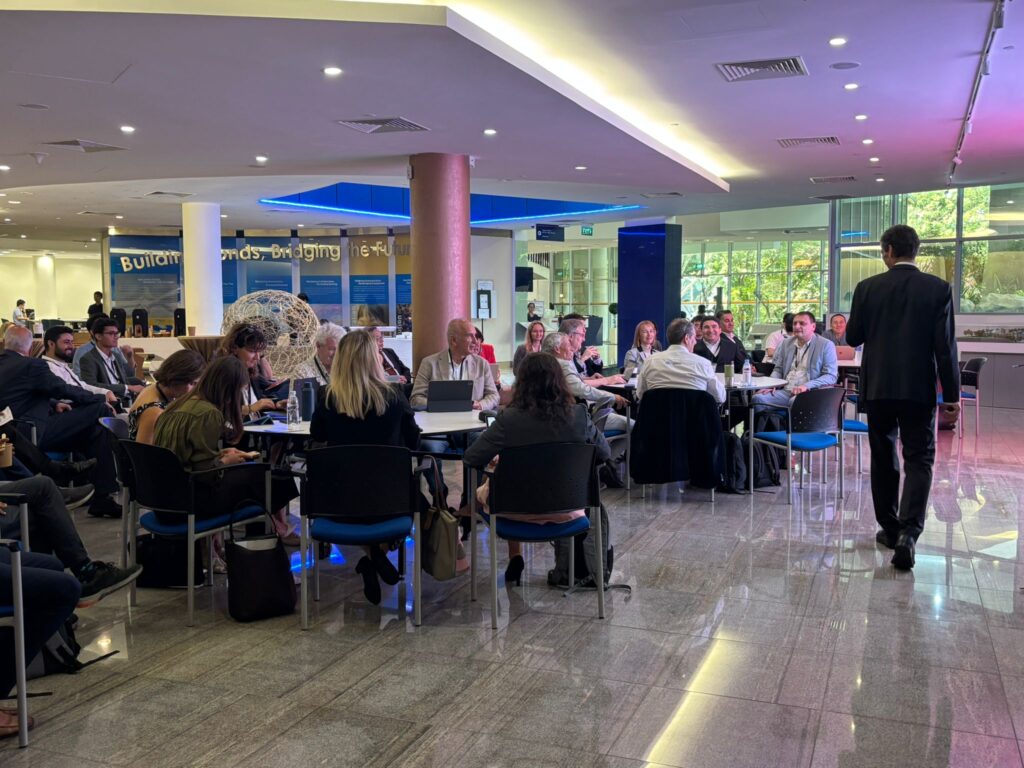
The first day featured the Innovation Convergence Lab: Where Technology Push Meets Market Pull – a collaborative workshop designed to connect emerging technologies with real-world market needs. Using Design Thinking methodologies, interdisciplinary teams from Europe and the Indo-Pacific co-developed ideas around two themes: AI for Sustainable Cities and Resilient Digital Infrastructure.
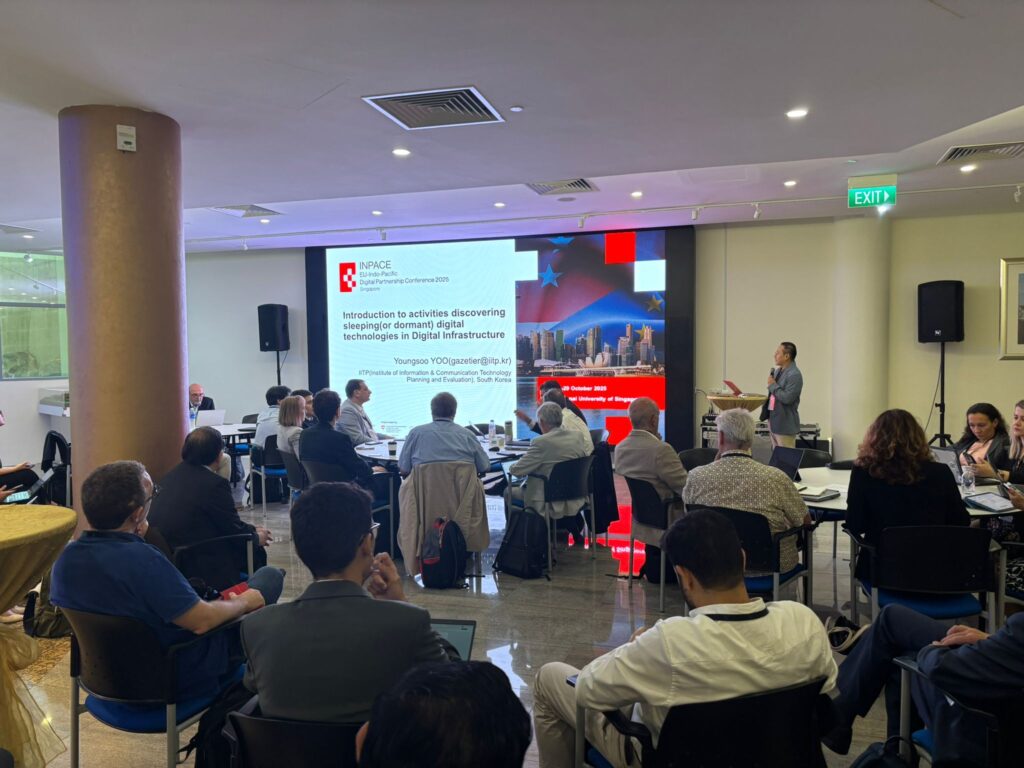
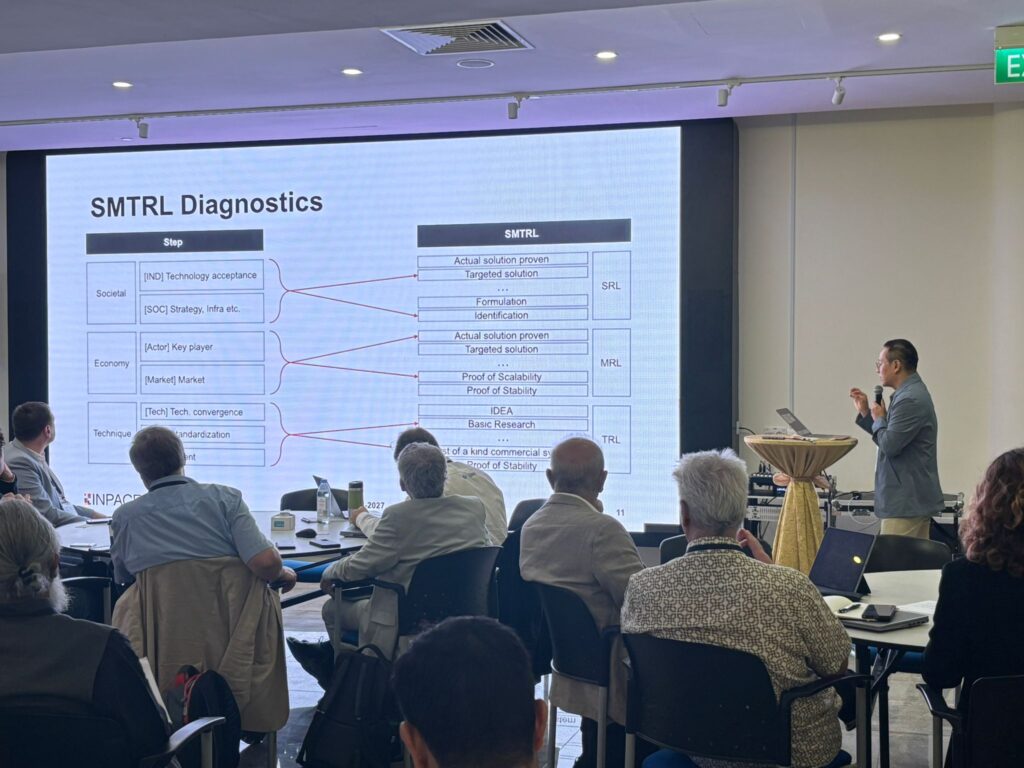
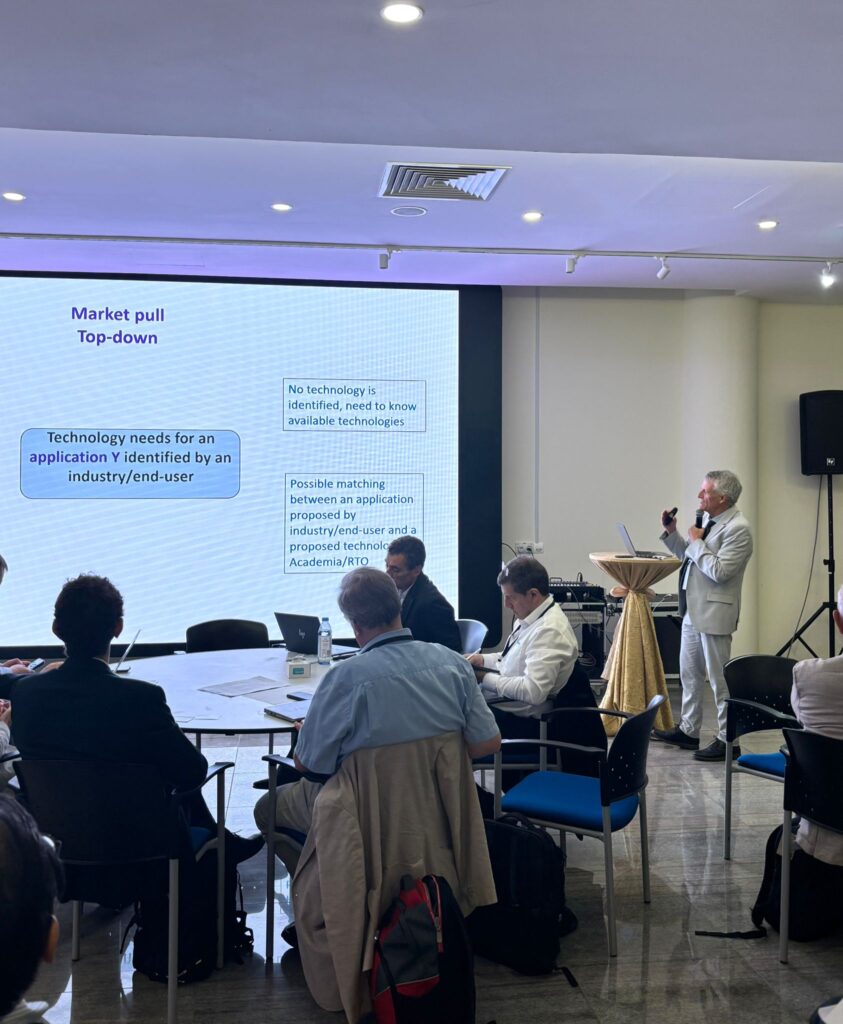
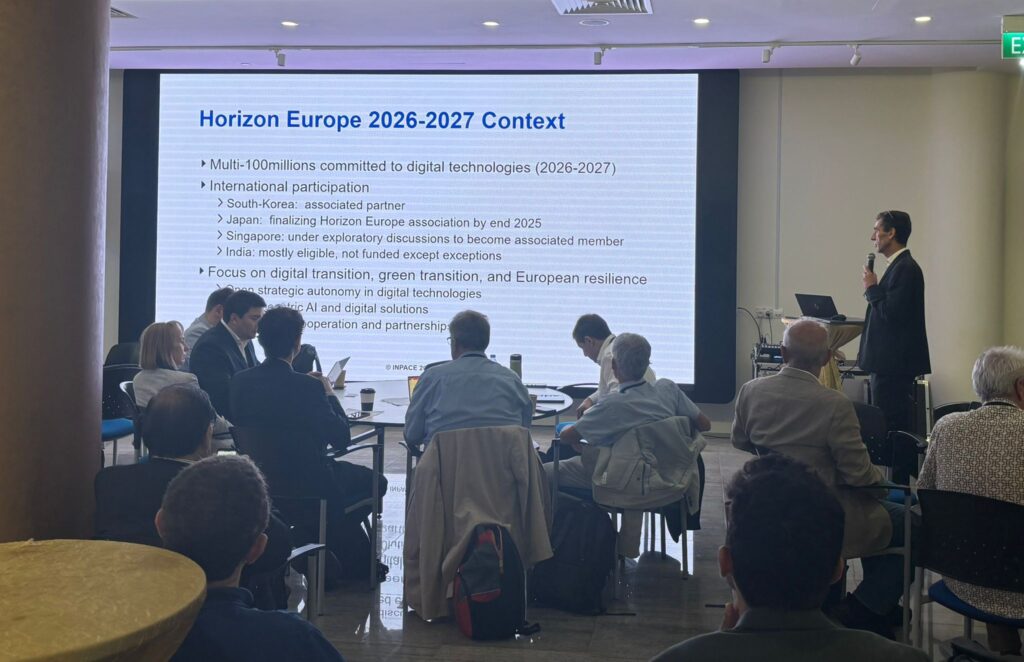
The session began with “Setting the Scene and Matchmaking”, with Franck Le Gall (EGM, France) providing an overview of INPACE. The session included a presentation by Youngsoo Yoo (The Institute of Information & Communications Technology Planning & Evaluation (IITP), South Korea), on discovering sleeping or dormant digital technologies in digital infrastructure. Francis Balestra (SiNANO Institute, CNRS, France) discussed matching applications-technologies, focusing on the industry and end-user needs. This was followed by an overview of the EU Research Collaboration Framework and its 2026 work-programme priorities from Franck Le Gall, before participants identified and refined opportunities for future cooperation.
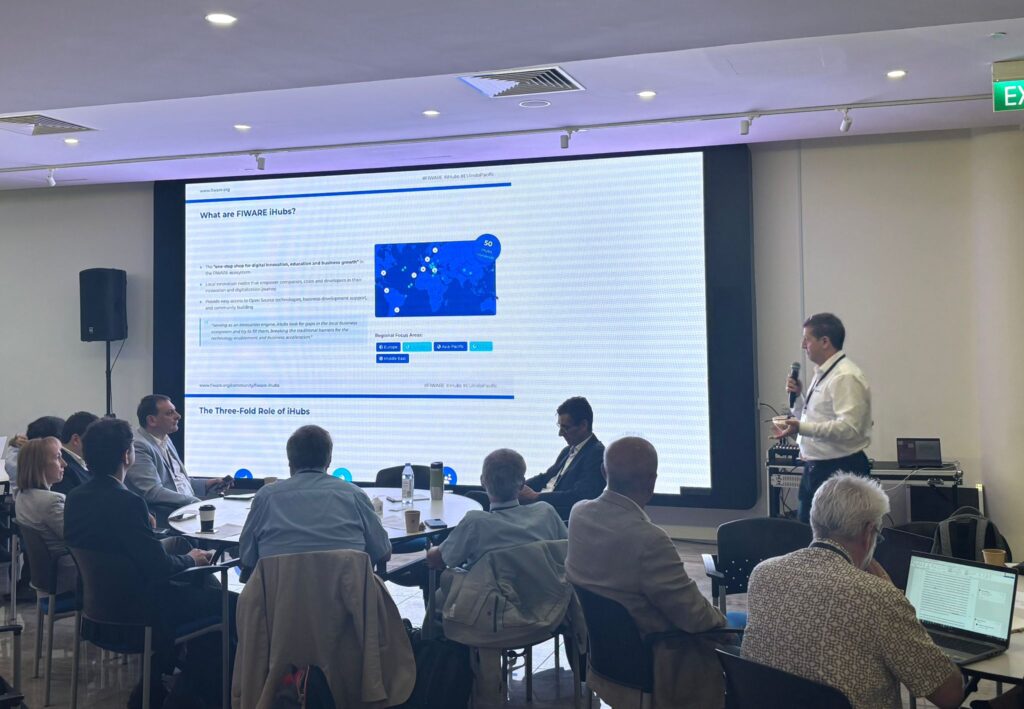
The subsequent “Building Projects Together” segment included a presentation from Dr. Alberto Abella (FIWARE Foundation, Spain), titled “iHubs: a global network fostering co-creation.” Participants were encouraged to cluster around shared ideas and develop preliminary project concepts, paving the way for possible opportunities. The session concluded with Francis Balestra highlighting the topics of mutual interests of the Indo-Pacific countries with the EU – such as heterogeneous integration & packaging, processing technologies, energy efficient computing & memories – and the main challenges in Roadmaps.
Opening Public Session
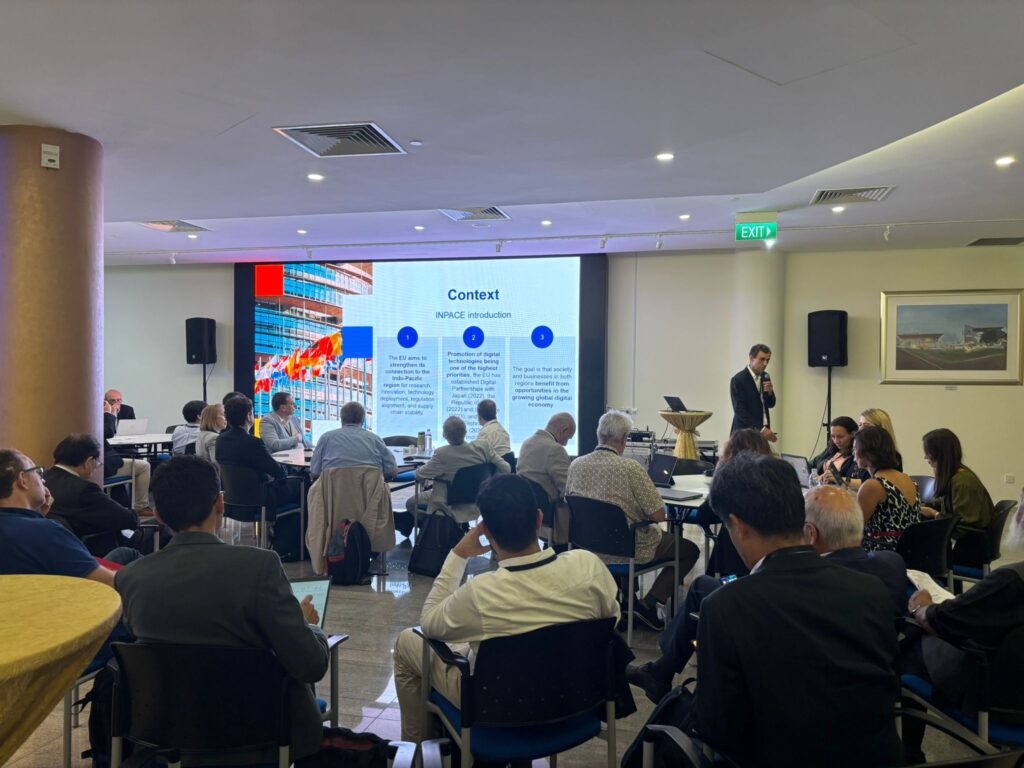
In the afternoon, the Opening Public Session brought together senior experts from the EU, Singapore, and other key Indo-Pacific countries to reflect on the EU’s 2025 International Digital Strategy. The session explored how the EU’s growing network of Digital Partnerships aims to advance interoperable digital governance, foster multilateral innovation, strengthen competitiveness, and promote resilience in an evolving geopolitical and technological landscape.
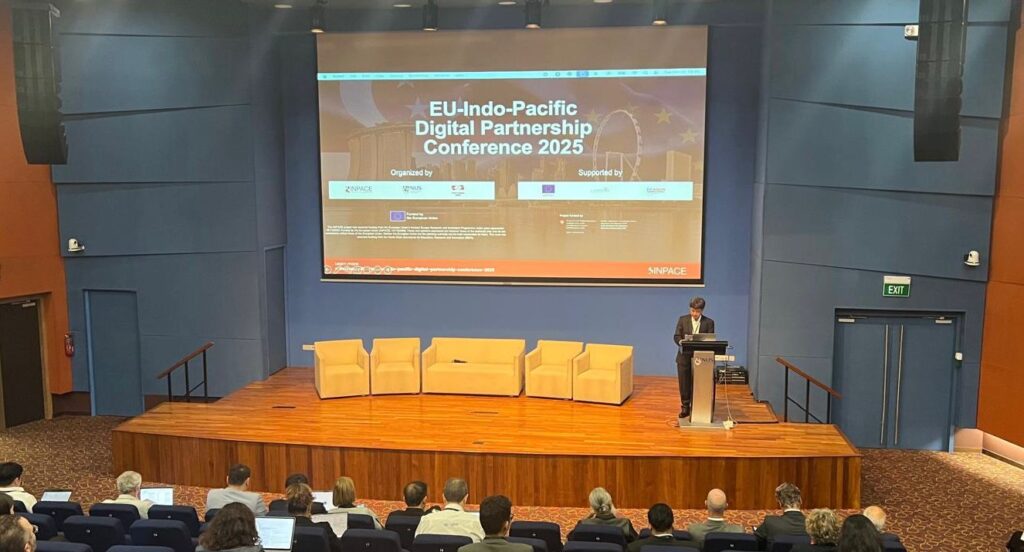
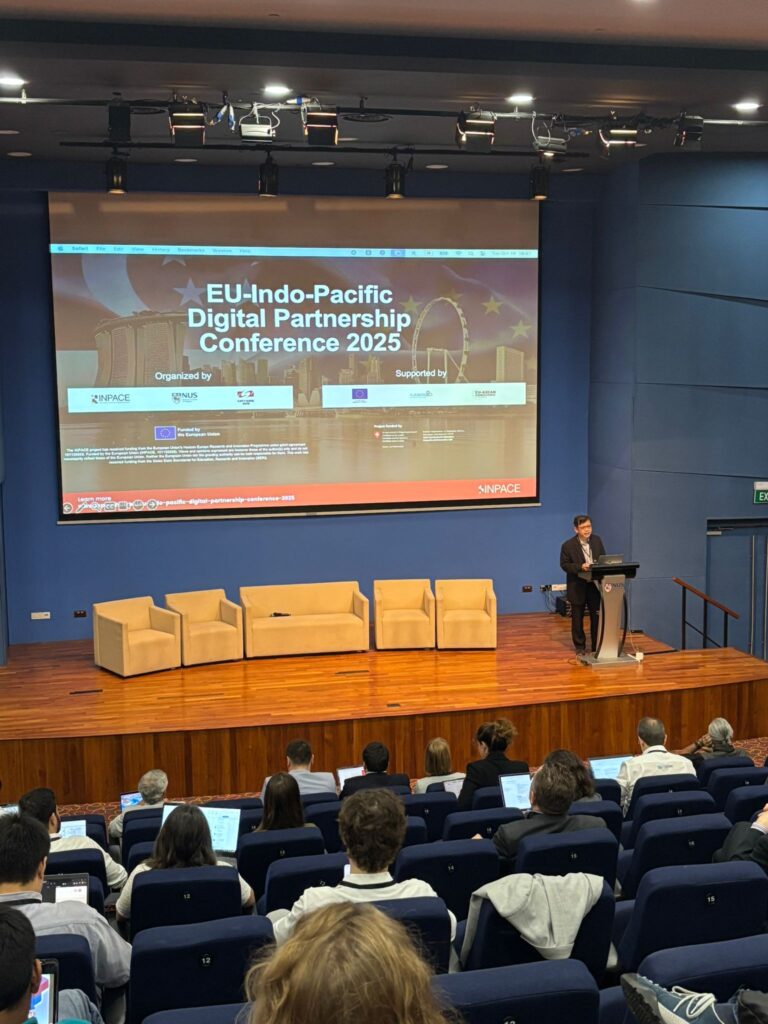
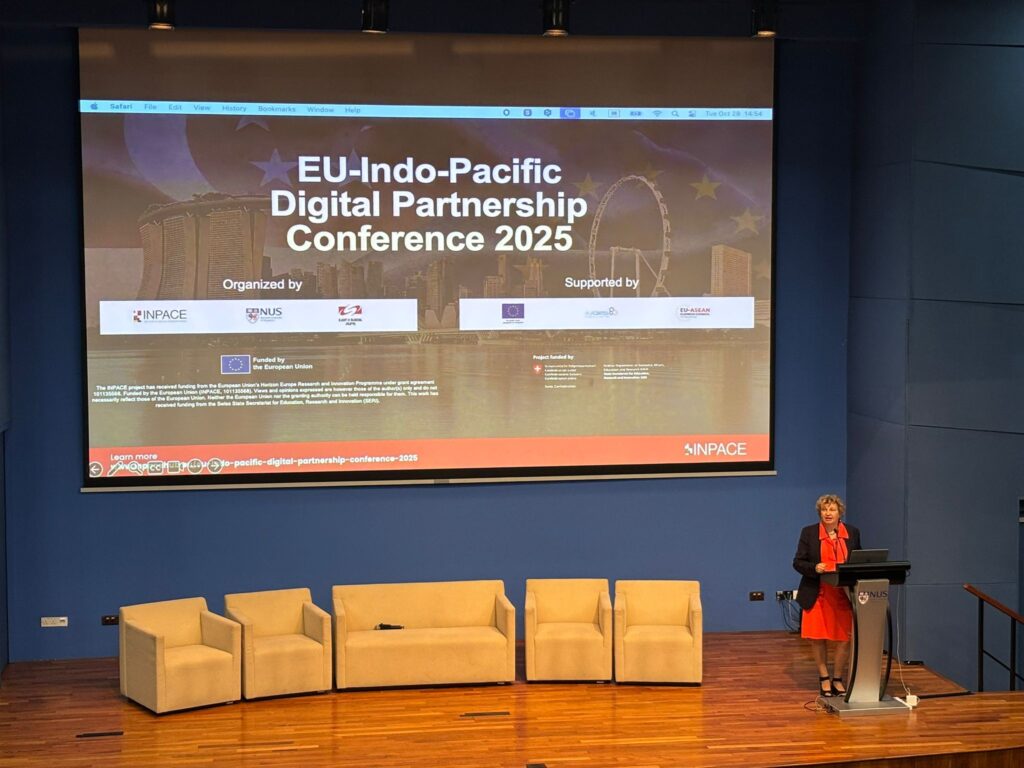
The session opened with Shuzhi Sam Ge (National University of Singapore) introducing the event and emphasising the importance of EU-Indo-Pacific digital collaboration.
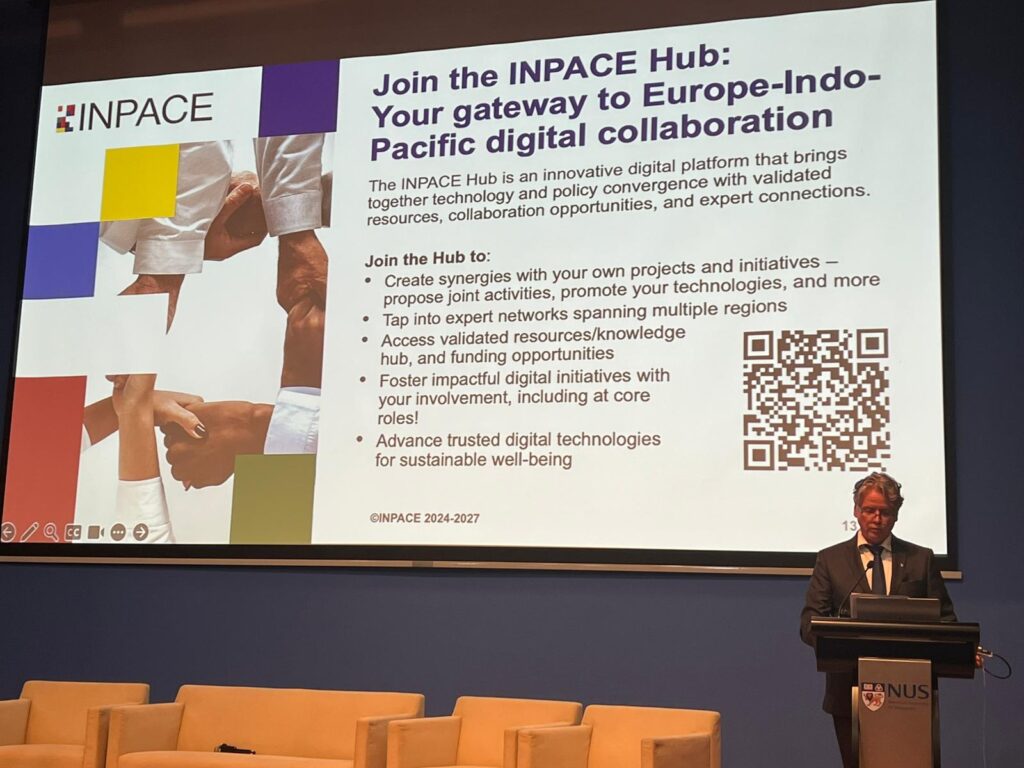
Welcome Remarks were delivered by George Loh, (Associate Vice President, Strategic Partnership, National University of Singapore), who reinforced the significance of digital partnerships between the EU and the Indo-Pacific, and Svetlana Klessova, (G.A.C. Group, France, and INPACE Coordinator), who highlighted INPACE’s role in supporting digital technologies for sustainable well-being.
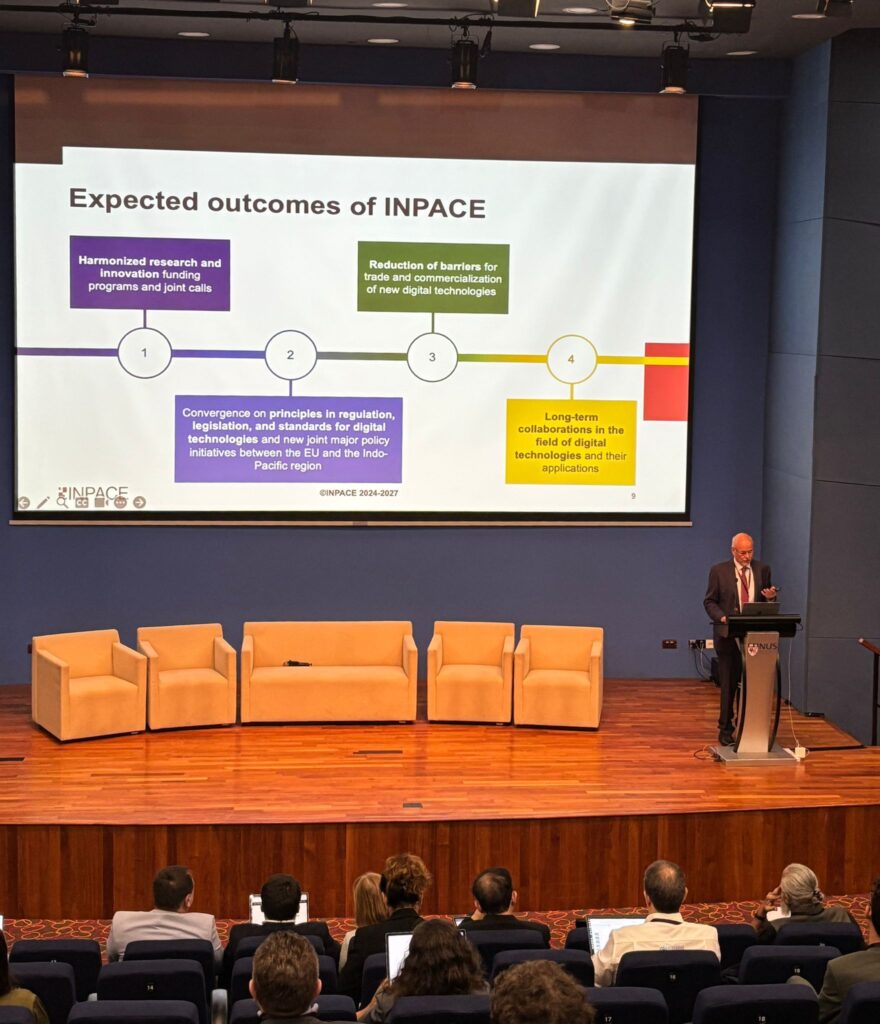
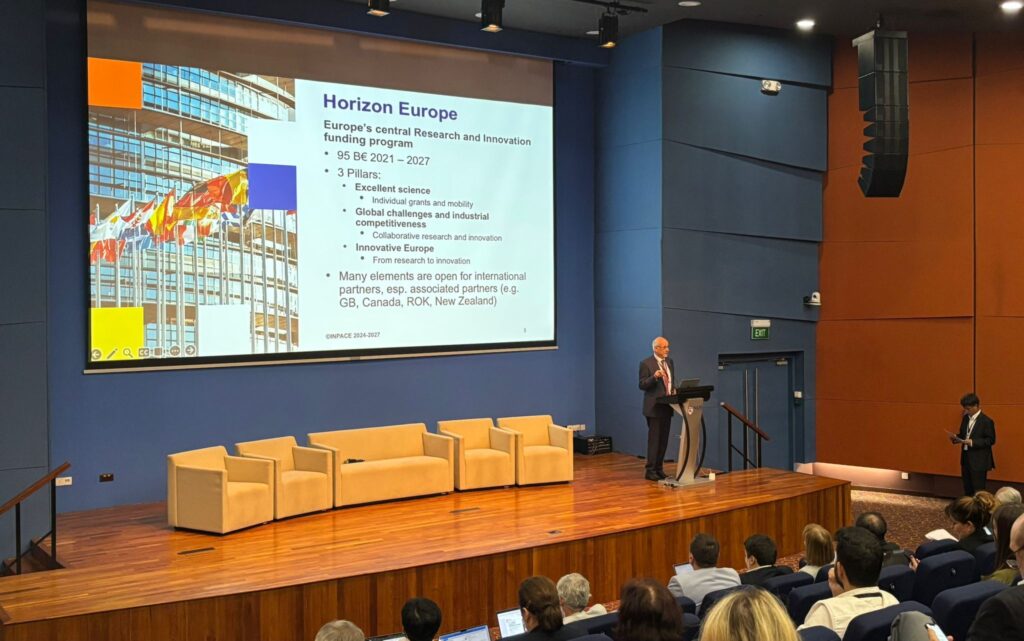
They were followed by Opening Remarks from Prof. Sebastian Engell, (Professor, TU Dortmund, ENRICH Global), who provided an overview about the INPACE project and the Horizon Europe programme.
Keynote Addresses were delivered by Artis Bertulis, Ambassador-designate of the European Union to Singapore, who set the stage for discussions on digital partnerships and international collaboration.
who discussed opportunities and challenges in fostering digital cooperation, innovation, and policy alignment between the EU and Indo-Pacific regions.
The first day of the conference concluded with Closing Remarks by Svetlana Klessova and Shuzhi Sam Ge, reflecting on the insights gained and the next steps for EU-Indo-Pacific digital collaboration.
In the “Building an AI-First Nation” session, Laurence Liew, Director of AI Innovation at AI Singapore, presented Singapore’s strategy for leveraging artificial intelligence responsibly and inclusively to transform industry, government, and society.
Valentina Ivanova, Deputy Director at CEA-List Institute (France), discussed Europe’s frameworks for trustworthy AI during the session “Leading Trustworthy AI Globally: The EU Approach.”
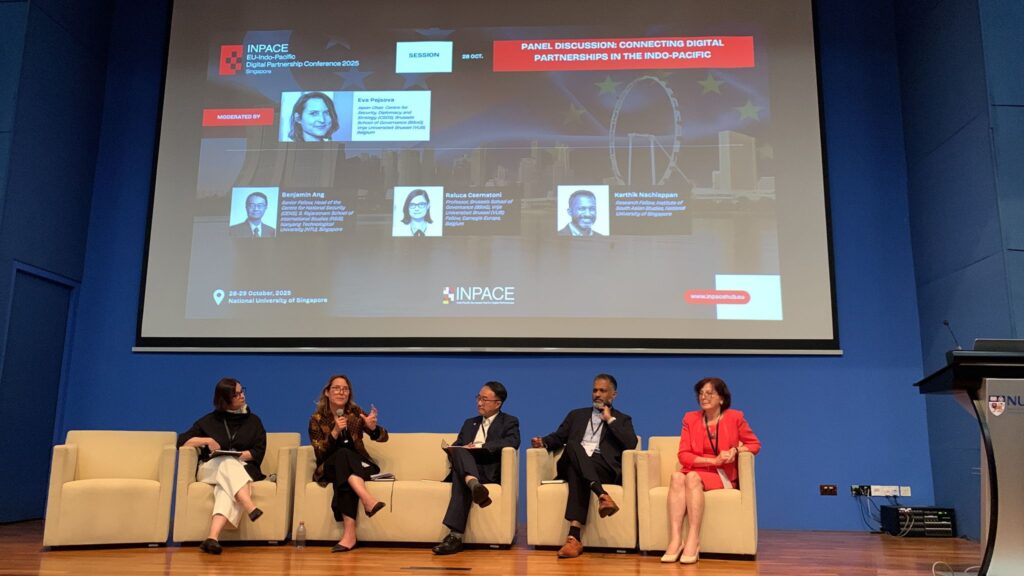
A high-level Panel Discussion, “Connecting Digital Partnerships in the Indo-Pacific,” moderated by Prof. Eva Pejsova (Japan Chair, Centre for Security, Diplomacy and Strategy (CSDS), Brussels School of Governance (BSoG), Vrije Universiteit Brussel (VUB), Belgium), examined opportunities for enhanced innovation through digital collaboration.
Panellists included:
- Benjamin Ang, Senior Fellow and Head of the Centre for National Security (CENS), S. Rajaratnam School of International Studies (RSIS), Nanyang Technological University (NTU) (Singapore)
- Raluca Csernatoni, Professor at Brussels School of Governance (BSoG), Vrije Universiteit Brussel (VUB) and Fellow at Carnegie Europe (Belgium)
- Karthik Nachiappan, Research Fellow at Institute of South Asian Studies, National University of Singapore
The discussion reflected opportunities and challenges in fostering digital cooperation, innovation, and policy alignment between the EU and Indo-Pacific regions.
The first day concluded with Closing Remarks by Svetlana Klessova and Prof. Shuzhi Sam Ge, who underscored the conference’s contribution to building long-term, trusted cooperation between Europe and the Indo-Pacific in advancing digital transformation.
Day 2 – 29 October 2025
The second day of the EU-Indo-Pacific Digital Partnership Conference 2025 opened with a series of parallel sessions that continued to deepen discussions on digital policy, technology, and cooperation between Europe and the Indo-Pacific.
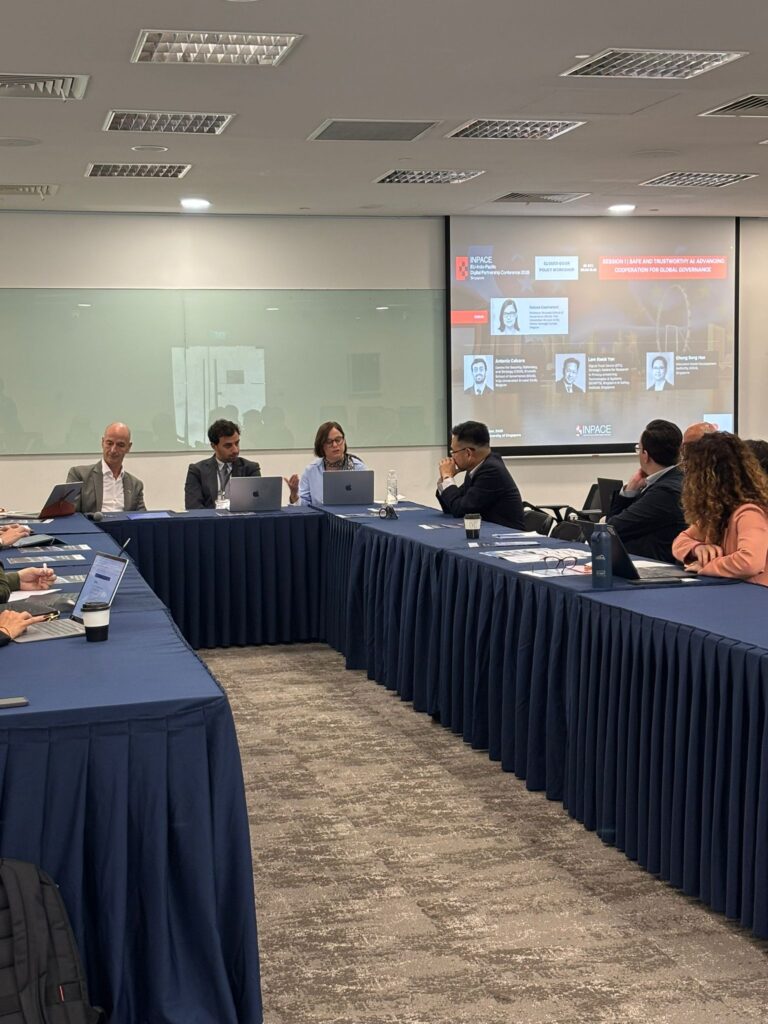
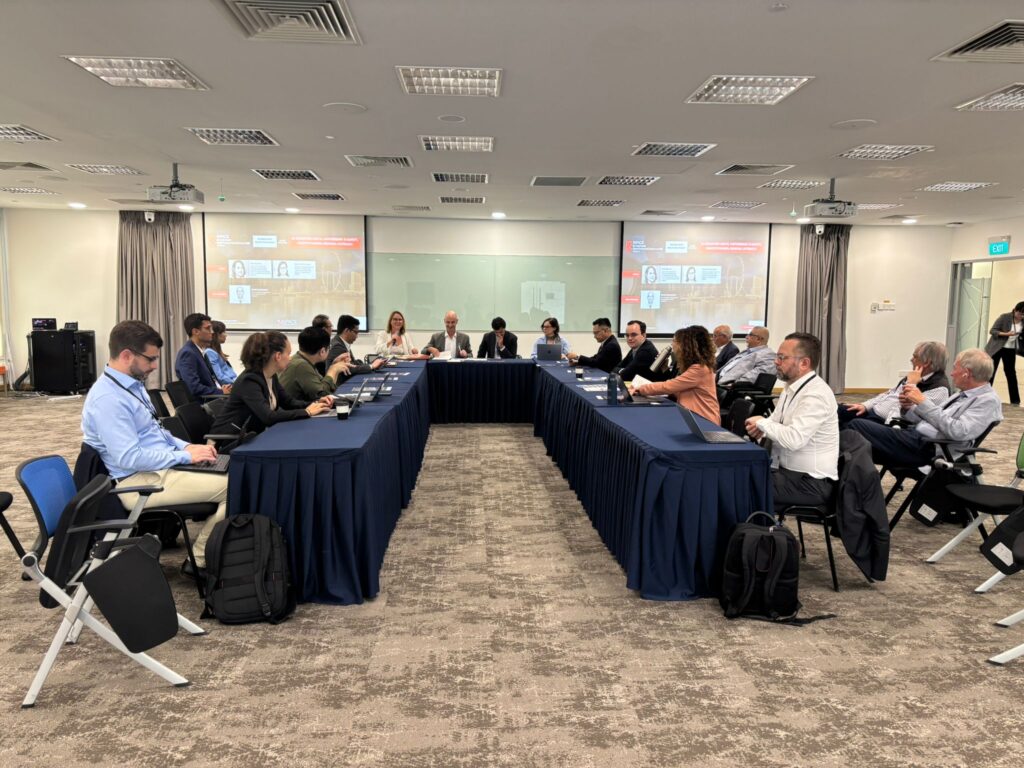
Closed-Door Policy Workshop: AI Safety, Competitiveness, Regional Outreach
Co-organised by Eva Pejsova from CSDS, BSoG, VUB (France) and Raluca Csernatoni (BSoG, VUB, Carnegie Europe)
Input remarks were provided by Antonio Calcara (CSDS, BSoG, VUB, Belgium), Lam Kwok Yan (Digital Trust Centre, SCRIPTS, Singapore AI Safety Institute, Singapore), and Chung Sang Hao (IMDA, Singapore).
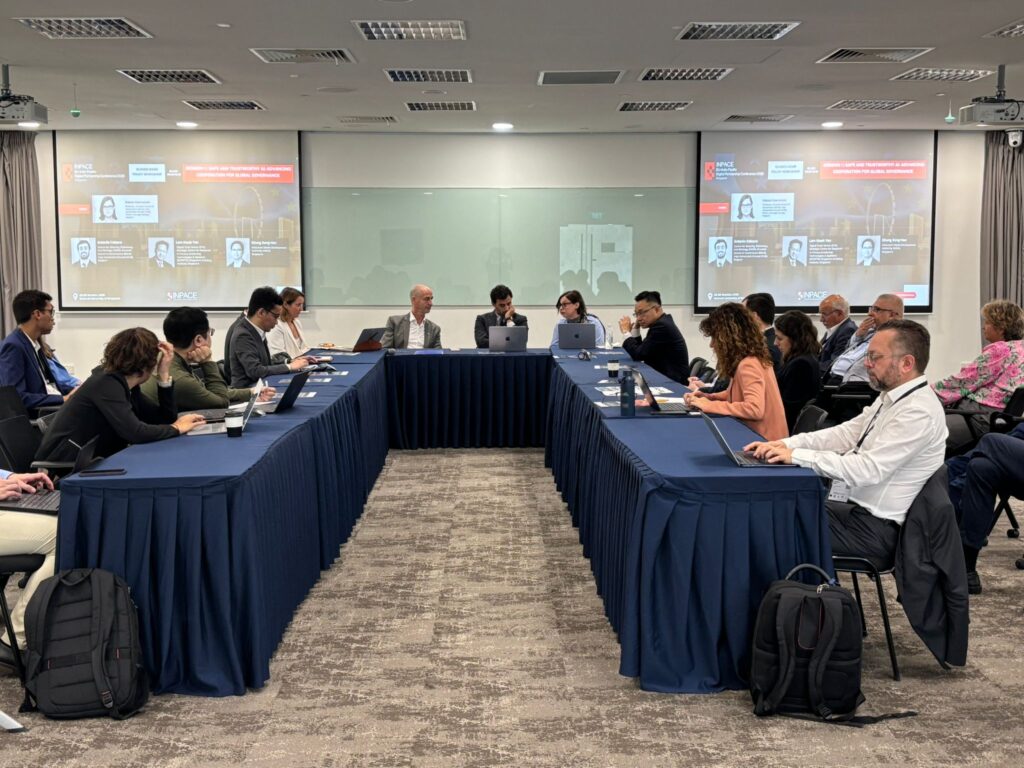
The first session, “Safe and Trustworthy AI: Advancing Cooperation for Global Governance,” explored how the EU’s risk-based AI Act and Singapore’s AI Verify toolbox, as well as the Global AI Assurance Sandbox for generative AI evaluations, can be integrated into collaborative “safety‑by‑design” pipelines. Chaired by Raluca Csernatoni, Input Remarks were provided by Antonio Calcara (Centre for Security, Diplomacy, and Strategy (CSDS), Brussels School of Governance (BSoG), Vrije Universiteit Brussel (VUB), Belgium), Lam Kwok Yan (Digital Trust Centre (DTC), Strategic Centre for Research in Privacy-preserving Technologies & Systems (SCRIPTS), Singapore AI Safety Institute, Singapore), and Chung Sang Hao (Infocomm Media Development Authority (IMDA), Singapore).
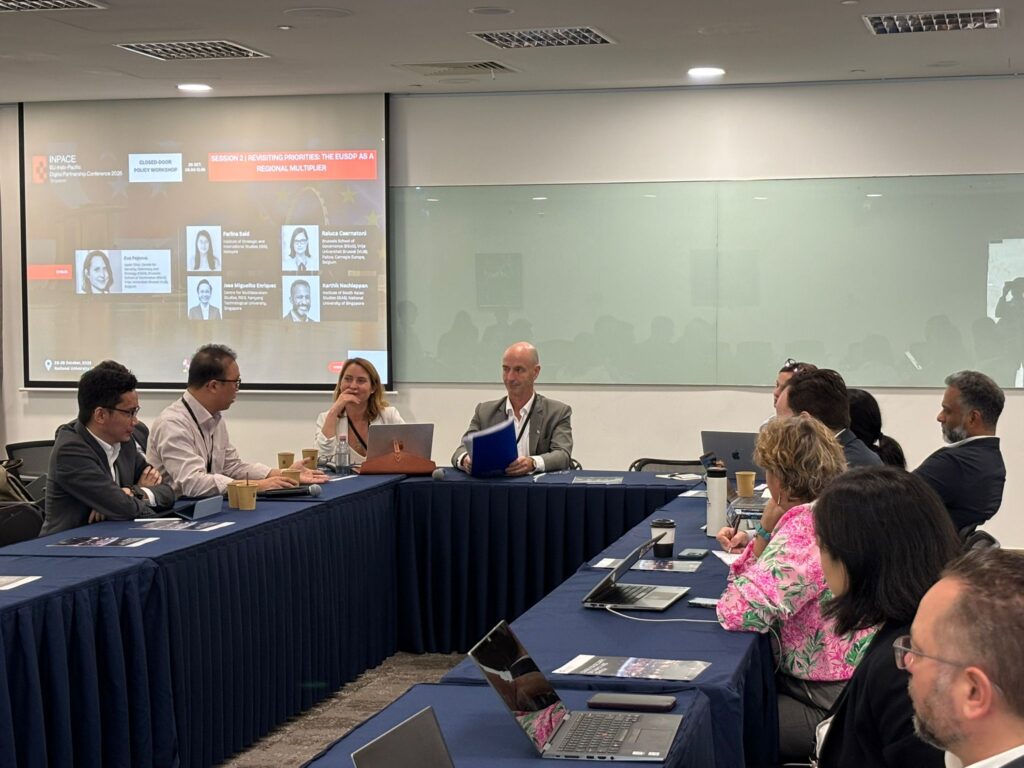
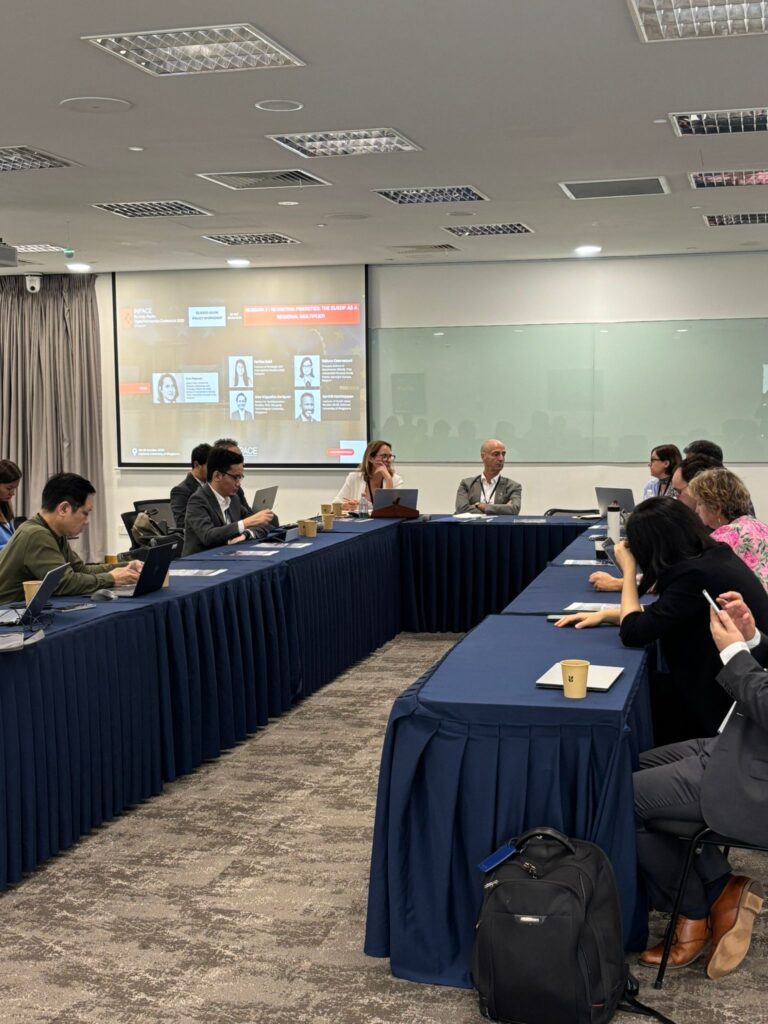
The second session, “Revisiting Priorities: The EUSDP as a Regional Multiplier,” reframed the EU’s Digital Partnership as a regional multiplier in line with the goal of the EU’s new International Digital Strategy. It explored Singapore’s potential as a regional hub in promoting high-level data‑protection and cybersecurity norms in ASEAN countries’ digital connectivity projects, by piloting interoperable data-protection standards, AI safety benchmarks, and SME compliance toolkits jointly with the EU. Chaired by Eva Pejsova, Input Remarks were delivered by Farlina Said (Institute of Strategic and International Studies (ISIS), Malaysia), Raluca Csernatoni,Jose Miguelito Enriquez (Centre for Multilateralism Studies, RSIS, Nanyang Technological University, Singapore), and Karthik Nachiappan (Institute of South Asian Studies (ISAS), National University of Singapore).
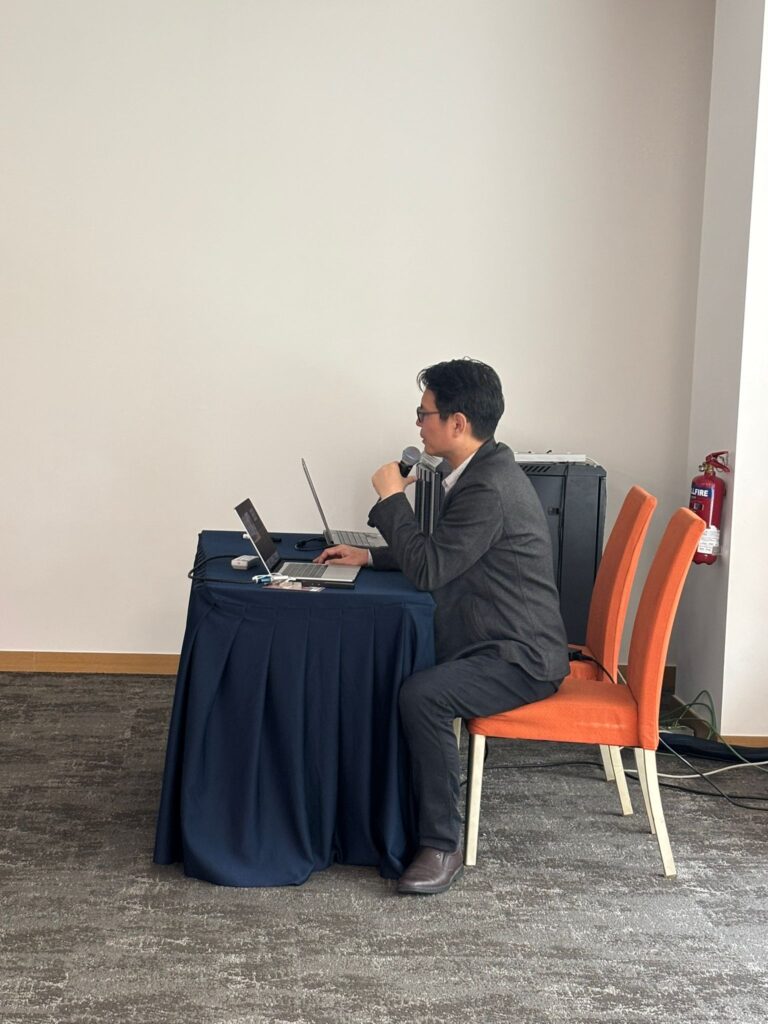
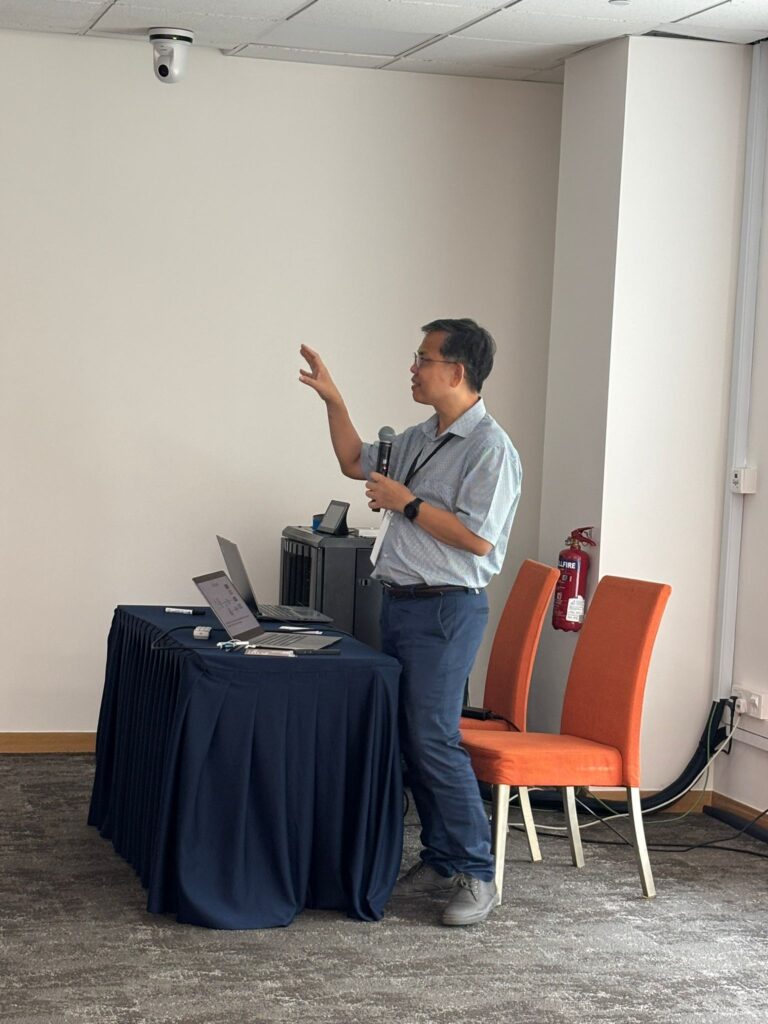
Taking 6G research collaboration between the EU and Singapore forward
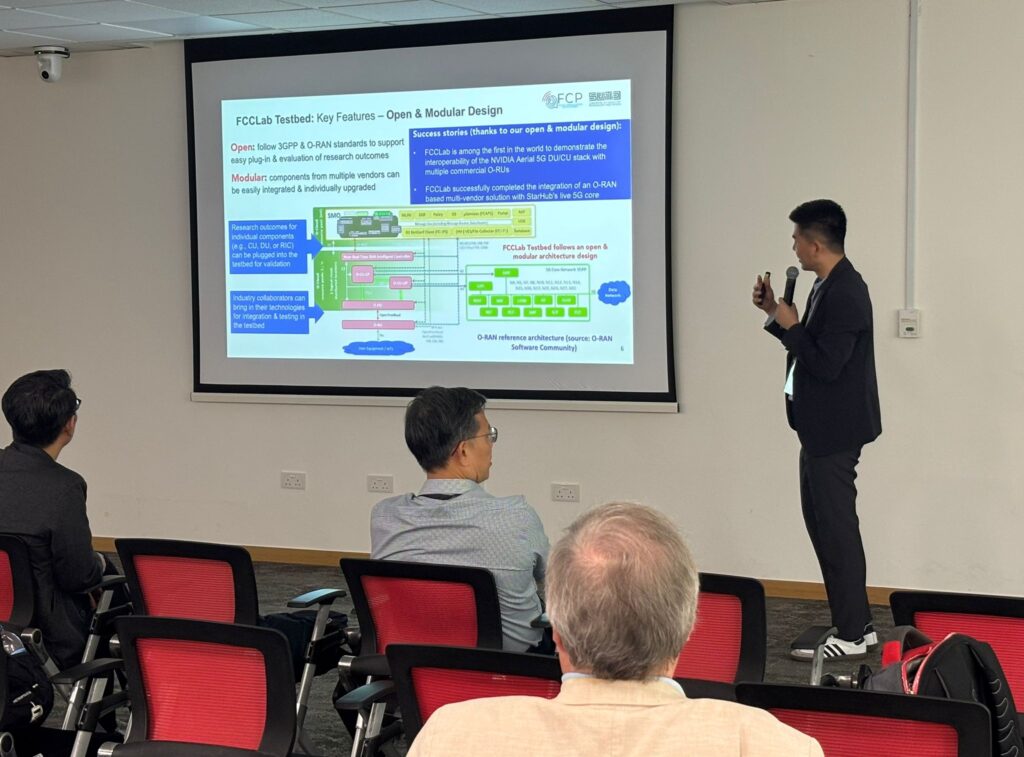
Organised by Adam Kapovits from Eurescom (Germany)
The session looked at current 6G research activities in Europe and in Singapore, identifying shared interests and opportunities for potential collaboration. It featured key speakers, including the session organiser Adam Kapovits, Prof. Tony Quek (Singapore University of Technology and Design (SUTD), Singapore), Dr. Francois Chin (A*STAR, Singapore), and Prof. Chan Mun Choon (National University of Singapore).
Human Centric and Sustainable Infrastructures for Resilience of Public Services
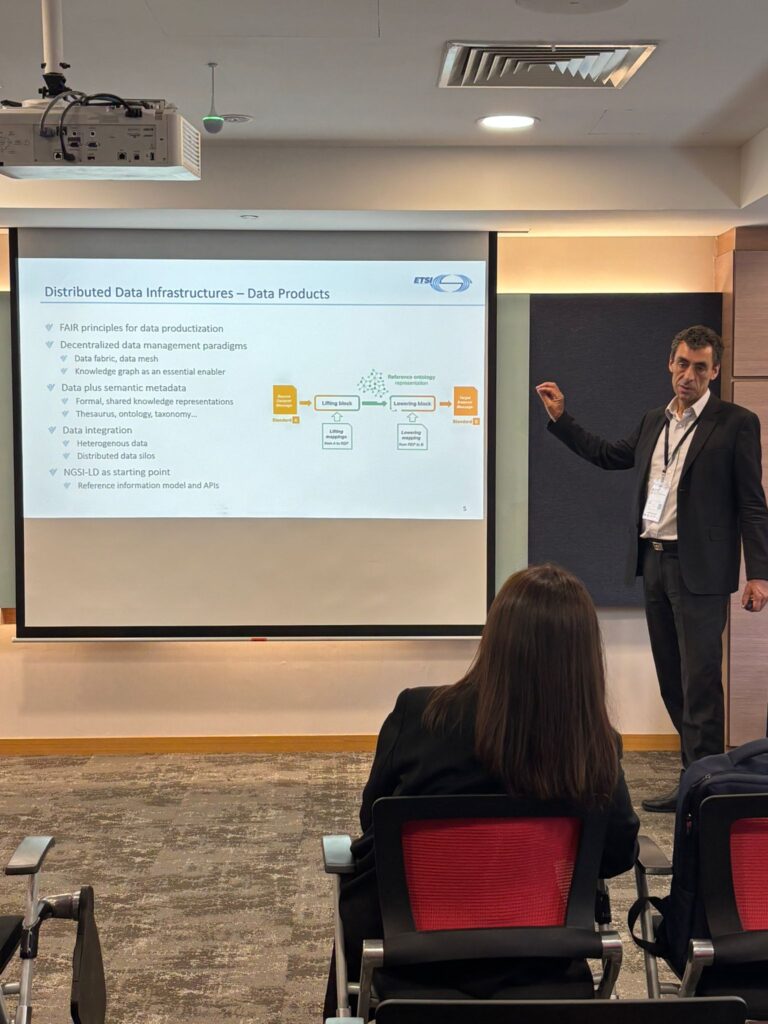
Organised by Franck Le Gall from EGM (France)
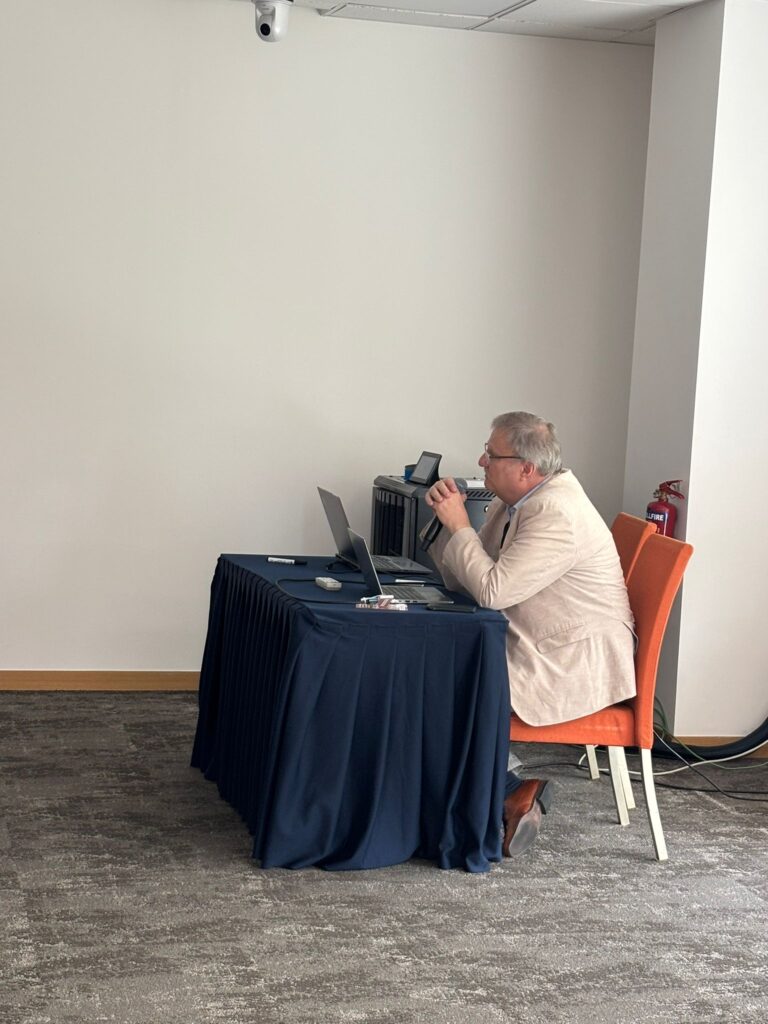
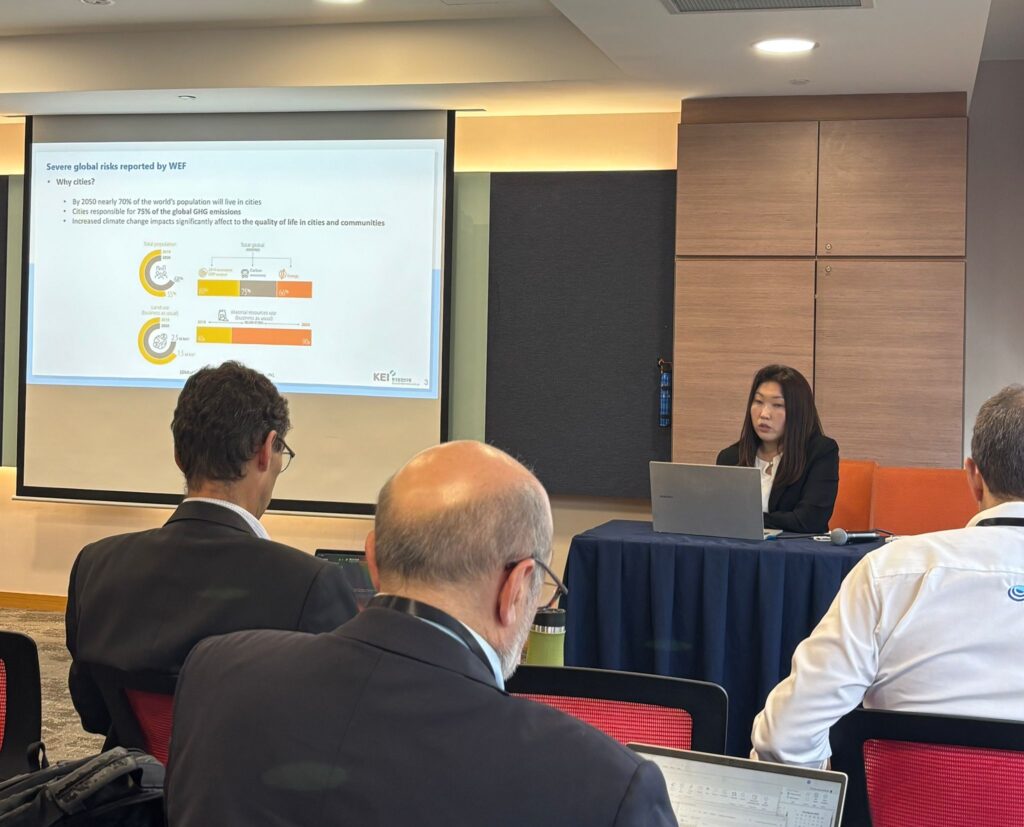
The session examined how digital technologies and data-driven innovation can help cities and nations reach their net zero carbon ambitions while improving quality of life. Participants examined examples of green digital infrastructure, federated local digital twins, identities management and urban service innovations from Europe and the Indo-Pacific.
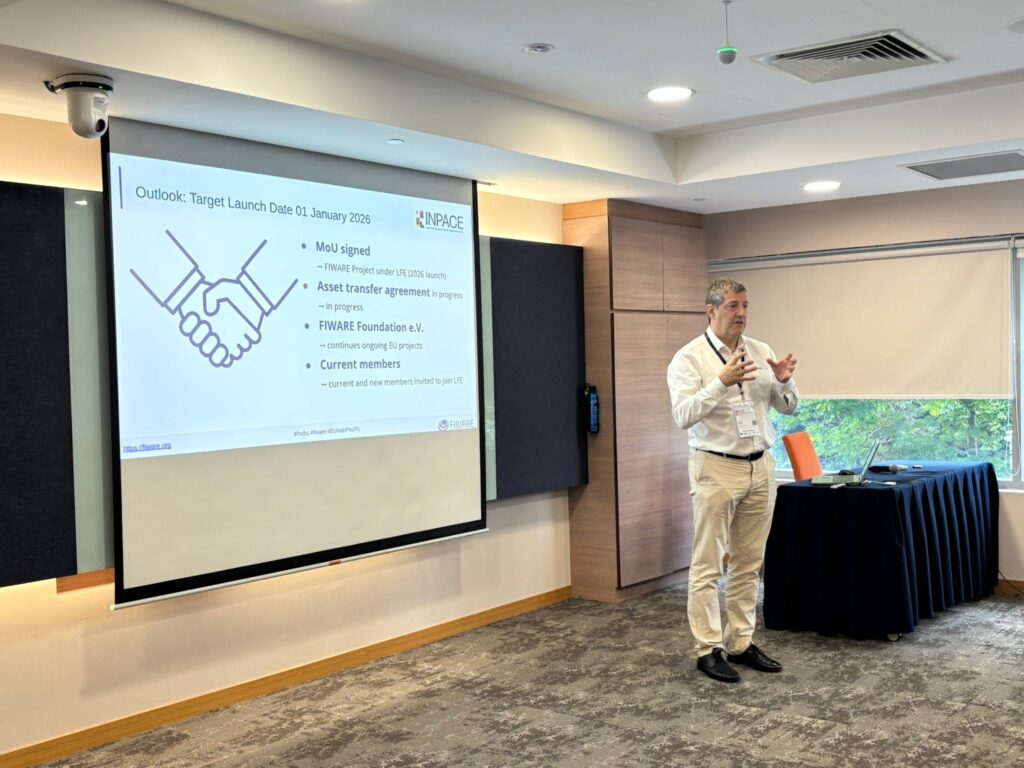
Franck Le Gall highlighted the importance of Data Interoperability in Public Service, while Dr. Jiyoon Song (Korea Environment Institute, South Korea) discussed Trends and International Standardization of Carbon-Neutral Cities. Dr. Alberto Abella (FIWARE Foundation, Spain) then delivered a presentation titled “Cross-domains platform for energy and water management at scale.”
Semiconductors
Organised by Francis Balestra from SiNANO Institute (France)
The semiconductor track featured multiple thematic sessions on advanced functionalities, packaging and integration, manufacturing and supply chains, and new materials and emerging memories.
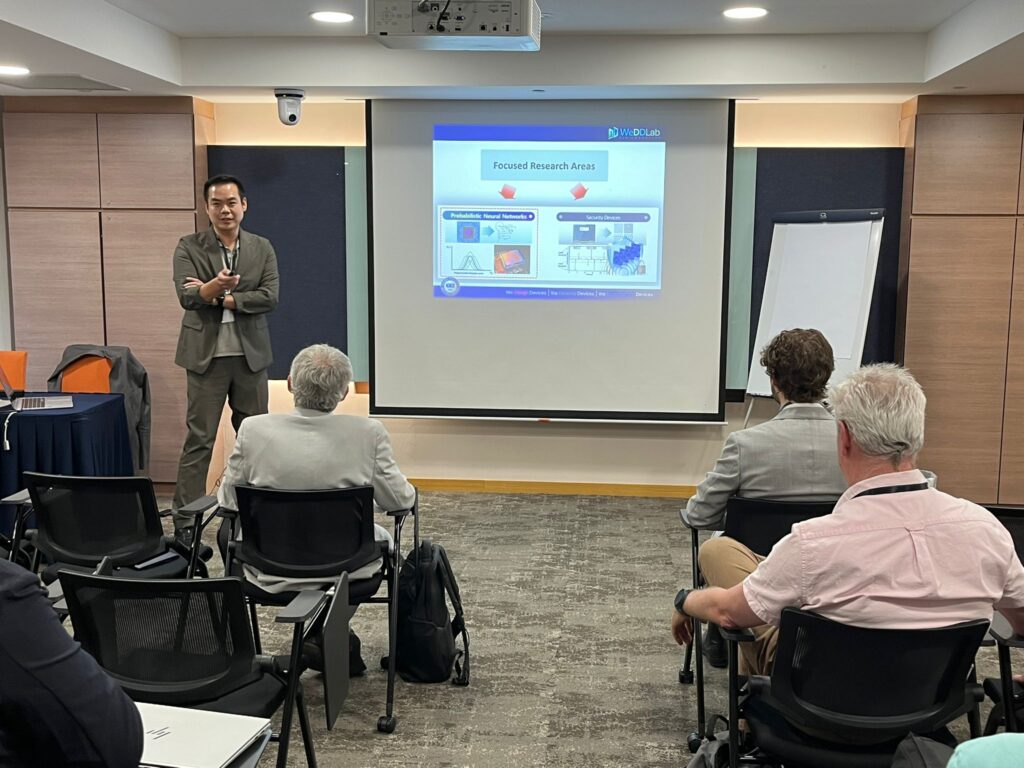
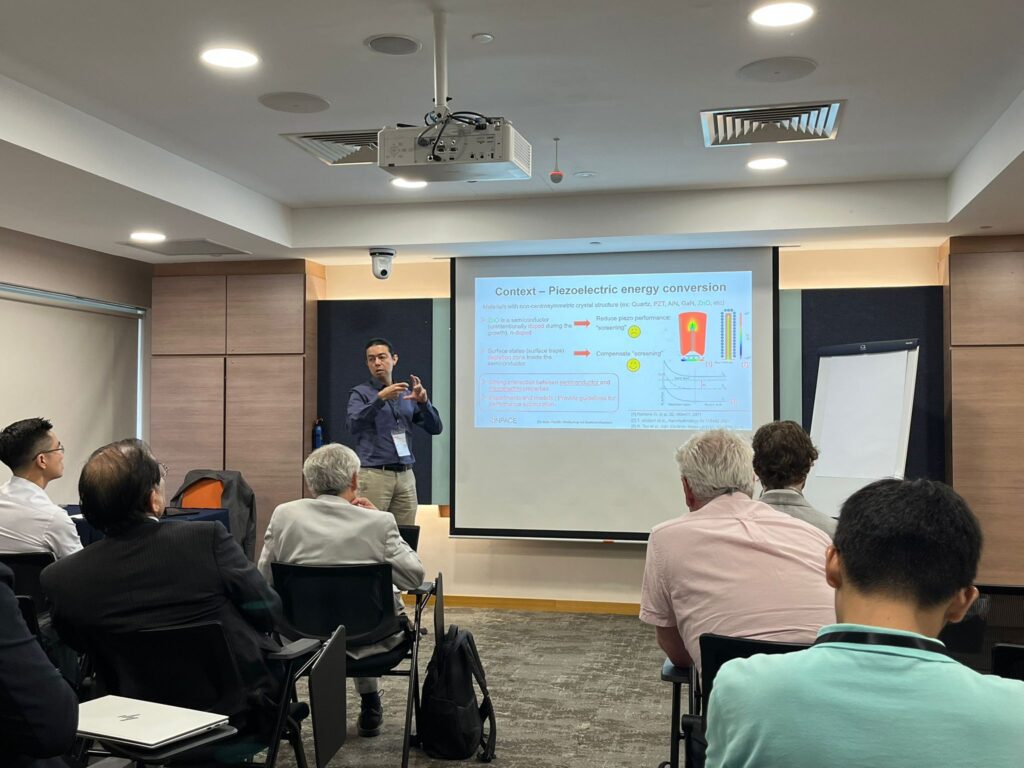
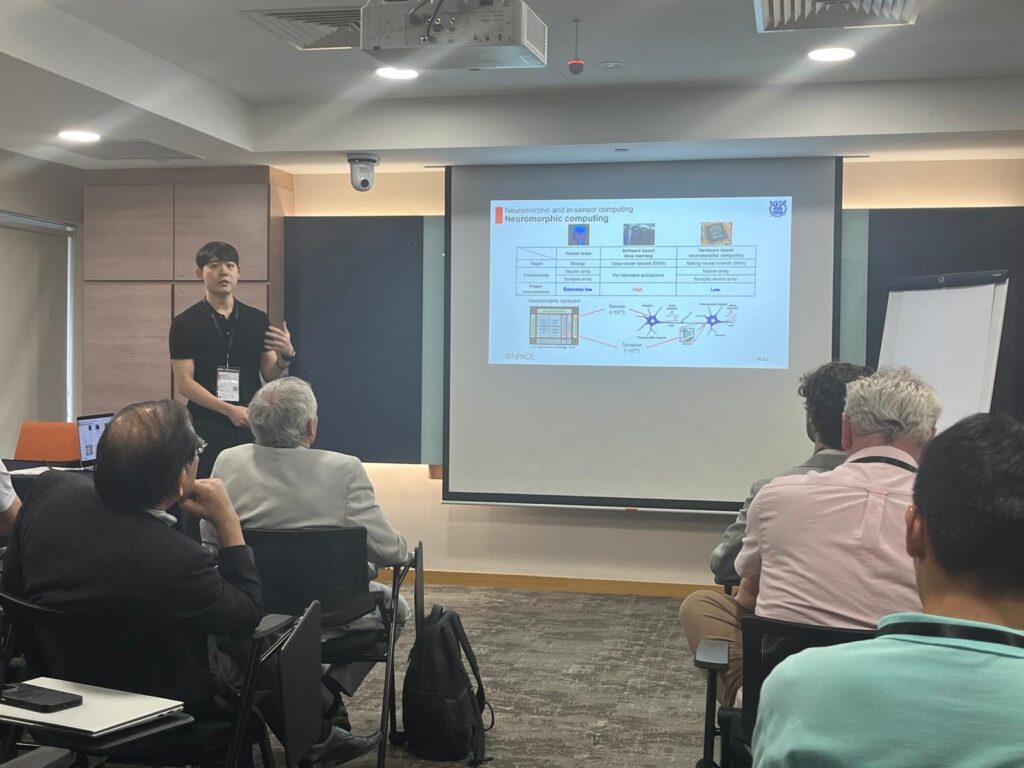
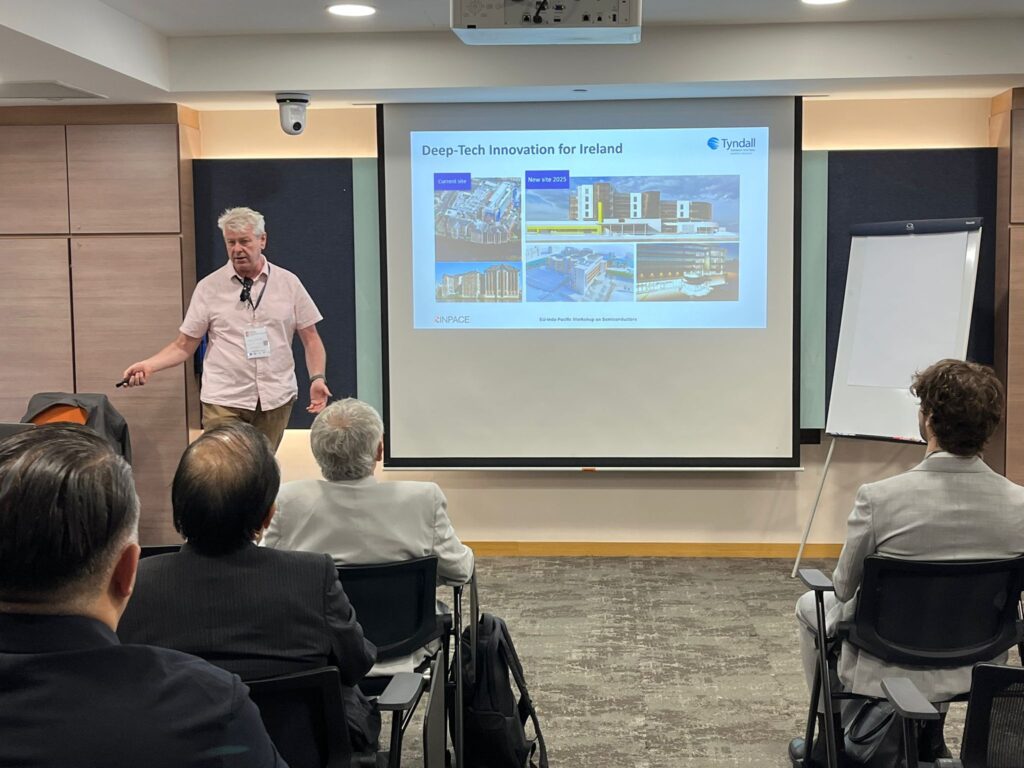
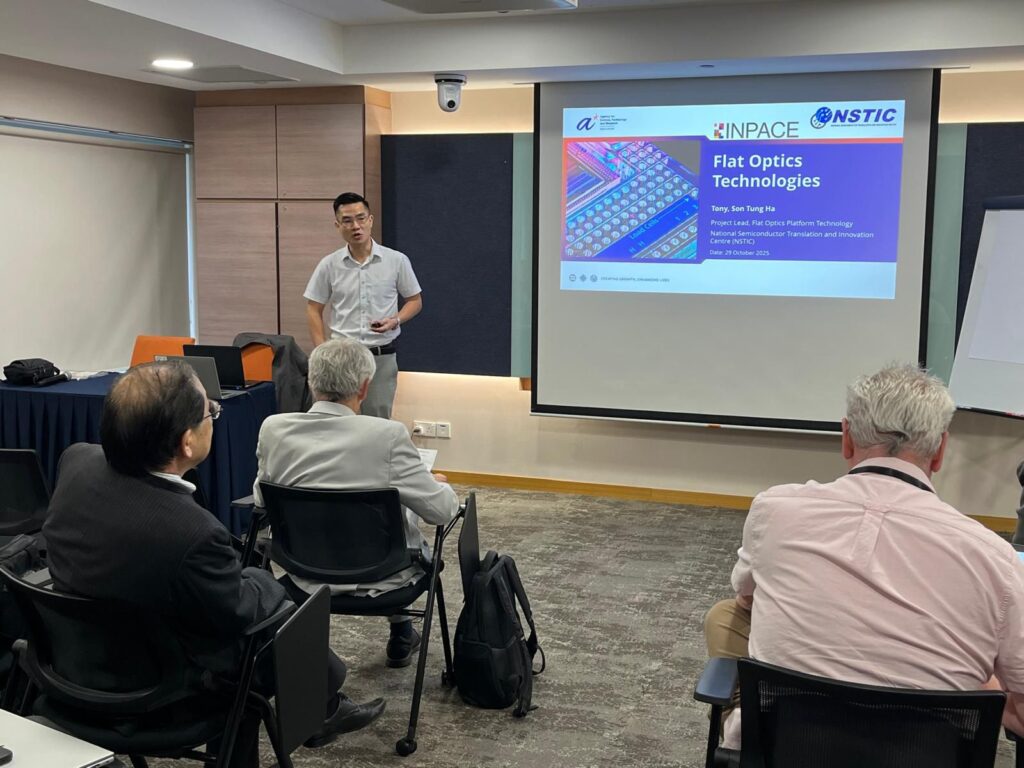
The session on “Semiconductors: Advanced Functionalities” explored advanced functionalities in electronic systems, covering Smart Sensing, Power Electronics, Energy Harvesting for autonomous systems, and semiconductor-based photonics. The session included presentations on Semiconductor Flat Optics by Son Tung Ha (IMRE, A*STAR, Singapore), Green Intelligent & Connected Systems at the Trillion Scale Sustainably by Massimo Alioto (National University of Singapore), and Development of Smart Sensor Systems for Sustainable Agri-Good and the Environment by Alan O’Riordan (Tyndall National Institute, Ireland). The session proceeded with presentations on Artificial Sensory Neuron for In-Sensor Spiking Neural Network by Joon-Kyu Han (Seoul National University, South Korea), ZnO thin film and nanowires for piezoelectric energy transducer applications by Gustavo Ardila (University Grenoble-Alpes, France), and On-Device AI Sensors: Gaussian Transistors and Light-Driven Spikes for Deepfake Detection and Forest Fire Monitoring by Hocheon Yoo (Hanyang University, South Korea). It concluded with the Gas sensors for health management using IoT devices by Ken Uchida (Tokyo University, Japan).
The “Semiconductors: Advanced Packaging and Heterogeneous Integration” session focused on high performance, low power, low latency, miniaturisation, integration of new functionalities, and lower cost of electronic systems. Xianshu Luo (A*STAR, Singapore) presented Wafer-scale photonics heterogeneous integration (PHI) platform towards 400G/lane optical transceiver, while Mitsu Koyanagi (Tohoku University, Japan) discussed Advanced packaging and heterogenous integration.
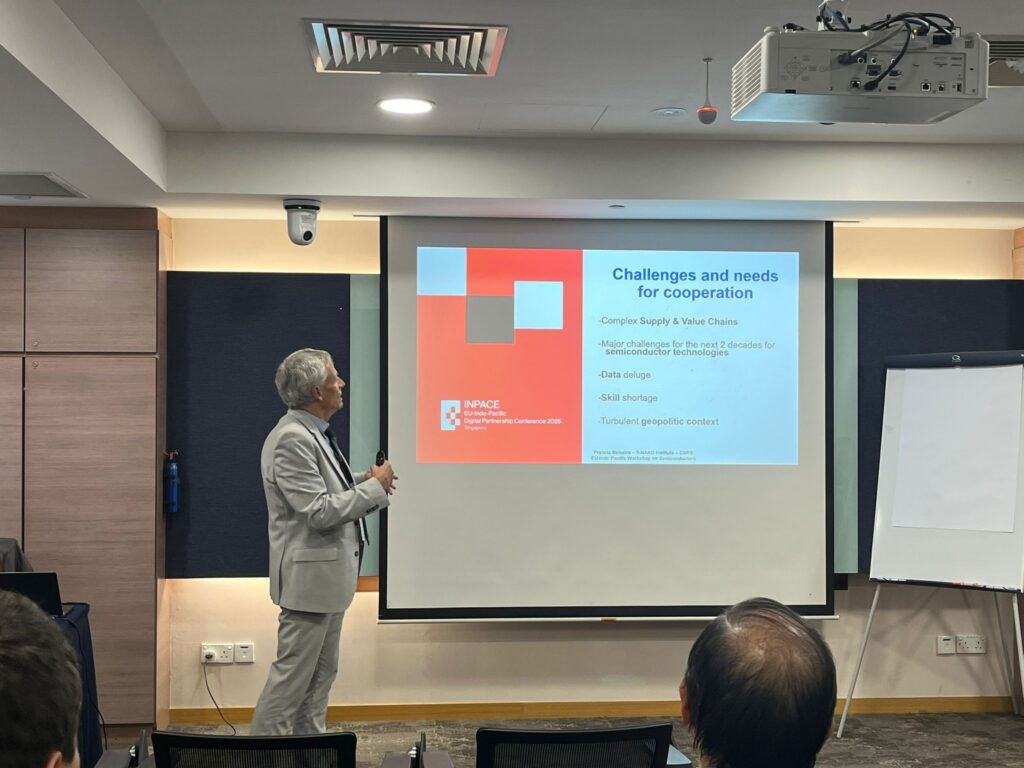
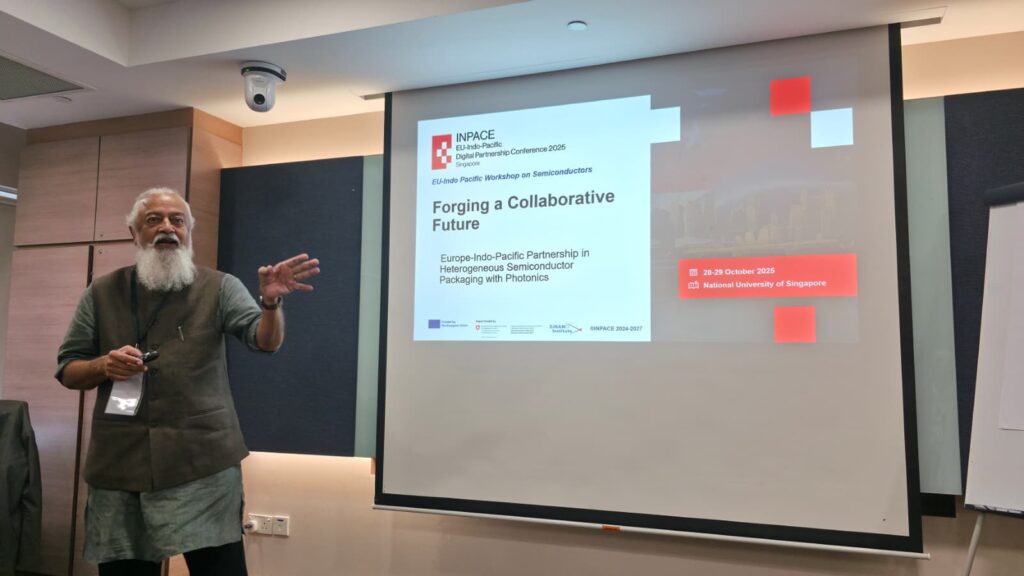
The “Semiconductors: Manufacturing, Supply Chains and International Cooperation” session examined manufacturing and supply chains in the semiconductor Industry, including green materials for sustainable electronics and International Cooperation to strengthen the economic resilience. Francis Balestra delivered a presentation on Supply and Value Chains & International Cooperation between Europe and Indo-Pacific, and Shankara Prasad (IIT Guwahati, India) spoke on Forging a Collaborative Future: Europe-Indo-Pacific Partnership in Heterogeneous Semiconductor Packaging with Photonics.
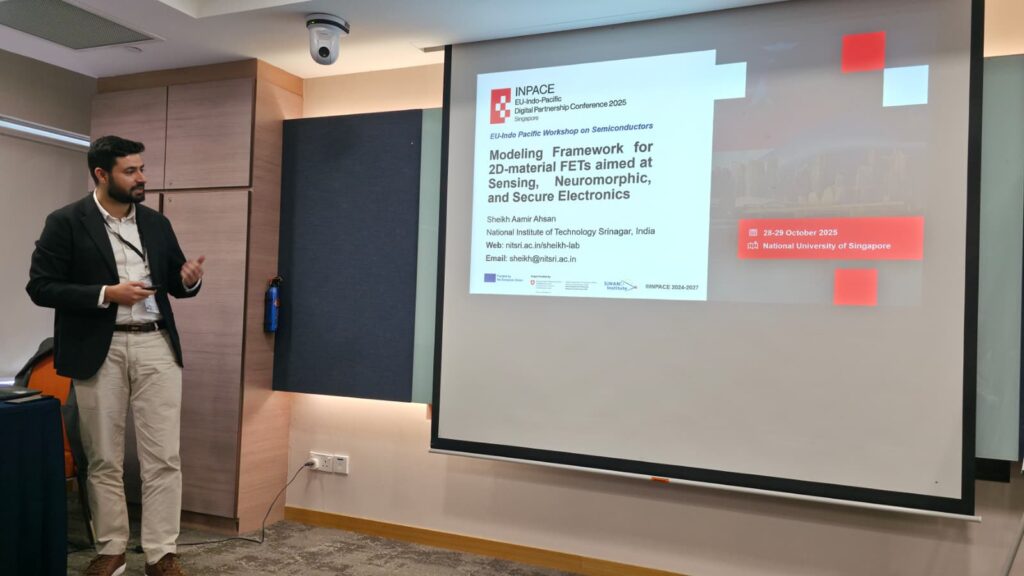
The “Semiconductors: New Materials and Emerging Memories” session focused on nanomaterials, emerging nanotechnologies, and nanodevices. Sheikh Aamir Ahsan (National Institute of Technology Srinagar, India) presented the Modeling Framework for 2D-material FETs aimed at Sensing, Neuromorphic, and Secure Electronics. Tay Beng Kang (Nanyang Technological University, Singapore) explored Nanotechnologies and Nanomaterials for Electronic and Photonic Applications. Finally, Alessandro Cresti (CNRS, France) concluded the session with a presentation on Numerical Simulations of 2D Material-Metal Heterojunctions for Atomristors.
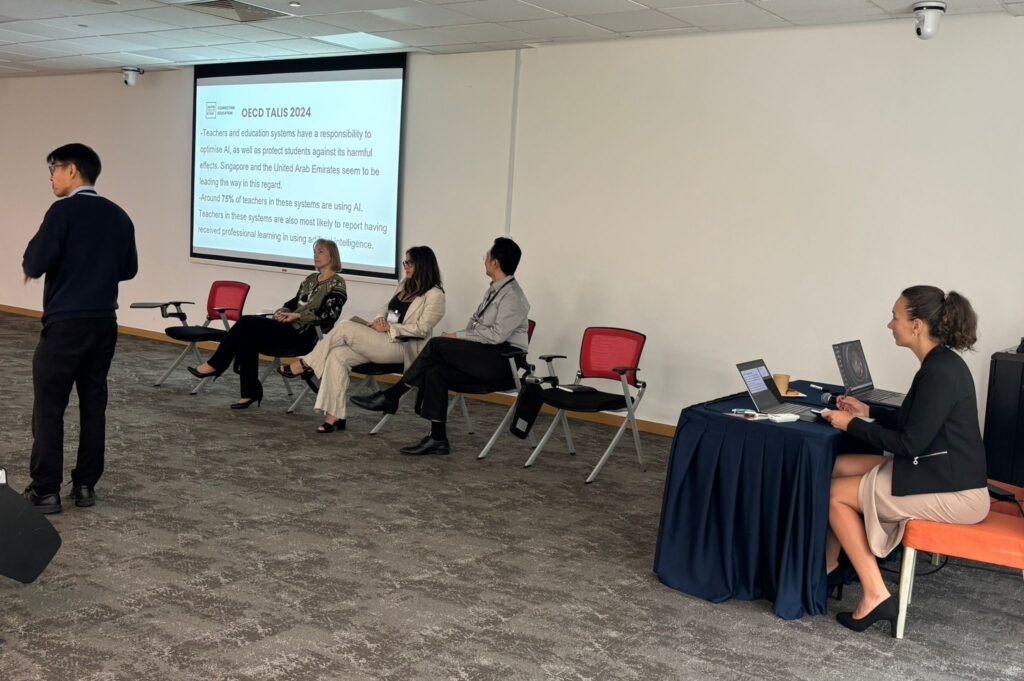
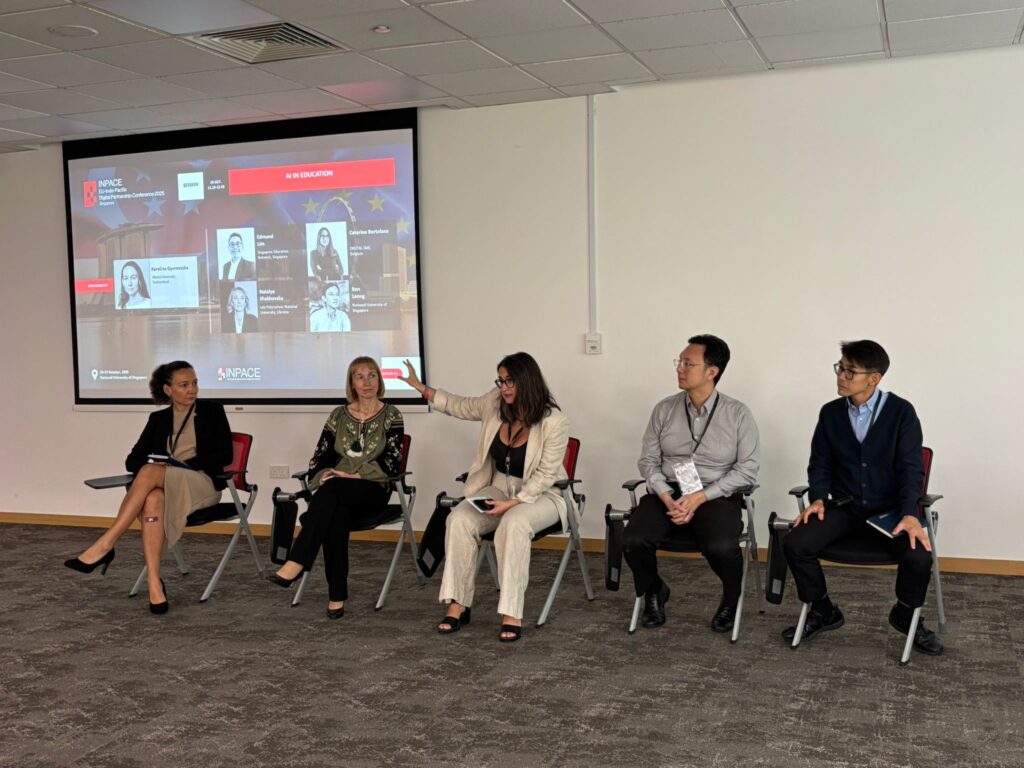
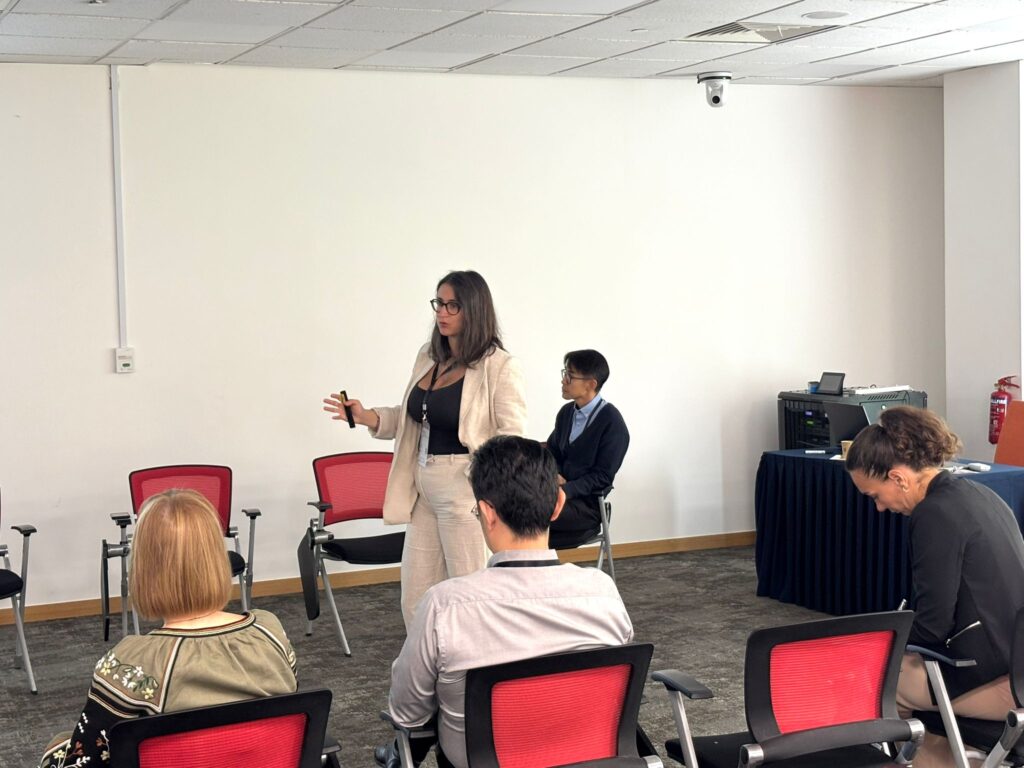
AI in Education
Organised by Karolina Gyurovszka from Martel Innovate (Switzerland)
The session explored the transformative impact of Artificial Intelligence on research and education, focusing on AI skills development. Findings from a comprehensive survey conducted across Europe, Japan, India, South Korea, and Singapore were presented, offering insights into regional strengths, challenges, and emerging needs in the AI talent pipeline.
Key speakers of the session were Edmund Lim (Singapore Education Network, Singapore), Caterina Bortolaso (DIGITAL SME, Belgium), Prof. Natalya Shakhovska (Lviv Polytechnic National University, Ukraine), and Prof. Ben Leong (National University of Singapore).
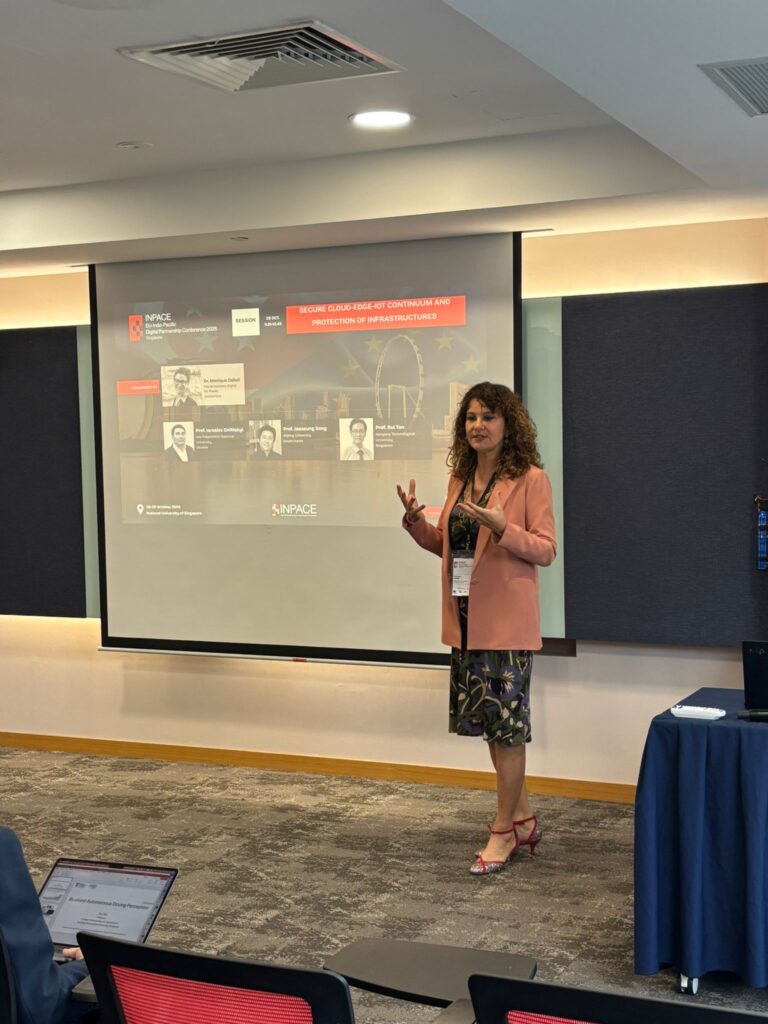
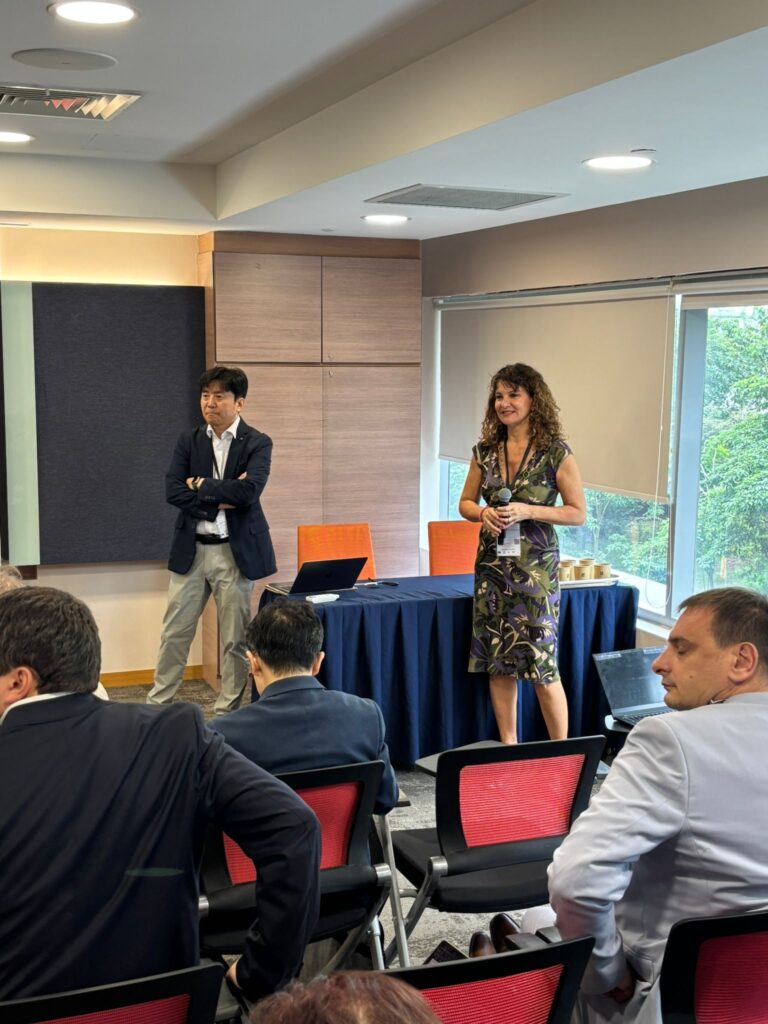
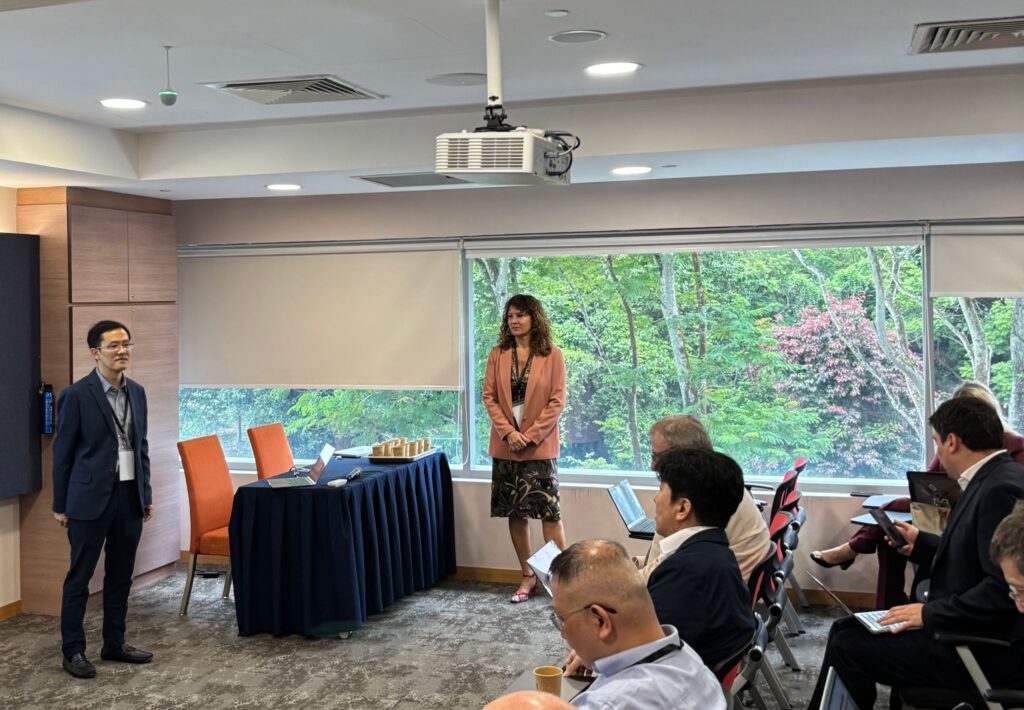
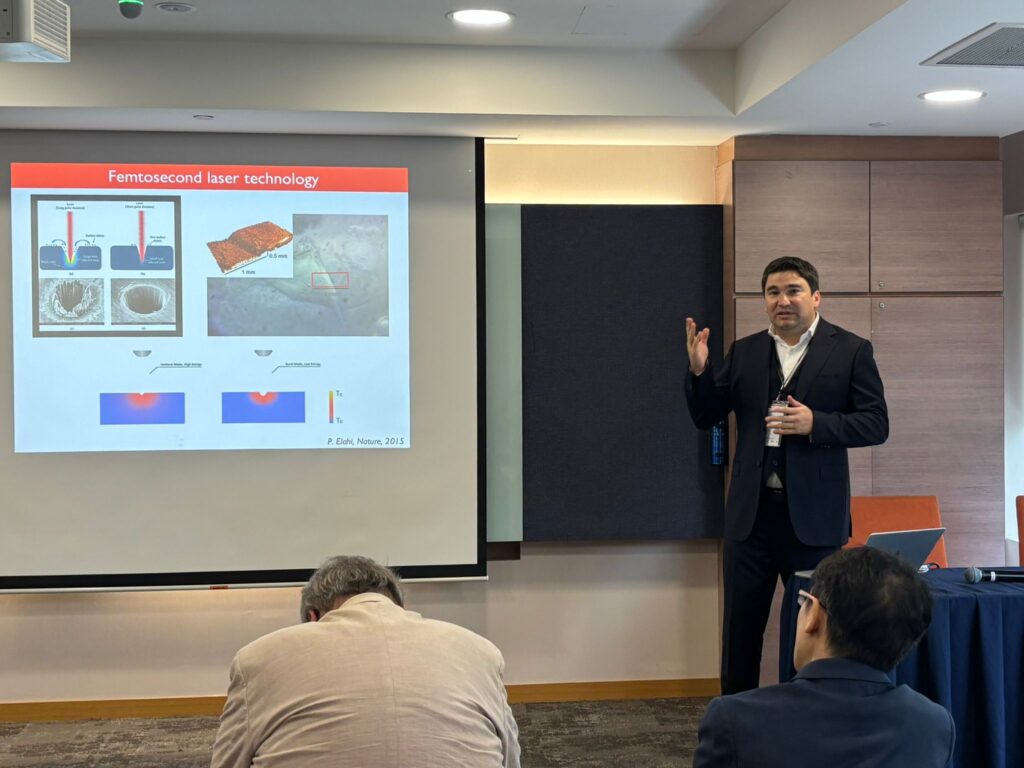
Secure Cloud-Edge-IoT Continuum and Protection of Infrastructures
Organised by Monique Calisti (Martel Innovate, Digital for Planet, Switzerland)
This session addressed the security challenges of the smart continuum and their role for digital infrastructure protection. As digital services become more distributed, ensuring end-to-end security, data privacy, and resilience was underlined as key to building trust. The session featured key speakers from Europe and the Indo-Pacific region. Specifically, Prof. Iaroslav Gnilitskyi (Lviv Polytechnic National University, Ukraine) explored High-Efficient Batteries for Critical Infrastructure Protection: Femtosecond Laser Nanostructuring. Prof. Jaeseung Song (Sejong University, South Korea) delivered a presentation on Getting IoT Standards to Interwork. Prof. Rui Tan (Nanyang Technological University, Singapore) focused on Resilient Autonomous Driving Perception.
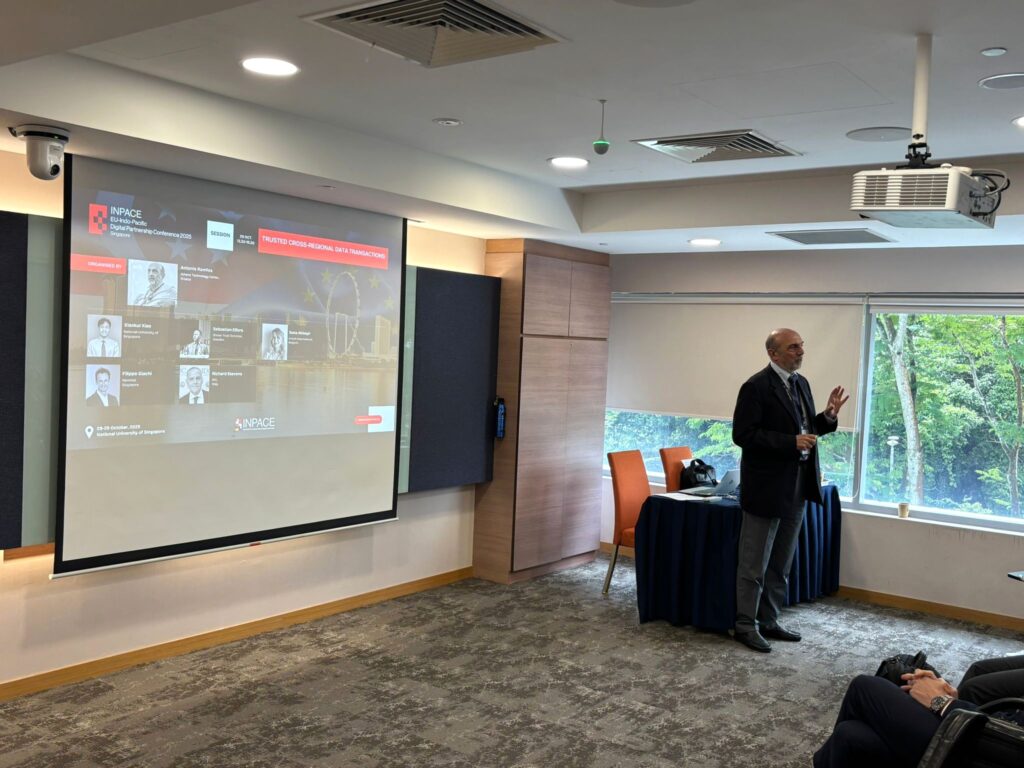
Trusted Cross-Regional Data Transactions
Organised by Antonis Ramfos from Athens Technology Center (Greece)
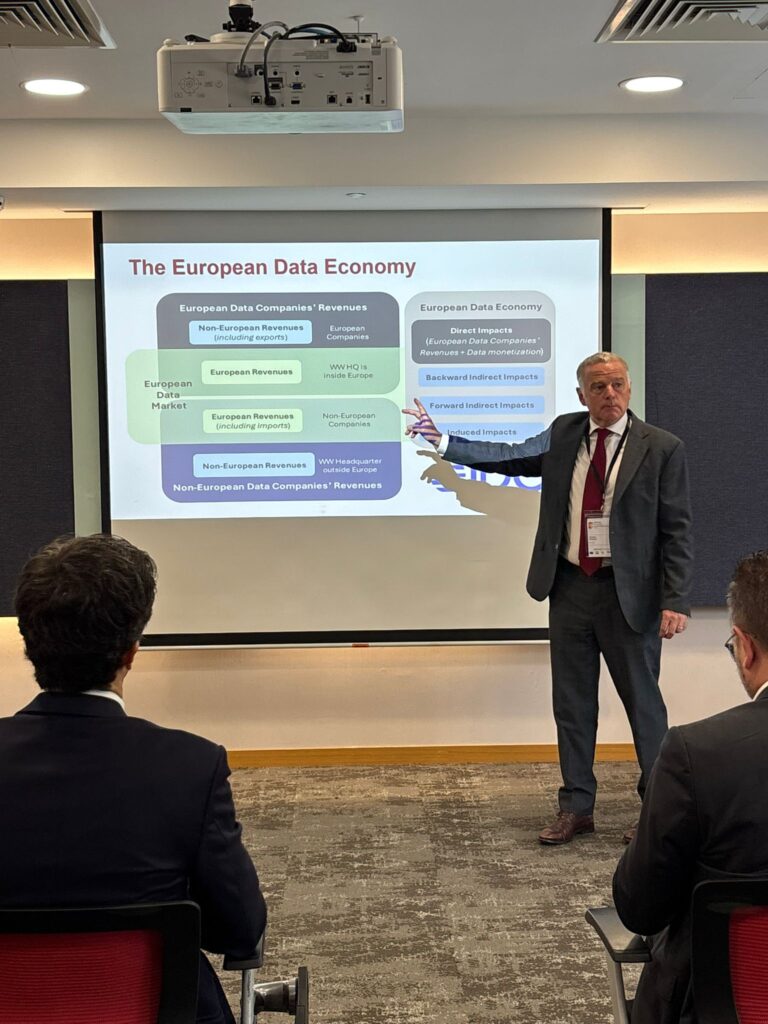
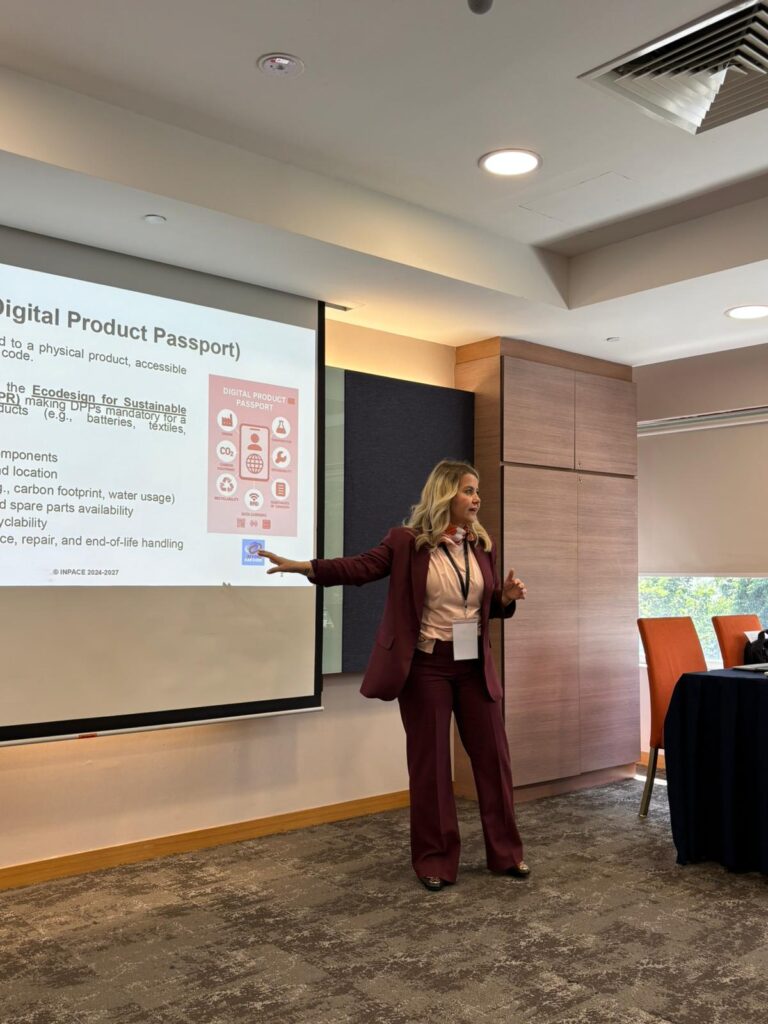
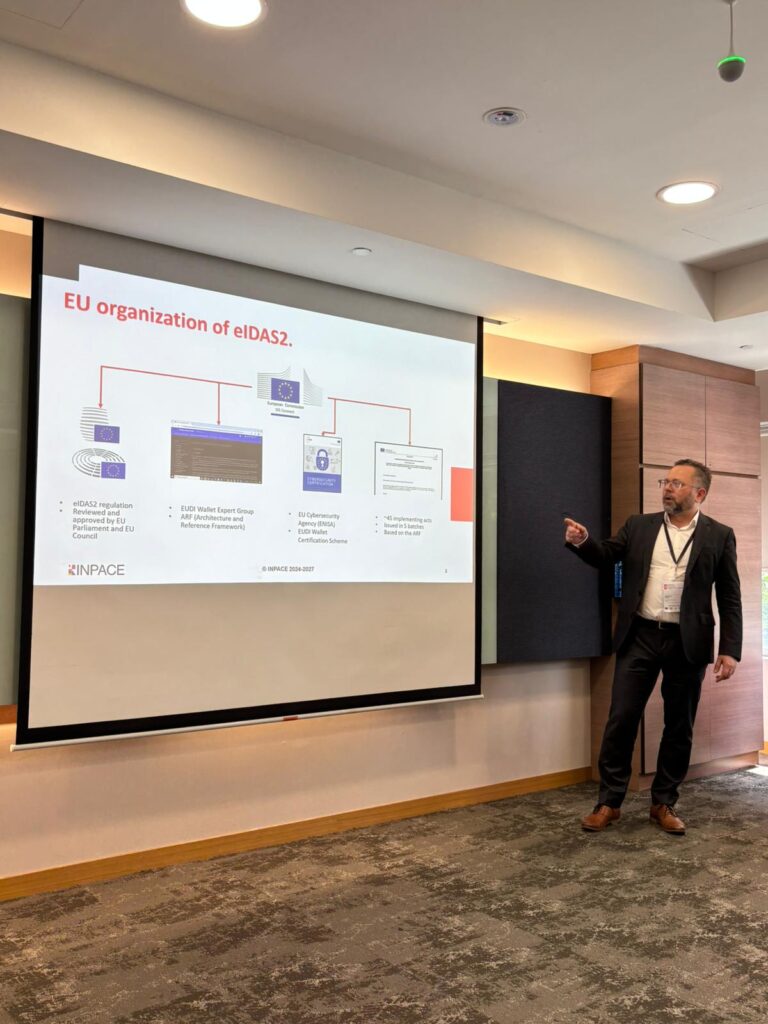
This session brought together policymakers, industry leaders, researchers, and innovators to highlight key enablers, ongoing initiatives and regulatory approaches for interoperable and ethical data infrastructure in Europe and the Indo-Pacific. The discussion covered challenges to data interoperability and trust, and identified opportunities for collaboration, with particular emphasis on the role of Digital Product Passport as a key enabler for secured and interoperable data transactions supporting innovation, competitiveness, and sustainable growth.
The session brought perspectives from Richard Stevens (IDC, Italy) in The Value of Trust in Data Monetisation; Suna Akbayir (Artech International, Belgium) in Beyond Barcode: Integrating with FIWARE’s Open DPP Framework for Global EU and UN Interoperability; Sebastian Elfors (IDnow Trust Services, Sweden) in Standardization of the EUDI Wallet; Xiaokui Xiao (National University of Singapore) in Synthetic Data with Differential Privacy: Building Trust for Cross-Regional Data Transactions; and Filippo Giachi (Namirial, Singapore) in Building Bridges with Standards: Namirial’s Standardization Work in Cyber Resilience, Digital Wallets, and Trusted Ecosystems.
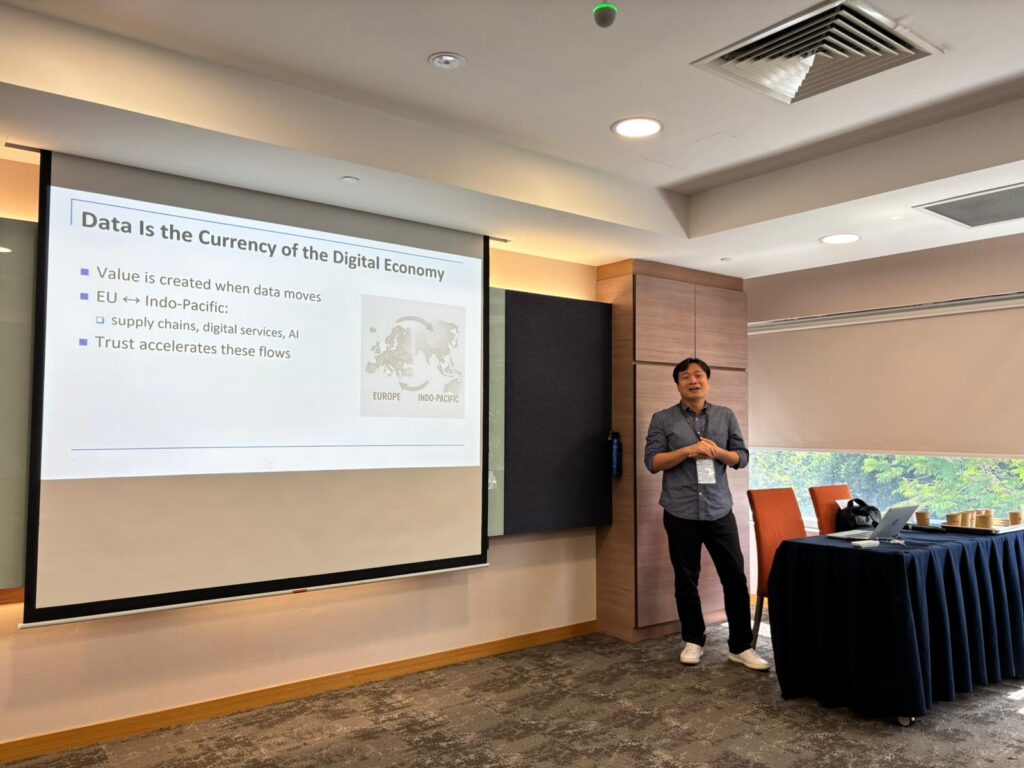
Development of Safe AI Solutions
Co-organised by Marc Zeller from Siemens Mobility (Germany) and Sebastian Engell from TU Dortmund and ENRICH GLOBAL (Germany)
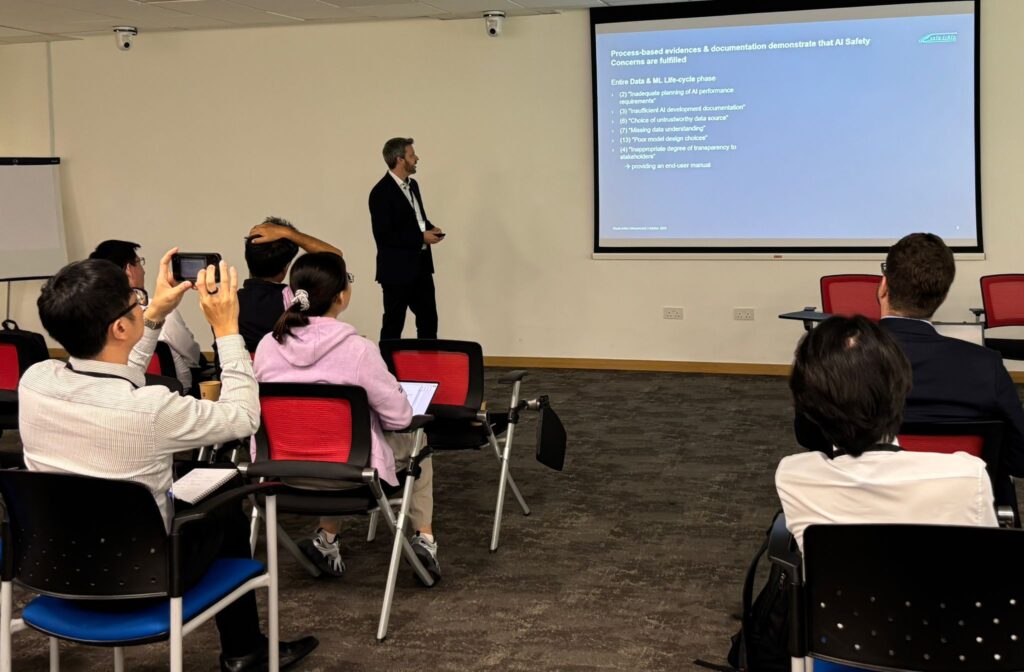
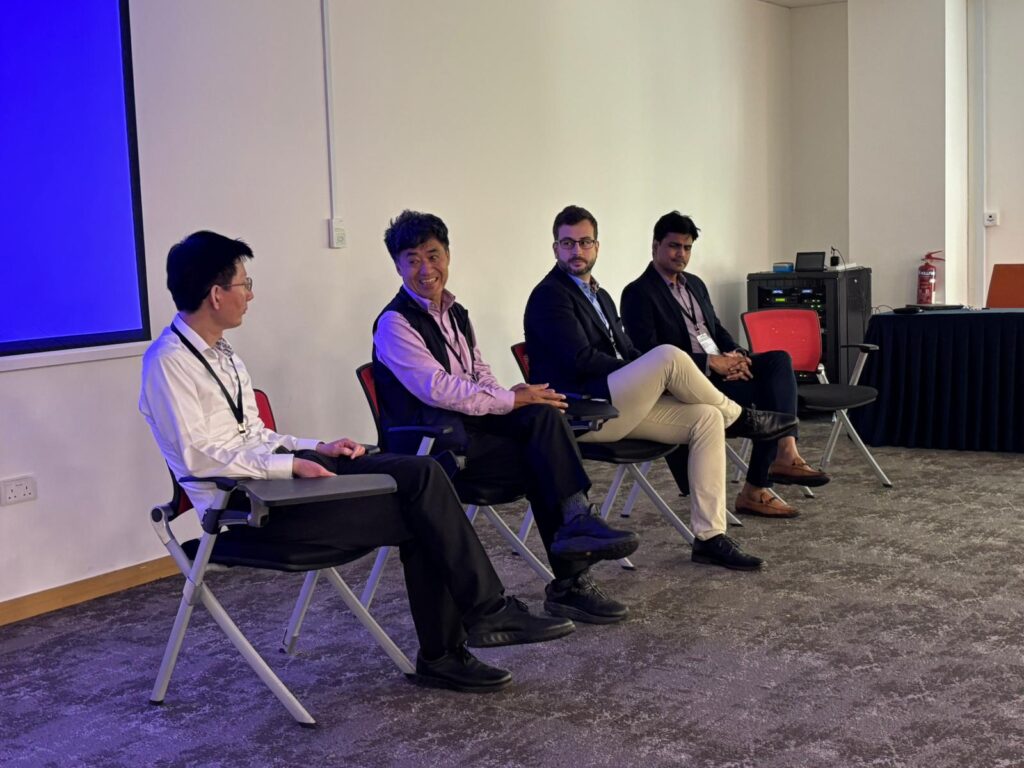
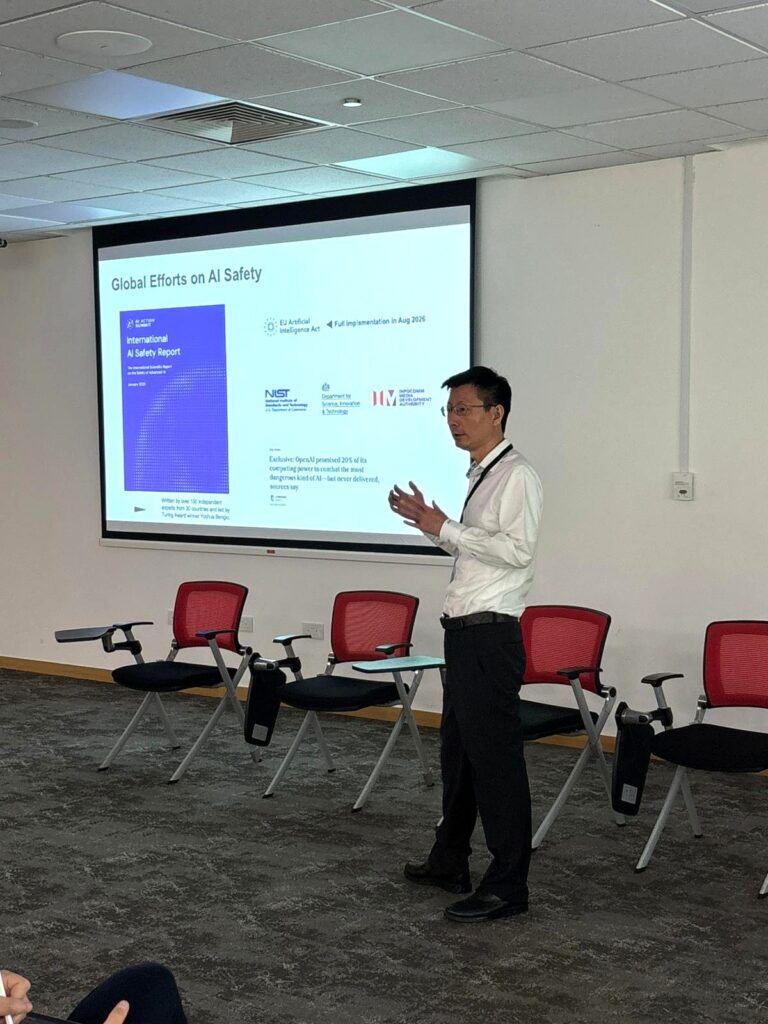
This session focused on methods and applications for developing safe AI solutions across various domains. It began with an overview of the aspects to be addressed in the development process of safe AI solutions and concluded with a round-table discussion on streamlining approaches between Europe and the Indo-Pacific and perspectives for collaboration.A presentation on Assuring Safety of AI-based Systems: Overview and Lessons Learned in the Railway Domain was delivered by Marc Zeller, who shared key insights into the practices developed to ensure the safety and reliability of AI applications in transportation systems. Shuzhi Sam Ge (National University of Singapore) followed with a talk on Stable AI for Autonomous Vehicles, highlighting approaches to guarantee stability in AI-driven mobility. Gianluca Manca (Ruhr University Bochum, Germany) delivered a presentation titled “Beyond Accuracy: Robustness and Explainability for Industrial AI under Dynamic Conditions,” addressing the need for transparent AI models in industrial contexts. Yong Liu (IHPC, A*STAR, Singapore) discussed Evaluating and Hardening Large Language Models, addressing approaches for evaluating their reliability. Finally, Ramesh Naidu Laveti (Centre for Development of Advanced Computing (C-DAC), India) presented AI for Early Detection of Mental Impairment in Children, showcasing research on using artificial intelligence for early-stage health diagnostics and cognitive development assessment.
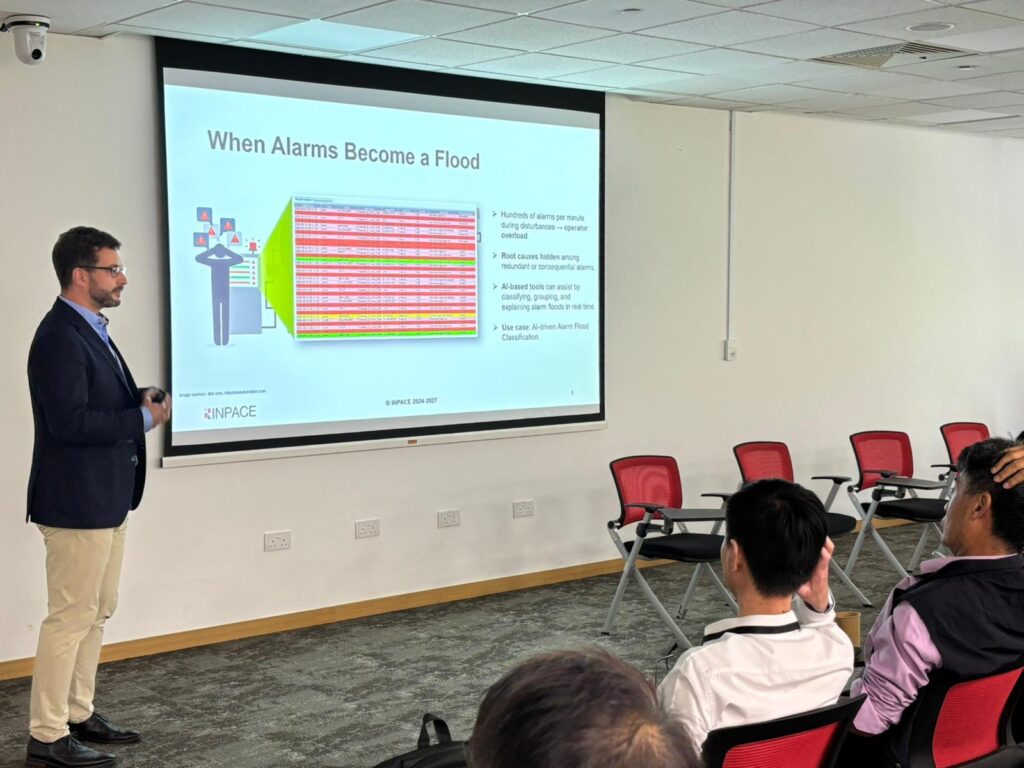
Innovation Hubs to Foster the Application of Digital Technologies
Organised by Vit Dockal from Czech Technical University & International Neurodegenerative Disorders Research Center, CLARA (Czech Republic)
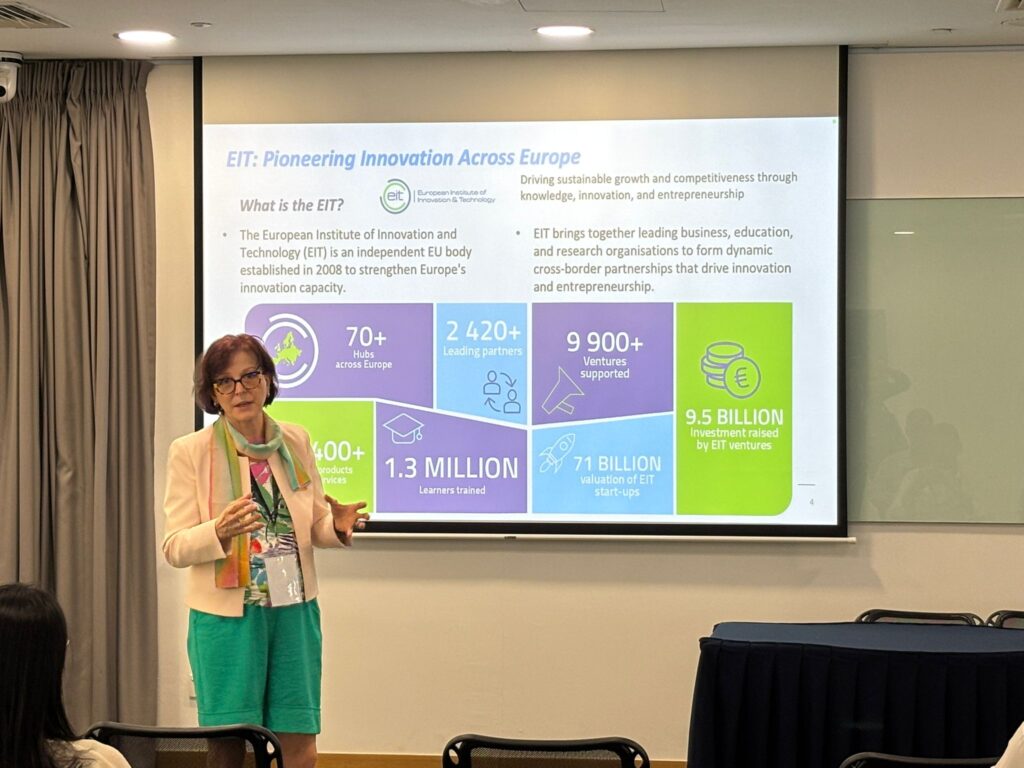
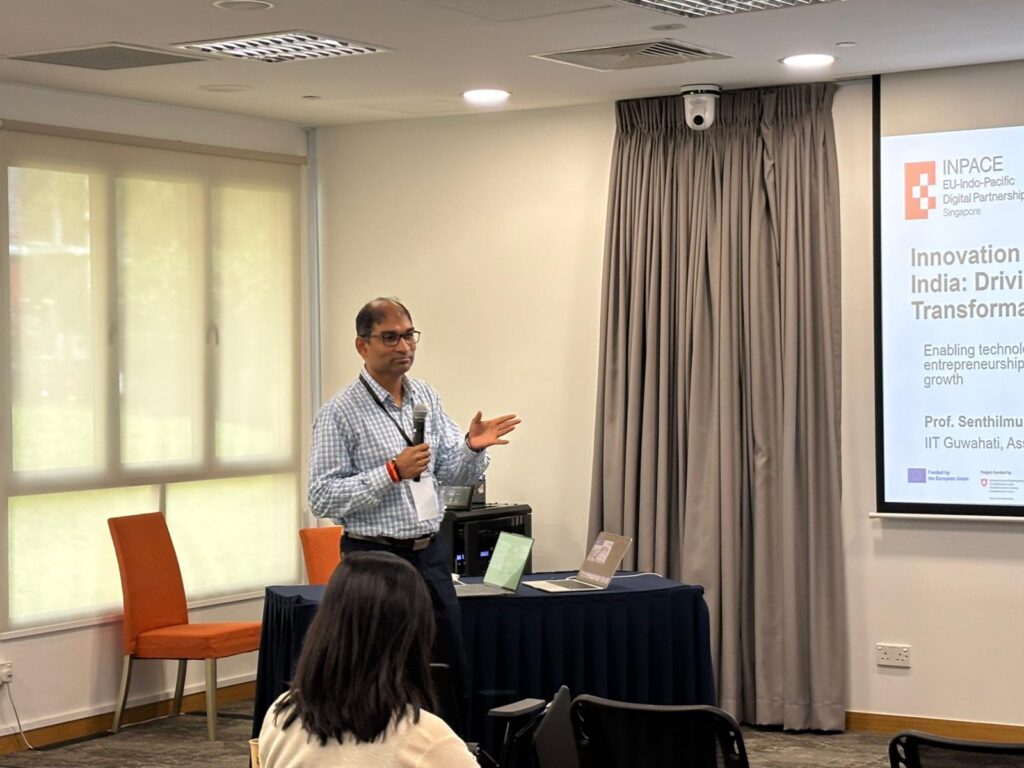
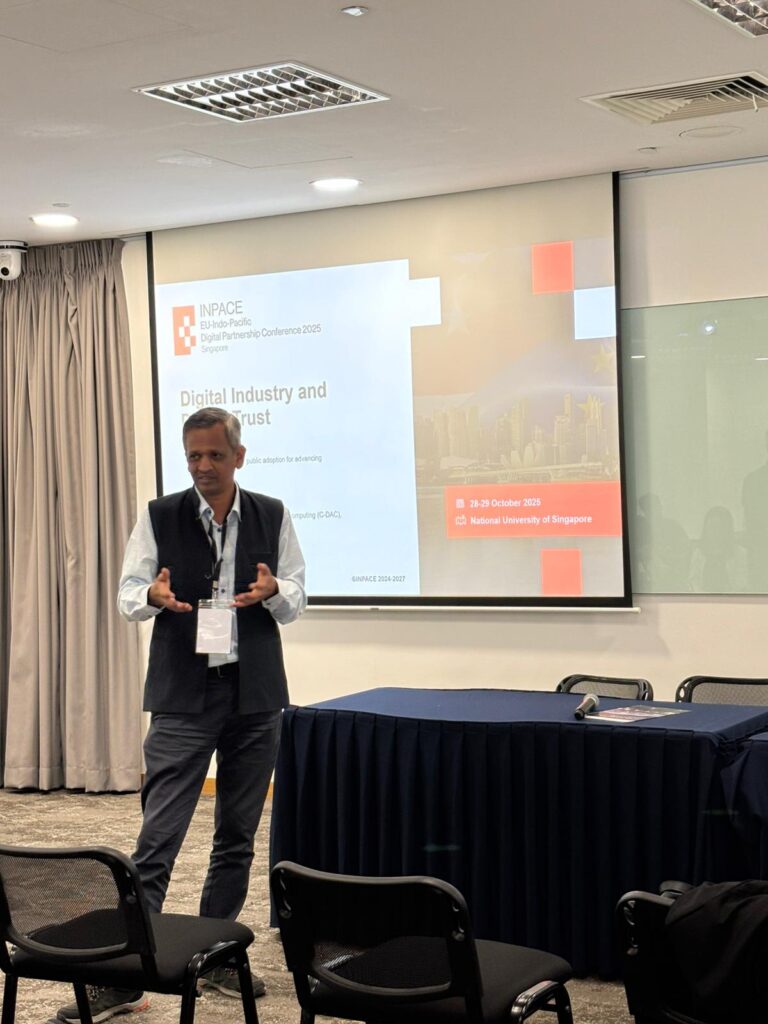
This session explored how Innovation Hubs accelerate the uptake of digital technologies by offering access to expertise, testing facilities, funding, and training. Speakers showcased how these hubs drive collaboration, skills development, and ecosystem growth, enabling SMEs and public organisations to adopt innovative solutions with reduced risk. Valentina Ivanova (CEA-List Institute, France) discussed EIT, Testing and Experimentation Facilities (TEFs), and Best Practice Projects, and Anna Tahovská (Czech Institute of Informatics, Robotics and Cybernetics, Czech Technical University in Prague (CIIRC CTU), Czech Republic) presented on the European Digital Innovation Hubs (EDIHs) and Innovation Cohesion in the EU. Senthilmurugan Subbiah (IIT Guwahati, India) explored Innovation Hubs in India, focusing on Driving Digital Transformation. Finally, Dr. S. D. Sudarsan (Centre for Development of Advanced Computing (C-DAC), India) delved into Digital Industry and Digital Trust.
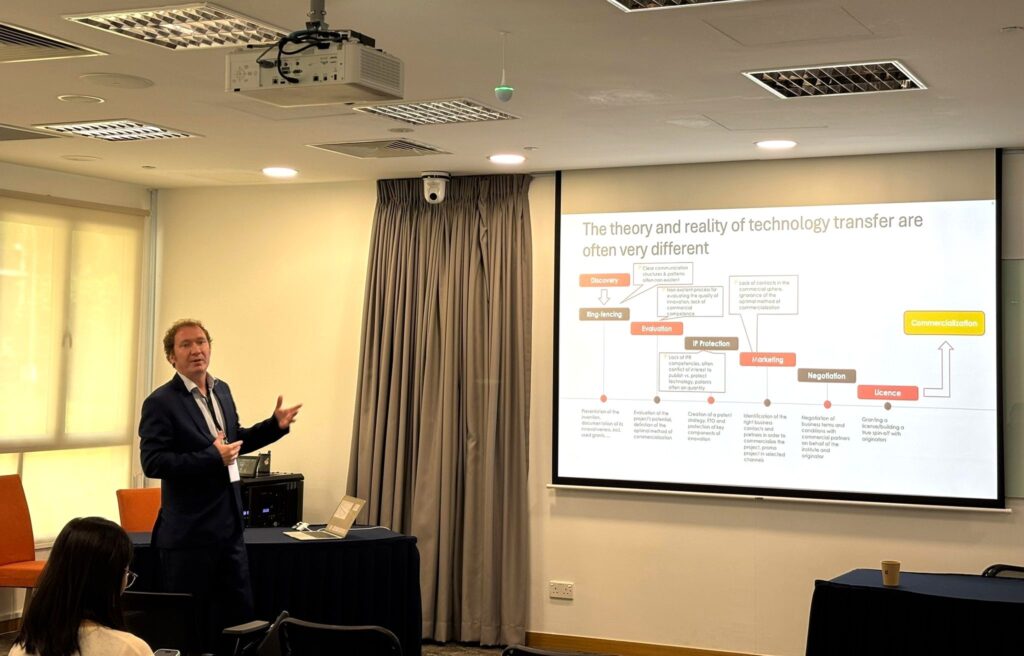
Information on EU Research and Innovation Funding
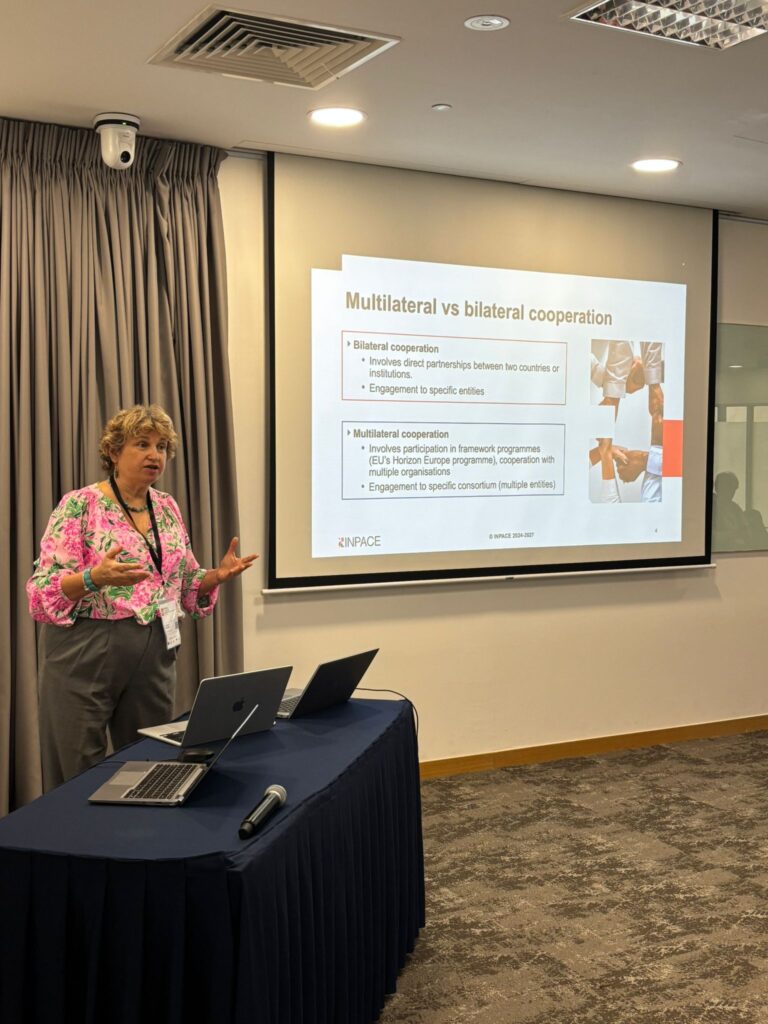
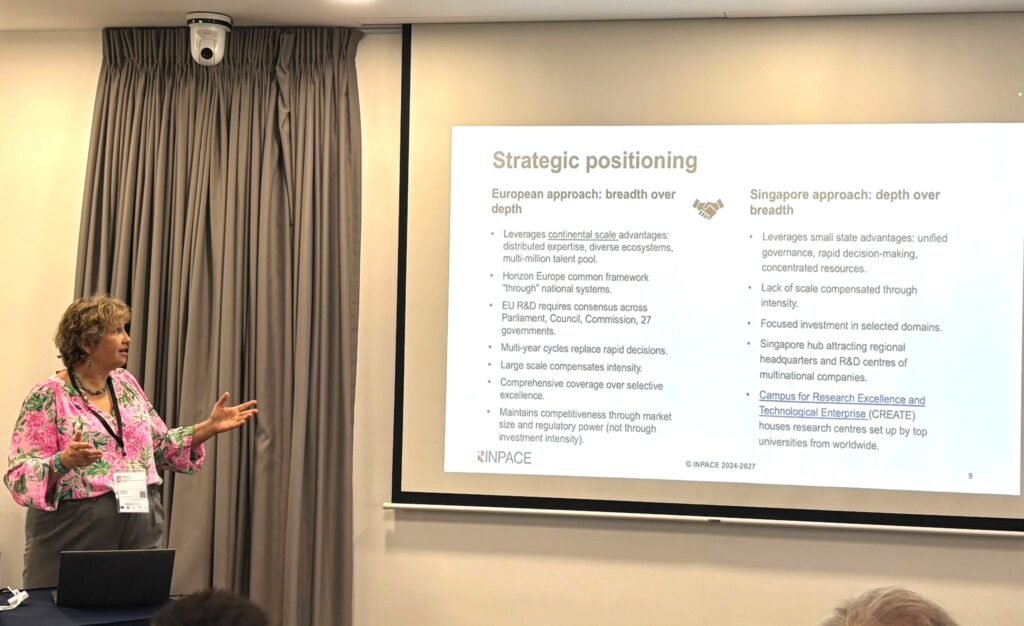
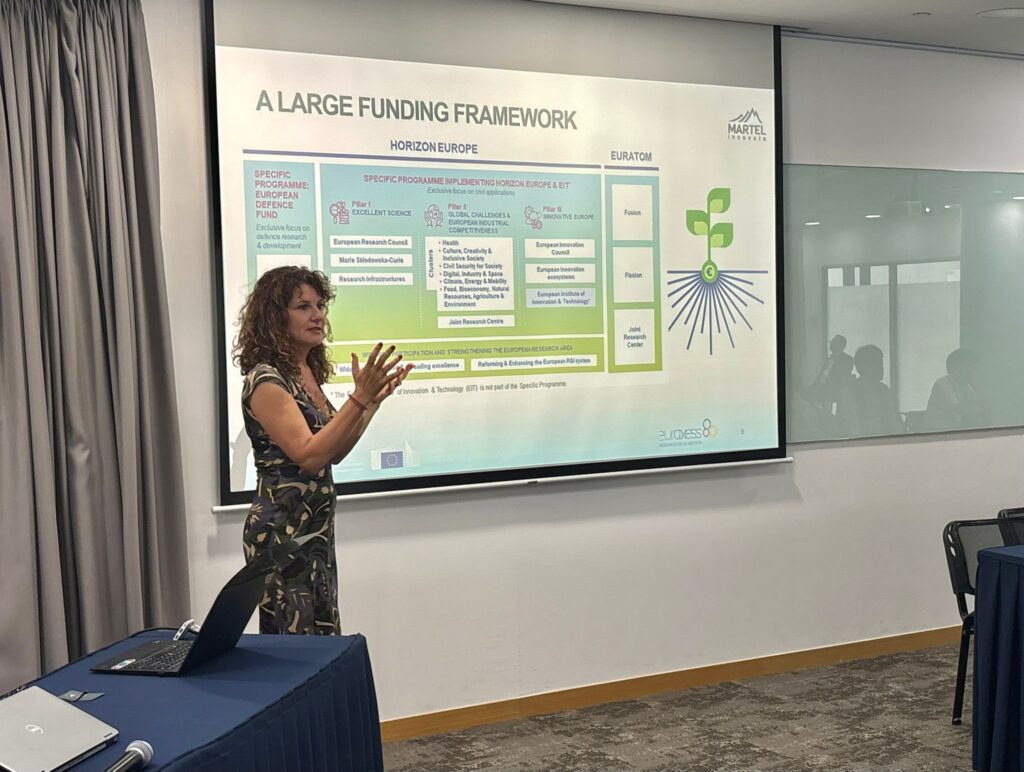
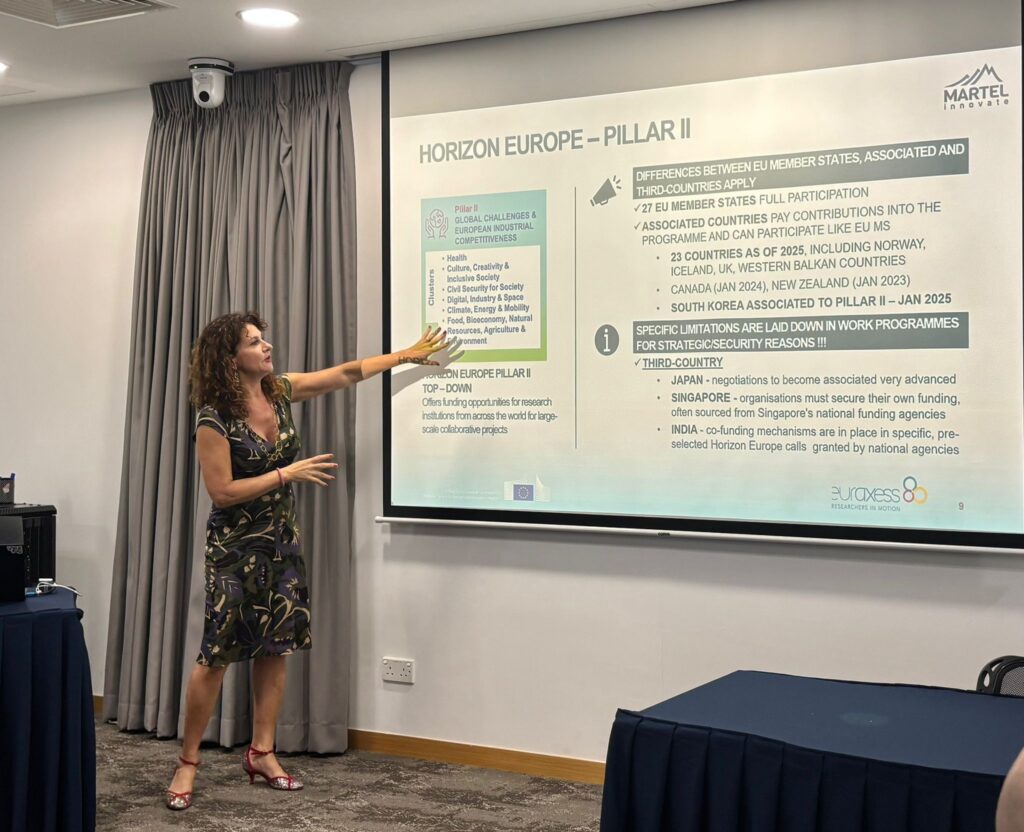
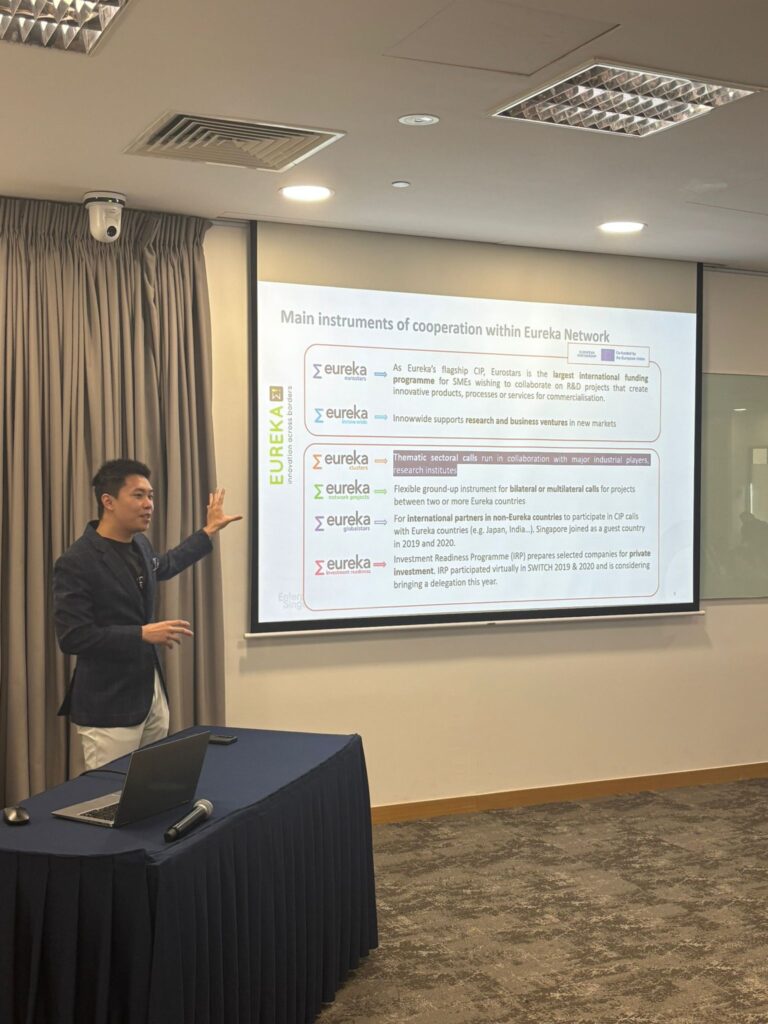
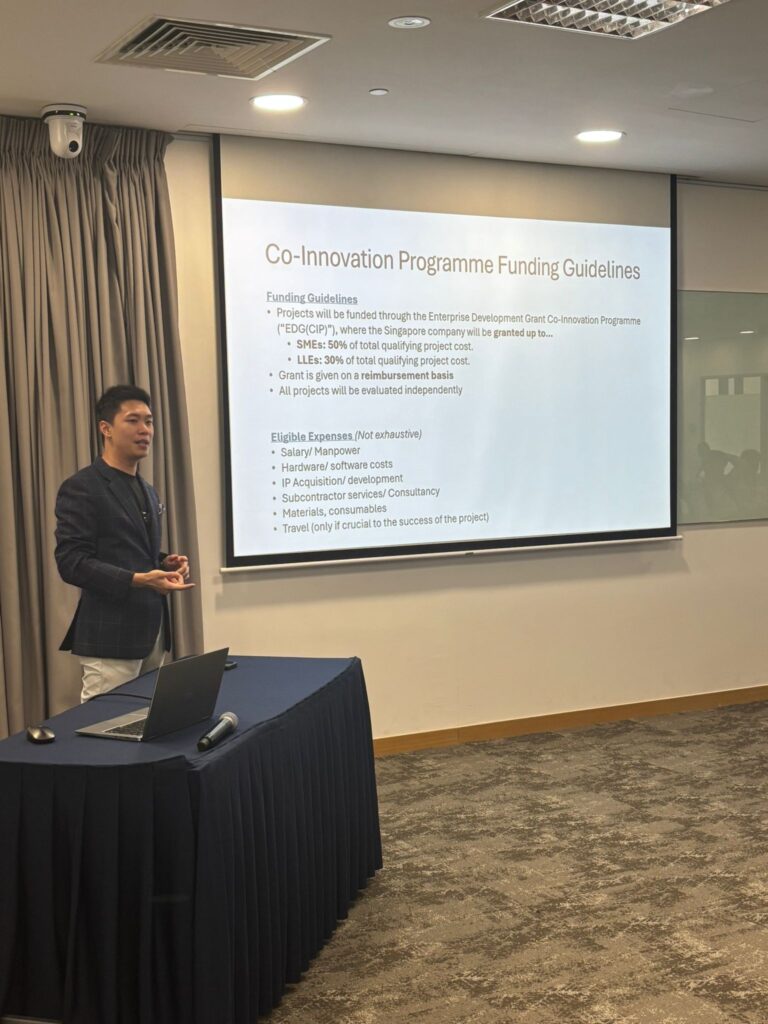
This session provided an overview of European funding opportunities for research and innovation through Horizon Europe and EUREKA, outlining their goals, funding schemes, and opportunities for collaboration. Specifically, Dr. Svetlana Klessova (G.A.C. Group, France) explored why and how to engage when it comes to multilateral versus bilateral cooperation, explaining the added value and what is needed to be involved. The session continued with remarks from Benoit Sauveroche, First Counsellor at the European Union Delegation to Singapore, who emphasised the role of EURAXESS and underlined the opportunity to engage third countries in Horizon Europe.
Dr. Monique Calisti (Martel Innovate, Digital for Planet, Switzerland) guided participants through the Horizon Europe framework, highlighting key pillars aligned with the conference’s themes. She encouraged attendees to support Digital Partnerships through Horizon Europe cooperation and invited participants to stay updated on ongoing activities through INPACE and EURAXESS ASEAN.
Zi Yan Koe (Enterprise Singapore) followed with insights into the Global Innovation Network and highlighted the EUREKA Network, outlining how it supports collaborative innovation projects across borders.
The session concluded with a Q&A, allowing participants to discuss specific funding opportunities and explore how to best engage with these instruments.
Closing Ceremony
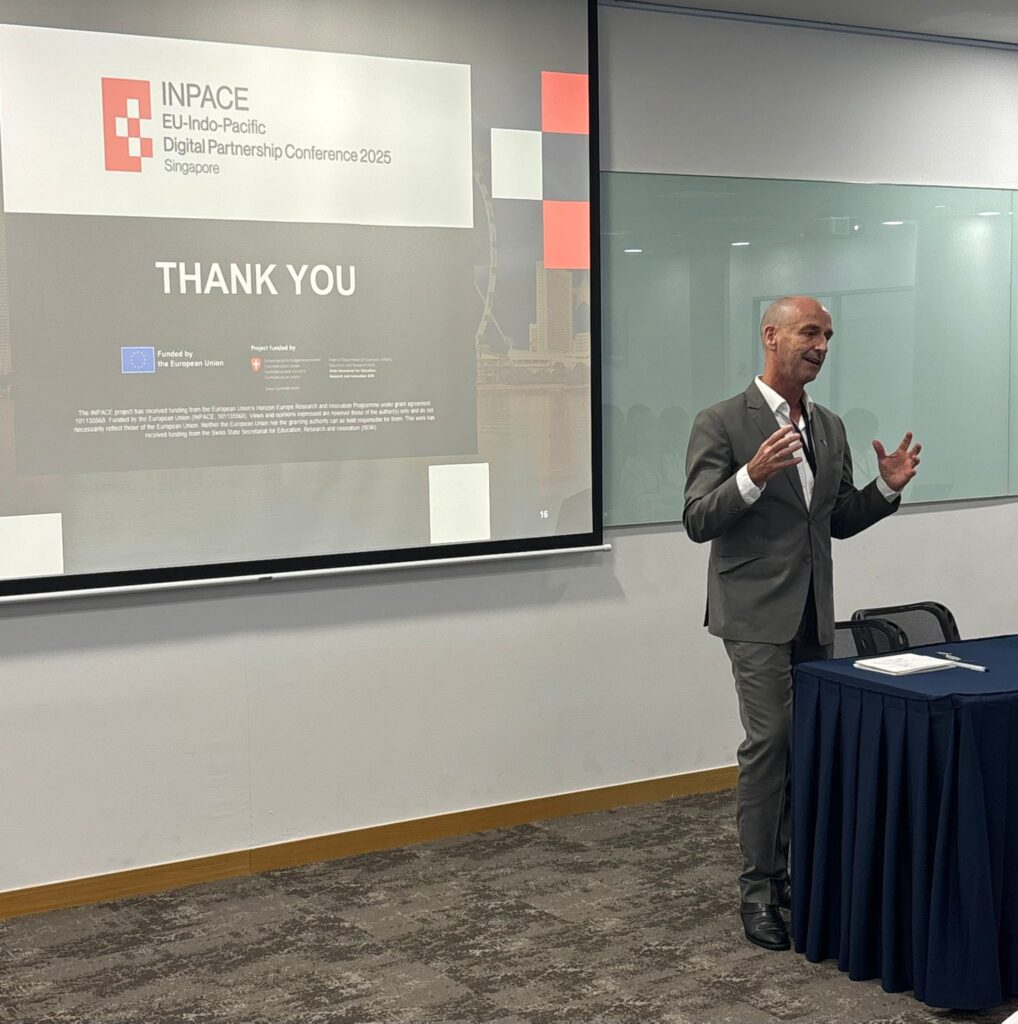
The conference continued with closing remarks from Sebastian Engell (ENRICH GLOBAL, TU Dortmund, Germany), who invited the organisers of the technical sessions to share their outcomes, key learnings, and opportunities for further cooperation.
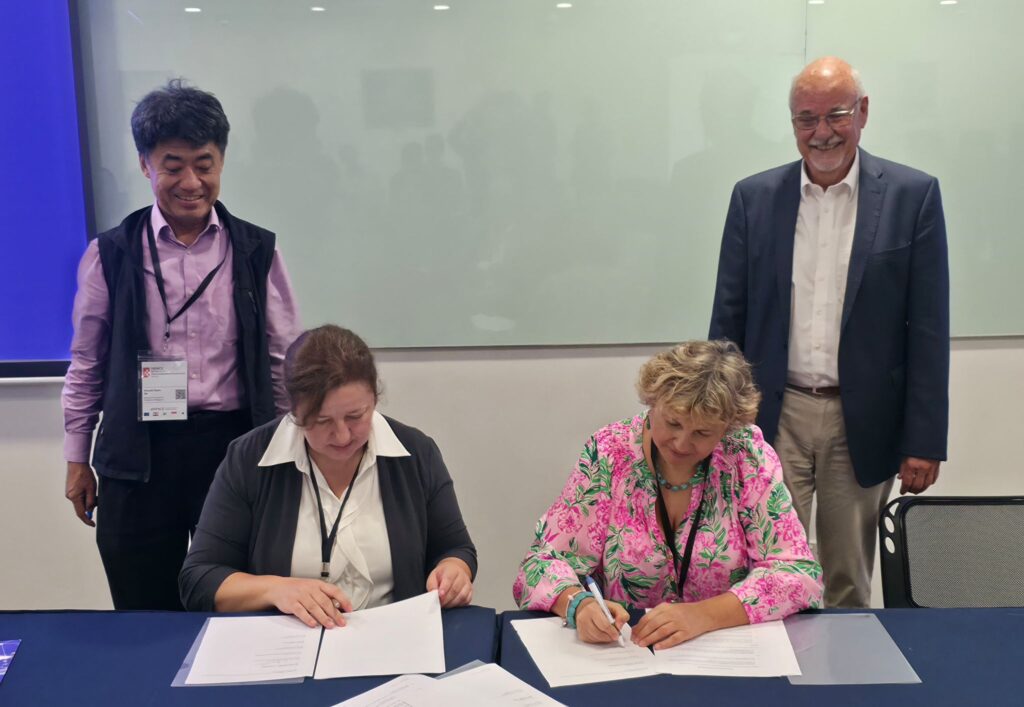
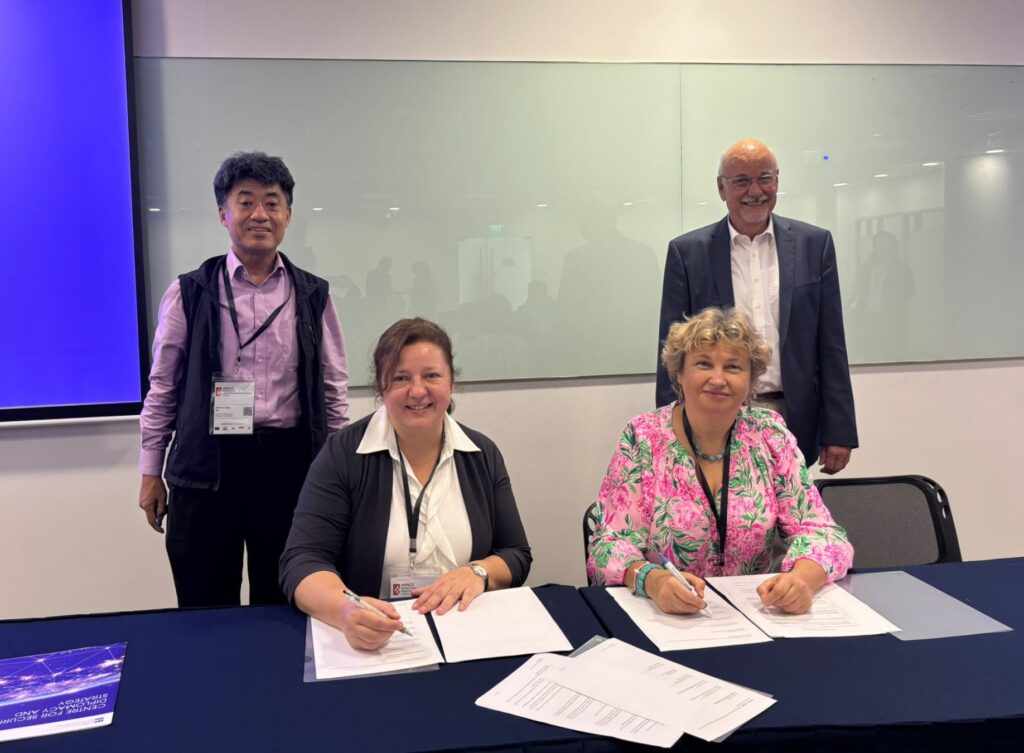
A Memorandum of Understanding (MoU) was signed in the framework of INPACE between National University of Singapore and G.A.C. Group and ENRICH GLOBAL. The signature procedure was done by INPACE Coordinator Dr. Svetlana Klessova (G.A.C. Group, France) and Prof. Silvija Gradecak-Garaj, Vice Dean (Research and Technology), National University of Singapore. Proud to share this moment alongside INPACE partners Prof. Shuzhi Sam Ge (National University of Singapore) and Prof. Sebastian Engell (ENRICH GLOBAL), whose support helped bring this collaboration to fruition.
Final remarks by Benoit Sauveroche, Sebastian Engell, and Shuzhi Sam Ge highlighted how the connections made here will continue to grow beyond the conference, driving the next wave of digital collaboration.
We are grateful to all organisers, supporters, speakers, and participants for these two days of insightful discussions, knowledge sharing, and forward-looking collaboration.
 English
  Japanese