
2nd
EU-JAPAN DIGITAL WEEK 2026
23 March - 30 March 2026
Tokyo, Japan
The EU-Japan Digital Week is organised as part of the EU-Japan Digital Partnership
In-person event
Overview
The EU-Japan Digital Week is the annual flagship event of the EU-Japan Digital Partnership. Launched in 2022 and under ministerial leadership, this partnership is a flexible cooperation instrument that goes beyond dialogue and exchange of information between Japan and the EU with the view to deliver concrete deliverables in line with our respective priorities for a digital economy and society.
This year’s edition focused on advancing collaboration in emerging and disruptive technologies, such as artificial intelligence (AI), semiconductors, quantum computing, and high-performance computing, while addressing critical challenges in digital infrastructure, standardisation, and cross-border interoperability. Through thematic workshops, high-level dialogues, and hands-on training sessions, participants explored opportunities for joint research, innovation, and policy alignment to foster a secure, resilient, and human-centric digital future. Special emphasis was placed on AI for societal good, trusted data spaces, cybersecurity, and the role of digital diplomacy in shaping international tech governance. This in-person event also featured a hackathon, stakeholder roundtables, and capacity-building initiatives to strengthen the EU-Japan Digital Partnership’s impact in the Indo-Pacific region and beyond.
- Download the full report and slides of the 2nd EU-Japan Digital Week 2026 on the INPACE Hub.
- Access the report featuring key insights from the event, along with the presentations, on the INPACE Hub.
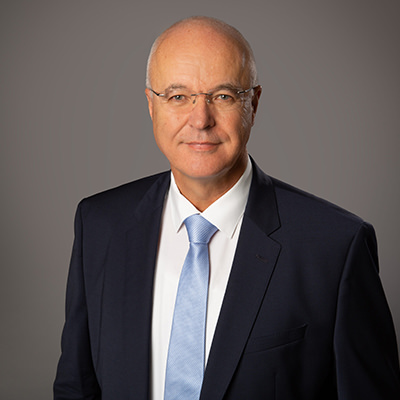
Peter Fatelnig
Minister-Counsellor for Digital Economy Policy
Delegation of the European Union to Japan
Peter Fatelnig
Minister Counsellor for Digital Economy Policy
Delegation of the EU to Japan
Audience
This event brought together key stakeholders from government, industry and businesses, academia and research, and policymaking across the European Union, Japan, and other Indo-Pacific countries.
General contact
For inquiries: [email protected]
FRIDAY, 20 MARCH – SATURDAY, 21 MARCH (PRE-WEEK HACKATHON)
Hackathon on Interoperability of Digital Public Infrastructure

13:00-20:00 Japan Standard Time (JST)
- Language of the event: English
- Please note that interpretation in Japanese will not be available
- Organiser
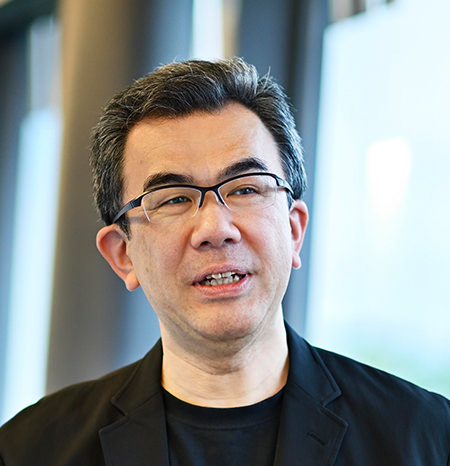
Dr. Franck Le Gall
EGM, INPACE, France
- Co-Organiser
- Summary
The 2026 Hackathon on Interoperability of Digital Public Infrastructure invites innovators to Tokyo to advance the EU-Japan Digital Partnership and the G7 Data Free Flow with Trust (DFFT) framework. Building on the success of the Bengaluru edition, this event challenges cross-regional teams from the EU, Japan, and the Indo-Pacific to develop seamless, regulatory-compliant prototypes that bridge the European Digital Identity (EUDI) framework with Japan’s digital identity ecosystem and other foundational systems like MOSIP. Participants will gain exclusive access to a managed dataspace testbed pre-configured with Gaia-X and NGSI-LD connectors, allowing them to focus on solving complex cross-border identity and data sovereignty challenges. Supported by technical experts, the competition offers winning teams the prestigious opportunity to present their solutions at the final INPACE event in Brussels in 2027.
- Agenda
DAY 1: Friday, 20 March
13:00 – 14:00
OPENING SESSION
14:00 – 18:00
- Working in each team
18:00 – 20:00
Intermediate Presentations
- Advising from tutors
DAY 2: Saturday, 21 March
13:00 – 13:10
Opening Session
13:10 – 16:00
Tune-up Session
- Working in each team
16:00 – 18:00
Final Presentations
- Selecting 3 excellent teams
18:00 – 20:00
Networking Party
Speakers
TUESDAY, 24 MARCH
Semiconductor Workshop: “Japan-EU Cooperation on Advanced Computing, Advanced Functionalities and Semiconductor Value Chain”
Two-day Workshop
Two-day Workshop
09:00-17:30 Japan Standard Time (JST)
- In-person only
- Language of the event: English
- Please note that interpretation in Japanese will not be available
- Organiser
Dr. Francis Balestra
SiNANO Institute/CNRS, INPACE, France
- Co-Organiser
Prof. Ken Uchida
The University of Tokyo, Japan
- Summary
The workshop will focus on key areas of the INPACE Cluster dedicated to “Enabling technologies – Chips for the future” and is aligned with the topics defined in the Digital Partnerships between EU and Japan. The presentations and discussions will cover the many semiconductor challenges (complex value chain, computing and storage needs, novel functionalities for electronic systems, circuit and system integration, energy & material needs, reliability) and possible technological solutions, especially: reductions of energy and material consumption for sustainable electronic systems, advanced logic devices and materials, integration of novel functionalities for future electronic systems (smart sensing, energy harvesting for autonomous system, cryoelectronics for quantum engineering), heterogeneous 3D integration and packaging for high performance, low power, low latency, miniaturisation, integration of new functionalities and lower cost of electronic systems, and possible cooperation on gaps in the semiconductor value chain.
- Agenda
09:00 – 09:10
Opening Remarks
- Dr. Francis Balestra, CNRS, SiNANO Institute, France
09:10 – 10:25
Session 1 – Smart Sensors
- Smart Sensors
Alan O’Riordan, Tyndall National Institute, Ireland - Genki Yoshikawa, NIMS, Japan
- Molecular Sensors for Smart Society
Ken Uchida, University of Tokyo, Japan
10:25 – 10:45
Coffee Break
10:45 – 12:00
Session 2 – Process Technology, Manufacturing & Sustainability
- The Future of Compute From Atomic-Scale Scaling to System Level Integration
Nadine Collaert, imec, Belgium - The necessary transformation to secure a sustainable semiconductor industry
Laurent Pain, CEA LETI, France - Atsushi Ogura, Meiji University, Japan
12:00 – 13:35
Lunch Break
13:35 – 14:25
Session 3 – Policy Session
- Europe’s semiconductor strategy
Dr. Olivier Bringer, European Commission, DG CNECT, Belgium - Japan’s semiconductor strategy
Tomoshige Nambu, Ministry of Economy, Trade and Industry, Japan
14:25 – 15:40
Session 4 – Energy Harvesting
- ZnO thin films and nanowires for piezoelectric energy transducer applications
Gustavo Ardila, University Grenoble-Alpes, France - Thermoelectric energy harvesting and cooling technology; New developments
Takao Mori, NIMS, Japan - Tailoring the Physical Properties of Narrow-Gap Semiconductor Mg2S Thermoelectric Thin Films through Defect Engineering
Takeaki Sakurai, University of Tsukuba, Japan
15:40 – 16:00
Coffee Break
16:00 – 16:50
- Quantum Computing using Si-based Qubits
Jean-Charles Barbé, Quobly, France - High-fidelity of spin Qubits in silicon
Seigo Tarucha, RIKEN, Japan
16:50 – 17:40
Session 6 – Neuromorphic Computing
- Neuromorphic Electronics for Intelligence Everywhere
Sayani Majumdar, Tampere University, Finland - Physical Reservoir Computing Utilizing HfO2-based Ferroelectric Devices for Edge-AI Applications
Shinichi Takagi, Teikyo University, Japan
17:40
Networking Cocktail
- Speakers
Policy Workshop:
“Securing the Digital Horizon: EU-Japan Cooperation on Emerging Disruptive Technologies and Critical Infrastructure” – by invitation
09:00-13:00 Japan Standard Time (JST)
- In-person only
- Language of the event: English
- Please note that interpretation in Japanese will not be available
- Organiser
Dr. Eva Pejsova
Vrije Universiteit Brussel (VUB), INPACE, Belgium
- Co-Organiser
Dr. Kazuto Suzuki
Institute of Geoeconomics (IOG), Japan
- Summary
Against the backdrop of rising geopolitical tensions and the accelerating digital transformation across Europe and the Indo-Pacific, the European Union (EU) and Japan are deepening their partnerships to shape an open, secure, and resilient digital future. This policy workshop will explore how both sides can strengthen cooperation in Emerging and Disruptive Technologies (EDTs), such as artificial intelligence (AI), quantum computing, and advanced semiconductor innovation, while safeguarding critical digital infrastructure, including undersea cables and satellite networks.
Gathering policy experts, industry leaders, and researchers, the workshop seeks to examine avenues for joint Research and Development (R&D) initiatives, investment, technology governance, and trusted connectivity frameworks. Participants will discuss practical collaboration mechanisms under the EU-Japan Digital Partnership and identify strategies for aligning standards, resilience measures, and innovation ecosystems in an evolving geopolitical and technological landscape, so as to jointly promote a rules-based, human-centric digital order in the Indo-Pacific and beyond.
- Agenda
09:00 – 09:10
OPENING REMARKS
- Kazuto Suzuki, Director, Institute of Geoeconomics (IOG), Japan
- Eva Pejsova, Japan Chair, Centre for Security, Diplomacy and Strategy (CSDS), Belgium
KEYNOTE REMARKS
- Jean-Eric Paquet, Ambassador of the European Union to Japan
- Keitaro Ohno, Member, House of Representatives, Japan
PANEL I – From Innovation to Deterrence: Dual-Use Technologies Defence and Economic Security
Moderator
Eva Pejsova, Japan Chair, Centre for Security, Diplomacy and Strategy (CSDS), Belgium
- Raluca Csernatoni, Professor, Brussels School of Governance; Fellow, Carnegie Europe, Belgium
- Motonobu Fujita, Professor, Faculty of Policy Management, Graduate School of Media and Governance, Keio University, Japan
- Sebastian Maslow, Associate Professor, Institute of Social Science, The University of Tokyo, Japan
- Hirohito Ogi, Senior Research Fellow, International Security Order Group, Institute of Geoeconomics (IOG), Japan
- Olivier Bringer, Head of Unit for International Affairs and Policy Outreach, DG CNECT, European Commission, Belgium
PANEL II – Securing the High Ground: Space and Critical Infrastructure for Defence and Trusted Connectivity
Moderator
Kazuto Suzuki, Director, Institute of Geoeconomics (IOG), Japan
- Nanae Baldauff, Senior Associate Fellow, NATO Defence College
- Sugio Takahashi, Director, Strategic Planning Division, Ministry of Defense, Japan
- Kota Umeda, Research Fellow, Emerging Technology Group, Institute of Geoeconomics (IOG), Japan
- Nobuyuki Kojima, Regional Key Account Manager, Asia Pacific Strategic Market, Space Products, Airbus Defence & Space
- Speakers
EU and Japan partnering up: Exploring complementarities of tech business offers – by invitation
16:00-18:00 Japan Standard Time (JST)
- In-person only
- Language of the event: English
- Interpretation in Japanese will be available.
- Organiser
Jana Vinkel
International Relations Officer, International Affairs and Policy Outreach, DG CNECT, Belgium
- Organiser
Anne Wenzek
Country Advisor, International Digital Policy, GIZ GmbH, Germany
- Summary
In this invitation-only exchange and networking event, representatives of the EU and Japanese administrations connect with tech industry leaders to discuss opportunities of effective joint market exploration in third countries. The discussion will map existing EU and Japan digital business offers and their complementarities as well as address market entry considerations, partnership models, and business development strategies.
- Agenda
16:00 – 16:10
WELCOME REMARKS
- Peter Fatelnig, Minister-Counsellor for Digital Economy Policy, Delegation of the European Union to Japan
16:10 – 16:30
Introduction to Tech Business Offers (EU, Japan)
- Olivier Bringer, Head of Unit for International Affairs and Policy Outreach, DG CNECT, European Commission, Belgium
- Shimada Shinya, Deputy Director-General for Global Strategy, Ministry of Internal Affairs and Communications (MIC), Japan
16:30 – 17:30
Moderator
Anne Wenzek, Country Advisor, International Digital Policy, GIZ GmbH, Germany
17:30 – 17:45
17:45
Networking
- Speakers
WEDNESDAY, 25 MARCH
Event: “How European and Japanese SDOs can support the EU-Japan Digital Partnership”
09:00-11:30 Japan Standard Time (JST)
- On-site event with remote participation available. For online participation please register here
- Language of the event: English
- Please note that interpretation in Japanese will not be available
- Organiser
ETSI
France
- Co-Organiser
Telecommunication Technology Committee (TTC)
Japan
- Summary
ETSI, leveraging the trusted and functioning relationship it has built over the years with Japanese partners, organises the workshop together with TTC in order to explore the role of standardisation and SDOs in supporting the EU-Japan Digital Partnership.
The ETSI-TTC event will focus on key digital technology domains and highlight notable success stories, tangible impact and commonalities, and forward-looking perspectives and synergies. This will demonstrate the instrumental roles of ETSI (with its European roots, dual role and global reach), and TTC (representing Japan) in advancing global digital standardisation through trusted, consensus-based global structures aligned with market needs. The domains targeted include QKD/Quantum technologies, Data, Artificial Intelligence, and Wireless/Telecommunications.
- Agenda
09:00 – 09:45
- Olivier Bringer, Head of Unit for International Affairs and Policy Outreach, DG CNECT, European Commission, Belgium
- Yasushi Furukawa, Director, ICT Standardization Division Global Strategy Bureau, Ministry of Internal Affairs and Communications (MIC), Japan
- Hideyuki Iwata, President and Director-General, Telecommunication Technology Committee (TTC), Japan
- Martin Chatel, Chief Policy Officer, ETSI, Belgium
Technical Sessions: SDO Approaches, Achievements & Perspectives
Moderators
- Igor Minaev, Director of External Relations, ETSI, France
- Eriko Hondo, Senior Expert, Advancing Business Tech-Strategy, KDDI Corporation, Japan
- Martin Chatel, Chief Policy Officer, ETSI, Belgium
09:45 – 10:10
Session 1 – Mobile & Wireless Communications
- Yuya Kuno, ETSI ISG NFV Working Group Chair, NTT DoCoMo, Japan
- Christopher Price, Director Advanced Technology APAC, Ericsson, Australia
10:10 – 10:35
Session 2 – Quantum Technologies
- Yoshimichi Tanizawa, Fellow, Toshiba Corporation, Japan / Vice chairperson, Quantum Key Distribution Technology Promotion Committee, Quantum Forum, Japan
- Emmanuel Le Taillandier de Gabory, General Manager, Advanced Network Research Laboratories, NEC Corporation, Japan
10:35 – 10:55
Session 3 – Artificial Intelligence
- Miho Naganuma, Senior Executive Professional, NEC Corporation, Japan
- Michaela Klopstra, Vice-Chair ETSI TC Securing AI (SAI), Security Delivery Manager, Accenture, Germany
10:55 – 11:15
Session 4 – Data (Data Spaces & Trusted Data Frameworks)
Masaru Dobashi, Executive IT Specialist (Platform) / Senior Specialist, NTT Data, Japan
Dr. Franck Le Gall, Vice-Chair ETSI TC DATA, CEO, EGM, France
11:15 – 11:30
Closing Remark and Outlook
- Eriko Hondo, Senior Expert, Advancing Business Tech-Strategy, KDDI Corporation, Japan
- Martin Chatel, Chief Policy Officer, ETSI, Belgium
- Speakers
Semiconductor Workshop: “Japan-EU Cooperation on Advanced Computing, Advanced Functionalities and Semiconductor Value Chain”
Two-day Workshop
Two-day Workshop
08:45-17:30 Japan Standard Time (JST)
- In-person only
- Language of the event: English
- Please note that interpretation in Japanese will not be available
- Organiser
Dr. Francis Balestra
SiNANO Institute/CNRS, INPACE, France
- Co-Organiser
Pro. Ken Uchida
The University of Tokyo, Japan
- Summary
The workshop will focus on key areas of the INPACE Cluster dedicated to “Enabling technologies – Chips for the future” and is aligned with the topics defined in the Digital Partnerships between EU and Japan. The presentations and discussions will cover the many semiconductor challenges (complex value chain, computing and storage needs, novel functionalities for electronic systems, circuit and system integration, energy & material needs, reliability) and possible technological solutions, especially: reductions of energy and material consumption for sustainable electronic systems, advanced logic devices and materials, integration of novel functionalities for future electronic systems (smart sensing, energy harvesting for autonomous system, cryoelectronics for quantum engineering), heterogeneous 3D integration and packaging for high performance, low power, low latency, miniaturisation, integration of new functionalities and lower cost of electronic systems, and possible cooperation on gaps in the semiconductor value chain.
- Agenda
08:45 – 10:00
Session 1 – Heterogeneous Integration and Advanced Packaging
- Applied Research in 3d Heterogeneous Integration and Advanced Packaging of Next Generation Semiconductor Products
Patrick Bressler, Fraunhofer, Germany - Interconnects for AI in the 3D Chiplet Era: Japan’s Ecosystem View
Fumihiro Inoue, Yokohama National University, Japan - Mitsumasa Koyanagi, Tohoku University, Japan
10:00 – 10:15
Coffee break
10:15 – 11:25
Session 2 – New Channel Materials
- Kaoru Toko, University of Tsukuba, Japan
- 2D channel materials
Burkay Uzlu, AMO, Germany - Kazuhito Tsukagoshi, NIMS, Japan
11:25 – 12:15
Session 3 – Semiconductor technology, value chain and projects for
possible international cooperation
- Semiconductor technologies, value chain and projects for possible international cooperation
Francis Balestra, CNRS, France - Crypto Hardware Accelerator Design and Rapid Chips Design & Fabrication Platform
Makoto Ikeda, University of Tokyo, Japan
12:15 – 13:30
LUNCH BREAK
13:30 – 14:20
Session 4 – Power Devices
- Gallium oxide power device technologies
Masataka Higashiwaki, Osaka Metropolitan University, Japan - Widebandgap and ultrawide-bandgap power devices
14:20 – 15:10
Session 5 – Memory Technologies
- DFT and Quantum Transport Simulations of 2D Material-Based Resistive Memories
Alessandro Cresti, CNRS, France - Low Power Nonvolatile NBFPGA for Space and Cryogenic Applications
Munehiro Tada, Keio University, Japan
15:10 – 15:25
Coffee Break
15:25 – 16:15
Session 6 – Optoelectronics
- Semiconductor-based photonics and optoelectronics,
Abdul Rahim, PhotonDelta, Belgium - Photonic Integrated Circuits with Heterogeneous Material Integration and Photonics
Nobuhiko Nishiyama, Institute of Science Tokyo, Japan
16:15 – 16:40
Session 7 – International Cooperation
- Japan-EU JASMINE Chips Project
Mircea Modreanu, Tyndall National Institute, Ireland
16:40 – 17:05
Plenary
- Atsuyoshi Koike, Rapidus, Japan
17:05 – 17:30
Closing Remarks
- Ken Uchida, University of Tokyo, Japan
- Speakers
THURSDAY, 26 MARCH
EU-Japan AI4Good cooperation: “Leveraging Extreme-Scale Computing for Societal Challenges”
09:00-12:00 Japan Standard Time (JST)
- In-person only
- Language of the event: English
- Please note that interpretation in Japanese will not be available
- Organiser
Dr. Rossen Apostolov
INPACE, NAISS, Sweden
- Organiser
RIKEN
- Organiser
Juelich Supercomputing Centre
- Organiser
NAISS
- Summary
This half-day event explores high performance computing collaboration between Europe and Japan, with specific focus on strengthening the links between RIKEN (Japan, operator of Fugaku), Forschungszentrum Jülich (Europe, hosting JUPITER), and NAISS (Sweden, national HPC infrastructure and gateway to Nordic and European research communities) as flagship infrastructures in the respective regions. Together, these infrastructures represent complementary strengths in exascale systems, AI-accelerated simulations, and scientific user communities. The workshop will explore how these ecosystems can jointly advance AI4Good applications aligned with the UN Sustainable Development Goals (SDGs), particularly:
- Climate Action (SDG 13)
- Good Health and Well-being (SDG 3)
- Sustainable Cities and Communities (SDG 11)
The goal of the event is to reinforce scientific discussions and partnerships between the EU and Japan through cooperation between key compute infrastructures in the regions. The expected outcomes include establishing a structure for sustained collaboration and an operational framework.
- Agenda
08:30 – 09:00
REGISTRATION
09:00 – 09:10
WELCOME
- Delegation of the European Union to Japan
09:10 – 09:20
Workshop opening: AI4Good vision, objectives, expected outcomes
- Dr. Rossen Apostolov, INPACE, NAISS, Sweden
09:20 – 09:30
Institutional perspectives: RIKEN
- Prof. Kengo Nakajima, Deputy Director, RIKEN Center for Computational Science, Japan
09:30 – 09:40
- Mathis Bode, Director, German JUPITER AI Factory
09:40 – 09:50
Institutional perspectives: NAISS
- Dr. Rossen Apostolov, Director, Swedish AI Factory MIMER, Sweden
09:50 – 10:20
Scientific Session: AI4Climate
- Data spaces and AI for advancing sustainability and informed policy-making
Prof. Chrysi Laspidou, Vice-Rector of Innovation, University of Thessaly, Greece - Environmental and societal sustainability: challenges and priorities
Dr. Monique Calisti, Chief Executive Officer, Martel Innovate, Switzerland - Understanding Aerosol Controls on Severe Convective Rainfall from Extreme-Scale Super-Droplet Simulations
Dr. Manhal Alhilali, Professor, University of Hyogo, Japan
10:20 – 10:50
Scientific Session: AI4Health
- AI and High-Performance Computing at the University of Debrecen: Capabilities and EU–Japan Collaboration Opportunities for Health and Climate
Prof. Zoltán Gál, Director, Debrecen HPC Center, Hungary - High-Performance Computing and Machine Learning for Biomolecular Structure and Dynamics
Dr. Osamu Miyashita, Senior Researcher, RIKEN - Decoding Adaptive Immune Receptor Repertoires using Machine Learning
Prof. Daron Standley, Professor, Research Institute for Microbial Diseases, Osaka University, Japan
10:50 – 11:10
11:10 – 11:55
Panel discussion: Future EU–Japan HPC cooperation for AI4Good
Moderator
Dr. Rossen Apostolov, INPACE, NAISS, Sweden
- Mathis Bode, Director, German JUPITER AI Factory
- Prof. Chrysi Laspidou, Vice-Rector of Innovation, University of Thessaly, Greece
- Prof. Kengo Nakajima, Deputy Director, RIKEN Center for Computational Science, Japan
- Dr. Monique Calisti, Chief Executive Officer, Martel Innovate, Switzerland
- Prof. Daron Standley, Professor, Research Institute for Microbial Diseases, Osaka University, Japan
12:00
Closing remarks
- Rossen Apostolov, INPACE, NAISS, Sweden
- Speakers
Advancing EU–Japan Digital Cooperation: Insights from the Week and Next Steps
12:30-15:00 Japan Standard Time (JST)
- In-person only
- Language of the event: English
- Please note that interpretation in Japanese will not be available
- Organiser
Dr. Svetlana Klessova
G.A.C. Group, INPACE, France
- Co-Organiser
Adam Kapovits
Eurescom, INPACE, Germany
- Summary
A full week of thematic events across Tokyo on semiconductors, AI for societal good, cybersecurity, digital diplomacy, standardisation, and more converges in one 2.5-hour closing session. Whether you attended individual events during the week or are joining for the first time, this is the moment to connect the dots!
What to expect:
- Lead organisers will briefly share key takeaways from the week’s thematic events: concise, cross-cutting, and accessible to all.
- Hackathon finalist teams will deliver live 10-minute pitches followed by 5 minutes of jury Q&A, showcasing their interoperable digital public infrastructure solutions bridging the EU and Japan. After a short deliberation break, the winners will be announced in a dedicated 10-minute awards ceremony – earning the right to present at the final INPACE event in Brussels in 2027!
- EURAXESS will present European funding opportunities for researchers and innovators in Japan, fostering stronger and deeper digital collaboration.
- An open panel will bring together event organisers and participants for questions and forward-looking discussion.
- Dedicated networking time will take place before and after the programme.
This session is designed for learning across topics, making new connections, and understanding what comes next in EU-Japan digital cooperation.
Don’t miss the finale.
This is where the week comes together. See the future in action: teams from Europe and the Indo-Pacific demonstrate how a single digital identity could work seamlessly from Tokyo to Brussels. Get the sharpest insights from the entire Digital Week distilled into five-minute briefings per event.
Join a forward-looking panel that asks the question that matters most: what comes next for EU-Japan digital cooperation?
Already attended specific events during the week? There is more here. Have not attended any? This is the one session that gives you the full picture.
Whether you are a policymaker, a researcher, an innovator, a startup founder, or simply someone who believes that Europe and Japan can build something better together: this session is designed for you. Come to learn. Stay for the conversation, the exchanges, and the connections!
- Agenda
12.30 – 12.40
Opening Remarks
- Peter Fatelnig, Minister-Counsellor for Digital Economy Policy, Delegation of the European Union to Japan
- Jana Vinkel, International Relations Officer, International Affairs and Policy Outreach, DG CNECT, Belgium
12.40 – 12.45
Introduction
- Dr. Svetlana Klessova, Director, Research and Innovation Partnerships, G.A.C. Group, France
12.45 – 13.45
Bridging Digital Worlds: Live Hackathon Stories on How Data Spaces and Public Infrastructure Impact Everyday Life
Moderator
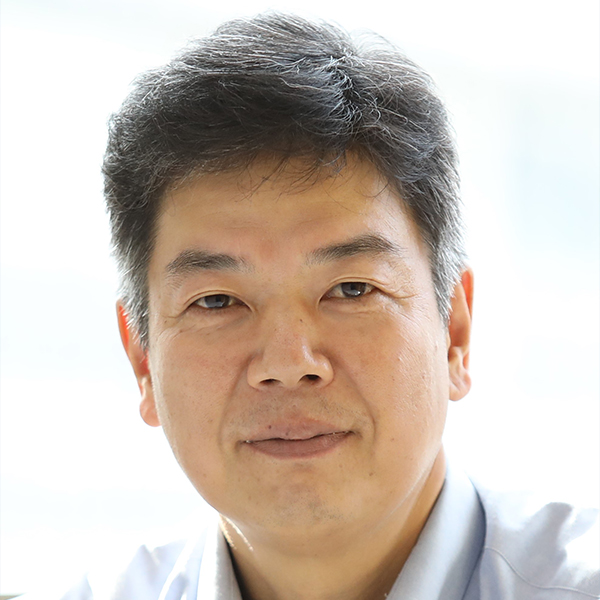
Dr. Franck Le Gall, CEO, EGM, France
Jury:
- Prof. Kazuma Hatano, University of Tokyo
- Dr. Masaru Dobashi, IPA (Information-technology Promotion Agency)
- Ann Molin, Founder & Secretary General,Hack for Earth Foundation,
- Martin Chatel, Chief Policy Officer, ETSI
- Dr. Rossen Apostolov, Director, Mimer – Sweden’s AI Innovation Factory | National Academic Infrastructure for Supercomputing in Sweden

Hackathon finalist teams will deliver live 6-minute pitches on interoperable digital public infrastructure solutions bridging the EU and Japan. The top teams will earn the opportunity to present at the final INPACE event in Brussels in 2027, with one ticket for a team member covered by the INPACE budget. In addition, HackforEarth will provide acceleration support, with up to two teams selected.
13.45 – 14.30
Key takeaways and highlights from the EU-Japan Digital Week events
(5-7 minutes per person, presented by the respective event organisers, followed by a 15-minute Q&A)
- Semiconductors
Dr. Francis Balestra, Director of Research, CNRS, France - Policy
Dr. Raluca Csernatoni, Professor, Brussels School of Governance, Belgium - EU and Japan tech business offers
Jana Vinkel, International Relations Officer, International Affairs and Policy Outreach, DG CNECT, Belgium - Standardisation
Igor Minaev, Director of External Relations, ETSI, France - AI4Good cooperation
Dr. Rossen Apostolov, Director AI Innovation Factory Mimer, NAISS, Sweden
Forward-looking panel: EU-Japan digital cooperation beyond 2026
Moderator
Dr. Svetlana Klessova, Director, Research and Innovation Partnerships, G.A.C. Group, France
- Dr. Francis Balestra, Director of Research, CNRS, France
- Dr. Raluca Csernatoni, Professor, Brussels School of Governance, Belgium
- Jana Vinkel, International Relations Officer, International Affairs and Policy Outreach, DG CNECT, Belgium
- Martin Chatel, Chief Policy Officer, ETSI, Belgium
- Dr. Rossen Apostolov, Director AI Innovation Factory Mimer, NAISS, Sweden
Horizon Europe Funding Opportunities for Japanese and European Researchers and Innovators
- Introduction
Adam Kapovits, Programme Manager, Eurescom, Germany - Presenter: Dr. Judit Erika Magyar, Country Representative, EURAXESS Japan
14.55 – 15.00
Closing remarks
- Peter Fatelnig, Minister-Counsellor for Digital Economy Policy, Delegation of the European Union to Japan
15:00 – 16:00
Coffee and networking
- Speakers
Japan’s Association to Horizon Europe: New Opportunities to Enhance Collaboration in Research and Innovation between the EU and Japan
16:00-17:30 Japan Standard Time (JST)
- In-person only
- Language of the event: English
- Please note that interpretation in Japanese will not be available
- Organiser
Maria Cristina Russo
Deputy Director-General for Innovation, Prosperity and International Cooperation, European Commission
- Organiser
Thomas Skordas
Deputy Director-General for Communications Networks, Content and Technology, European Commission
- Summary
In December 2025, the European Commission and the Government of Japan successfully concluded negotiations on Japan’s association to Pillar II of Horizon Europe, the EU’s flagship research and innovation funding programme. With the agreement expected to be signed in mid-2026, this milestone opens a new chapter in EU–Japan cooperation in science, technology, and innovation.
Already today, entities based in Japan can lead and coordinate their own research projects under Horizon Europe, apply for and receive funding, and deepen collaboration with partners across the EU and other Associated Countries.
With an EU contribution of EUR 93.7 billion, complemented by contributions from soon 23 Associated Countries, Horizon Europe is the world’s largest and most internationally open civilian research and innovation programme. Its cross-sectoral and mission-oriented approach creates strong opportunities for alignment and synergy with Japan’s own research and innovation priorities, offering a powerful platform for joint solutions to global challenges.
The seminar will bring together European and Japanese policymakers, researchers, and other science, technology, and innovation stakeholders to explore new opportunities for collaboration. Participants will discuss Japan’s association to Horizon Europe, identify concrete synergies and partnership pathways, and gain inspiration from successful examples of past cooperation under previous EU Framework Programmes.
- Agenda
16:00 – 16:05
Welcome remarks
- Jean-Eric Paquet, Ambassador of the European Union to Japan
16:05 – 16:20
Keynote addresses
- Maria Cristina Russo, Deputy Director-General for Innovation, Prosperity, and International Cooperation, and Chief Negotiator for Association to Horizon Europe; Directorate-General for Research and Innovation; European Commission
- Kyosuke Matsumoto, Ambassador, Deputy Director-General for Disarmament, Non-proliferation and Science Department, Ministry of Foreign Affairs of Japan
16:20 – 16:45
Remarks
- Naohito Kimura, Deputy Secretary-General for Science, Technology and Innovation Policy, Cabinet Office
- Toshihide Fukui, Deputy Director-General of the Science and Technology Policy Bureau, Ministry of Education, Culture, Sports, Science and Technology of Japan
- Takuya Fukumoto, Deputy Director-General for Innovation Policy, Ministry of Economy, Trade and Industry of Japan
- Thomas Skordas, Deputy Director-General for Communications Networks, Content and Technology, European Commission
- Professor Motoko Kotani, Executive Director, Tohoku University
16:45 – 17:05
Collaboration Opportunities under the Horizon Europe Work Programmes 2026-2027
- Fumiko Oda, National Contact Point for Horizon Europe in Japan – General introduction on international participation in Horizon Europe
- Emmanuelle Chauvin, International Cooperation Unit, Directorate-General for Research and Innovation, European Commission – Novelties in Horizon Europe calls for proposals 2026-2027
17:05 – 17:25
Testimonies on participation in Horizon Europe
- Ben Smith, Counsellor for Science, Technology and Higher Education, Trade and Technology Office, Embassy of Norway to Japan – Norway’s participation in the Framework Programme as an Associated Country
- Associate Professor Dr. Isao Shitanda, Faculty of Science and Technology, Tokyo University of Science and Visiting Associate Professor Dr. Taku Ogura, Research Institute for Science and Technology, Tokyo University of Science (Formerly Nikko Chemicals Co., Ltd. and Shiseido Co., Ltd.) – GREENART project – practical lessons learned from conducting international collaborative research
17:25 – 17:30
Closing remarks
- Maria Cristina Russo, Deputy Director-General for Innovation, Prosperity, and International Cooperation, and Chief Negotiator for Association to Horizon Europe; Directorate-General for Research and Innovation; European Commission
17:30 – 19:00
Reception
FRIDAY, 27 MARCH
ICT Stakeholder Roundtable – by invitation
09:30-16:00 Japan Standard Time (JST)
- In-person only
- Language of the event: English
- Please note that interpretation in Japanese will not be available
- Organiser
MIC Ministry of Internal Affairs and Communications
- Supporter
INPACE
- Summary
The ICT Stakeholder Roundtable is a closed, in-person event organised by the Ministry of Internal Affairs and Communications Japan (MIC). The event will focus on Beyond 5G/6G, AI in Radio Access Networks, measures against dis/misinformation in online platforms, wireless power transfer, quantum, cybersecurity and data spaces technologies and the role of public private partnerships.
As this is a ministry-led event with limited access, participation is by invitation only.
09:30-12:30
ICT Stakeholder Roundtable (part 1)
12:30-14:00
Lunch Reception
14:00-16:00
ICT Stakeholder Roundtable (part 2)
MONDAY, 30 MARCH
Panel: “Leveraging Digital and Tech Diplomacy: Opportunities for a new partnership between Europe and the Indo-Pacific?”
10:00-12:30 Japan Standard Time (JST)
- In-person only
- Language of the event: English
- Please note that interpretation in Japanese will not be available
- Trainer
Martin Rauchbauer
Co-founder, Tech Diplomacy Network, Austria
- Trainer
Katharina Höne
DLR Projektträger, German Aerospace Center, Germany
- Summary
Technologies and notably digital technologies have moved into the centre of all economic and societal developments. Economic growth today is tied to mastering advanced technology, societal developments are firmly in the hands of tech companies.
Digital and tech diplomacy responds to that trend and infuses digital and tech into the conduct and practice of international relations, dialogue, and negotiations regarding digital policies and technological advancements.
It involves a broader set of stakeholders, including governments, tech companies, privacy and rights groups, the broader civil society organisations, think tanks and academia; working together to address challenges and opportunities presented by technology in the global arena.
Digital and tech diplomacy also encompass questions related to digital sovereignty, negotiations related to cyberspace, cybersecurity, and digital governance. It involves governments, international organisations, and diplomats working to establish norms, treaties, and cooperation mechanisms to address challenges in the globally connected digital realm.
This panel will take digital and tech diplomacy as a starting point for reflecting on how foreign policy increasingly evolves around technology. Collaboration in innovation and technology becomes ever more important and now happens before the background of an increasingly complex world. Digital and tech diplomacy are practised in the context of digital sovereignty, the protection of critical infrastructure, and questions of national security.
The panel will aim to update knowledge and create awareness in roles that promote the Digital Economy, and share tools and practices to become more effective and efficient in a world driven increasingly by advanced digital technologies.
- Agenda
10:00 – 10:10
Welcome and Introduction
- Jean-Eric Paquet, Ambassador of the European Union to Japan
10:10 – 10:40
KEYNOTE REMARKS
- Martin Rauchbauer, Co-Founder, Tech Diplomacy Network, Austria
10:40 – 12:30
Panel Discussion: Leveraging Digital Diplomacy
Moderator
Katharina Höne, DLR Projektträger, German Aerospace Center, Germany
- Peter Fatelnig, Minister-Counsellor for Digital Economy Policy, Delegation of the European Union to Japan
- Mitsunobu Koshiba, Co-Founder, Cdots GK, Japan
- Martin Rauchbauer, Co-Founder, Tech Diplomacy Network, Austria
- Peter van der Hoest, Counsellor, Embassy of the Netherlands in Japan
- Dr. Kimitake Nakamura, Director General for Science, Ministry of Foreign Affairs, Japan
- Yoichi Iida, Special Policy Advisor to the Minister, Ministry of Internal Affairs and Communications, Japan
- Speakers
Tuesday, 24 March
Semiconductor Workshop: “Japan-EU Cooperation on Advanced Computing, Advanced Functionalities and Semiconductor Value Chain” Two-day Workshop
Tuesday, 24 March
POLICY WORKSHOP: “Securing the Digital Horizon: EU-Japan Cooperation on Emerging Disruptive Technologies and Critical Infrastructure”
Tuesday, 24 March
EU and Japan partnering up: Exploring complementarities of tech business offers – by invitation

Wednesday, 25 March
Event: “How European and Japanese SDOs can support the EU-Japan Digital Partnership”
Wednesday, 25 March
Semiconductor Workshop: “Japan-EU Cooperation on Advanced Computing, Advanced Functionalities and Semiconductor Value Chain” Two-day Workshop
Thursday, 26 March
“EU-Japan AI4Good cooperation: “Leveraging Extreme-Scale Computing for Societal Challenges””
Thursday, 26 March
“Advancing EU–Japan Digital Cooperation: Insights from the Week and Next Steps”
Monday, 30 March
Panel: “Leveraging Digital and Tech Diplomacy: Opportunities for a new partnership between Europe and the Indo-Pacific?”
Tuesday, 24 March
Semiconductor Workshop: “Japan-EU Cooperation on Advanced Computing, Advanced Functionalities and Semiconductor Value Chain” Two-day Workshop
Tuesday, 24 March
POLICY WORKSHOP: “Securing the Digital Horizon: EU-Japan Cooperation on Emerging Disruptive Technologies and Critical Infrastructure”
Tuesday, 24 March
EU and Japan partnering up: Exploring complementarities of tech business offers – by invitation

Wednesday, 25 March
Event: “How European and Japanese SDOs can support the EU-Japan Digital Partnership”

Wednesday, 25 March
Semiconductor Workshop: “Japan-EU Cooperation on Advanced Computing, Advanced Functionalities and Semiconductor Value Chain” Two-day Workshop
Thursday, 26 March
“EU-Japan AI4Good cooperation: “Leveraging Extreme-Scale Computing for Societal Challenges””
Thursday, 26 March
“Advancing EU–Japan Digital Cooperation: Insights from the Week and Next Steps”
Monday, 30 March
Panel: “Leveraging Digital and Tech Diplomacy: Opportunities for a new partnership between Europe and the Indo-Pacific?”

The EU-Japan Digital Week is an initiative under the EU-Japan Digital Partnership and is supported by the following projects and organisations